Global Trade Resilience: Navigating Supply Chain Challenges for International Brands in 2026
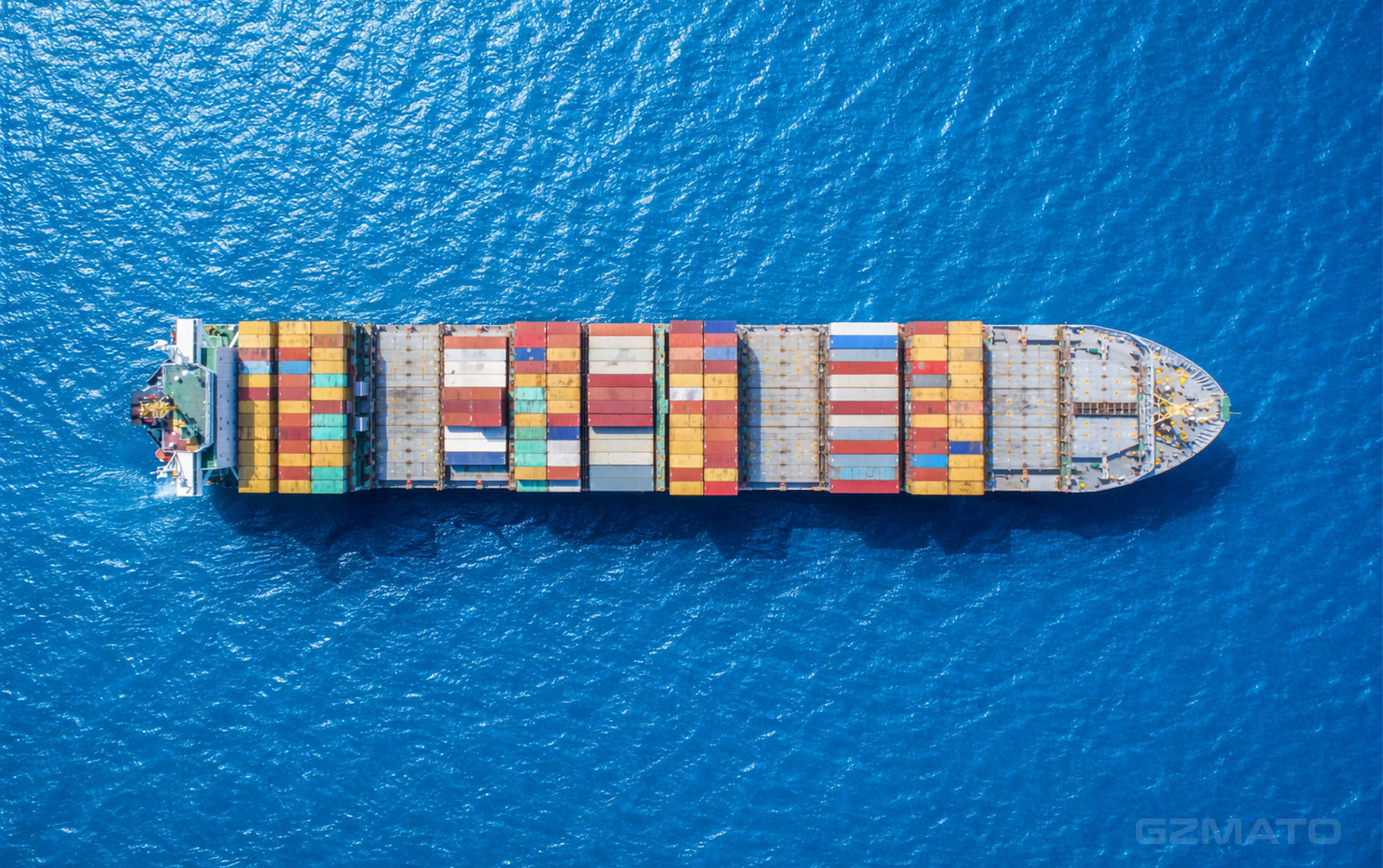
February 3, 2026 – Global supply chains remain under pressure in 2026, with geopolitical tensions, rising tariffs, logistics costs, and AI-driven disruptions challenging international brands. This article explores the major risks and practical strategies to build resilience.
Global Trade Resilience: Navigating Supply Chain Challenges for International Brands in 2026
International brands face a complex supply chain landscape in 2026. Geopolitical risks, tariff uncertainty, logistics inflation, and rapid AI adoption create both challenges and opportunities. Here’s a clear look at the current environment and actionable ways to strengthen trade resilience.
Key Supply Chain Challenges in 2026
- Geopolitical Tensions: Ongoing conflicts and trade disputes continue to disrupt key routes and manufacturing hubs.
- Tariff & Regulatory Risks: New or fluctuating tariffs in major markets increase cost unpredictability.
- Logistics Costs: Shipping rates remain elevated due to capacity constraints and fuel prices.
- AI & Technology Disruption: Rapid AI adoption in logistics and manufacturing creates both efficiency gains and adaptation pressure.
Geopolitical & Tariff Risks
Trade tensions between major economies persist in 2026. New tariffs, export controls, and regional conflicts impact sourcing and delivery timelines. Brands with heavy reliance on single regions face higher risk of sudden cost spikes or shortages. Diversification across geographies has become essential.
Logistics & Cost Pressures
Global shipping rates remain high due to port congestion, container shortages, and fuel volatility. Red Sea and Panama Canal disruptions continue to force rerouting, adding 10–20% to transit times and costs for many routes. Just-in-time inventory models are under strain.
AI & Technology Disruptions
AI is transforming supply chains in 2026. Predictive analytics, autonomous logistics, and smart manufacturing improve efficiency, but require significant investment and adaptation. Companies slow to adopt risk falling behind in cost control and speed.
Strategies for Building Trade Resilience
- Diversify Sourcing: Spread manufacturing across multiple countries and regions to reduce single-point risks.
- Build Inventory Buffers: Shift from just-in-time to strategic safety stock for critical components.
- Invest in Technology: Adopt AI-driven forecasting, real-time tracking, and smart logistics to improve visibility and agility.
- Strengthen Supplier Relationships: Develop long-term partnerships with key suppliers for priority access during disruptions.
- Scenario Planning: Regularly simulate disruptions and test contingency plans to improve response readiness.
Shop Logistics & Tech Solutions at Gzmato
Fast shipping, 1-year warranty, official stock – equip your team with tools for supply chain resilience
New Year Offer: Use code GZMSUPPLY26 for 10% off!
Shop Logistics & AI Hardware Now →Data Sources & Methodology (as of Feb 3, 2026):
- Bloomberg, Reuters, CNBC supply chain reports
- World Trade Organization & IMF trade outlook 2026
- McKinsey & Deloitte supply chain resilience studies
- Gzmato hardware inventory data


- global supply chain 2026
- trade resilience strategies
- supply chain challenges 2026
- international brands supply chain
- geopolitical trade risks 2026