Powering a Greener Tomorrow: The Acceleration of Climate Tech and Green Energy
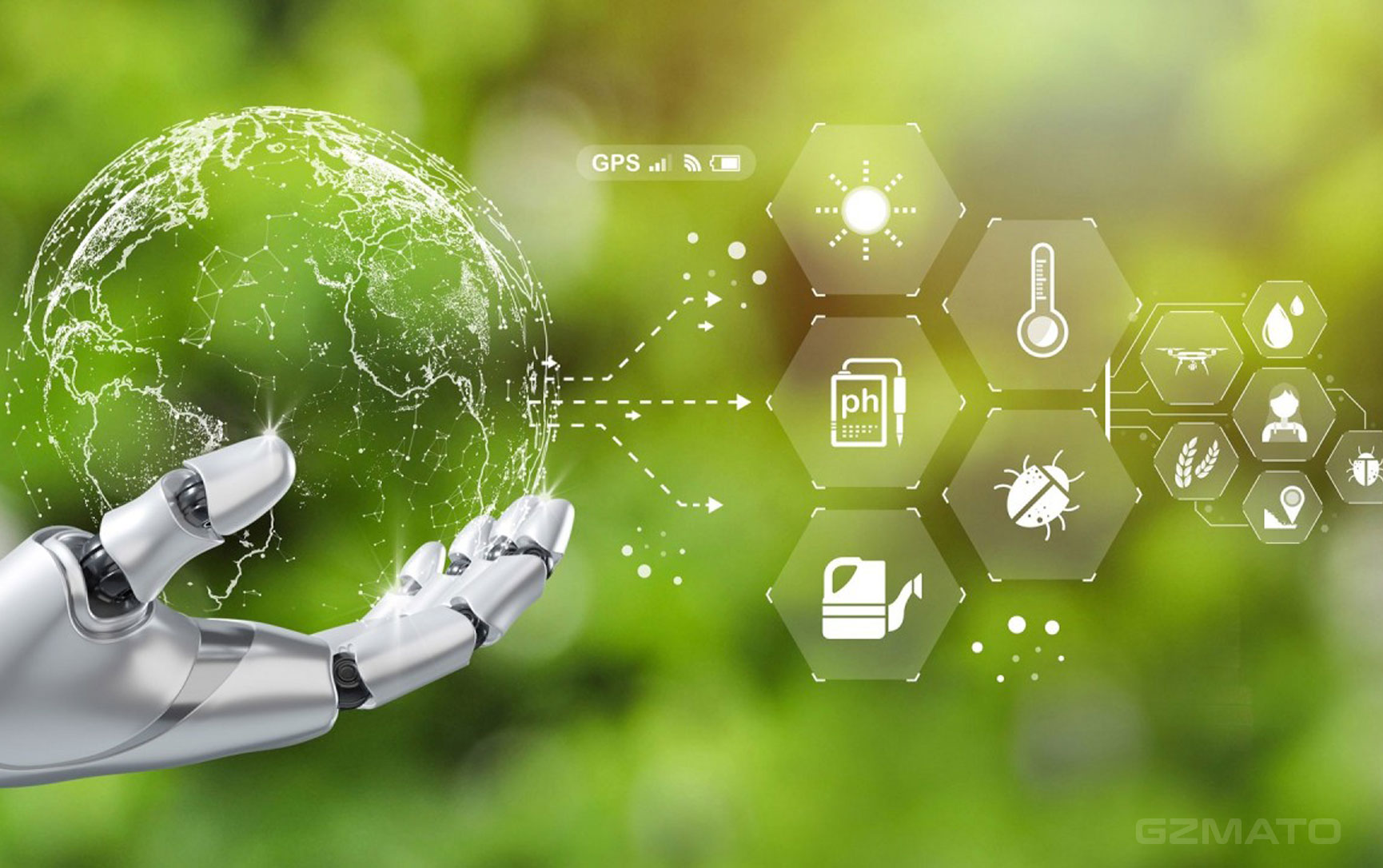
The planet is sending us a clear message. From more frequent extreme weather events to undeniable shifts in global temperatures, the urgency of climate change has never been clearer. But amidst these challenges, a powerful movement is gaining unprecedented momentum: the rapid advancement and deployment of climate technology and green energy. This isn't just about environmental protection; it's a monumental economic opportunity and the new frontier for global development.
Green Energy: No Longer the Future, It's the Present
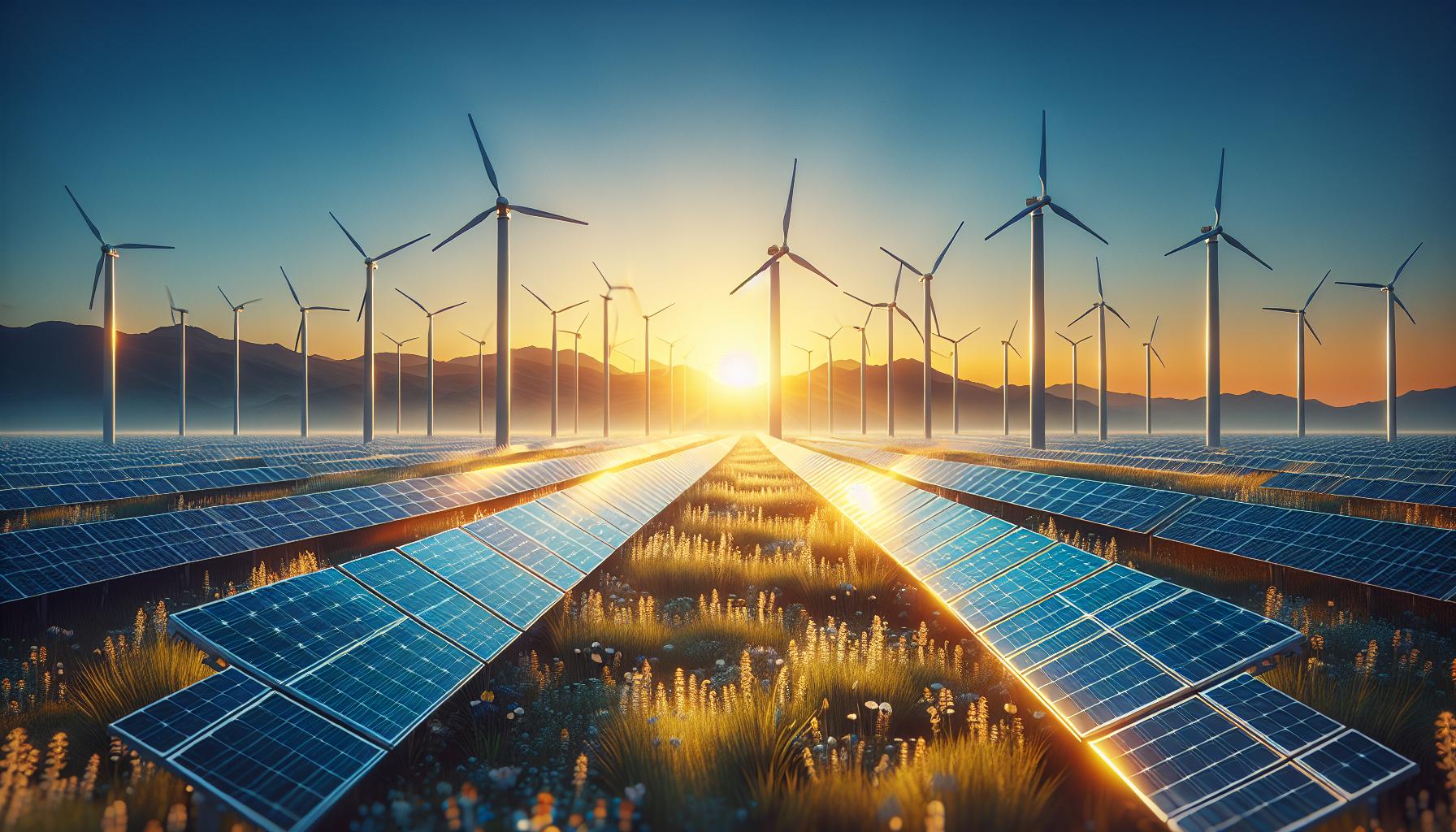
Gone are the days when renewable energy was considered a niche or experimental solution. Today, solar and wind power are not only competitive but often the cheapest forms of new electricity generation. We're witnessing massive investments in sprawling solar farms that turn sunlight directly into power and colossal offshore wind turbines that harness the ocean's consistent breezes, dramatically reducing reliance on fossil fuels.
Crucially, energy storage technologies, particularly advanced batteries (from improved lithium-ion to promising solid-state designs), are overcoming the intermittency of renewables. They allow us to store excess energy generated on sunny or windy days and release it when needed, making clean energy sources truly reliable. This is further bolstered by the development of smart grids, which use digital technology to optimize electricity distribution, reduce waste, and integrate diverse power sources seamlessly.
Climate Tech: Diversified Innovation Tackling Challenges
Beyond electricity generation, a broad spectrum of climate technologies is emerging to tackle various aspects of environmental sustainability:
- Carbon Capture, Utilization, and Storage (CCUS): This groundbreaking tech works to pull carbon dioxide directly from industrial emissions or even the atmosphere, preventing it from contributing to global warming. Once captured, CO2 can be stored underground or even repurposed for industrial uses.
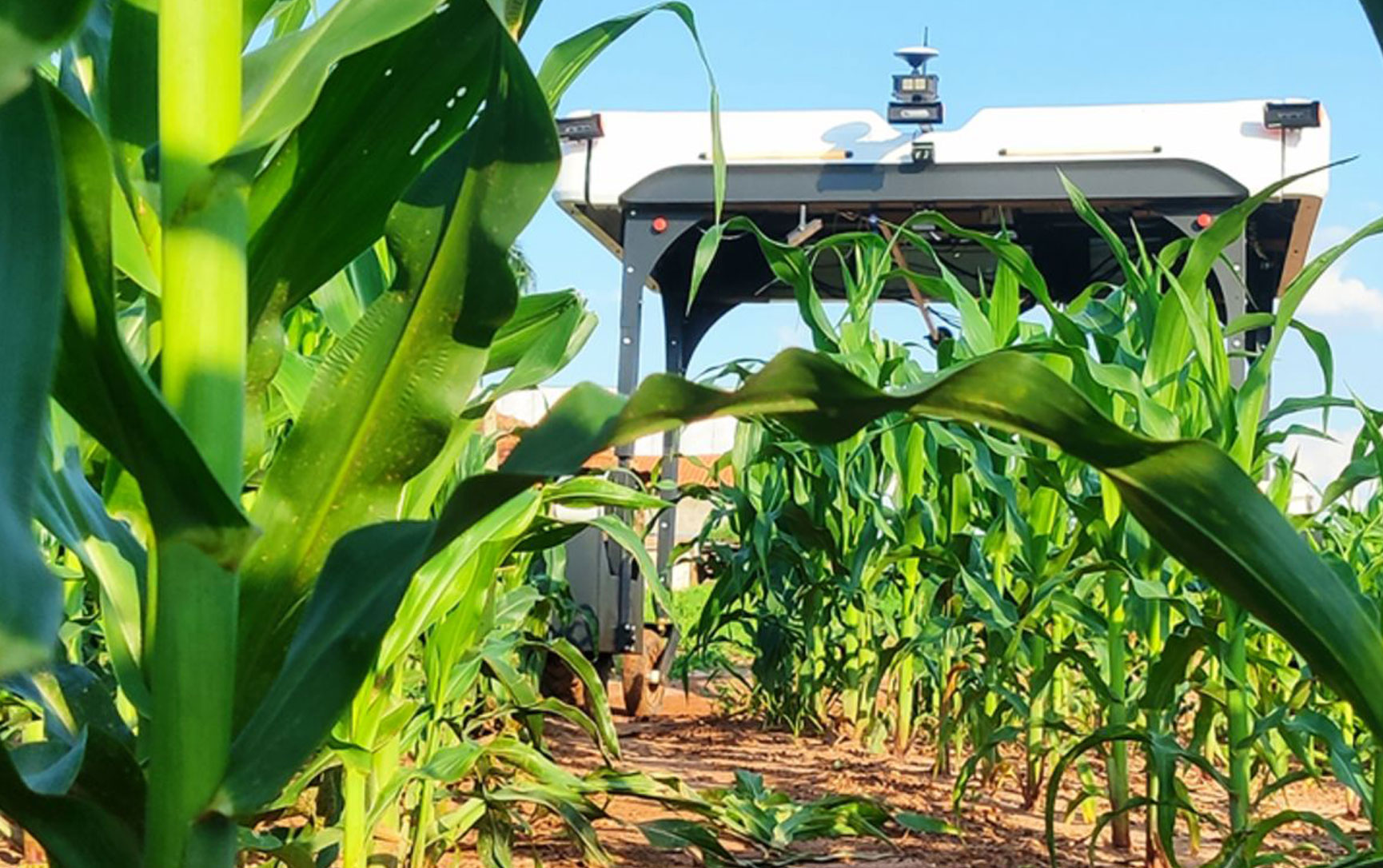
- Sustainable Agriculture: Innovations like precision farming use data to optimize resource use, while vertical farms revolutionize food production in urban areas with minimal land and water. Efforts are also underway to reduce methane emissions from livestock, a significant contributor to greenhouse gases.
- Green Buildings & Urban Planning: Cities are becoming smarter and more sustainable, with a focus on energy-efficient materials, renewable energy integration in buildings, and designs that promote walkability and public transport.
- Electric Mobility: The rise of electric vehicles (EVs) is transforming transportation, promising cleaner air and reduced emissions. This surge is, in turn, driving a rapid expansion of charging infrastructure worldwide.
China's Green Leap Forward: Exemplary Cases of Innovation
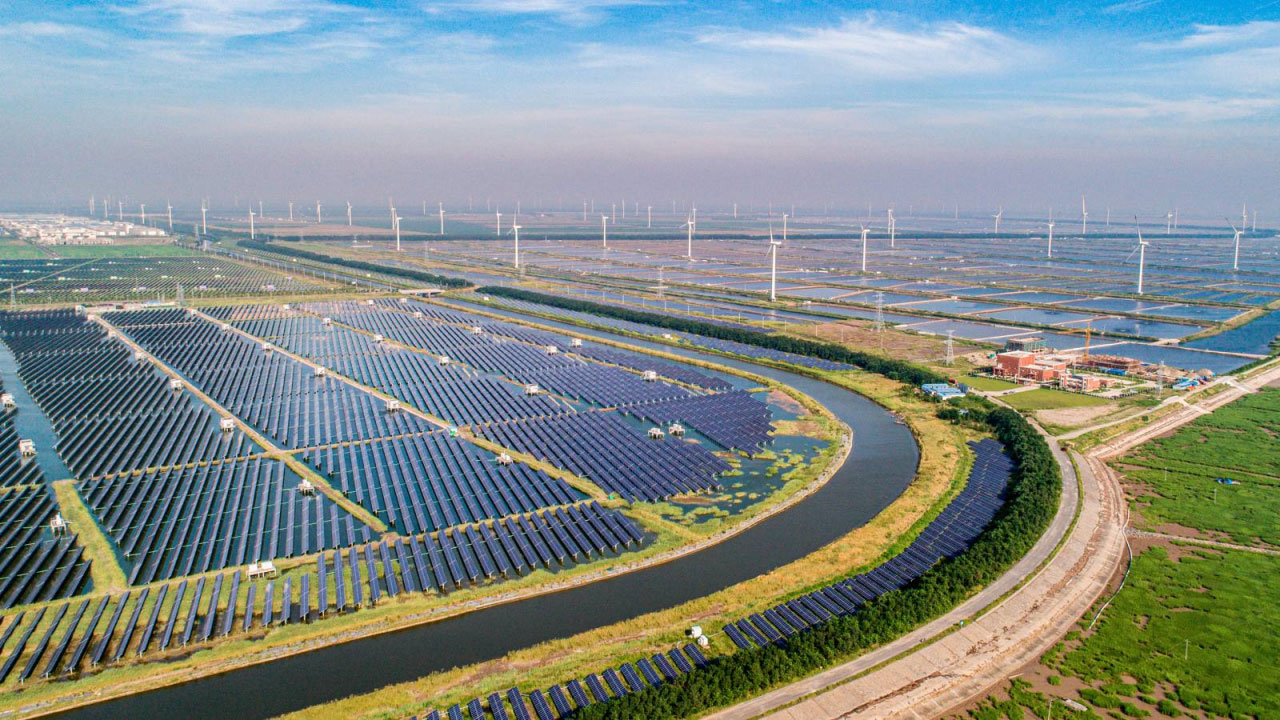
China, as a major player in global development, has not only committed to green energy and environmental protection but has also launched groundbreaking projects that stand as global benchmarks:
- Pioneering Floating Offshore Wind Power: China is at the forefront of developing floating offshore wind farms, a technology crucial for unlocking deep-sea wind resources. Projects like the "Three Gorges Leading" (三峡引领号), the world's first large-capacity typhoon-resistant floating offshore wind turbine, have been successfully connected to the grid. These "mobile power generators" are capable of adapting to complex marine environments, demonstrating China's leadership in overcoming technical challenges and expanding wind power's reach. Recently, the world's largest single-unit direct-drive floating offshore wind turbine (17 MW) also rolled off the production line in Fujian, setting a new global record.
- The Yarlung Tsangpo River Hydropower Project and UHV Transmission: Located in Tibet, the downstream hydropower project on the Yarlung Tsangpo River, which officially commenced construction on July 19, 2025, is set to become the world's largest hydropower engineering project. With plans for five cascade power stations, it aims to generate an astonishing 300 billion kilowatt-hours annually, equivalent to three Three Gorges Dams. Crucially, this massive green power will be transmitted to distant demand centers like the Guangdong-Hong Kong-Macao Greater Bay Area using advanced Ultra-High Voltage (UHV) transmission technology. This "west-to-east power transmission" initiative is a monumental step in green energy delivery, providing a blueprint for a future global green power transmission network.
- Beijing 2022 Winter Olympics Carbon Neutrality: The games aimed for and largely achieved carbon neutrality, incorporating green energy for venues, electric vehicles for transport, and innovative carbon offsetting mechanisms, setting a new standard for sustainable mega-events.
- Shandong Haiyang Nuclear Heating Project ("Warm Nuclear No. 1"): This pioneering project utilizes waste heat from nuclear power plants to provide clean, carbon-free district heating to residential areas, demonstrating a novel way to maximize energy efficiency and reduce coal consumption.
- Dunhuang Shouhang Energy Tower Concentrating Solar Power Project: Located in the Gobi Desert, this project uses thousands of mirrors to concentrate sunlight onto a central tower, generating electricity. It represents China's commitment to large-scale, advanced solar thermal technology.
These examples underscore a strategic national push towards a greener economy and a cleaner environment, showcasing diverse approaches from pioneering deep-sea energy solutions and monumental hydropower projects to integrated urban models and corporate initiatives.
Investment & Policy: The Dual Engines of Progress
The acceleration of climate tech and green energy isn't happening in a vacuum. It's fueled by unprecedented global investment – from venture capitalists pouring billions into innovative startups to governments launching massive clean energy funds.
Simultaneously, government policies are playing a pivotal role. We're seeing a global push for incentives, tax credits, and subsidies that make green technologies more affordable and accessible. Regulations like carbon taxes and stricter emission standards are also encouraging industries to transition faster. This is all compounded by a growing sense of corporate responsibility, with an increasing number of companies publicly committing to achieving carbon neutrality and integrating sustainability into their core business models.
Looking Ahead: Challenges and Opportunities
While the progress is inspiring, the journey ahead still holds challenges. Scaling up nascent technologies, ensuring equitable access to green solutions, managing the geopolitical implications of energy transitions, and fostering seamless international cooperation remain critical hurdles.
Yet, the overall trajectory is clear: innovation, collaboration, and a collective commitment are paving the way for a more resilient, cleaner, and sustainable future. Every technological breakthrough, every policy shift, and every individual choice contributes to this monumental transformation. The green revolution is here, and it's picking up speed.


- green energy
- climate tech
- renewable energy
- solar power
- wind power
- energy storage
- carbon capture
- sustainable agriculture
- electric vehicles
- China green energy
- Yarlung Tsangpo hydropower
- floating wind
- environmental protection
- climate change solutions
- sustainable development