The Unexpected Winner: How the Standard iPhone 17 is Redefining Apple's Lineup
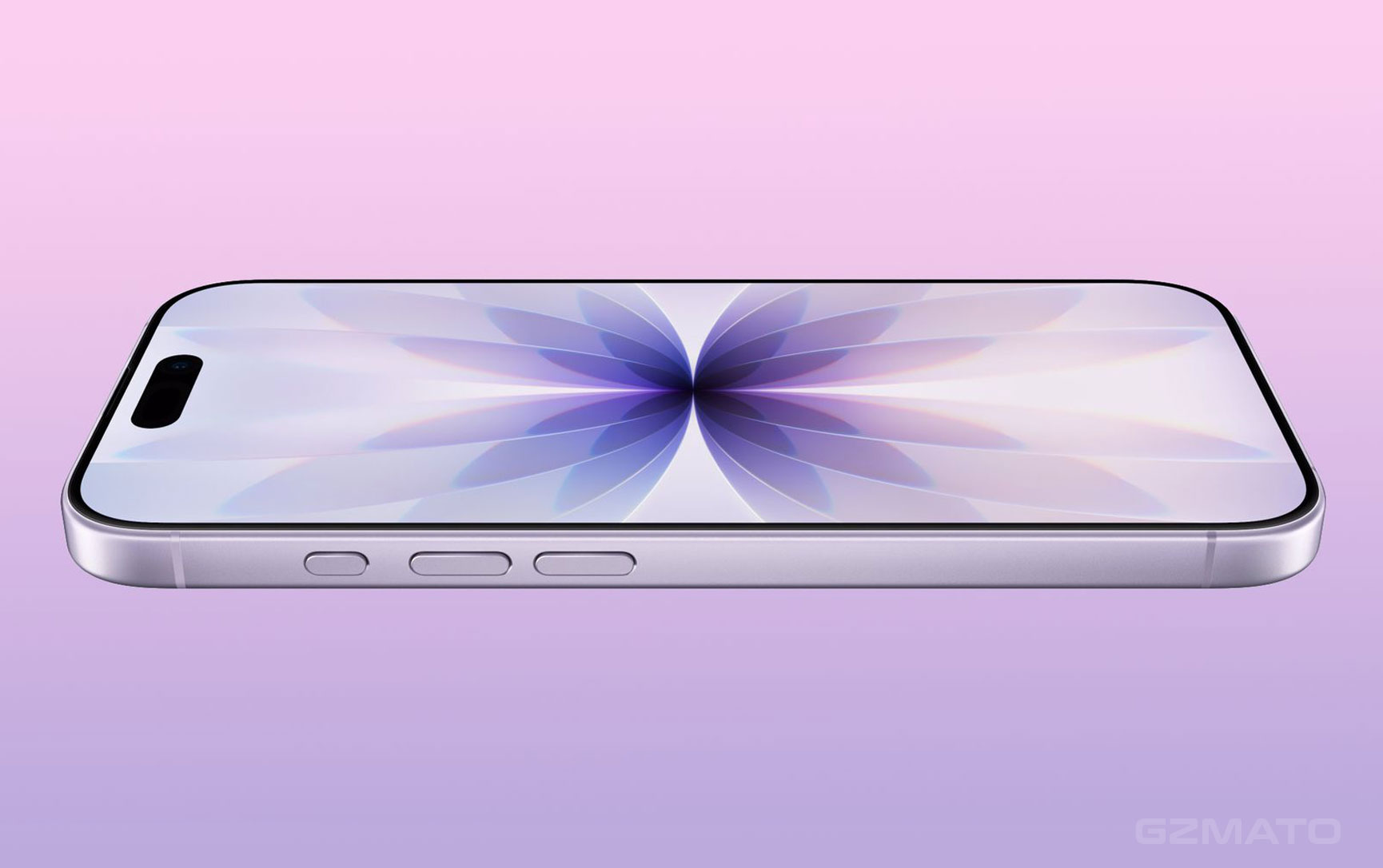
In the weeks leading up to launch, all eyes were on the innovative iPhone Air and the powerful iPhone 17 Pro. But as initial sales data rolls in, an unexpected player has emerged as the clear early favorite: the standard iPhone 17. This surprise success isn't just a win for a single model; it’s a sign that consumer priorities are shifting, forcing a reassessment of Apple’s entire product strategy.
The iPhone 17’s Stealthy Success
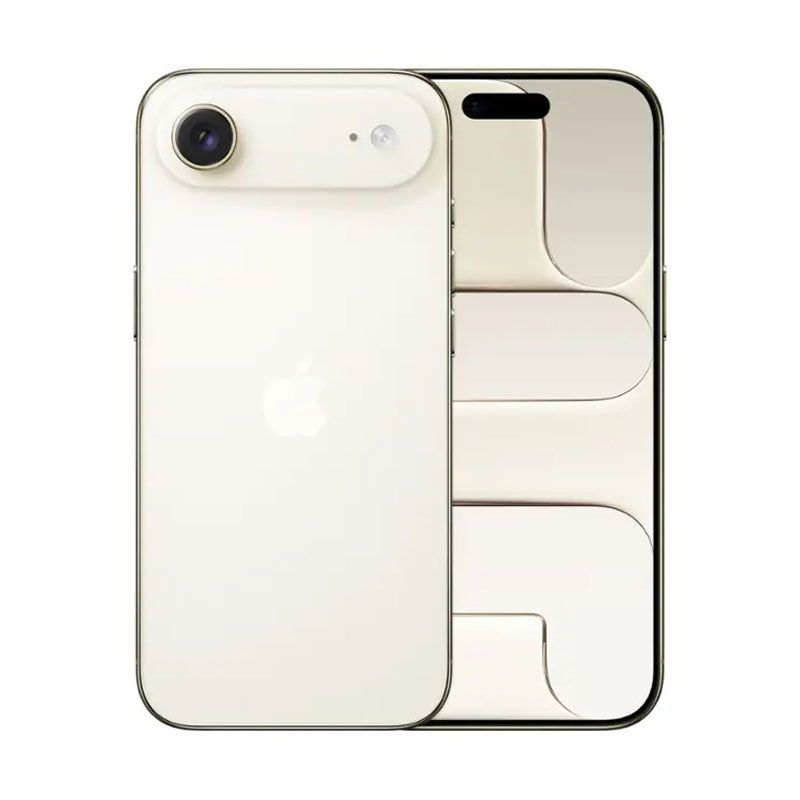
Following a week of strong pre-orders, reports from suppliers indicate Apple has already increased its production targets for the base iPhone 17 model. This move directly contrasts with earlier predictions that saw demand centered on the higher-end Pro models and the new iPhone Air.
This isn't just about a strong launch; it's about a fundamental shift in the market. The iPhone 17's early lead suggests that many consumers are no longer willing to pay a significant premium for the most advanced features.
The "Pro" Experience at a Standard Price
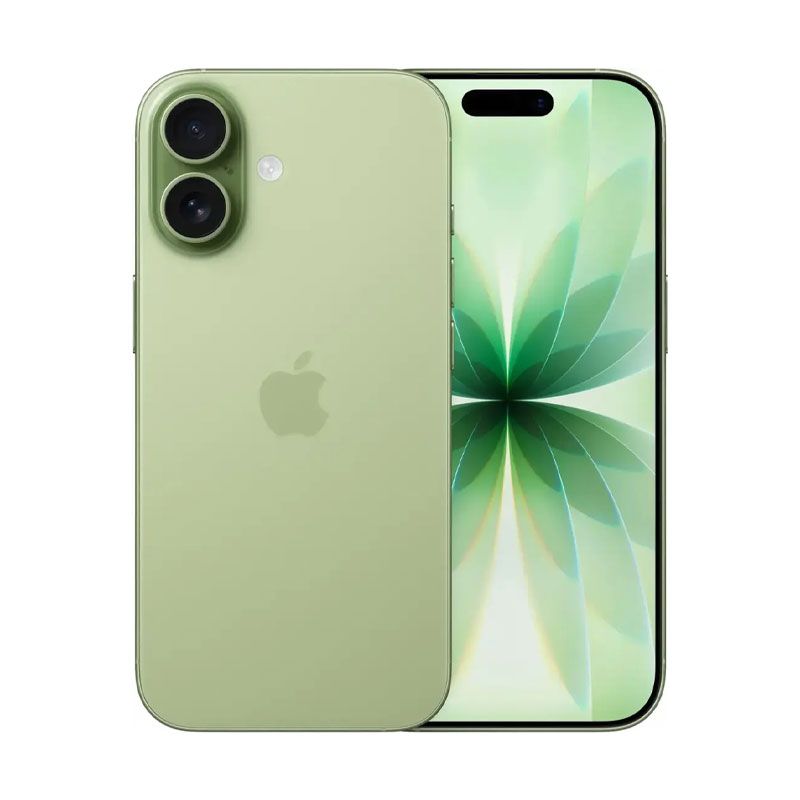
The primary reason for the iPhone 17’s success lies in its new feature set. For the first time, the base model includes features previously reserved for the Pro lineup, such as a ProMotion display and a more advanced camera system.
These upgrades have transformed the standard iPhone 17 into a "premium-lite" device. For a starting price of $799, consumers can now get a phone that feels and operates at a flagship level for their day-to-day use. This has created a compelling value proposition that has resonated with a broad audience.
The New Dilemma for the Pro and the Air
The success of the iPhone 17 puts the spotlight on the other models.
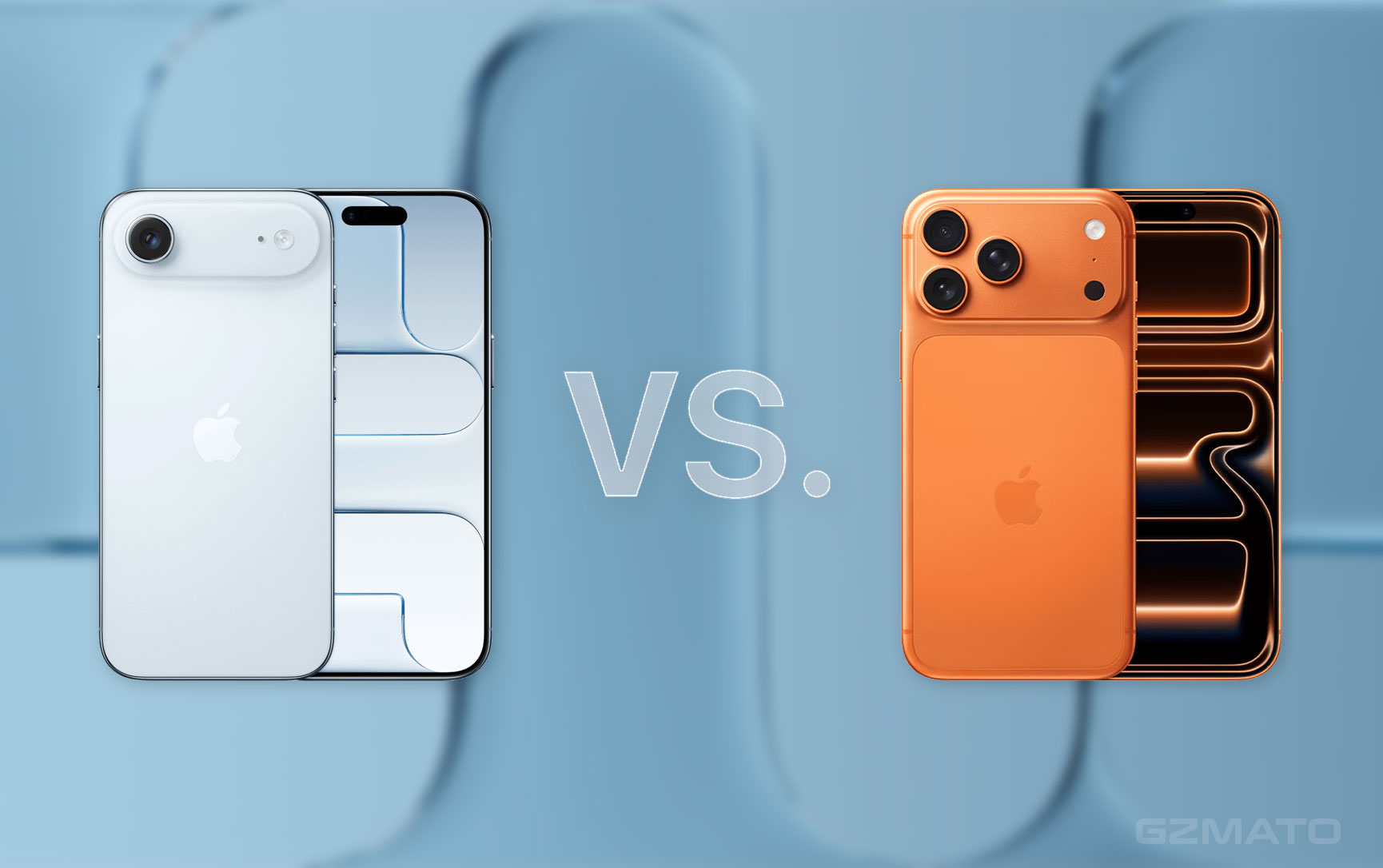
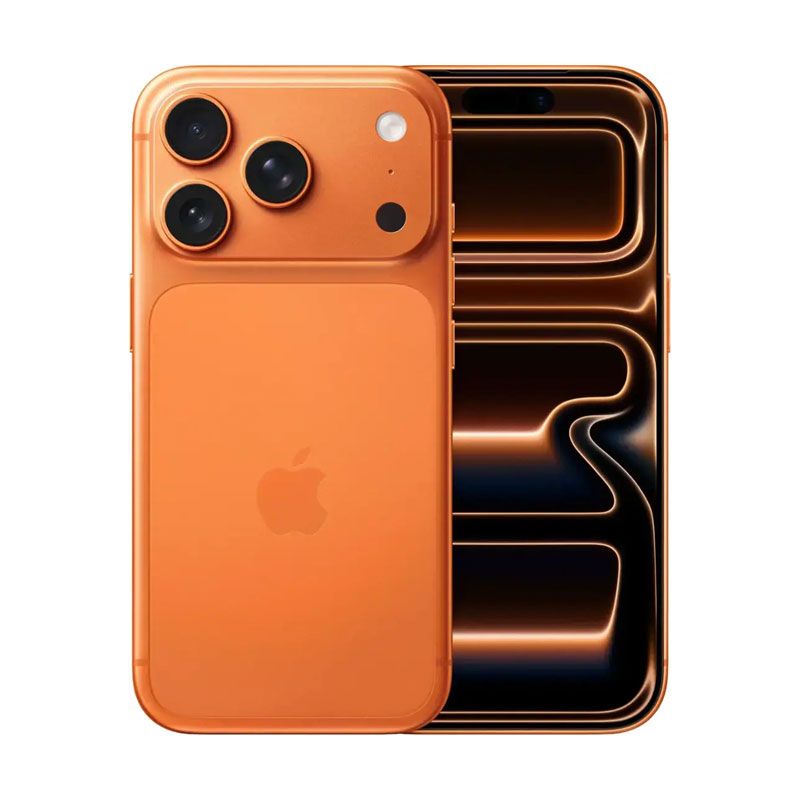
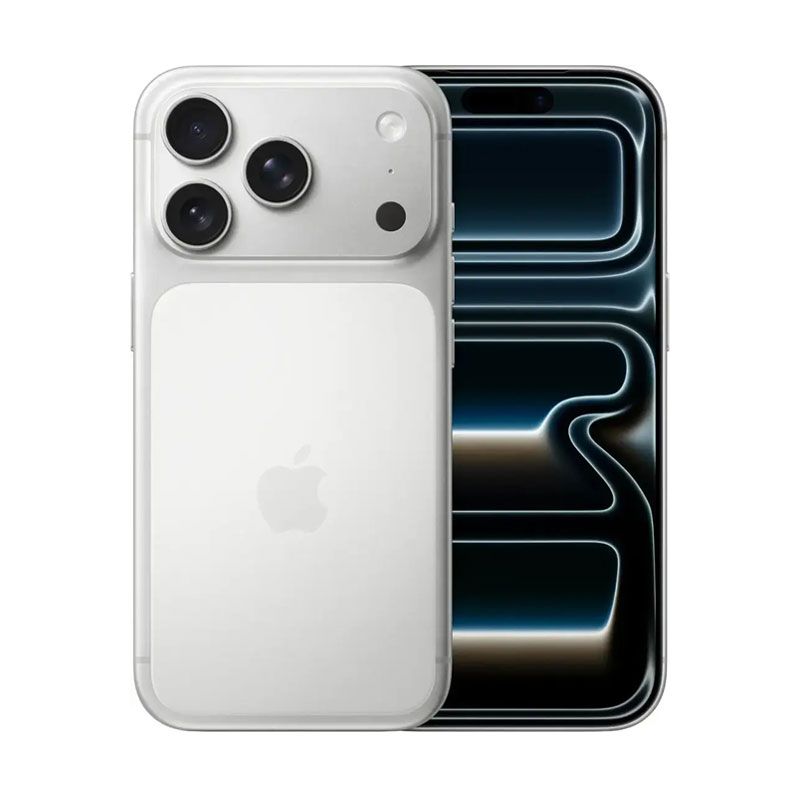
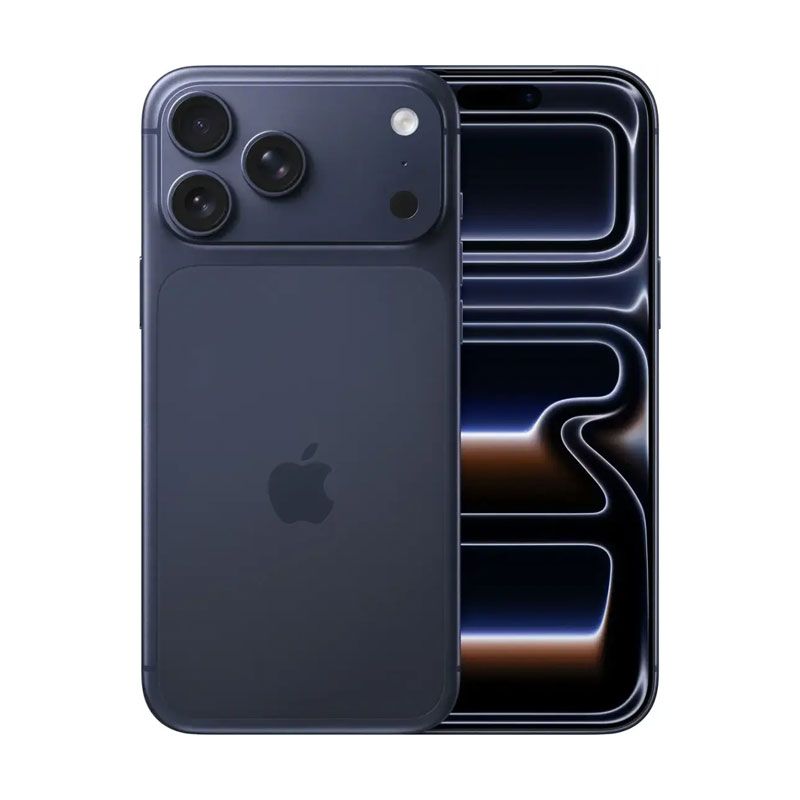
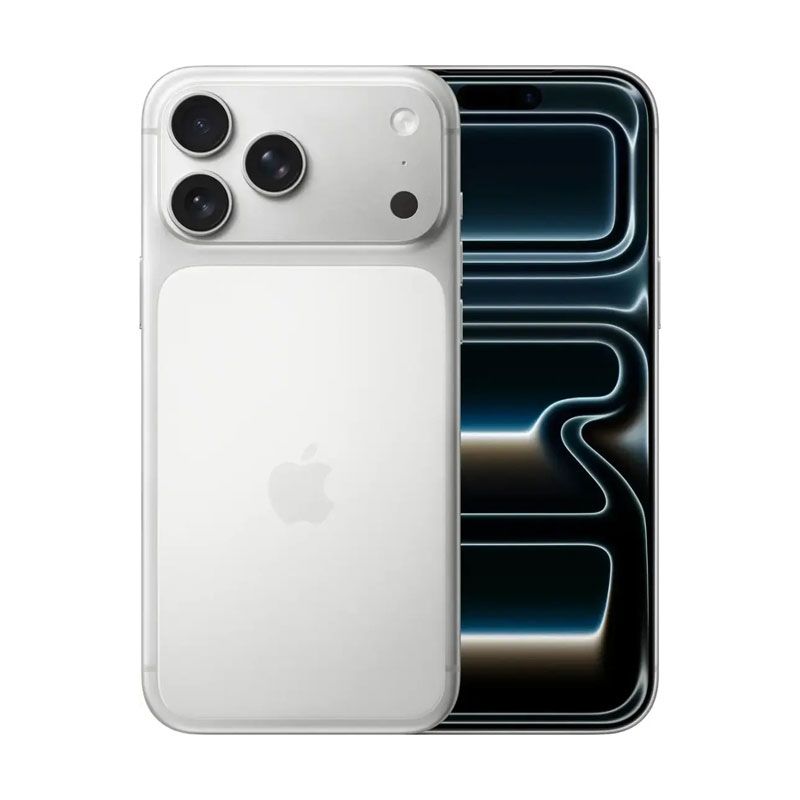
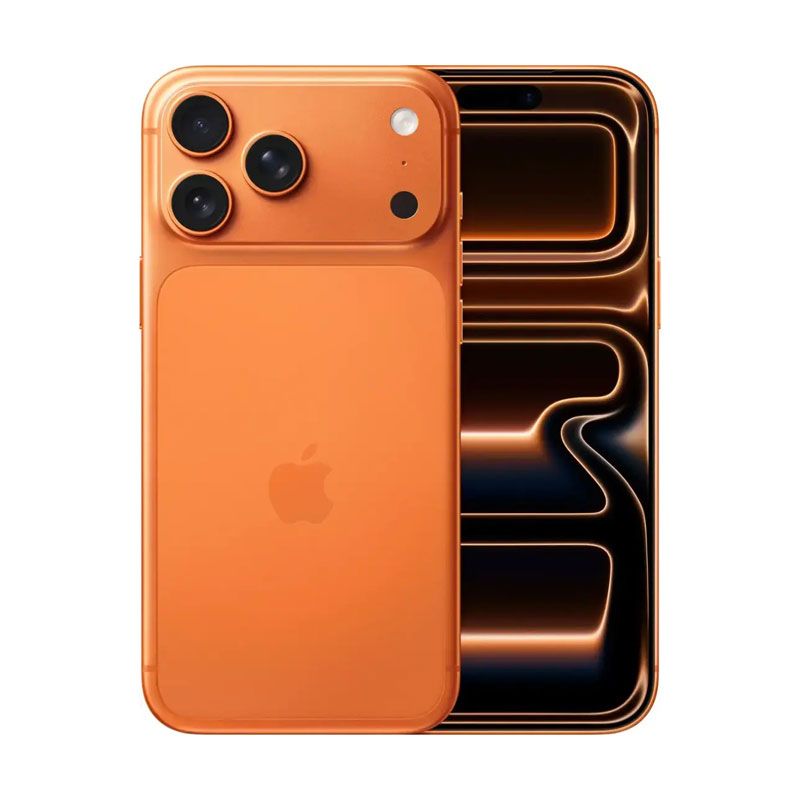
- The iPhone 17 Pro, with its powerful A19 Pro chip and 10x periscope lens, is undeniably a performance beast. However, for a user who mainly scrolls through social media and takes family photos, these features are increasingly seen as overkill, making the $1,099 price tag harder to justify.
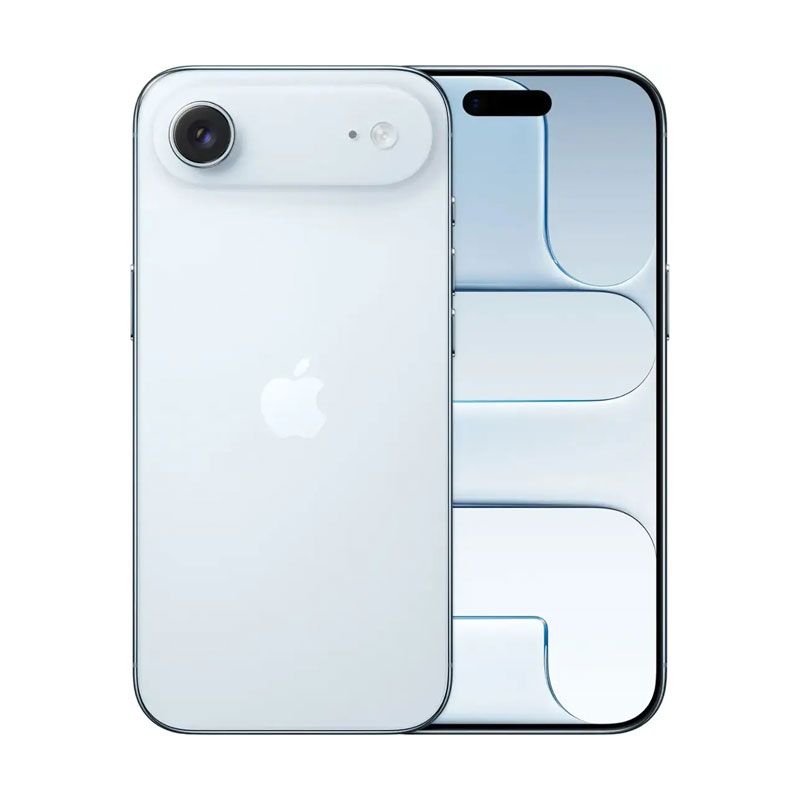
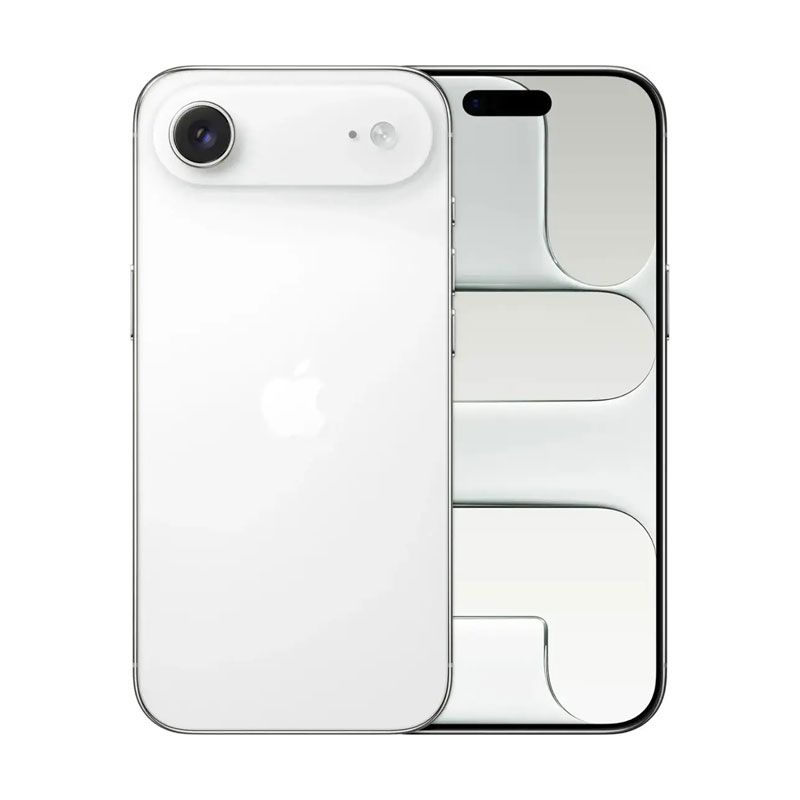
- The new iPhone Air, despite its beautiful design and the inclusion of the A19 Pro chip, also faces a challenge. Its premium price point, which places it close to the Pro lineup, and its trade-off in battery life for a thin form factor have made it a niche choice rather than the mass-market hit Apple might have hoped for.
This early market data suggests that Apple may need to rethink its strategy. In the future, the company may find itself in a product tier where "good enough" is now a very high-quality experience, and the most extreme features are a tough sell to the average consumer.

- iPhone 17 sales
- iPhone 17 Pro
- iPhone Air
- Apple production
- iPhone demand
- iPhone 17 review