Comparison: M1 Max vs. M4 Max — What Are the Differences?
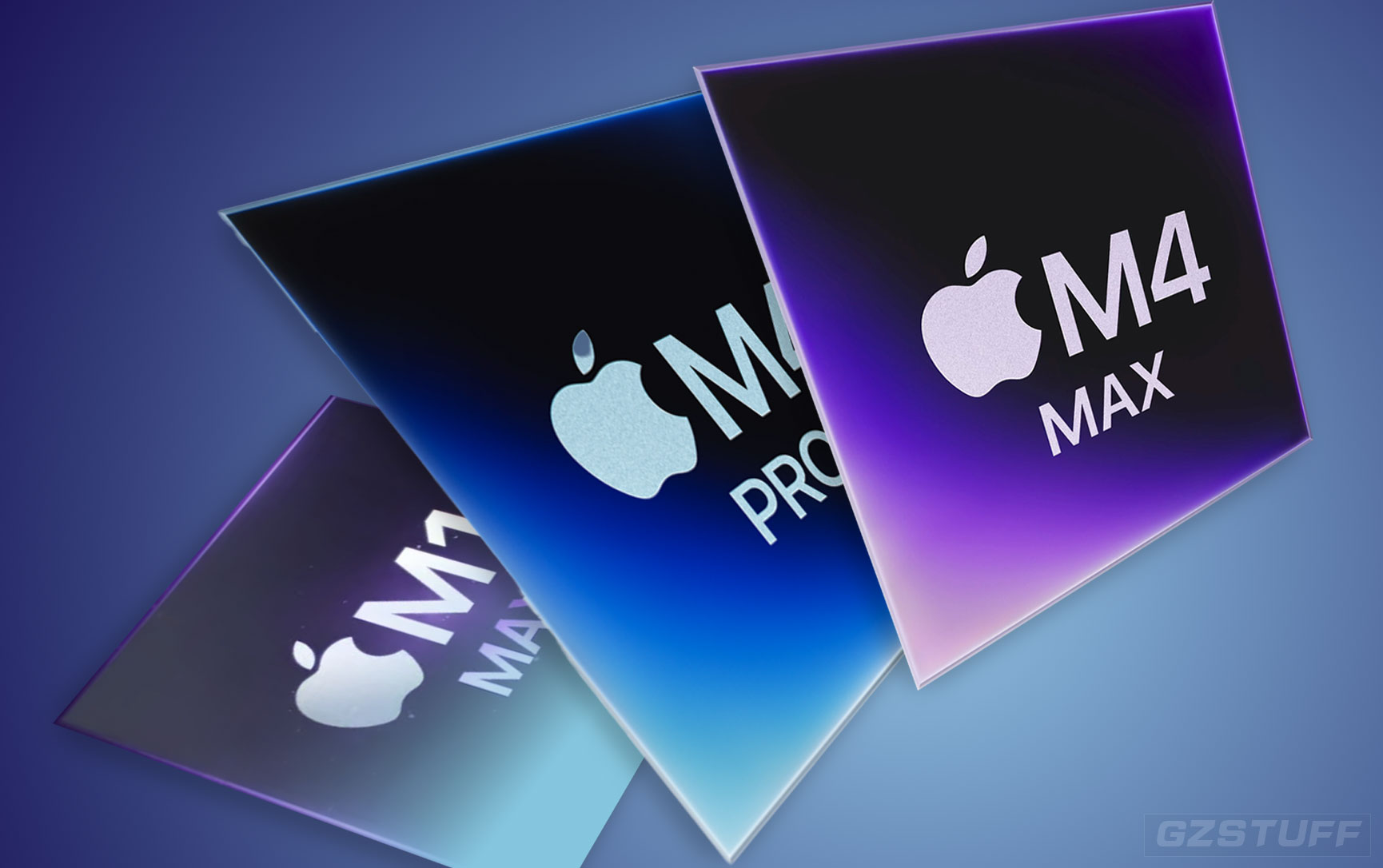
The differences between the M1 Max and M4 Max chips are primarily related to advancements in processing power, efficiency, graphics, and specific features tailored to newer workloads. While Apple has not officially disclosed all details for the M4 Max as of now, based on trends in Apple's chip development and the differences between previous generations (such as the M1 Max and M2 Max), we can make educated guesses about what the M4 Max will offer compared to the M1 Max.
Here’s a detailed comparison based on available information and industry trends:
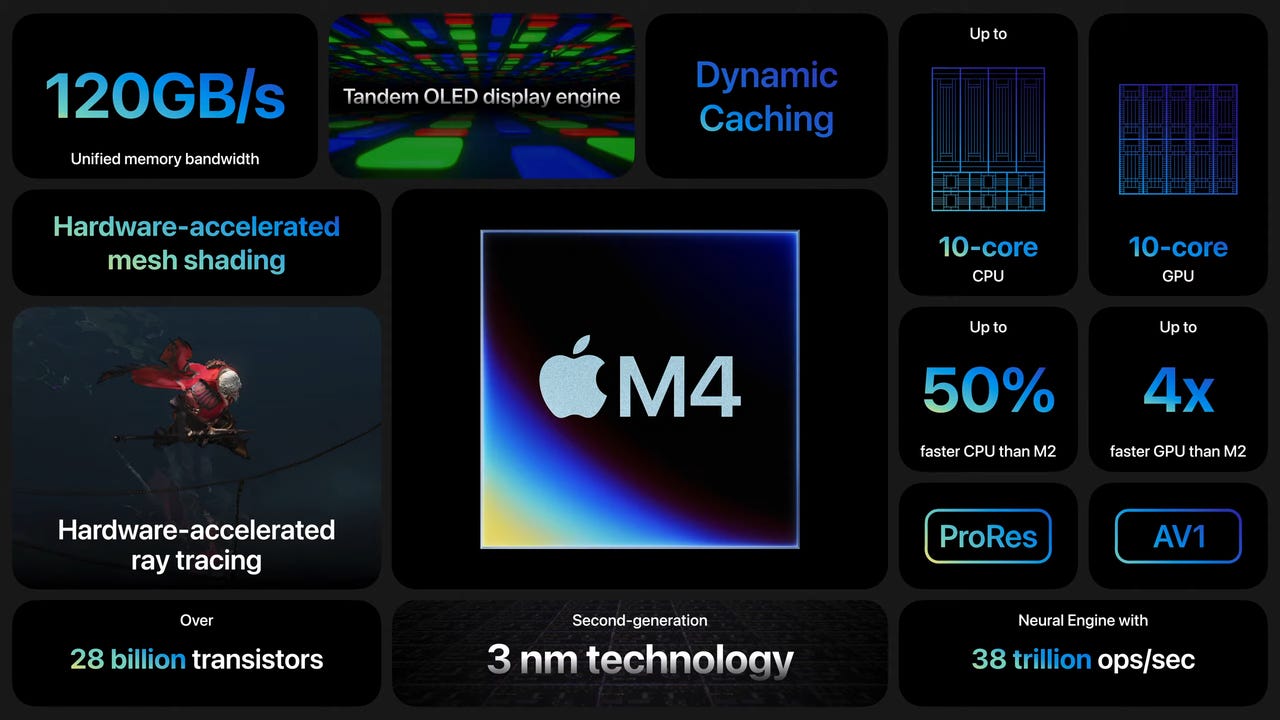
1. Performance (CPU and GPU)
M1 Max:
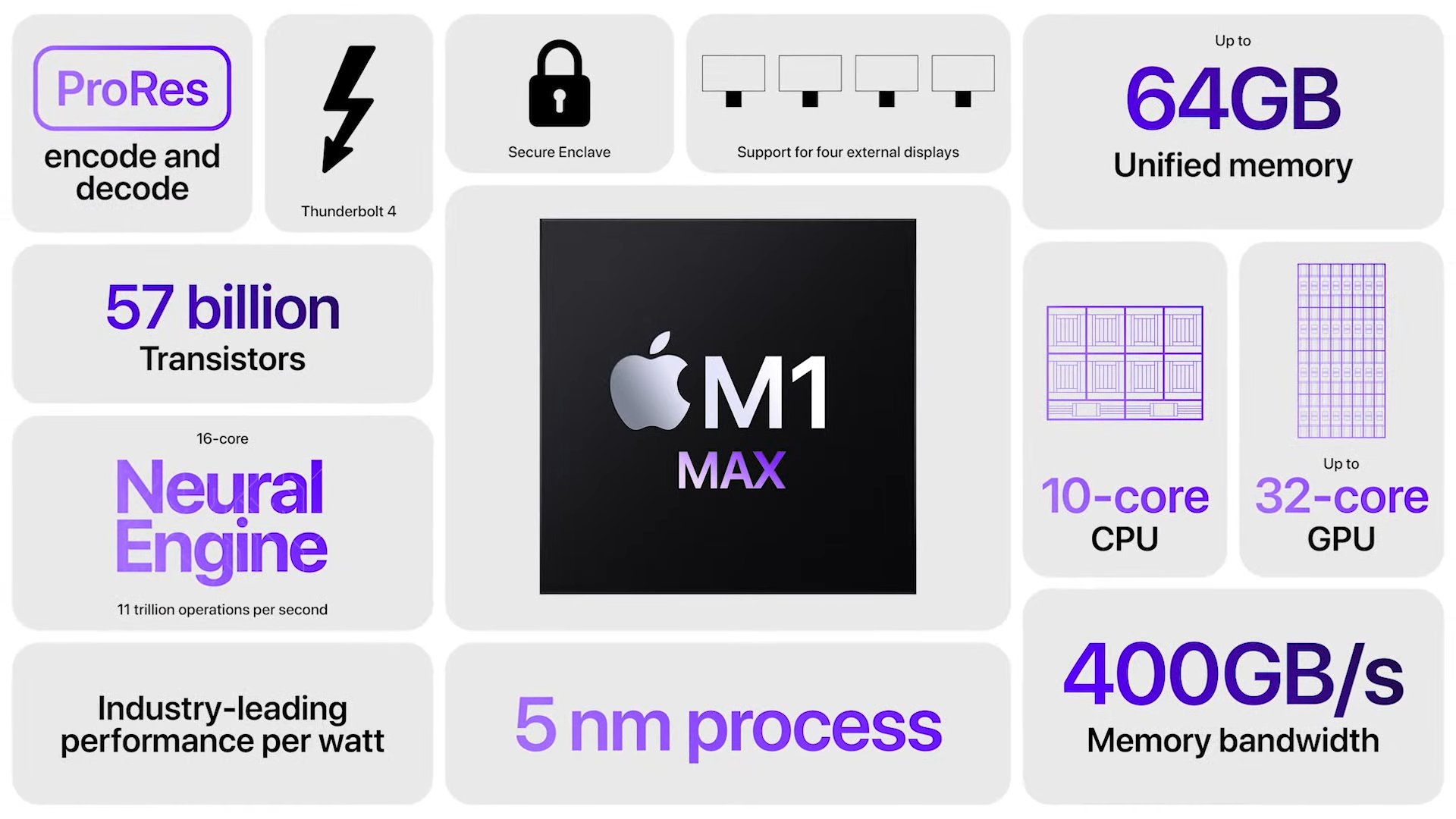
- CPU: The M1 Max features a 10-core CPU (8 performance cores and 2 efficiency cores). This was a huge leap over Intel-based Macs, offering substantial performance gains in single-threaded and multi-threaded tasks.
- GPU: The M1 Max has up to a 32-core GPU, providing excellent graphics performance for professional workloads like video editing, 3D rendering, and gaming.
M4 Max (Expected):
- CPU: The M4 Max will likely have a 12-core or higher CPU (with a higher number of performance cores). This would provide faster performance, particularly for multi-threaded tasks, as chip architectures tend to become more efficient with each generation.
- GPU: Expect the GPU to be further enhanced, potentially with up to 40 cores or more. This would translate to better graphics performance for tasks like machine learning, rendering, and gaming, along with better handling of more demanding workflows.
Overall difference: The M4 Max will likely be more powerful both in CPU and GPU performance, meaning faster app load times, smoother multitasking, and quicker rendering times. The jump in GPU cores can make a significant difference for creative professionals.
2. Power Efficiency
M1 Max:
- The M1 Max was already extremely power-efficient, benefiting from Apple’s ARM architecture and 5nm process. It delivered excellent performance per watt, contributing to long battery life.
M4 Max (Expected):
- With the M4 Max, Apple will likely continue to refine the 5nm or 3nm process technology, which could result in better power efficiency. The chip will probably deliver more performance with similar or improved battery life, thanks to optimizations in both CPU and GPU design.
3. Unified Memory (RAM)
M1 Max:
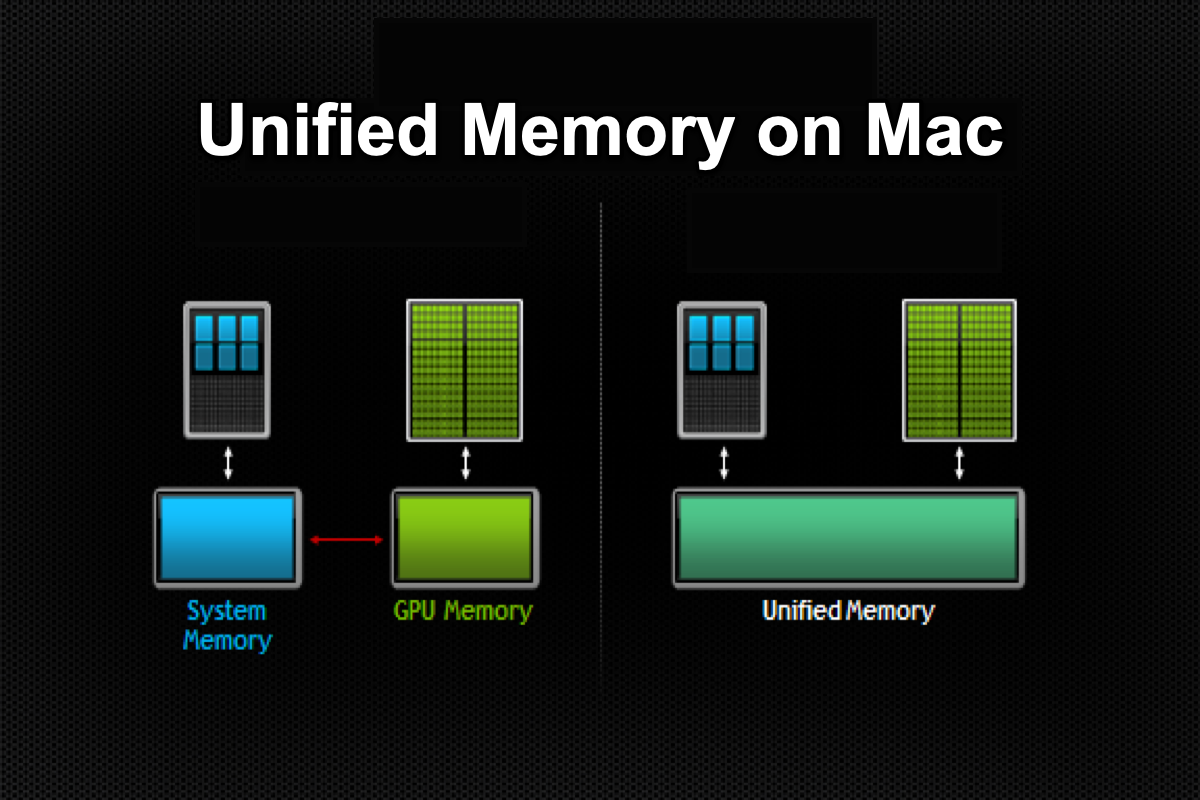
- The M1 Max supports up to 64GB of unified memory, which means that both the CPU and GPU share the same memory pool. This architecture allows for better performance when handling large data sets (e.g., in 3D rendering or video editing).
M4 Max (Expected):
- The M4 Max may support up to 128GB or more of unified memory. This would be a significant improvement, particularly for professionals working with extremely large data sets (e.g., high-resolution video or complex 3D models). More memory would allow for better multitasking and improved handling of large applications.
4. Neural Engine and Machine Learning
M1 Max:
- The M1 Max has a 16-core Neural Engine capable of performing 11 trillion operations per second. This is particularly useful for machine learning tasks, such as photo/video processing, natural language processing, and AI workloads.
M4 Max (Expected):
- The M4 Max will likely feature an improved Neural Engine, possibly with more cores and greater performance. We might see improvements in AI-driven tasks like image recognition, video enhancement, or AI-assisted design, though specific numbers would depend on the chip's final specs.
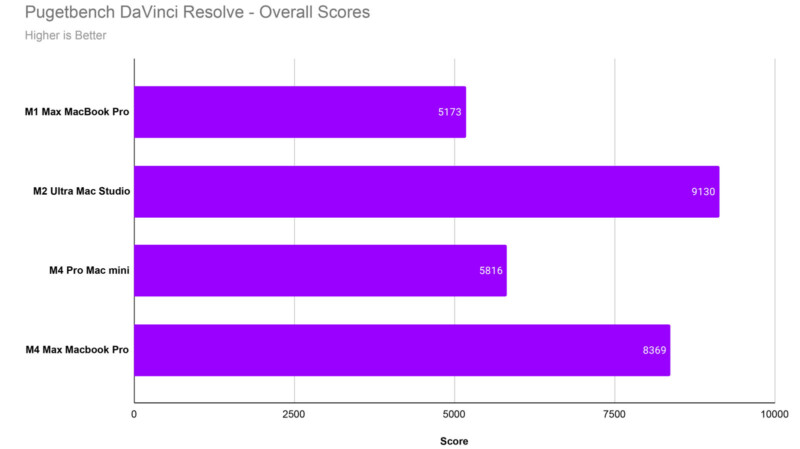
5. Graphics Performance (GPU)
M1 Max:
- As mentioned earlier, the M1 Max has up to 32 GPU cores, delivering powerful graphics performance for pro applications.
M4 Max (Expected):
- The M4 Max will likely push this further with 40 GPU cores or more, which would be a significant boost for GPU-intensive workflows. This could improve performance in areas like 3D rendering, video editing (e.g., ProRes encoding/decoding), and even gaming.
6. Support for New Technologies
M1 Max:
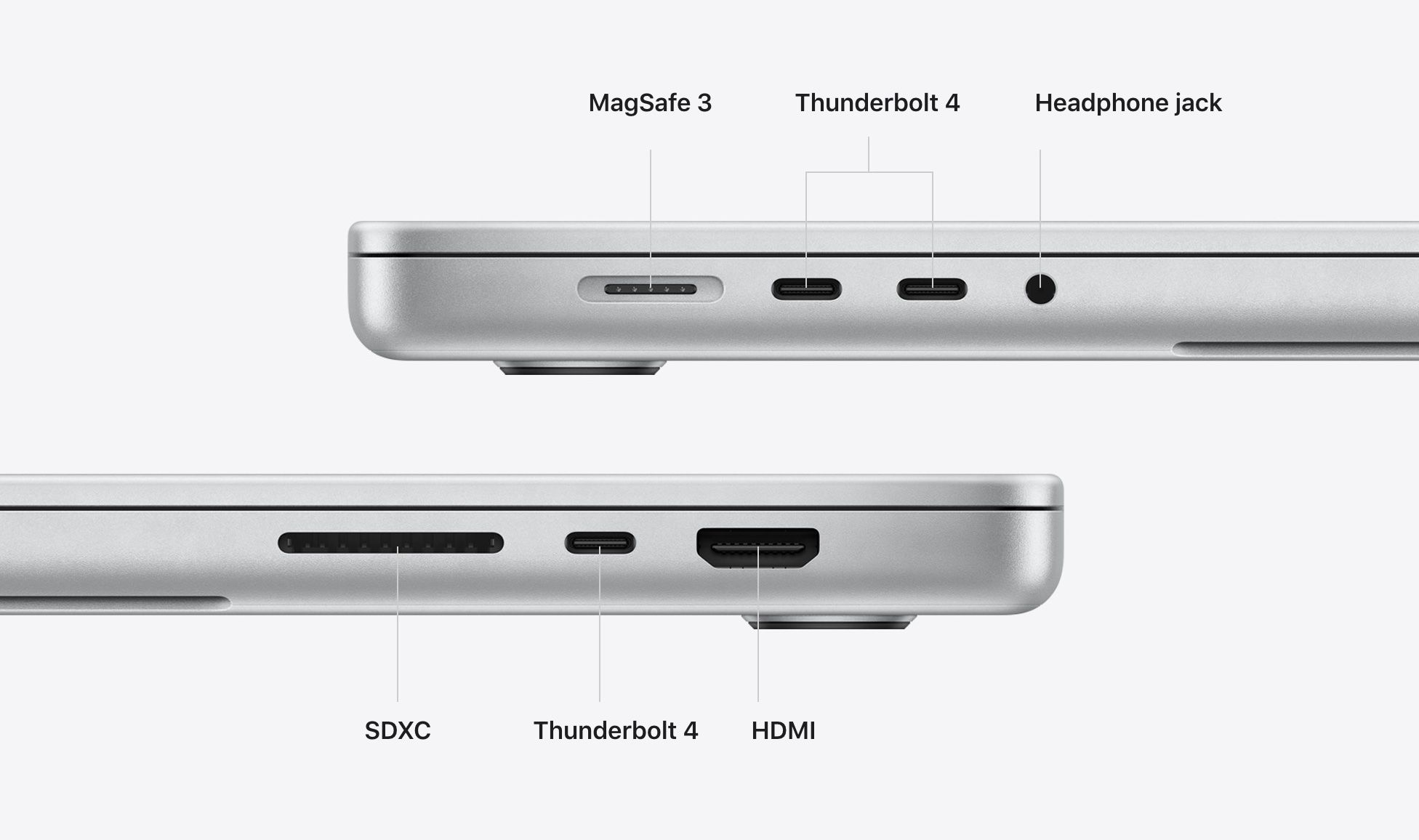
- The M1 Max supports Thunderbolt 4, Wi-Fi 6, and HDMI 2.0.
M4 Max (Expected):
- The M4 Max is expected to support newer technologies like Wi-Fi 6E (which provides better bandwidth and performance in congested areas) and Thunderbolt 5. It's also possible that it will support HDMI 2.1, which allows for higher display resolutions and refresh rates, particularly for external displays like 4K or 8K monitors.
7. Process Node and Fabrication Technology
- M1 Max: Built on a 5nm process.
- M4 Max (Expected): Likely to be based on a 3nm process, which could lead to better efficiency and performance in the same power envelope.
8. Price and Value Proposition
M1 Max:
- When released, the M1 Max MacBook Pro was priced competitively for the performance it offered, providing a good value for power users.
M4 Max (Expected):
- The M4 Max will probably come with a price premium, especially for higher RAM configurations (like 64GB or 128GB). While the M4 Max will deliver better performance, whether the value is worth the price upgrade will depend on your specific use case.
Summary of Key Differences:
| Feature | M1 Max | M4 Max |
| CPU Cores | 10 (8 performance, 2 efficiency) | 12+ cores, likely with more performance cores |
| GPU Cores | Up to 32 | 40+ cores (higher GPU performance) |
| Unified Memory | Up to 64GB | Up to 128GB or more |
| Neural Engine | 16-core Neural Engine (11 trillion ops) | More cores, better AI/ML performance |
| Battery Efficiency | Excellent power efficiency | Likely better efficiency (thanks to 3nm) |
| Memory Bandwidth | 400GB/s | Likely higher memory bandwidth |
| Fabrication Process | 5nm | Likely 3nm (for improved efficiency) |
| Connectivity | Thunderbolt 4, Wi-Fi 6, HDMI 2.0 | Thunderbolt 5, Wi-Fi 6E, HDMI 2.1 |


- M1 Max
- M4 Max
- Apple M1 Max
- Apple M4 Max
- MacBook Pro
- M1 Max vs M4 Max
- Apple chip comparison
- M1 Max features
- M4 Max features
- Apple M1
- MacBook upgrade
- performance comparison
- CPU GPU differences
- unified memory
- Apple silicon
- M1 Max review
- M4 Max review
- tech comparison