Projector Market 2026: Structural Transformation, Not Decline
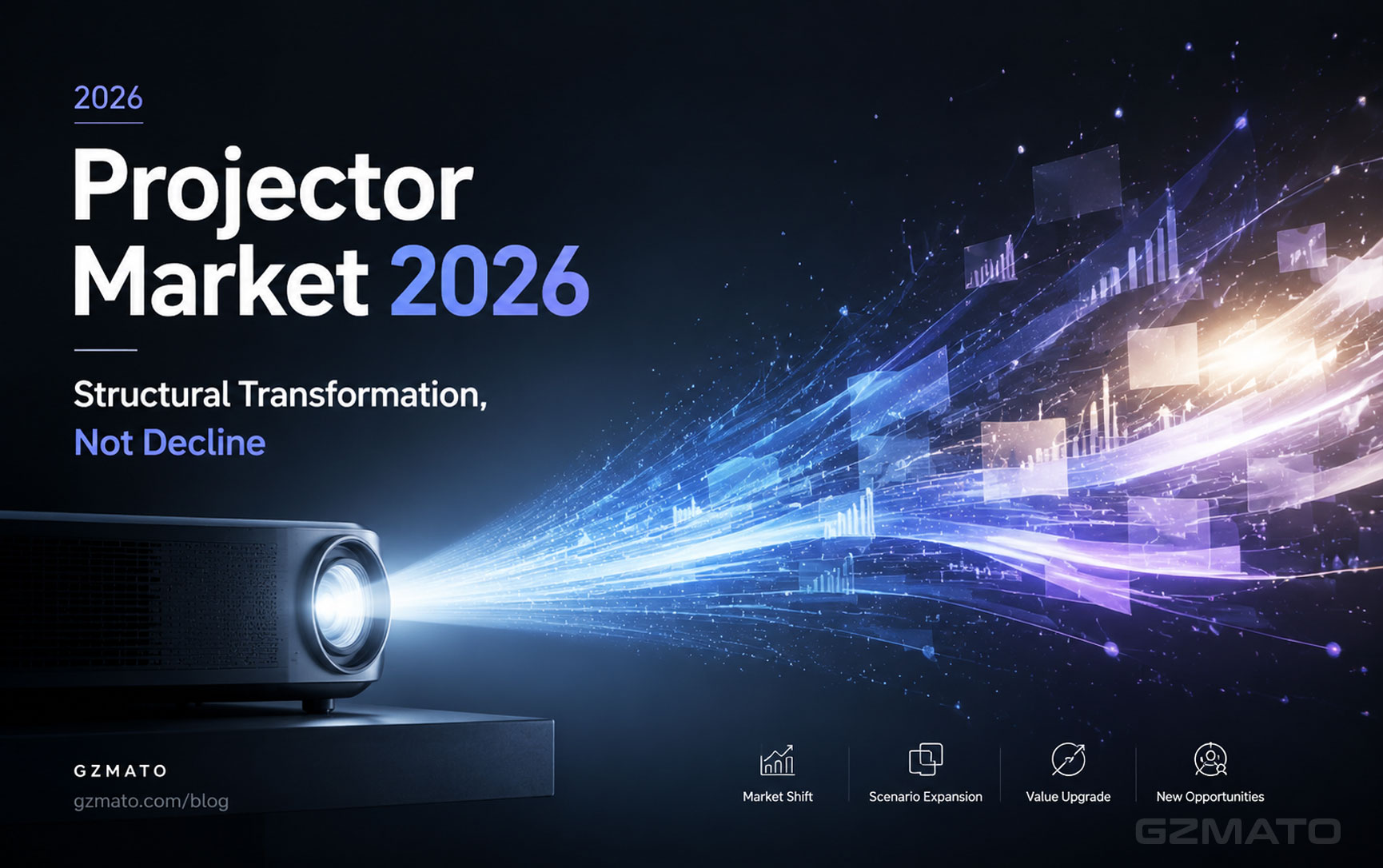
- Projector Market 2026: Structural Transformation, Not Decline
- Market Data: Volume Declines, Structure Optimizes
- The TV Factor: Competition and Differentiation
- Industry Consolidation: M&A and Reshuffling
- New National Standard: A Supply-Side Revolution
- The Second Curve: Commercial Projection and Smart Glasses
- Technology Trends: Laser, 1LCD, and 3LCoS
- Key Takeaways
Projector Market 2026: Structural Transformation, Not Decline
In the first half of 2026, China's projector market has undergone a profound structural transformation. According to RUNTO data, Q1 2026 smart projector sales (excluding laser TVs) reached 1.125 million units, down 21.4% year-on-year, with revenue falling 23.4% to 1.75 billion yuan [citation:1][citation:7].
However, this is not simply a market decline — it is a transition from "price-driven" to "value-driven" competition. The 0-499 yuan ultra-low-price segment shrank from 29% market share in 2024 to 23% in 2025, while the 500-999 yuan quality segment rose to become the dominant price tier at 31.8%. Meanwhile, the premium above-10,000 yuan segment saw unit sales double [citation:4].
As one industry analyst observed: "The projector market is leaving behind its 'low-price, TV-replacement' phase and entering an era of quality, differentiation, and scenario-specific solutions" [citation:4].
Market Data: Volume Declines, Structure Optimizes
Domestic Market: Volume Down, Structure Up
China's smart projector market (excluding laser TVs) has shown continued contraction:
- 2025 full-year: 5.203 million units, down 13.9%; revenue 8.36 billion yuan, down 16.5% [citation:4]
- Q1 2026: 1.125 million units, down 21.4%; revenue 1.75 billion yuan, down 23.4% [citation:1][citation:7]
Yet beneath these headline figures, the market structure is improving:
- 0-499 yuan segment: 29% in 2024 → 23% in 2025 [citation:4]
- 500-999 yuan segment: Rose to 31.8%, now the mainstream price tier [citation:4]
- Above 10,000 yuan: Unit sales doubled [citation:4]
Global Market: China Contracts, Overseas Grows
In 2025, global projector shipments reached 19.206 million units, down 4.8%, with revenue falling 9% to $8.44 billion [citation:3]. The decline was entirely driven by China (down 19.4%), while overseas markets grew 2.4% [citation:3].
North America reached 4.477 million units (+4.9%), and Western Europe reached 4.118 million units (+7.4%) [citation:6]. RUNTO projects global shipments will recover to approximately 20.15 million units in 2026, up about 5% [citation:6].
The TV Factor: Competition and Differentiation
Large-screen TV price reductions have created competitive pressure on the projector market, but industry analysts emphasize this is driving differentiation rather than replacement.
In February 2026, smart TV sales increased 10.6% year-on-year, while smart projector sales declined 26.2% [citation:2]. Mini LED TV sales grew 58.3% year-on-year [citation:2].
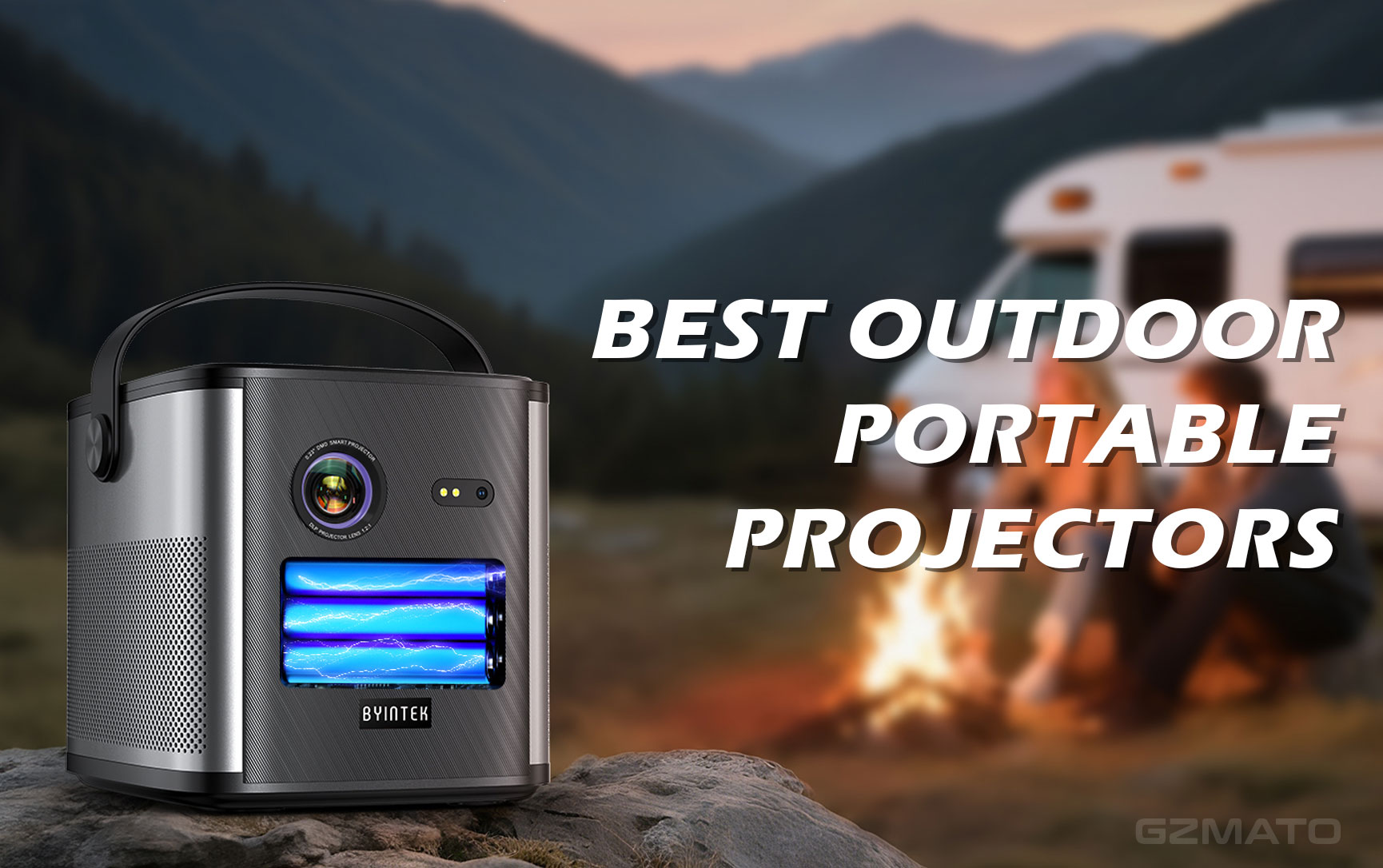
However, industry analysis notes that the current situation reflects a market transition, not a category collapse. Projectors are finding their own unique value propositions in scenarios where TVs cannot compete: mobile outdoor use, commercial applications, and ultra-large-screen home theater experiences [citation:4].
For consumers, this means a clearer distinction between product categories: TVs for fixed, high-brightness viewing; projectors for flexible, large-screen, and scenario-specific applications.
Industry Consolidation: M&A and Reshuffling
As the market contracts, industry consolidation is accelerating. Market concentration CR4 reached 48.1% in Q1 2026, up 4 percentage points year-on-year [citation:1].
Major consolidation moves in 2026 include:
- TCL CSOT acquired a 56% stake in Chuangke Optoelectronics, gaining control of its projection optical engine capabilities and building a "screen + optical engine" display ecosystem [citation:1]
- Zhongshan Union Optoelectronics acquired 13.62% of Firele Technology (parent of the Nut brand) for 180 million yuan [citation:1]
Analysts view this as a transition from "terminal brand competition" to integrated "brand + optical engine + supply chain + display technology" competition [citation:1]. Financially stable companies are expected to strengthen their supply chain positions through consolidation [citation:5].
New National Standard: A Supply-Side Revolution
On July 1, 2026, new national standard GB 32028-2025 takes effect — a comprehensive update to the previous 2015 standard [citation:4].
Key provisions:
- Covers all light sources (mercury, laser, LED) and all display technologies (LCD, DLP, LCOS) [citation:4]
- Eliminates the "energy-saving rating" concept in favor of stricter tiered requirements [citation:4]
- Updated test methods to prevent parameter inflation [citation:4]
Products that fail to meet the new standards will be phased out after July 1, 2026 [citation:4]. This is described by industry observers as a "supply-side revolution" and the industry's "coming-of-age ceremony" [citation:4].
The regulation is expected to accelerate the exit of inefficient products and reward brands that invest in high-efficiency laser and LED technologies.
The Second Curve: Commercial Projection and Smart Glasses
Leading projector brands are looking beyond home entertainment for growth.
Commercial Projection
XGIMI is accelerating its transformation from a home projection leader to a commercial projection solutions provider [citation:1]. In April 2026, the company announced a "full-series three-color laser strategy," with commercial products ranging from 5,000 to 60,000 lumens [citation:5].
Smart Glasses
XGIMI, Appotronics, and OBIGO have all announced AR/AI glasses products, leveraging their optical expertise [citation:4]. However, industry observers note that the AR/AI glasses market is highly competitive, with players including Huawei, Xiaomi, Alibaba, Meta, and Google [citation:4]. Some AI glasses reportedly have return rates as high as 30% due to limited functionality and poor user experience [citation:4].
For projector brands, the challenge is building capabilities beyond optics — including AI algorithms, chip adaptation, operating systems, and ecosystem development — where they have limited experience [citation:4].
Technology Trends: Laser, 1LCD, and 3LCoS
Light Source: Laser Acceleration
LED remains the dominant light source at nearly 80% market share [citation:6]. However, laser is the fastest-growing segment:
- 2025 laser projector shipments: 2.308 million units (+3.7%) [citation:6]
- 2026 projected: 2.662 million units (+15.3%) [citation:6]
Three-color laser now accounts for 95% of home laser projectors [citation:4]. The EU mercury ban (effective January 2026) is accelerating the phase-out of lamp-based projectors, which fell to 1.669 million units in 2025 (-23.1%) [citation:6].
Display Technology: 1LCD Dominates, 3LCoS Arrives
1LCD remains the mainstream technology at 70.9% global market share, with DLP at 20.4% [citation:6]. Industry observers note that 1LCD continues to upgrade in panel specifications and cooling technology [citation:6].
A new domestic 3LCoS solution from HiSilicon is expected to launch in Q3 2026, potentially reshaping the premium display landscape [citation:6].
Key Takeaways
| # | Key Takeaway |
|---|---|
| 1 | China market contracting but structurally improving — Q1 2026 sales down 21.4%, but low-end segment shrinking while premium segment doubles [citation:1][citation:4]. |
| 2 | Global market recovering — Projected 20.15 million units in 2026, driven by EU regulations, World Cup demand, and education spending [citation:6]. |
| 3 | New energy standard takes effect July 1, 2026 — GB 32028-2025 will phase out inefficient products and accelerate consolidation [citation:4]. |
| 4 | Laser is the fastest-growing segment — Projected 15.3% growth in 2026, moving into mid-range price points [citation:6]. |
| 5 | Industry consolidation accelerating — CR4 reached 48.1%; TCL CSOT and Union Optoelectronics made strategic acquisitions [citation:1]. |
| 6 | Commercial and smart glasses as second curves — XGIMI expanding into commercial projection; multiple brands entering AR/AI glasses [citation:1][citation:4]. |
- RUNTO (洛图科技) — China and global projector market data, technology trends, and forecasts
- Dongfang Securities / 东方证券 — Industry consolidation analysis and M&A tracking
- China Household Electric Appliance Research Institute / 中国家电网 — New national standard analysis and industry commentary
- Lei Technology / 雷科技 — Consumer behavior and competitive dynamics analysis
Projectors | Screens | Soundbars | HDMI Cables | Mounts | Smart Home Devices
Special Offer: Use code TECH2026 for discount on your first order!
Shop Now at Gzmato →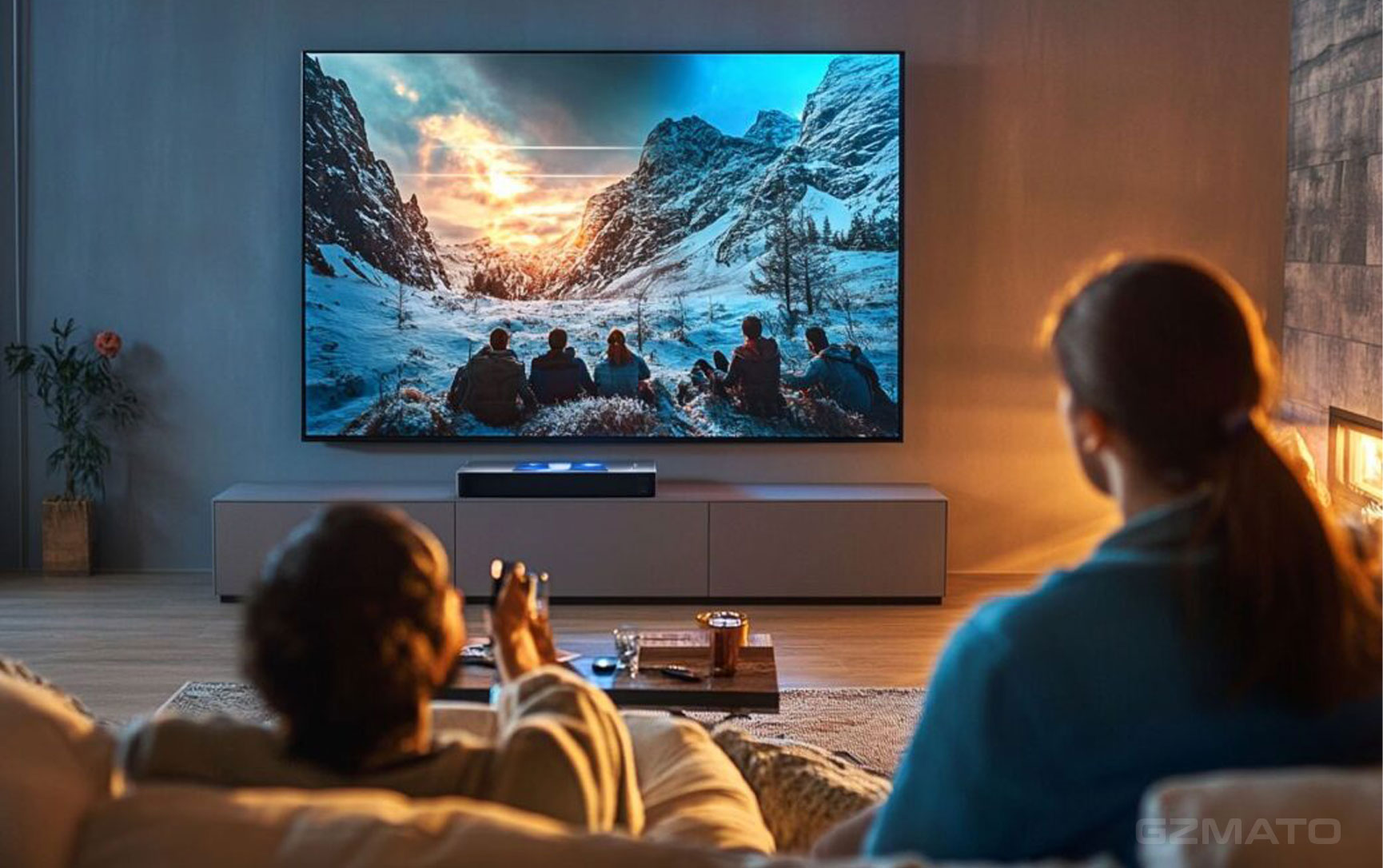
- projector market 2026
- smart projector trends
- laser projector
- home theater projector
- 1LCD vs DLP
- projector buying guide