
How to Spot and Avoid Deepfake Scams Protect Your Identity in the AI Age
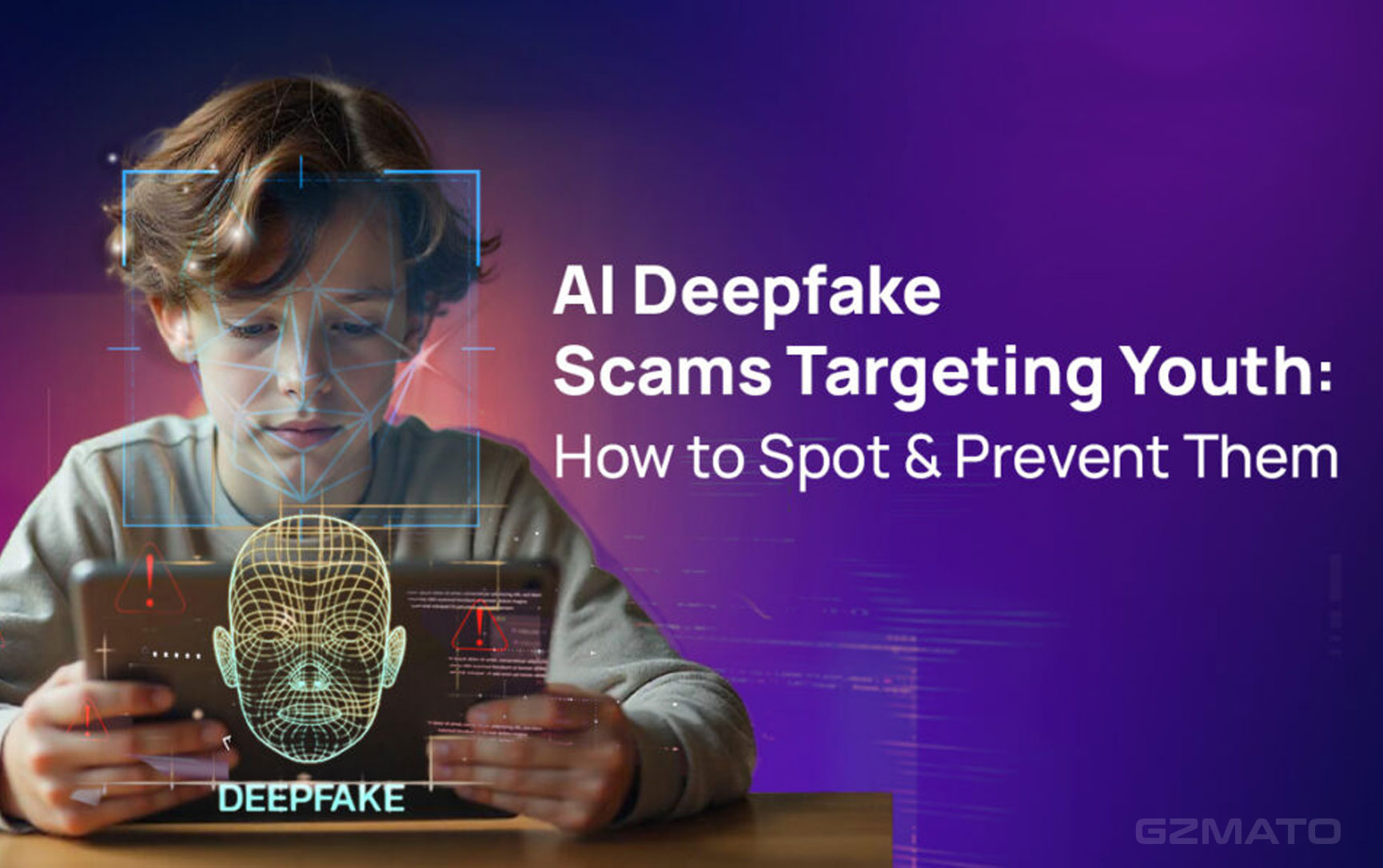
In 2025, deepfake scams cost victims over $200 million—and the number is rising. Scammers use AI to clone voices and faces, impersonating family, bosses, or banks. A fake video call from “your son” begging for money? It’s not him. This guide shows you how to spot deepfakes in under 60 seconds and protect yourself—no tech degree needed.
Let’s fight back.
The Core Crisis: Why Deepfakes Are the #1 Threat in 2025
| Scam Type | How It Works | Real-World Impact |
|---|---|---|
| Voice Cloning | AI recreates a voice from a 3-second clip | “Grandma, I’m in jail—send $2,000” |
| Video Face-Swap | Swaps a face in a real-time Zoom call | Fake CEO approves a wire transfer |
| Audio Deepfake | Fake voicemail from “your bank” | Tricks you into sharing an OTP |
Deep Warning: 1 in 3 people cannot tell a deepfake from real—don’t be the next victim.
The 60-Second Test: How to Spot a Deepfake Like a Detective
1. Look for Visual Glitches
- Unnatural blinking (too fast or too slow).
- Blurry or flickering mouth/face edges.
- Lighting mismatch (face too bright or too dark).
- Weird shadows or missing skin texture.
2. Listen for Audio Clues
- Robotic tone or flat emotion.
- Background noise mismatch with the environment.
- Pauses in the wrong places.
3. Test with a Live Check
- Ask a question only the real person knows.
- Request a live action: “Wave your left hand.”
- Call back on a trusted number for verification.
Pro Tip: Deepfakes cannot react in real-time to unexpected or improvised actions.
Free Deepfake Detection Tools (No Installation Needed)
1. Hive Moderation (Web)
Link: thehive.ai
Upload video/audio → Get an AI fraud score in seconds.
2. InVID Verification (Browser Extension)
Link: Chrome/Firefox Web Store
Right-click any video → “Verify with InVID” → See frame-by-frame analysis.
3. Microsoft Video Authenticator
Link: microsoft.com/video-authenticator
Paste video URL → Instant deepfake confidence score.
Daily Self-Protection Strategy (Five-Step Defense)
- Never share voice/video publicly — delete old TikToks/Reels.
- Enable 2FA everywhere — even on WhatsApp.
- Use a family code word for emergencies.
- Freeze your credit if you suspect identity theft.
- Report scams to FTC.gov or your local cyber police.
Golden Rule: If it’s urgent and involves money—verify offline first.
Case Study: How One Family Avoided a $10,000 Scam
A mother received a tearful call: “Mom, I’m arrested—need bail money!”
She calmly asked: “What did we eat last Christmas?”
The scammer hung up. The deepfake failed the memory test.
Final Verdict: You Are the Best Firewall
AI is powerful, but human skepticism wins. Train your brain to question urgency, verify identity, and use free tools. In 2025, protecting your identity isn’t about tech—it’s about thinking like a detective.
Important Disclaimer: This guide is for educational purposes. Always verify suspicious content through official channels. If you’ve been scammed, contact your bank and local authorities immediately.



- deepfake scams
- spot deepfakes
- AI fraud protection
- deepfake detection
- avoid video scams
- identity protection 2025











Community Callout:
Have you seen a suspicious call or video? Share your story below—help others stay safe!
Let’s build a scam-proof community!