
Samsung's Exynos 2600: The 2nm Chip Revolution and What It Means for Mobile AI in 2025
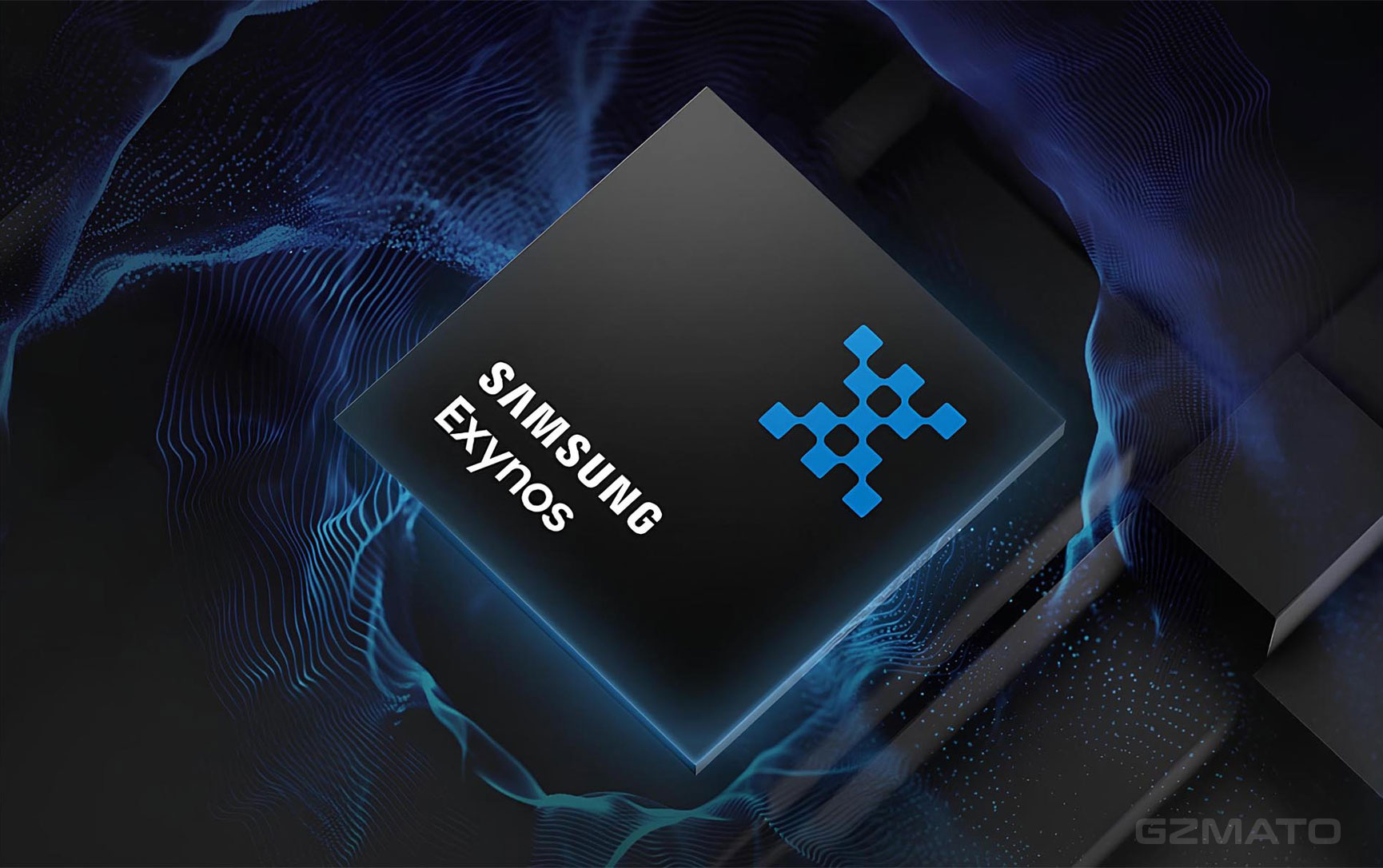
Samsung just pulled back the curtain on its next-gen powerhouse: the Exynos 2600, a 2nm chip using Gate-All-Around (GAA) transistors that's set to redefine smartphone performance. Unveiled on November 7, 2025, the processor promises up to 30% better thermal efficiency and power savings, thanks to its innovative "Heat Pass Block" packaging. This isn't just incremental—it's a leap that could make mid-range phones run like flagships, especially for AI workloads.
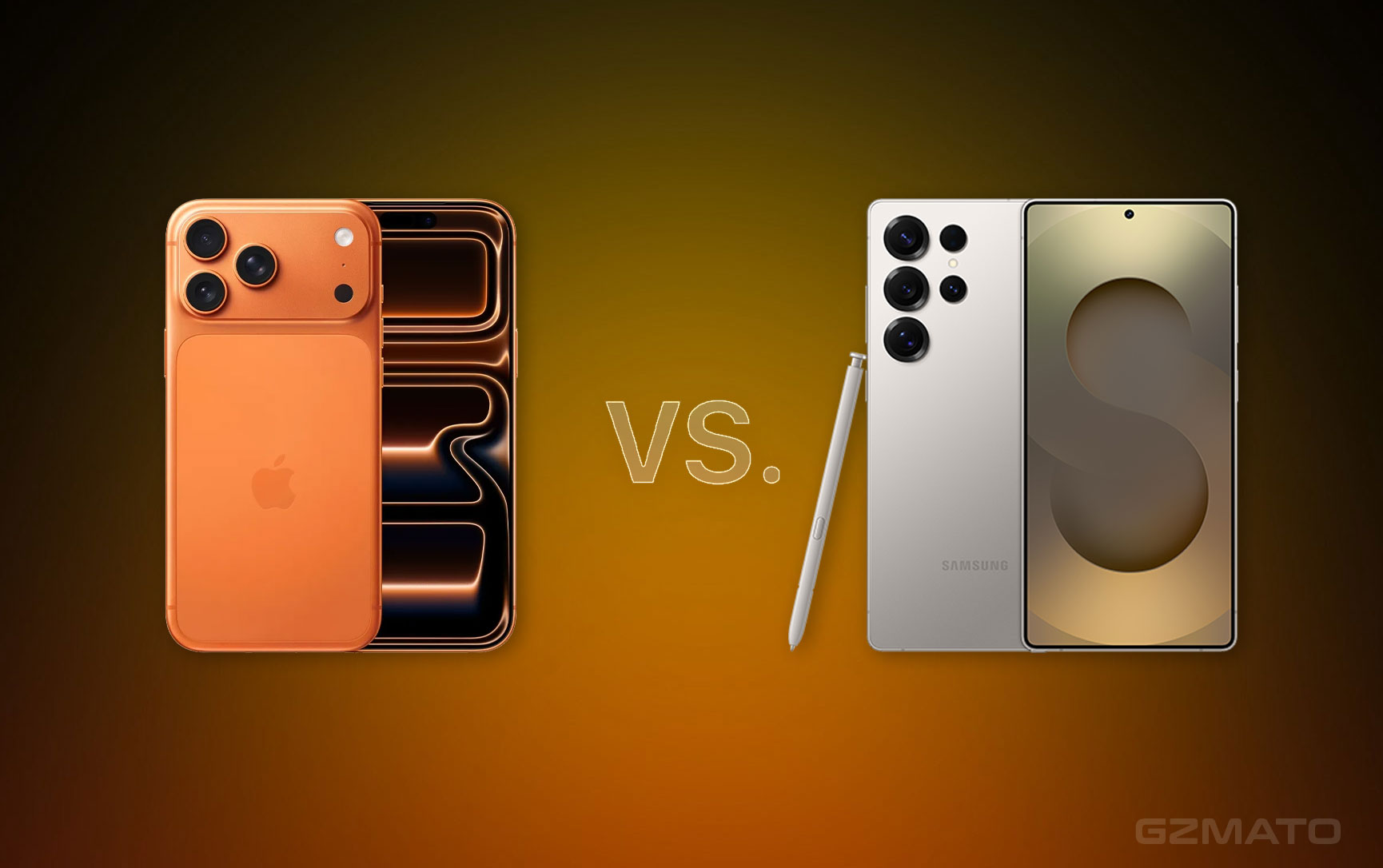
The Exynos 2600 builds on Samsung's 3nm tech from last year but shrinks to 2nm, packing more transistors into less space for faster speeds and lower heat. Early benchmarks (leaked via Tech Startups) show it outperforming Qualcomm's Snapdragon 8 Gen 4 in multi-core tasks by 15%, while sipping 20% less battery. Samsung's timing is spot-on: with AI agents like Google's Gemini demanding more compute, this chip could level the playing field against Apple's A-series dominance.
The Tech Breakdown: GAA and Heat Pass Block Explained
GAA transistors wrap the gate around the channel like a sleeve, reducing leakage and boosting efficiency—key for 2025's always-on AI features (think real-time translation or photo editing). The Heat Pass Block? It's Samsung's secret sauce: a multi-layer packaging that dissipates heat 30% faster, preventing throttling during gaming or video calls.
| Feature | Exynos 2600 (2nm GAA) | Snapdragon 8 Gen 4 (3nm) | A19 Pro (2nm?) |
|---|---|---|---|
| Node Size | 2nm | 3nm | 2nm (rumored) |
| Thermal Efficiency | 30% better (Heat Pass) | Standard | 25% better |
| AI Performance | 40 TOPS NPU | 45 TOPS | 38 TOPS |
| Power Savings | 20% lower draw | 15% | 18% |
Data from Samsung's announcement and early leaks via Tech Startups. Expect it in Galaxy S26 or foldables by mid-2026.
Why This Matters for You and the Industry
For consumers: Cheaper, cooler phones with AI that doesn't drain battery. Mid-range models could get pro-level camera AI or voice assistants without premium prices. Developers? Samsung's ARM-based design means easier porting from Android ecosystem, accelerating app innovation.
Industry ripple: TSMC (Apple's foundry) faces pressure—Samsung's 2nm yield is reportedly 70%, closing the gap. Qualcomm might accelerate its own 2nm push, while Chinese firms like SMIC eye export bans. Globally, this fuels the "AI everywhere" trend, but raises e-waste concerns as older chips get obsolete faster.
Samsung's move echoes Nvidia's CUDA dominance: control the silicon, control the future. CEO Jun Young-hyun called it "the foundation for next-gen mobile experiences," hinting at AR/VR integrations.
What We Thought: The Mobile AI Tipping Point
Exynos 2600 isn't just a chip—it's Samsung's bid to reclaim mobile throne from Apple. We're excited: 2nm efficiency could make AI truly ubiquitous, from on-device translation to predictive health. But watch supply chains—global chip shortages linger.
Note: Benchmarks are early leaks; final performance may vary. Official rollout expected Q2 2026.


- Exynos 2600
- 2nm GAA transistor
- Samsung chip 2025
- mobile AI processor
- Heat Pass Block
- Snapdragon vs Exynos











What do you think?
Game-changer or incremental? Share in comments!