How to Brew Sanhe (三鹤) Liupao Tea: A Complete Guide for Tea Lovers & Distributors
- Quick Start: 30-Second Brewing Guide
- 4 Brewing Methods at a Glance
- Method 1: Gongfu Cha (Best for Flavor)
- Method 2: Boiling (Best for Aged Tea)
- Method 3: Thermos / Grandpa Style
- Method 4: Gravity Steeper
- 4 Common Mistakes and Quick Fixes
- Awakening Aged Liupao (Xing Cha)
- Tasting Guide: Color, Aroma, Flavor
- Recommended Sanhe Liupao for Brewing
- FAQ
Quick Start: 30-Second Brewing Guide
Do not have time to read the full guide? Here is what you need to know:
| Parameter | Recommendation |
|---|---|
| Water Temperature | 100°C (212°F) — fully boiling, no exceptions |
| Tea-to-Water Ratio | 5-7g per 100-120ml (approximately 1:20) |
| Rinse | Two rinses: 5 seconds + 10-15 seconds |
| First Steep | 10-15 seconds |
| Total Infusions | 8-15+ steeps |
| Best Teaware | Yixing Zisha, Nixing Tao, or porcelain gaiwan |
4 Brewing Methods at a Glance
Choose the method that fits your moment:
| Method | Best For | Tea Amount | Water | Steep Time | Flavor Profile |
|---|---|---|---|---|---|
| Gongfu | Flavor exploration | 5-7g | 100°C | 10-60s | Full complexity, layered |
| Boiling | Aged tea, depth | Used leaves | 100°C | 3-5 min | Thick, smooth, medicinal |
| Thermos | Office, travel | 3-4g | 100°C | 30-60 min | Smooth, consistent |
| Gravity Steeper | Beginners, office | 5-7g | 100°C | 10-60s | Clean, easy |
Method 1: Gongfu Cha — The Gold Standard
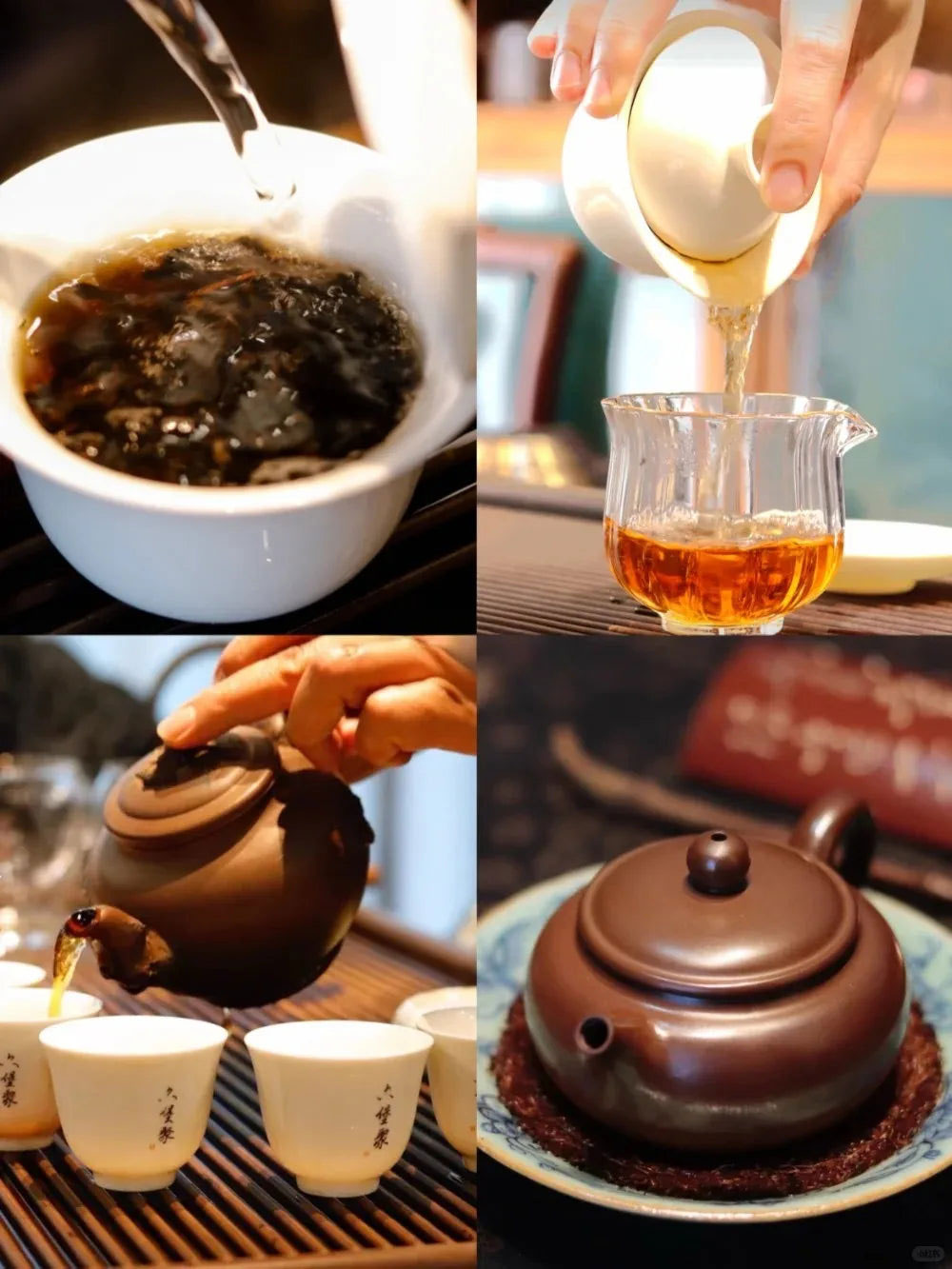
Gongfu brewing extracts every layer of flavor, letting you experience how Sanhe Liupao evolves from bright and clean to deeply mellow over 10+ steeps.
Teaware: Yixing Zisha, Nixing Tao, or porcelain gaiwan
Tea: 5-7g per 100-120ml
Water: 100°C (212°F), freshly boiled
Rinse: Two-step (5 sec + 10-15 sec)
Steeps: Start at 10-15 sec, add 5-10 sec each round
- Preheat all teaware with boiling water.
- Add 5-7g of Sanhe Liupao tea.
- First rinse: Pour boiling water, discard immediately (5 seconds).
- Second rinse: Pour again, let sit 10-15 seconds, then discard.
- First steep: 10-15 seconds. Pour into fairness pitcher and serve.
- Subsequent steeps: Add 5-10 seconds per steep.
Method 2: Boiling — Unlock Maximum Depth
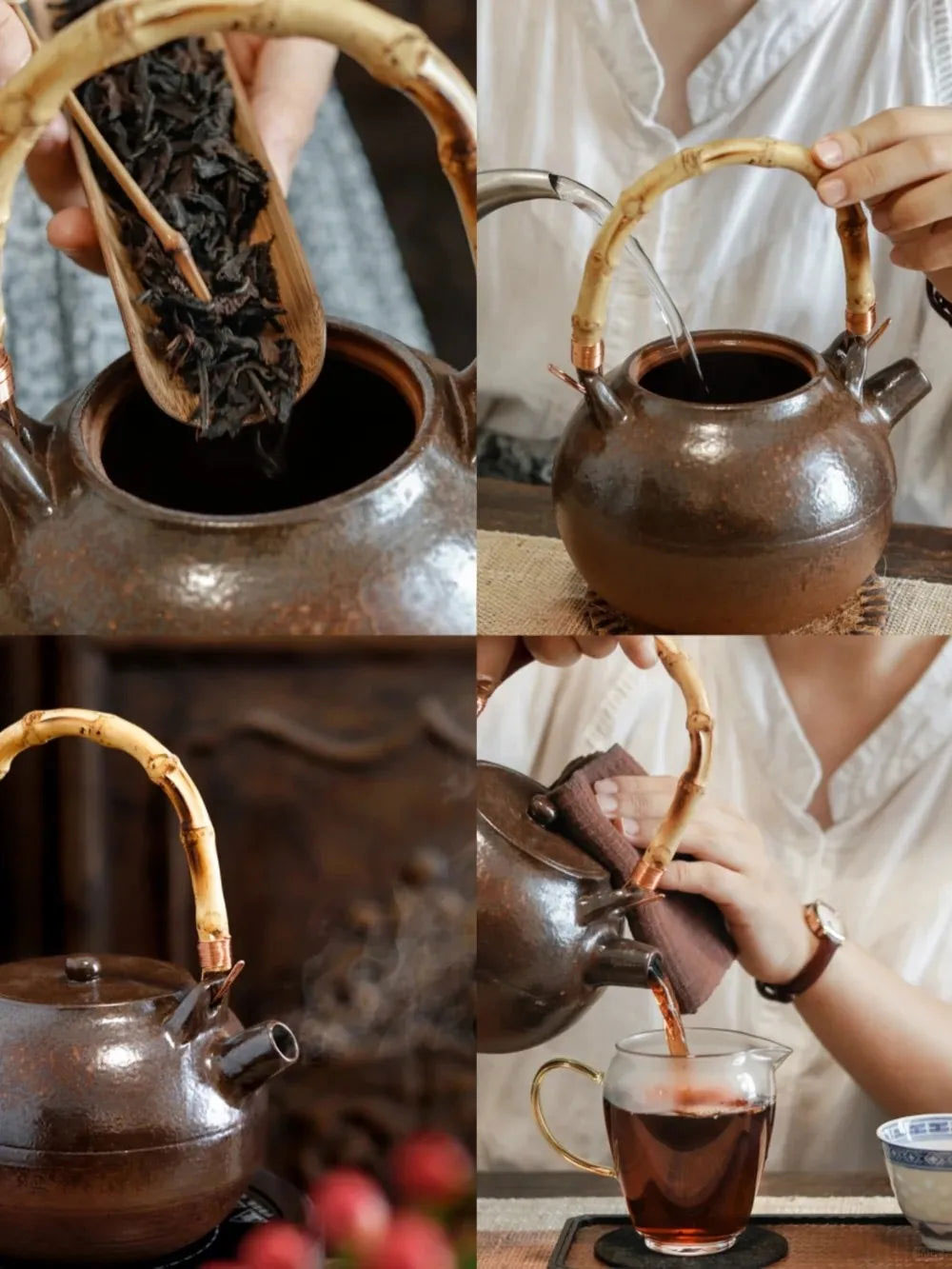
This method is especially effective for aged Sanhe Liupao (5+ years). The sustained heat extracts deep medicinal, woody, and camphor notes that steeping alone cannot reach.
Tea: Used leaves from Gongfu brewing (or 3-5g fresh aged tea)
Water: 1g leaf : 100-150ml cold water
Time: Bring to boil, then simmer 3-5 minutes
- Transfer used leaves (or fresh aged tea) to a heat-safe pot.
- Add cold water.
- Bring to a gentle boil, then reduce to low heat.
- Simmer for 3-5 minutes.
- Serve — expect a thicker, smoother, richer liquor.
Method 3: Thermos / Grandpa Style
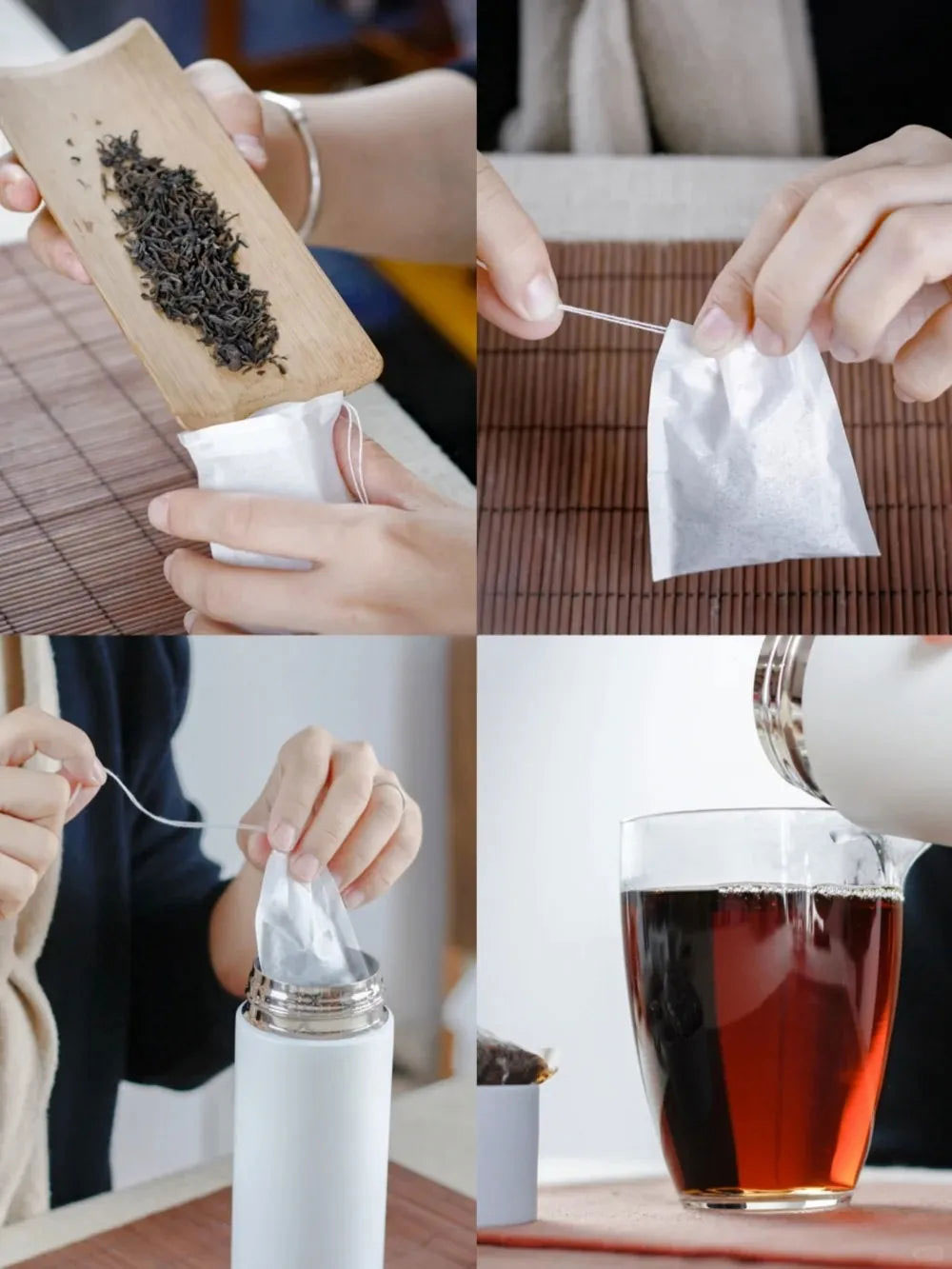
Perfect for office workers, travelers, or anyone who wants great tea without the ceremony.
Thermos: 500ml capacity
Tea: 3-4g Sanhe Liupao
Water: 100°C
Time: 30-60 minutes (longer means stronger)
- Rinse tea once with boiling water (discard).
- Place rinsed tea into thermos.
- Fill with 100°C water and seal.
- Wait 30-60 minutes before drinking.
- Refill with hot water as needed — the tea will stay flavorful for hours.
Method 4: Gravity Steeper (Piao Yi Bei)
The easiest method for beginners or office settings. Just press to separate tea from water — no skill required.
Tea: 5-7g
Water: 100°C
Time: Same as Gongfu (10-60 seconds)
- Add 5-7g tea to the upper chamber.
- Pour in 100°C water.
- Steep for 10-60 seconds (adjust to taste).
- Press the button — tea drains into lower chamber, leaves stay separate.
- Pour and enjoy.
4 Common Mistakes and Quick Fixes
| Problem | Cause | Fix |
|---|---|---|
| Bitter, astringent tea | Water too cool or steep too long | Use 100°C water; shorten steep to 10-15 seconds |
| Weak, watery flavor | Too little tea or insufficient rinse | Use 5-7g per 100ml; always do two rinses |
| Musty, storage taste | No awakening (Xing Cha) | Air out leaves for 15-30 minutes before brewing |
| Flavor dies after 3 steeps | Water temperature dropped | Keep water boiling between steeps; reheat if needed |
Awakening Aged Liupao (Xing Cha)
Sanhe Liupao is aged in Wuzhou Tea Factory's unique constant-temperature cellars, which imparts a characteristic "cang wei" (storage taste). Proper awakening removes this and lets the true tea flavors shine.
Method 1: Patient Method (Best for aged teas 5+ years):
Break off 1-2 weeks' worth of tea, store in a breathable clay caddy (Zisha or Nixing) for 3-7 days. This allows the tea to "breathe" and re-acclimate to ambient humidity.
Method 2: Quick Method:
Spread broken leaves on a clean tray and air out for 15-30 minutes before brewing. Then follow with the two-step rinse.
Always follow with the two-step rinse right before brewing.
Tasting Guide: Color, Aroma, Flavor
| Infusion | Color | Aroma | Taste |
|---|---|---|---|
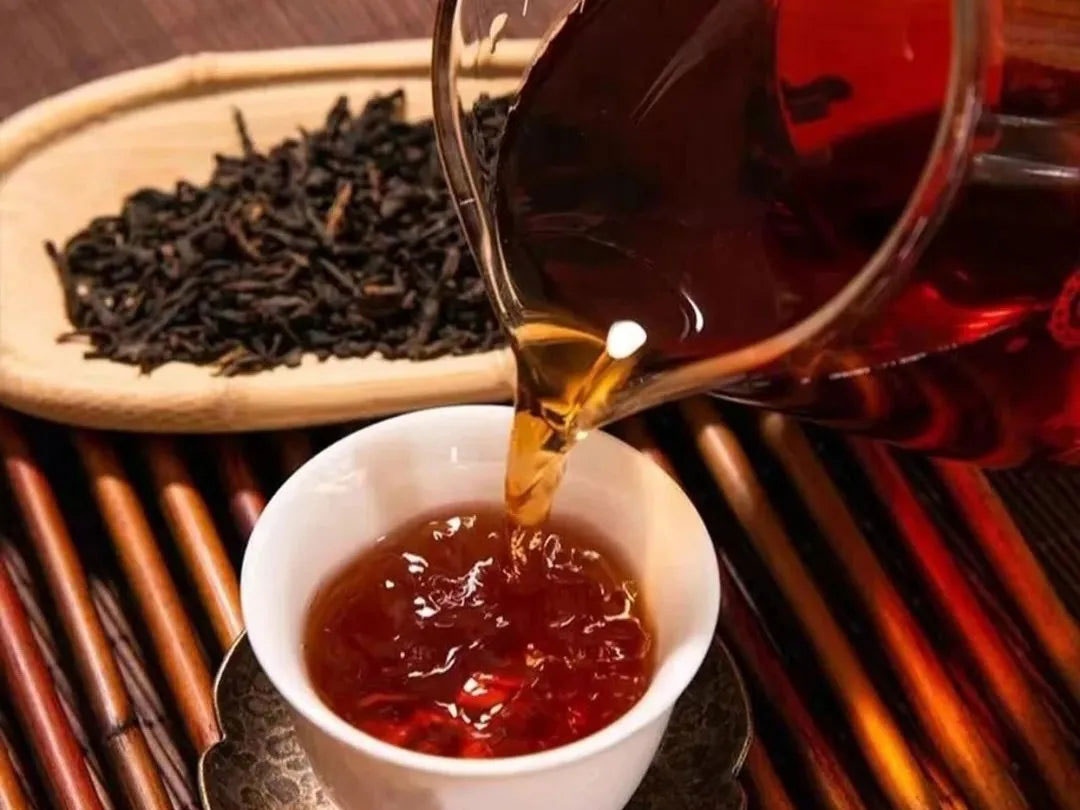
| 1-3 | Bright reddish-orange | Clean, slight betel nut | Smooth, sweet, hint of honey |
| 4-7 | Ruby red | Aged wood, betel nut, medicinal | Full-bodied, complex, peak flavor |
| 8+ | Deep garnet | Camphor, aged cellar | Exceptionally smooth, long sweet finish |
Sanhe Signature Note: Authentic Sanhe Liupao is known for its distinctive "betel nut fragrance" — a clean, cooling, slightly sweet aroma that lingers on the palate. This comes from the unique aging cellars and is the mark of quality.
Recommended Sanhe Liupao for Brewing
| Brewing Method | Best Sanhe Tea Series | Why |
|---|---|---|
| Gongfu | Classic Betel Nut Fragrance, Classic 0211 | Reveals full complexity over multiple steeps |
| Boiling | Aged Aroma series (5+ years) | Extracts deep medicinal and woody notes |
| Thermos | Loose tea, Gold Can series | Consistent flavor, easy portioning |
| Gravity Steeper | Any compressed tea (cakes, bricks) | Leaves separate cleanly, no clogging |
FAQ: Quick Answers
Filtered or spring water is best. Hard tap water can mute flavors. If using tap, let it sit 5 minutes before boiling to reduce chlorine.
8-15 times, depending on quality and method. Aged Sanhe teas often go beyond 15 steeps.
Yes — always. Aged teas accumulate storage aromas. Two rinses are recommended for best results.
That is the "cang wei" (storage taste) from aging. Proper awakening (Xing Cha) and two rinses will remove it completely.
Experience Authentic Sanhe Liupao Tea
Classic Betel Nut Fragrance | Aged Aroma Series | Golden Flower Premium | Pressed Cakes | Loose Tea
Special Offer: Use code GZTEA26 for discount on your first wholesale order!
Request Wholesale Quote →
- Sanhe Liupao tea brewing
- how to brew Liupao tea
- Sanhe tea guide
- Wuzhou Tea Factory brewing
- 三鹤六堡茶冲泡方法
- gongfu cha Liupao