World's First Embodied AI Standard Approved: China Leads ISO 26264-1 for Humanoid Robot Datasets
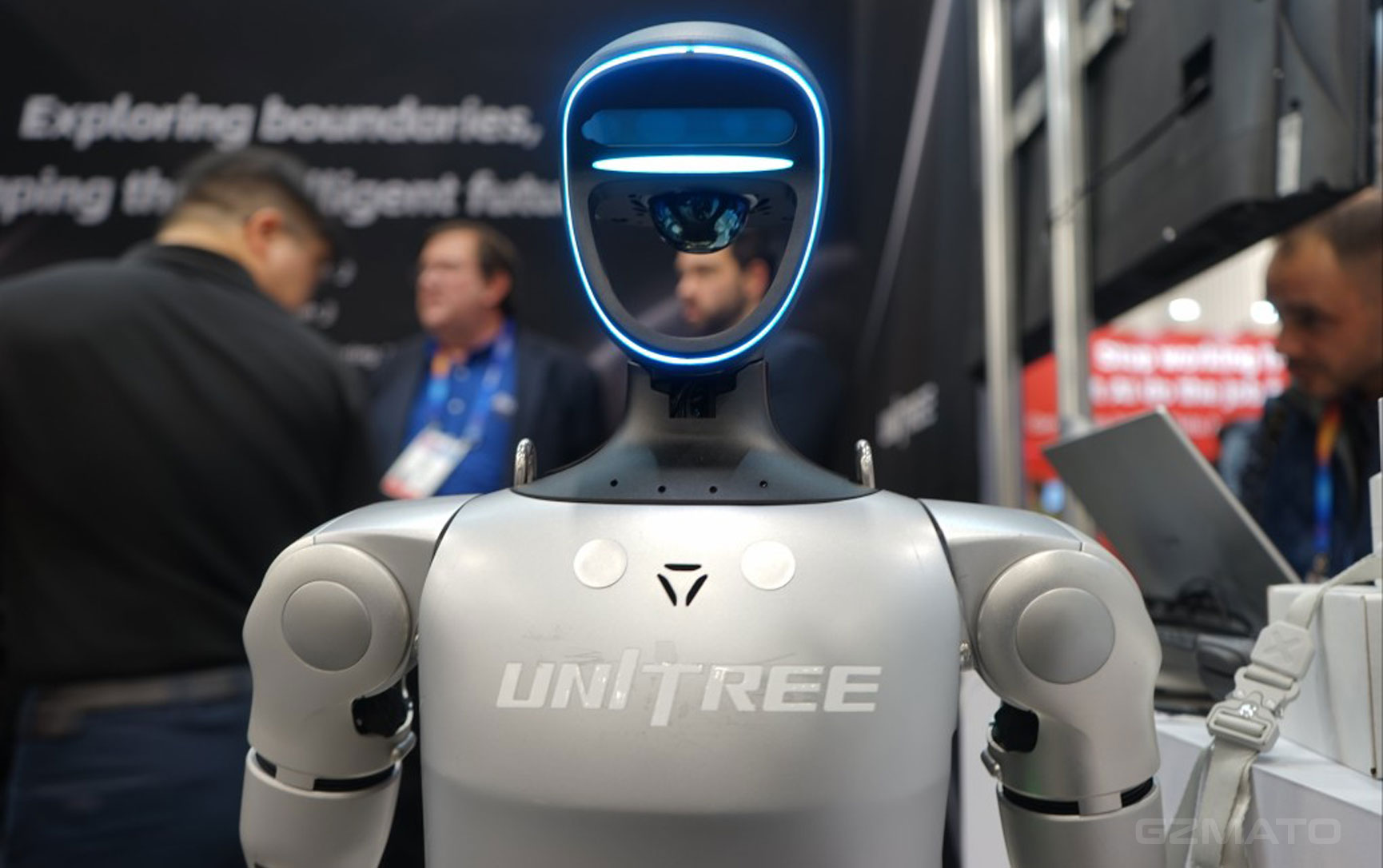
April 23, 2026 – China has achieved a major milestone in the global AI race. The country successfully led the approval of the world's first international standard for embodied AI, titled "Humanoid Robot Dataset" (ISO 26264-1), at the International Organization for Standardization (ISO) [citation:1].
China Leads the World's First Embodied AI International Standard
On April 22, 2026, China's State Administration for Market Regulation (SAMR) announced a historic achievement: the successful approval of the world's first international standard for embodied AI at ISO. The standard, "Humanoid Robot Dataset" (ISO 26264-1), was developed based on China's national standards currently in development [citation:1][citation:7].
Equally significant, China also pushed for the establishment of a new ISO working group for humanoid robotics, chaired by a Chinese expert for the first time [citation:1][citation:9]. This gives China a direct voice in shaping global rules for the industry.
What Is ISO 26264-1?
ISO 26264-1 establishes a unified framework for humanoid robot datasets, covering the entire lifecycle: planning, collection, storage, usage, and disposal [citation:3][citation:5].
Why Datasets Need Standards
Humanoid robots learn from data — just like AI models. Without standards, datasets are often:
- Inconsistent – Different annotation rules make data incomparable
- Incompatible – Various formats block data sharing
- Low quality – No quality checks lead to unreliable training
- Non-reusable – Each organization rebuilds datasets from scratch [citation:5]
| Standard Type | Scope | Status |
|---|---|---|
| ISO 26264-1 (International) | Global dataset framework for humanoid robots | Approved April 2026 [citation:1] |
| National Standard (China) | Detailed requirements for dataset construction [citation:3] | In development, planned 2026-2027 |
| Industry Standard (China) | Benchmark testing framework for embodied AI | Effective June 1, 2026 [citation:2] |
| Group Standards (Shanghai) | Dataset quality, format, labeling, coding [citation:8] | Issued March 2025-2026 |
Why This Standard Matters
1. Solves Industry Fragmentation
Currently, different companies and research labs collect data in isolated "silos." A unified standard enables datasets to be shared, compared, and reused globally — accelerating innovation across the entire industry [citation:5].
2. Accelerates Commercial Deployment
According to Peng Zhihui, co-founder of AgiBot and vice-chair of China's humanoid robotics standardization committee: "Standardization is not merely a technical specification, but an accelerator for industrial implementation" [citation:6].
3. Global Collaboration
The new ISO working group has already attracted 58 experts from 12 countries, including the US, UK, and Germany [citation:9]. This global participation ensures the standard reflects diverse perspectives.
4. Market Impact
Goldman Sachs projects the humanoid robot market could reach $38 billion by 2035 [citation:5]. Standards are essential for this market to scale efficiently.
China's Leadership in Humanoid Robotics
• 140+ humanoid robot manufacturers
• 330+ product models [citation:6]
• Multiple standards at national, industry, and group levels
• First ISO working group chaired by Chinese expert in robotics [citation:9]
Key Industry Players Involved in Standards Development:
- National and Local Humanoid Robot Innovation Centers – Leading dataset development [citation:9]
- Tsinghua University – Academic research and standards [citation:3]
- Unitree Robotics – Led by Wang Xingxing, vice-chair of standards committee [citation:6]
- AgiBot – Co-founded by Peng Zhihui, advocating for standardization [citation:6]
- UBTECH, Galaxy General Robot – Industry partners [citation:3]
Timeline of Standards Development
| Date | Milestone |
|---|---|
| March 2025 | Shanghai AI Association issues group standards on dataset quality, format, and labeling [citation:8] |
| August 2025 | China national standard for humanoid robot dataset approved for development [citation:3] |
| December 2025 | MIIT establishes Humanoid and Embodied Intelligence Standardization Technical Committee [citation:6] |
| March 2026 | Industry benchmark standard released, effective June 1 [citation:2] |
| April 22, 2026 | ISO 26264-1 international standard approved [citation:1] |
| June 1, 2026 | Industry standard for embodied AI testing takes effect [citation:2] |
Impact on the Industry
For Manufacturers
Common standards reduce redundant work. Instead of each company building datasets from scratch, they can build on shared, high-quality data — saving time and resources [citation:5].
For Developers
Clear guidelines for data collection, annotation, and quality will make it easier to train and evaluate robot AI models. The standard covers both simulation and real-world testing [citation:2].
For Consumers
Better standards lead to more reliable, capable humanoid robots in service, healthcare, and home applications [citation:5].
Final Verdict
The approval of ISO 26264-1 is more than a technical achievement — it's a strategic move that positions China at the center of global humanoid robotics standardization. With over 140 manufacturers and 330 product models, China's domestic industry provides the scale to validate these standards before they go global [citation:6].
For the rest of the world, this standard offers a ready-made framework for humanoid robot data management. For China, it's an opportunity to export its technical specifications as global rules — a classic "technology plus standards" strategy.
Build the Future with Gzmato
Whether you're developing AI models or building robotic systems, we've got the hardware you need:
AI Development Kits | High-Performance Computing | Sensor Modules | Embedded Systems | Robotics Components
Ready to build? Use code AISTANDARD10 for 10% off your next purchase
Shop AI & Robotics Now →Sources (as of April 23, 2026): State Administration for Market Regulation announcement [citation:1], ISO/NP 26264-1 standard documentation [citation:5], National Standard Information Platform [citation:3], Shanghai Pudong Government release [citation:9], NCSTI industry report [citation:6].



- embodied AI standard
- ISO 26264-1
- humanoid robot dataset
- China AI standard
- ISO TC 299
- embodied intelligence
- robot data standard