Xiaomi 18 Fold After One Week The Fastest Foldable, and the One That Runs Hottest
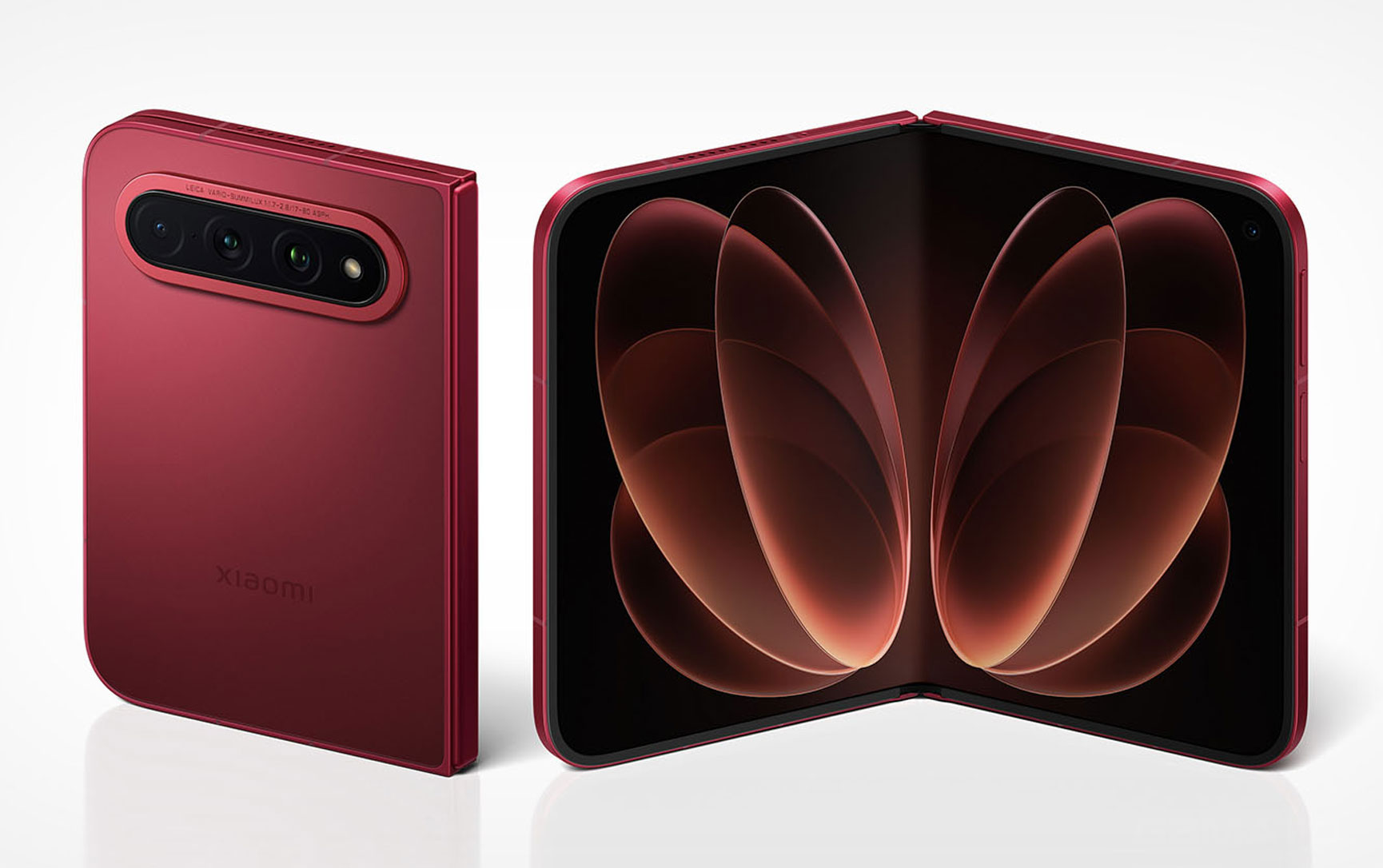
September 16, 2026 — The Xiaomi 18 Fold has been on sale for nearly a week, and the initial excitement has given way to a more complicated reality. On paper, it's the most powerful foldable phone ever made. In practice, it's a device that runs into the same physical limits that every foldable before it has faced [citation:3][citation:5].
The core tension is simple: Xiaomi packed a 10-core, all-big-core processor into a body that's just 5.02mm thick when unfolded. That's less than half the thickness of a typical flagship, with no room for a vapor chamber or active cooling [citation:3][citation:5]. The result is a phone that benchmarks like a gaming laptop but heats up like one too.
Performance: Benchmark King, Thermal Reality Check
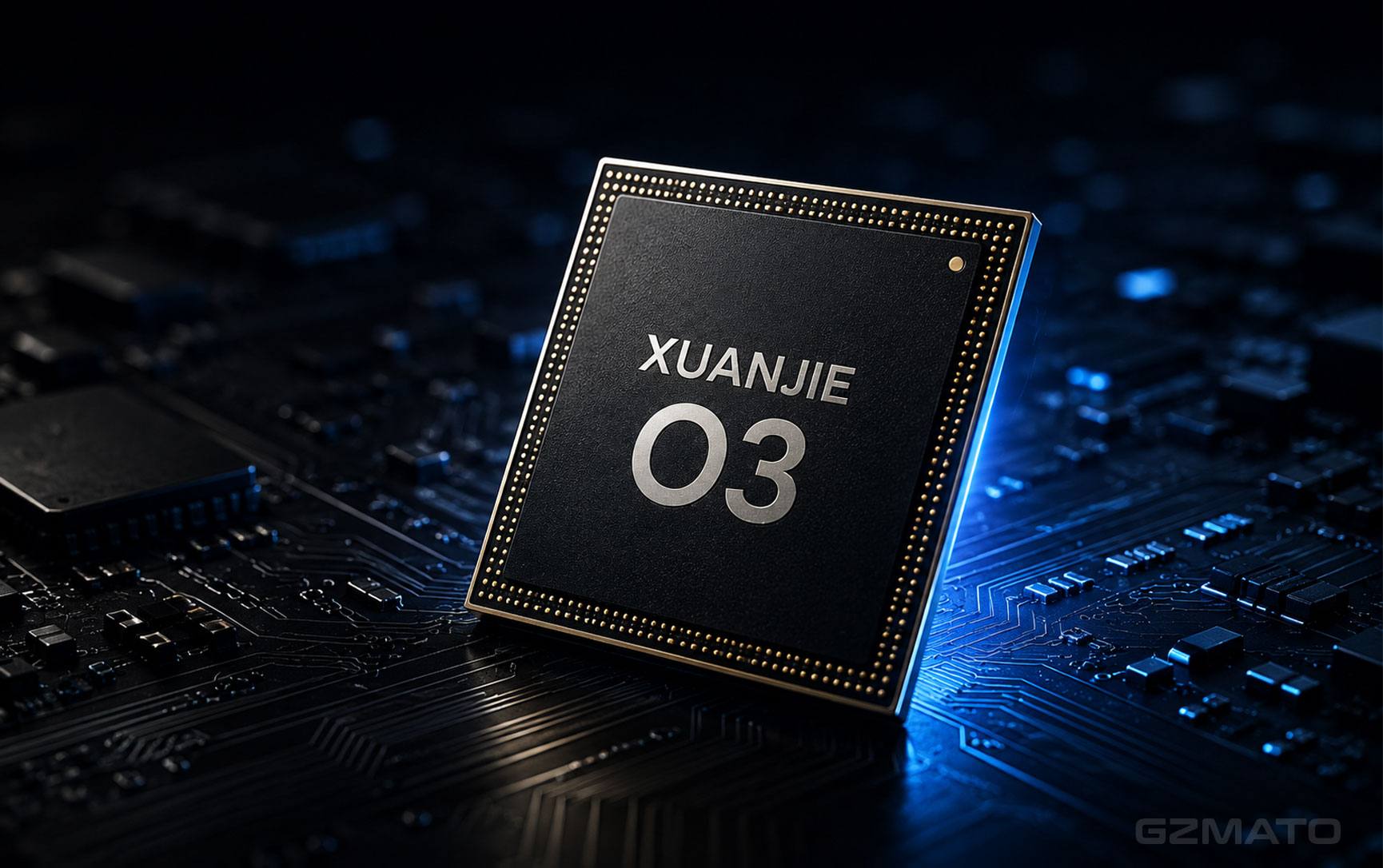
The XRING O3 is genuinely impressive silicon. It's Xiaomi's first flagship SoC built on a 3nm process, with a 10-core CPU configuration that uses only large cores — no efficiency cores at all [citation:2][citation:11].
The benchmark numbers speak for themselves:
| Benchmark | Score | Context |
|---|---|---|
| AnTuTu (overall) | ~5.02 million | Highest ever recorded on a foldable [citation:2] |
| Geekbench 6 (single) | ~3,640-3,785 | Competitive with Snapdragon 8 Elite Gen 5 [citation:2][citation:11] |
| Geekbench 6 (multi) | ~13,494-14,620 | Substantially ahead of Snapdragon 8 Elite Gen 5 [citation:2][citation:11] |
| 3DMark Steel Nomad Light | ~4,007-4,240 | GPU performance at laptop-class levels [citation:5][citation:11] |
In real-world gaming, the picture is more nuanced. In Genshin Impact, the Xiaomi 18 Fold ran at a near-perfect 59.94 FPS average with a 1% low of 57.7 FPS, and the body temperature stayed at a reasonable 39.5°C [citation:2]. The rendering resolution was also notably high at 1920×1358, exceeding many flagship phones [citation:11].
But under heavier loads, the thermal ceiling becomes visible. In Arknights: Endfield, one early tester reported the phone couldn't maintain a stable 60 FPS at maximum settings [citation:3]. A more controlled test showed Genshin Impact running at 60 FPS for the first 20 minutes before hitting a temperature wall, dropping to 45 FPS for about three minutes, then recovering [citation:5].
The Heat Debate: What Actually Happened
The most viral moment of the Xiaomi 18 Fold's launch week wasn't a benchmark score — it was a heat warning. During a livestream, a reviewer opened six apps simultaneously on the inner screen and the phone displayed a "device high temperature" alert [citation:3].
This was particularly awkward because "six apps open at once" was one of Xiaomi's own marketing demonstrations for the 18 Fold's multitasking capabilities [citation:3].
But the context matters. According to detailed analysis of the incident, the reviewer had first run a stress-testing application called "Poison Mushroom" to push the phone's load and temperature to maximum before opening the six apps [citation:3]. That's not the same as a user casually opening six apps on a cool device.
The XRING O3 uses a 10-core all-big-core design, which delivers exceptional performance but also higher power consumption than a traditional big.LITTLE configuration. Combined with an external 5G modem and a 5.02mm chassis with no active cooling, the phone has a hard thermal ceiling under sustained heavy load [citation:3][citation:5].
This doesn't mean the phone is defective — it means it's a foldable. Every foldable faces the same trade-off: thinness and lightness come at the cost of thermal headroom.
Xiaomi's thermal management appears conservative. Even at moderate temperatures, the phone may throttle frame rates to prevent overheating [citation:11]. One reviewer noted that the XRING O3's full performance potential likely requires a larger device — a tablet or laptop — to be fully realized [citation:5].
Real User Experience: The Good, The Bad, The Adapting
Beyond benchmarks and heat warnings, early buyers have reported a mixed bag of experiences across several dimensions.
What Works Well
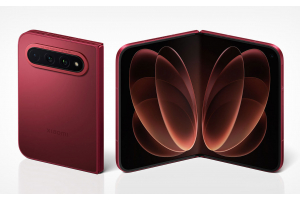
The form factor. The "mid-fold" design with a √2:1 aspect ratio has been widely praised. The 5.38-inch outer screen is shorter and squatter than a traditional phone, making one-handed use genuinely comfortable. When unfolded, the 7.58-inch inner screen feels like a small tablet without the bulk of a traditional large foldable [citation:1][citation:10].
The crease. With dual-layer UTG glass and a 3D-printed hinge filler, the crease depth is controlled to under 30 micrometers. Reviewers consistently describe it as "almost invisible" in normal use [citation:1][citation:18].
Battery life. The 6,000mAh battery is larger than the Samsung Galaxy Z Fold 8's 4,800mAh and the expected iPhone Duo's ~4,900mAh [citation:18]. Heavy users report ending the day with around 30% remaining [citation:4].
What Needs Improvement
Charging speed. At 67W, a full charge takes about 40 minutes. That's not slow in absolute terms, but it trails the 100W+ fast charging common on same-priced slab phones [citation:4][citation:7].
Software adaptation. This is the most consistent complaint. While major apps work, some vertical short-video apps are stretched, and certain interfaces appear cropped or misaligned [citation:4][citation:17]. A widely circulated comparison test showed that app adaptation issues are not unique to Xiaomi — Huawei's foldables face similar problems — but the reality is that foldable software still requires patience [citation:20].
Specific bugs. Some early adopters have reported issues including notification duplication, cursor misalignment during text editing, and problems with voice-to-text in WeChat [citation:13].
Should You Buy It?
The Xiaomi 18 Fold is a genuinely impressive piece of engineering, but it's not the right phone for everyone.
| Buy It If You... | Skip It If You... |
|---|---|
| Want the fastest performance available in a foldable | Play demanding games for extended sessions |
| Value a portable, one-hand-friendly form factor that opens into a tablet | Need 100W+ fast charging |
| Want a large battery that lasts a full day | Expect perfect software adaptation on day one |
| Are willing to tolerate some foldable-specific compromises | Need the most polished, mature foldable experience |
The Xiaomi 18 Fold represents an impressive technical achievement — a 5-million-point AnTuTu score in a device that's thinner than most phones' camera bumps. But it also reminds us that foldables are still a compromise. The question isn't whether the XRING O3 is fast enough. It clearly is. The question is whether you're willing to accept the thermal and software trade-offs that come with putting that chip in a 5mm chassis.
Shop Foldables at Gzmato
Xiaomi 18 Fold | iPhone Duo | Galaxy Z Fold8 | Accessories
Special Offer: Use code TECH2026 for a discount on your first order!
Shop Phones at GzmatoOur team can help you compare foldables based on your needs and budget. Chat with us or open a request.
Key Takeaways
| # | What You Need to Know About the Xiaomi 18 Fold |
|---|---|
| 1 | Performance is unmatched in a foldable — AnTuTu scores exceed 5 million, with multi-core performance ahead of the Snapdragon 8 Elite Gen 5 [citation:2][citation:11] |
| 2 | Thermal limits are real — the 10-core all-big-core design and 5.02mm chassis mean heavy loads trigger throttling and heat warnings [citation:3][citation:5] |
| 3 | Lighter games run excellently — Genshin Impact maintains near-60 FPS at high resolution with 39.5°C body temperature [citation:2] |
| 4 | Battery life is strong — 6,000mAh outlasts the Galaxy Z Fold 8 and likely the iPhone Duo [citation:18] |
| 5 | Charging is average for the price — 67W takes about 40 minutes, slower than 100W+ competitors [citation:4][citation:7] |
| 6 | Software adaptation is improving but imperfect — some apps still show stretching or cropping, a common foldable issue [citation:4][citation:20] |
| 7 | Best for productivity, not gaming — the form factor and display excel for multitasking, but sustained gaming hits thermal limits |
- IT之家 — Xiaomi 18 Fold hands-on review, design and form factor [citation:1]
- 泡泡網 — Performance benchmarks, Genshin Impact testing [citation:2]
- 什么值得买 — Heat controversy analysis, thermal throttling details [citation:3]
- 什么值得买 — User experience after two days, charging and software issues [citation:4]
- 手机新浪网 — Performance testing, thermal wall analysis [citation:5]
- 锋潮科技 — Design analysis, mid-fold concept explanation [citation:10]
- 机智猫 — Gaming performance, rendering resolution analysis [citation:11]
- Trusted Reviews — Hands-on impressions, battery comparison [citation:18]
- 今日头条 — Real user bug reports [citation:13]
- 手机新浪网 — Real-world gaming performance data [citation:19]
- 什么值得买 — App adaptation comparison test [citation:20]
- Xiaomi 18 Fold
- Xiaomi 18 Fold review
- XRING O3
- foldable performance
- Xiaomi foldable thermal
- Xiaomi 18 Fold overheating
- foldable gaming
- Xiaomi 18 Fold software
- Gzmato