iPhone Duo Red Carpet Screen Gate: Nano-Texture Trade-Off or Lighting Misleading?
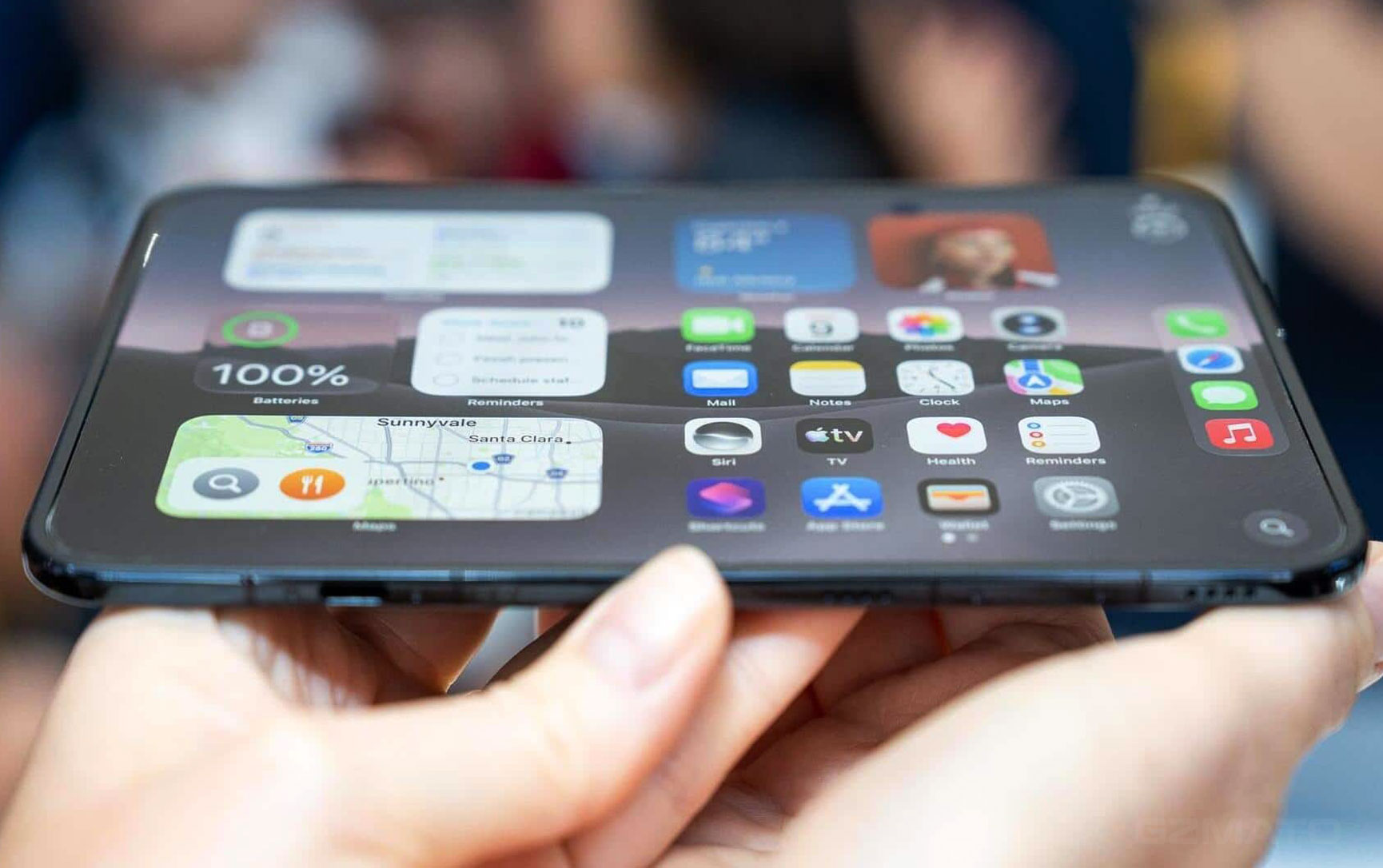
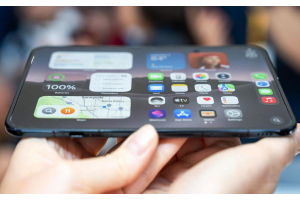
September 16, 2026 — On the night of September 14, Apple CEO John Ternus did something no Apple executive had done before: he pulled an unreleased foldable iPhone out of his tuxedo pocket on the Emmys red carpet and unfolded it in front of a Deadline camera .
The 13-second clip went viral — but not for the reason Apple likely hoped. Instead of admiring the invisible crease, viewers fixated on something else: the inner screen looked dark, washed out, and hard to read [citation:3][citation:10].
Within hours, “nano-texture” became a trending topic. Was Apple’s anti-reflection coating a breakthrough — or a compromise that made the display worse? The answer is more complicated than either side admits.
The Emmys Red Carpet Moment That Sparked a Debate
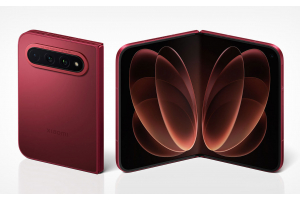
The iPhone Duo is Apple’s first foldable, announced on September 9 and set to launch on October 23. Ternus, who took over as CEO on September 1, brought the device to the 78th Emmy Awards — a natural venue given Apple TV’s strong showing that night [citation:9].
The video, posted by Deadline, shows Ternus asking a reporter if she wants to see the device, pulling it from his jacket, unfolding it, and then folding it back. The reporter’s enthusiastic reaction is audible [citation:16].
But when the footage circulated online, the reaction was split. Some praised the invisible crease. Others focused on the screen’s appearance [citation:3]:
- “Wait, I’m unable to see the screen, is the brightness too low?”
- “The matte screen is so bad it’s making me consider buying a Galaxy Z Fold8.”
- “You can’t see the crease. You also can’t see the screen.”
The Original Video
If the embed above does not render in your browser, the original video is available directly on X at x.com/DEADLINE/status/2099645816361332775.
The Nano-Texture Trade-Off: What Apple Sacrificed
To understand the controversy, you need to understand what nano-texture actually is — and what it isn’t.
Nano-texture is not a screen protector film. It’s not a software setting. It’s a micron-scale etching of the display surface itself, replacing the smooth glass with a relief of microscopic lenses [citation:4]. Apple first used this technology on the Pro Display XDR in 2019, then brought it to the Studio Display, iPad Pro M4, and MacBook Pro.
The physics is straightforward. On a glossy screen, ambient light bounces off in a mirror-like reflection — you see a sharp image of a window, a ceiling light, or your own face. On a nano-textured surface, that same light is scattered in all directions, turning a harsh reflection into a soft, uniform glow [citation:4].
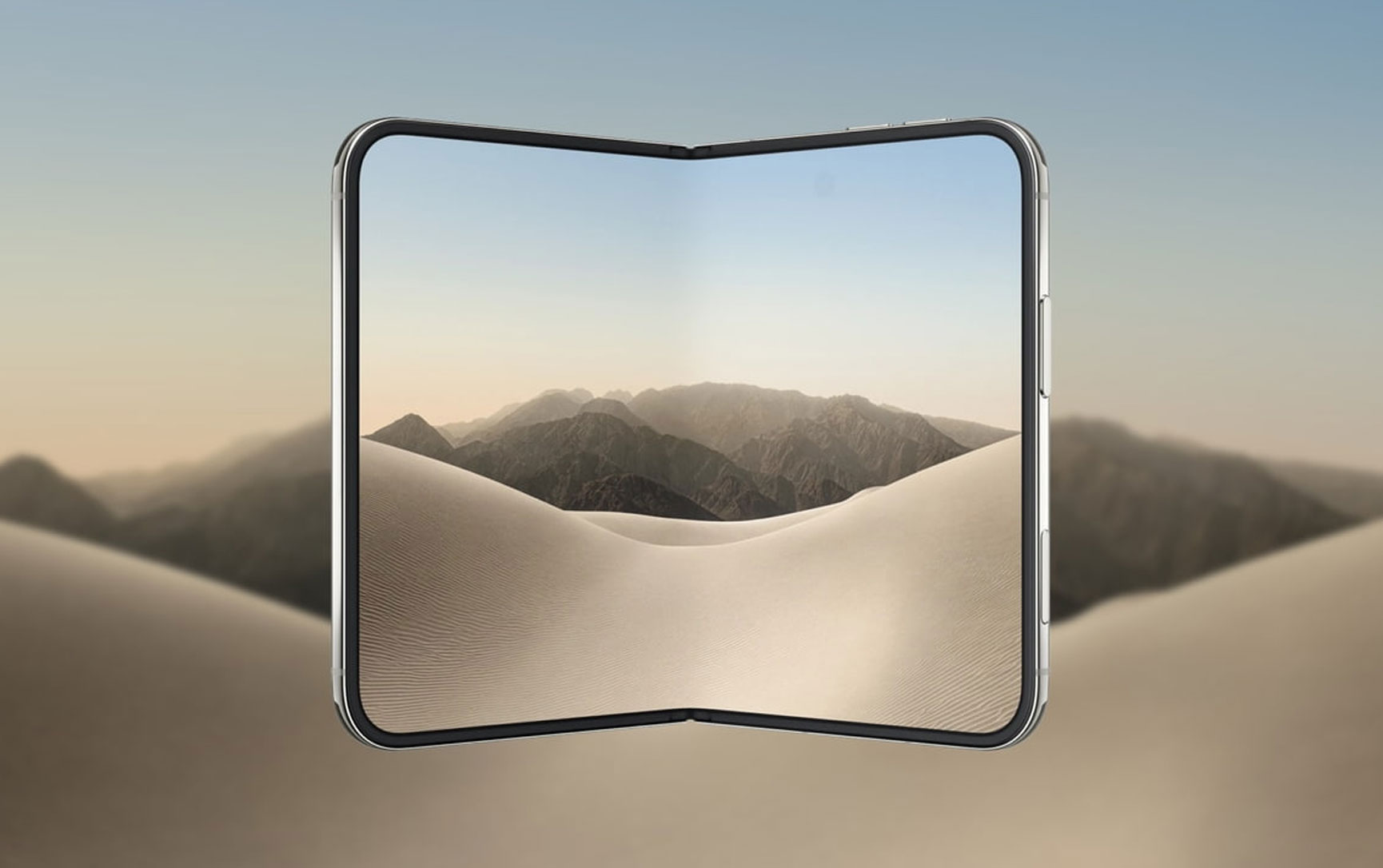
For a foldable, this has a specific benefit: it hides the crease. The crease on a folding display is fundamentally a reflection problem. The center of the screen is never perfectly flat, and a glossy surface betrays every slight undulation with a bright or dark line. Diffuse the light, and the line disappears.
This isn’t a defect. It’s a deliberate design choice. Apple prioritized a nearly invisible crease and reduced glare. The question is whether that choice was the right one — and whether the trade-off is acceptable in real-world use.
The Counter-Evidence: It Wasn’t Just the Inner Screen
Here’s the detail that most viral posts missed: in the same Emmys footage, the outer screen also appeared dark [citation:10][citation:11].
The outer screen does not use nano-texture. If the inner screen’s matte finish were the sole cause of the washed-out look, the outer screen should have looked normal by comparison. It didn’t.
That strongly suggests the red carpet’s extreme lighting environment was the primary factor. Red carpet lighting is designed to make celebrities look bright and flattering on camera — it’s not designed for evaluating display quality. High-intensity, multi-directional lights can overwhelm any smartphone screen, especially when captured on video with camera auto-exposure adjusting for the overall scene [citation:3][citation:16].
There’s also the possibility that Ternus simply hadn’t set the brightness to maximum. This was an impromptu demonstration, not a staged product demo [citation:16].
The Emmys video is a poor way to judge the iPhone Duo’s display quality. It captures a device in an environment specifically hostile to screen readability, likely with unknown brightness settings. The nano-texture finish has a real trade-off — but the red carpet footage is not a reliable measure of how severe that trade-off is.
Real Limitation or Visual Misleading?
Both things can be true.
It’s a visual misleading in the sense that the Emmys footage does not represent how the screen will look in normal use. The red carpet lighting, the camera exposure, and the unknown brightness setting all contributed to the washed-out appearance.
It’s also a real limitation in the sense that nano-texture does reduce perceived contrast and sharpness under bright light. This is physics, not a bug. Users who value a punchy, high-contrast display may find the matte finish less satisfying than a glossy alternative [citation:3][citation:4].
Apple is aware of this trade-off. The company has used nano-texture on its professional displays for years, always as an optional upgrade — never as the default. On the iPhone Duo, there is no glossy option. Apple has decided that the crease reduction and glare reduction are worth the cost in perceived clarity.
Whether that was the right call will only be clear once the phone reaches customers on October 23. The real test isn’t a 13-second red carpet clip. It’s how the screen looks in a dim living room, a bright office, and direct sunlight on a summer afternoon.
Shop iPhones at Gzmato
iPhone 18 Pro | iPhone 18 Pro Max | Brightstar iPhone 17 | Accessories
Special Offer: Use code BSRESCO2026 for a discount on Brightstar iPhones!
Shop Phones at GzmatoOur team can help you compare the iPhone Duo, iPhone 18 Pro, and discounted iPhone 17 Pro based on your needs and budget. Chat with us or open a request.
Key Takeaways
| # | What You Need to Know About the iPhone Duo “Screen Gate” |
|---|---|
| 1 | The Emmys video was not a fair test — red carpet lighting, camera exposure, and unknown brightness settings all contributed to the washed-out appearance |
| 2 | The outer screen also appeared dark — and it does not use nano-texture, suggesting lighting was the primary factor |
| 3 | Nano-texture has a real trade-off — it reduces glare and hides the crease, but can also reduce perceived contrast and sharpness |
| 4 | This is a deliberate design choice — Apple prioritizes crease reduction over maximum display punch |
| 5 | Real-world testing is needed — the Emmys clip cannot tell us how the screen performs in normal indoor and outdoor use |
- Mashable India — Emmys appearance details, iPhone Duo specifications, pricing and availability [citation:1]
- 新浪财经 — Chinese-language coverage of the “screen gate” controversy, nano-texture trade-off analysis [citation:3]
- Portail Orange — Technical explanation of nano-texture physics and the Emmys incident [citation:4]
- Daily Mail — Emmys coverage, nano-texture explanation, fan reactions [citation:5]
- Sammy Fans — Analysis noting the outer screen also appeared dark, suggesting lighting was the primary factor [citation:10]
- 머니투데이 (Money Today) — Korean-language analysis of the display controversy and counter-evidence [citation:11]
- PhoneArena — Red carpet coverage, possible reasons for the dark appearance [citation:16]
- 17173 / 快科技 — i冰宇宙 commentary on the “foggy” appearance and screen-under-display camera visibility [citation:17]
- Mac Observer — Emmys appearance context and Apple TV nominations [citation:9]


- iPhone Duo
- iPhone Duo screen
- nano-texture
- John Ternus
- Emmys
- iPhone Duo display
- foldable screen
- iPhone Duo red carpet
- Gzmato