The $5 Trillion Apple: Is It Innovation, or Just the "Faith Premium"?

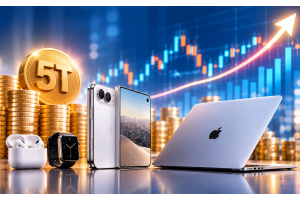
November 12, 2026 — Apple has done it again. The company's stock hit an all-time high of $355.63, pushing its market cap to a staggering $5.17 trillion. Since John Ternus took over as CEO in September, the stock has climbed 9.38%, distancing Apple from competitors like Nvidia by over $1 trillion.
Wall Street is cheering. But if we look at the actual products driving this valuation—the iPhone Duo, the touchscreen MacBook Pro, and the Apple HomeView—a common critique emerges: are these truly groundbreaking innovations, or just cosmetic updates wrapped in Apple's unbeatable brand ecosystem?
The Reality Check: Modest Hardware Updates and Lagging AI
Let's strip away the marketing. The iPhone Duo is a foldable phone (years behind Samsung). The touchscreen MacBook is a new input method (a trend PC makers embraced a decade ago). The HomeView is a smart display (a category Amazon dominated with the Echo Show). Even Apple's much-hyped Apple Intelligence, powered by Qwen in China, is currently just a useful toolset, not a revolutionary AI assistant.
So why is the stock soaring? Because Apple is a master of "refinement." Apple rarely invents the category; it waits, perfects the hinge, optimizes the OS, and releases a version that "just works." But make no mistake—the hardware itself hasn't shocked the industry.
In pure software and AI capabilities, Apple is currently trailing. While competitors release native AI models that write code and generate videos, Apple relies on integrating partners (like Alibaba's Qwen in China). This is a pragmatic move, but it proves that Apple's moat is not the AI algorithm itself.
The Moat: Why "Brand Faith" Still Wins
If the hardware isn't cutting-edge and the software is behind, why is the stock at $5 trillion? The answer is the most powerful economic moat in consumer electronics: The Apple Ecosystem and Brand Faith.
- The "Lock-in" Effect: Once a user has an iPhone, AirPods, an Apple Watch, and a Mac, switching to Android costs them their entire digital life. The friction of leaving is too high.
- Brand as a Status Symbol: Consumers buy Apple because it is Apple. The blue bubble, the logo on the back—it is a lifestyle brand. This "Faith Premium" allows Apple to charge $2,899 for a MacBook Pro with marginal updates, and still sell millions.
- Capital Trust: Investors buy Apple not for its next-gen tech, but for its aggressive stock buybacks and enormous, stable cash flow. It is the ultimate "safe haven" stock.
The Accessory Opportunity: What Sellers Should Watch
As a Gzmato seller, you don't need to debate whether Apple is innovative. You need to see where the money is flowing. When Apple launches "iterative" hardware, it creates an instant, multi-billion dollar market for third-party accessories.
| New Apple Product | What It Lacks | The Accessory Opportunity |
|---|---|---|
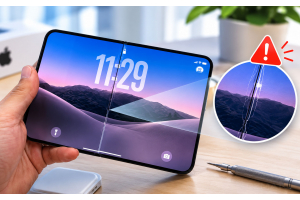
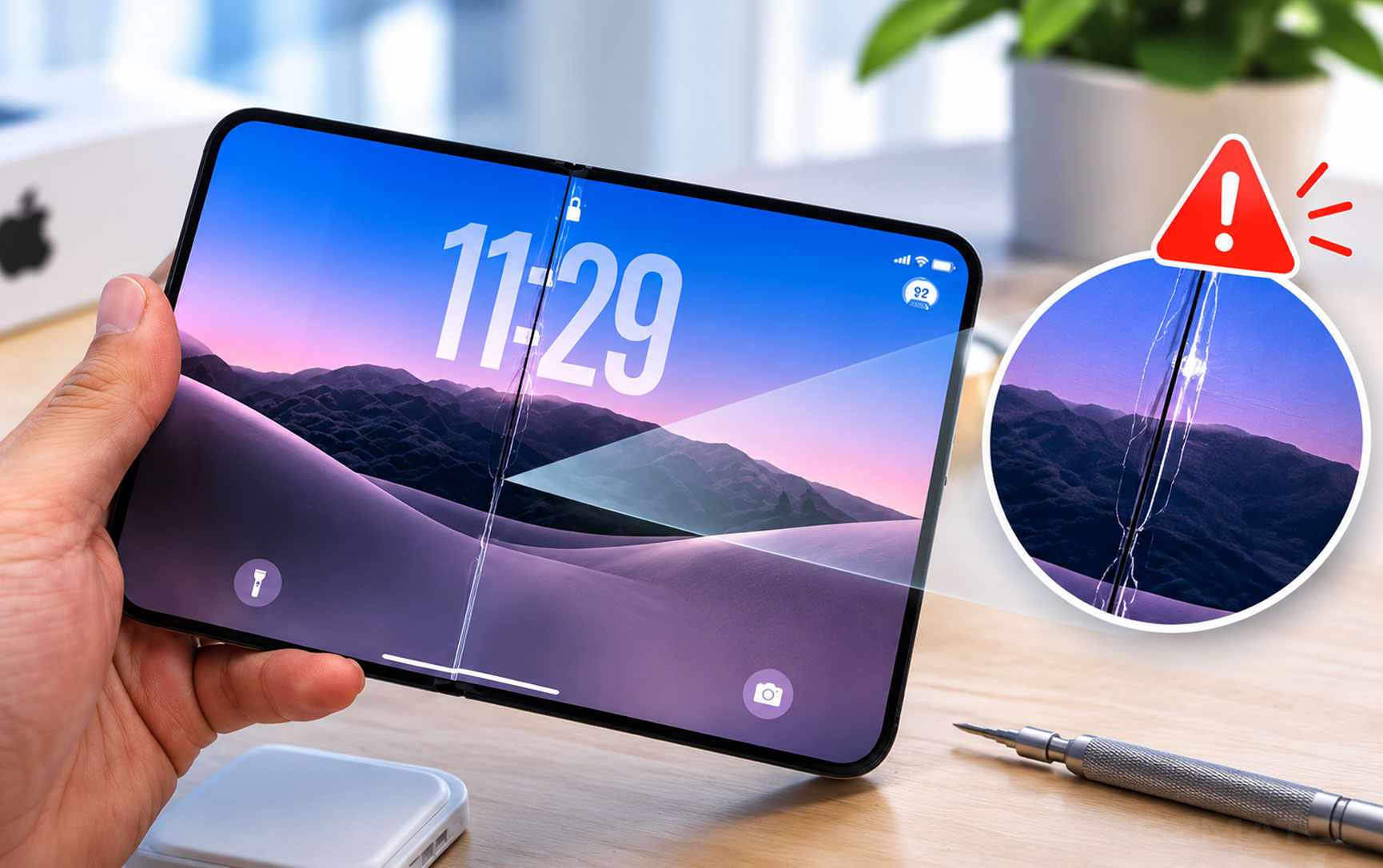
| iPhone Duo | Fragile inner screen, no built-in kickstand | Premium hinge-protecting cases, foldable screen protectors, MagSafe kickstands. |
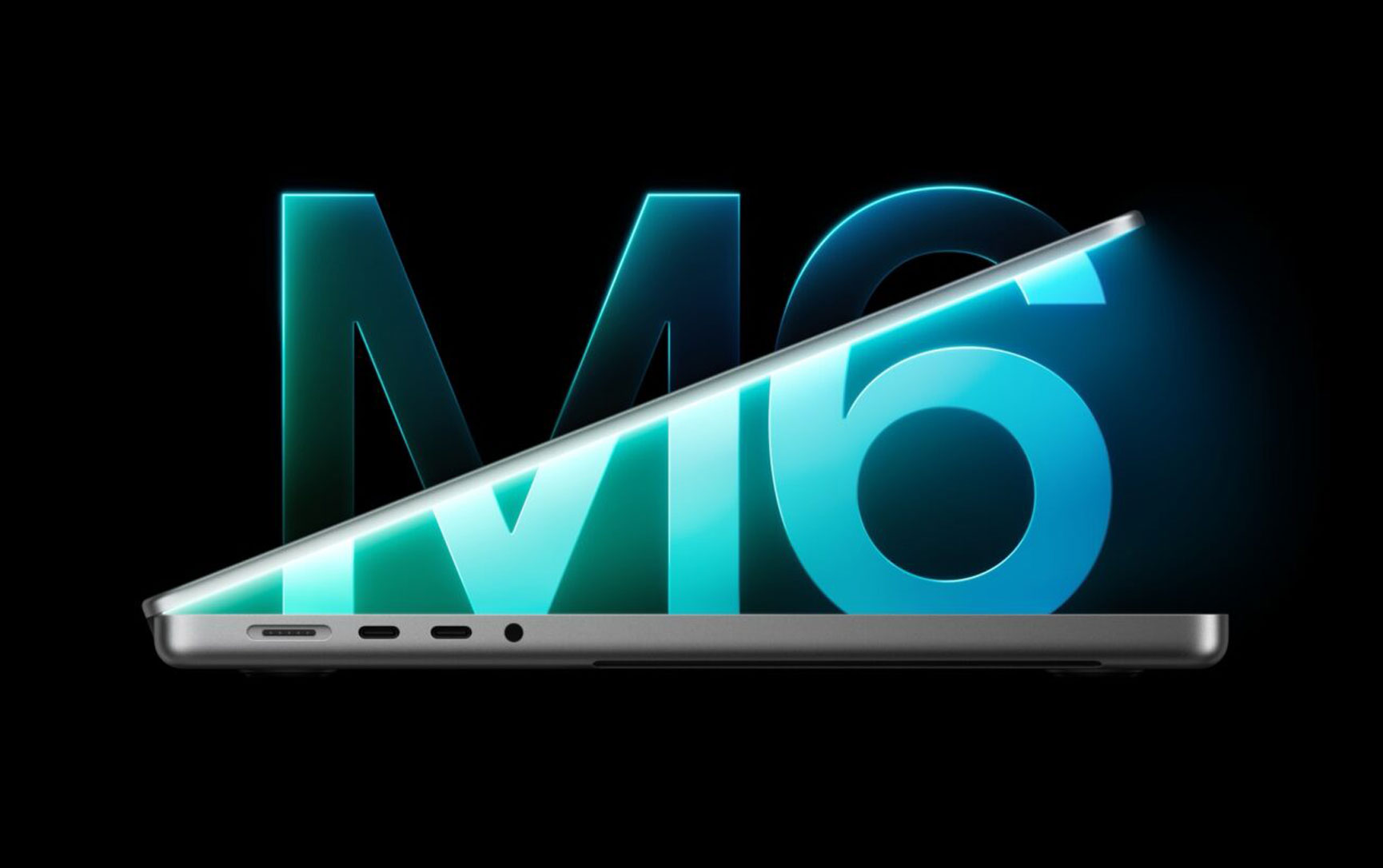
| Touchscreen MacBook Pro | Prone to fingerprints, awkward for drawing | Anti-fingerprint screen films, drawing styluses, premium desktop stands. |
| Apple HomeView | Limited mounting options (wall mount sold separately) | Desk stands, decorative frames, specialized wall mounts. |
Key Takeaways
| # | What You Need to Know |
|---|---|
| 1 | Apple hit a $5.17 trillion market cap. The surge is driven by brand loyalty and ecosystem lock-in, not groundbreaking hardware. |
| 2 | The new products are iterative. The Duo, touchscreen Mac, and HomeView are refinements of existing categories, and Apple's AI is catching up to peers. |
| 3 | Brand faith is Apple's ultimate moat. Consumers are willing to pay a premium for the ecosystem and the logo, regardless of minor innovations. |
| 4 | Iterative hardware creates massive accessory opportunities. Every new form factor introduces a new friction point that third-party sellers can solve. |
| 5 | Focus on the "flaws." Hinge protection for the Duo, fingerprint-resistant films for the Mac, and mounting stands for HomeView are the immediate growth areas. |
| 6 | Ride the volume. You don't need to build the next iPhone. You just need to capture 1% of the accessory demand for the millions of units Apple sells. |
Phone Cases | Screen Protectors | GaN Chargers | Mac Stands | Smart Home Mounts
Special Offer: Use code TECH2026 for a discount on your first order!
Shop Accessories at GzmatoTell us what category you are focusing on, and we can help you analyze supply chain trends and sourcing options. Chat with us or open a request.
- Apple 5 trillion market cap
- Apple brand loyalty
- Apple ecosystem
- iPhone Duo accessories
- Touchscreen Mac accessories
- Apple HomeView
- Gzmato