The Third Corridor: How the Hong Kong-Zhuhai-Macao Bridge Is Changing E-Commerce Logistics
The Third Corridor: How the Hong Kong-Zhuhai-Macao Bridge Is Changing E-Commerce Logistics
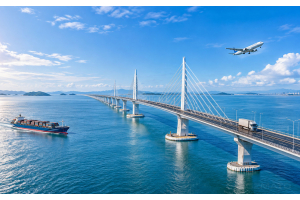
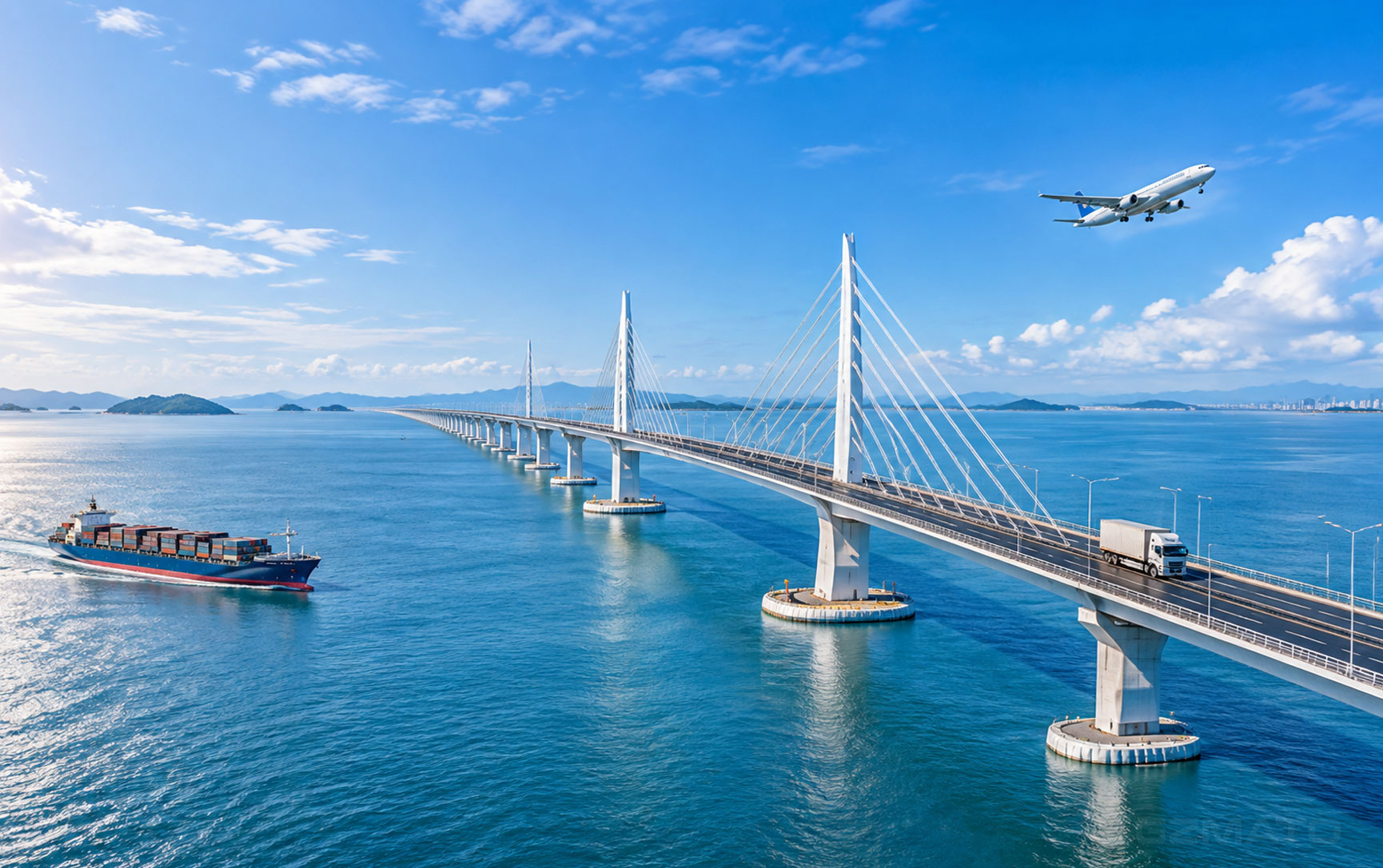
November 11, 2026 — While everyone is focused on the EU's new parcel fees and the Middle East's gold rush, a massive shift has happened quietly at home. According to CCTV reports released today, in the first 10 months of 2026, cross-border e-commerce exports through the Hong Kong-Zhuhai-Macao Bridge (HZMB) port exceeded 112 billion RMB, a year-over-year increase of 33.1%. This single corridor has already surpassed its total export volume for all of 2025.
To put that in perspective, an average of over 3 million packages per day are flying out from this corridor to over 200 countries and regions. When traditional sea freight faces Red Sea detours, and direct mail faces rising costs, the HZMB route—paired with the Hong Kong International Airport—has quietly become a "third corridor" for Chinese goods going global.
The Data: 112 Billion RMB in 10 Months
The numbers speak for themselves. The 112 billion RMB figure represents a 33.1% growth compared to the same period last year, and a massive acceleration in trade flow.
According to customs officials at the Gongbei Customs District, the HZMB port is now a 24-hour operation. The combination of the bridge's physical infrastructure and the digitalization of customs clearance has drastically reduced the time it takes for a package to move from a factory in the Pearl River Delta to a cargo plane at Hong Kong International Airport.
Why This Route Matters for High-Value Electronics
If you are shipping cheap plastic toys or cheap clothing, this route might be too expensive. But if you are shipping products like smartphones, laptops, high-end audio gear, or smart home devices—categories that are Gzmato's core focus—the calculation changes.
High-value electronics demand fast delivery. Consumers buying a $1,000 device do not want to wait 30 days for a ship. They want it in 3-5 days. The HZMB corridor leverages Hong Kong's unparalleled flight network to make global delivery in days possible.
The HZMB is not just a bridge; it is a direct bridge to HKIA. Hong Kong International Airport is one of the busiest cargo hubs in the world. The bridge allows trucks carrying e-commerce parcels to bypass the traditional bottleneck of Shenzhen ports and directly access HKIA's cargo terminals. This slashes transit times and reduces the risk of port congestion.
Comparing the Logistics Routes: Sea, Rail, and Bridge
Here is how the three main export channels look right now.
| Route | Speed | Cost | Best For |
|---|---|---|---|
| Sea Freight (Traditional) | Slow (25-40 days) | Cheapest per KG | Heavy goods, bulk replenishment to overseas warehouses. |
| China-Europe Railway | Medium (15-20 days) | Moderate | Goods destined for Central Asia or Europe, bypassing Red Sea issues. |
| HZMB + HK Airport (Air Freight) | Fast (3-5 days) | Highest | High-value electronics, fast fashion, urgent D2C orders. |
As you can see, the HZMB route is the "air freight" option. It is expensive, but it is the only way to meet the speed demands of premium consumers.
What Sellers Should Do Next
The growth of this corridor is a signal to rethink your logistics strategy. Here is what you should consider:
- If you sell high-ticket items: Do a cost-benefit analysis of routing a portion of your D2C orders through the HZMB corridor. The faster delivery might significantly boost your conversion rate and customer satisfaction, offsetting the higher freight cost.
- If you use overseas warehouses: Use sea freight for the bulk of your inventory, but keep a small, fast-replenishing batch in the UK/EU/US using the air corridor to respond to sudden spikes in demand.
- Don't put all your eggs in one basket: The Red Sea crisis showed how fragile sea routes can be. Having a reliable air option via HZMB provides a safety net for urgent orders.
Key Takeaways
| # | What You Need to Know |
|---|---|
| 1 | HZMB exports hit 112 billion RMB in 10 months. It is now a massive, 24-hour corridor for cross-border e-commerce. |
| 2 | It connects directly to HKIA. This gives sellers access to the world's best air cargo network, bypassing traditional port bottlenecks. |
| 3 | It is the fastest route. While sea freight takes weeks, this route gets packages to global consumers in days. |
| 4 | It is best for high-value goods. The higher cost per KG makes it unviable for cheap goods, but perfect for electronics and premium products. |
| 5 | Don't abandon sea freight. Use this route for urgent D2C orders or to replenish overseas warehouses quickly when demand spikes. |
| 6 | Supply chain diversification is key. Relying solely on sea freight is risky. Having the HZMB air option is a strong safety net. |
Tell us your product category and average order value, and we can help you compare the costs and transit times of sea freight vs. air freight via the bridge. Chat with us or open a request.
- HZMB cross-border e-commerce
- Hong Kong-Zhuhai-Macao Bridge logistics
- HK airport air freight
- fast shipping electronics
- China export routes
- Gzmato