The Middle East Gold Rush: Lessons from Double 11 & The Risks of Overseas Warehousing
The Middle East Gold Rush: Lessons from Double 11
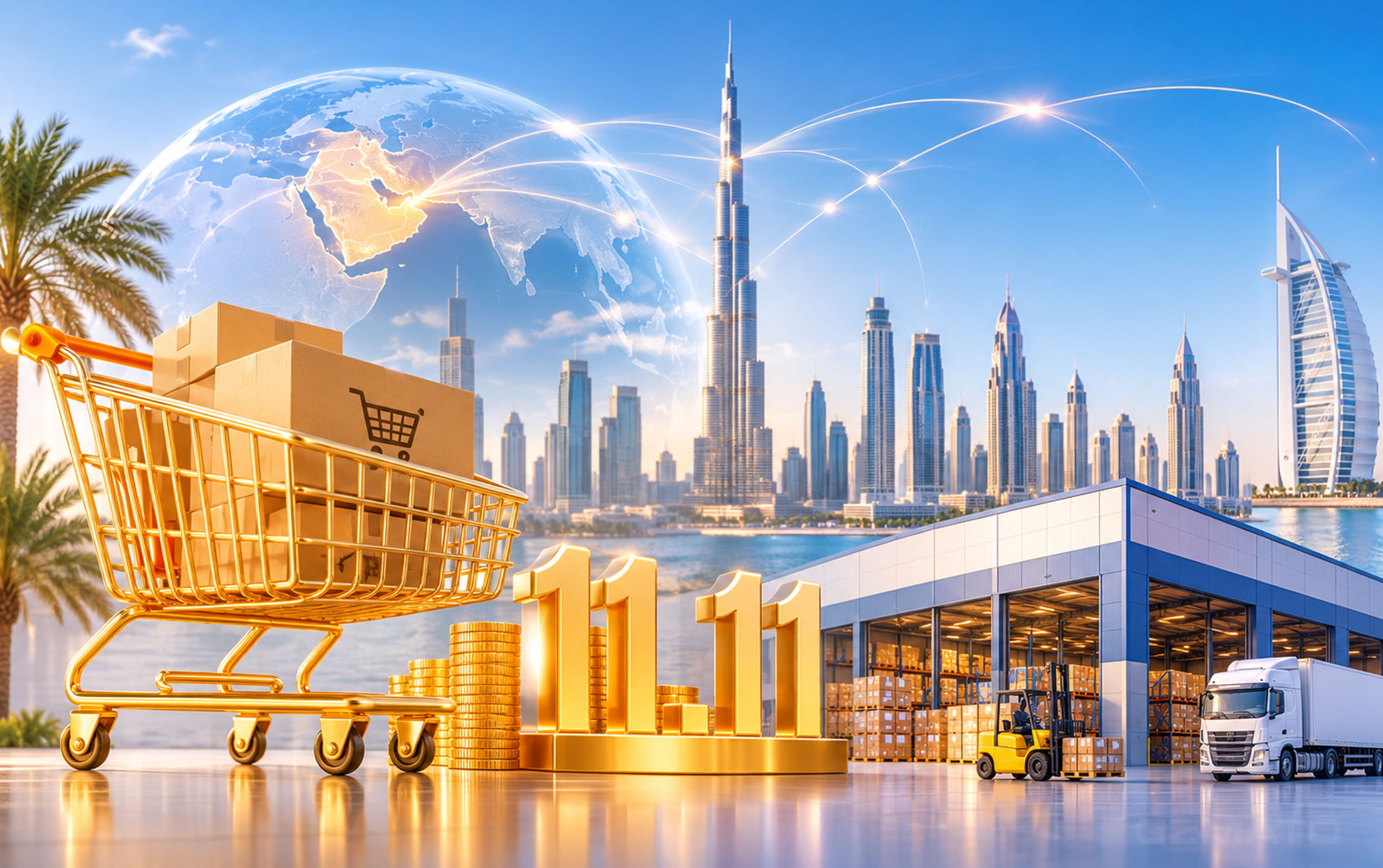
November 11, 2026 — Double 11 is usually a battlefield dominated by domestic Chinese e-commerce. But this year, an interesting data point emerged from the Middle East. According to reports, during the first week of Double 11 promotions, overseas warehouse sales in Saudi Arabia on AliExpress exploded. TCL saw its daily sales surge 23 times, hitting the top spot in the Middle East TV category; energy storage brand CTOLITY saw its portable power stations sell out within 2 hours; and brands like Roborock and 70mai experienced dozens of times growth.
It is easy to look at this and say "AliExpress is winning." But as smart sellers, we need to look past the platform and see the underlying trends. This is not just a story about one platform's success. It is a story about the shift of global consumption towards the Middle East, and the absolute necessity of local overseas warehousing. But it also comes with a warning: do not blindly follow the platform and lose control of your own supply chain.
Why the Middle East? The New Frontier for High-Ticket Items
While European sellers are struggling with new €2 handling fees and strict PID declarations, and US sellers are facing tariff uncertainties, the Middle East has quietly become a gold mine.
The data from the Double 11 sales tells a clear story. What sold out? TCL televisions, CTOLITY energy storage systems, and Roborock robot vacuums. These are not cheap, low-margin trinkets. They are high-ticket, high-quality Chinese manufactured goods.
The Middle East market (specifically Saudi Arabia and the UAE) is undergoing a massive transformation (e.g., Saudi Vision 2030). They are building smart cities and upgrading infrastructure. The local climate is hot, requiring heavy-duty cooling and energy storage. The population has high disposable income. This makes the region perfectly suited for premium electronics and smart home devices.
Why Overseas Warehouses Are No Longer Optional
If you want to sell a 75-inch TV or a heavy energy storage battery in Saudi Arabia, direct cross-border shipping is a nightmare. The logistics cost is astronomical, and the delivery time can stretch to 20 or 30 days. Consumers there expect fast, localized delivery.
This is why the overseas warehouse model is the only viable path for heavy or high-value goods. By shipping in bulk to a Saudi warehouse, sellers can bypass the long transit times of direct mail, offer 3-5 day local delivery, and drastically improve conversion rates.
This mirrors the exact logic we discussed in our previous analysis of the EU's new parcel fees. Whether you are pushed by taxes in Europe or pulled by market demand in the Middle East, the result is the same: local inventory is the new battleground.
The Cold Reality: Don't Bet Your Entire Business on Platform Traffic
While the Double 11 numbers look spectacular, we need to keep a cool head. AliExpress is a powerful platform, but as a seller, you must remember a fundamental rule of e-commerce: platform traffic is a privilege, not an asset.
The storage fees in Middle Eastern warehouses are high. Middle East return policies are complex. If your goods get stuck there, your cash flow will freeze. You cannot just throw them away like you would a cheap phone case.
Therefore, you must not use this surge in traffic as an excuse to blindly overstock. Use platform promotions to clear inventory, test new SKUs, and gather data. But do not become a mere "platform laborer." Use the profits from this red-hot period to build your own brand recognition, optimize your product quality (as per Gzmato's philosophy), and set up independent channels.
Practical Advice for Gzmato Sellers
| Strategy | Actionable Steps |
|---|---|
| Product Selection | Focus on what the Middle East actually needs: high-performance cooling devices, smart home appliances, large capacity energy storage, and durable 3C accessories. Do not try to sell cheap winter coats. |
| Inventory Strategy | Air-freight small batches to test the market first. If a SKU becomes a "hero" product, use sea freight for bulk replenishment. Never ship a full container based on a hunch. |
| Compliance | Do not forget local certifications. Saudi Arabia requires SABER/SASO certifications for many electronic products. Selling without compliance is a time bomb. |
Key Takeaways
| # | What You Need to Know |
|---|---|
| 1 | The Middle East is a high-ticket consumer market. Double 11 sales of TCL TVs and energy storage systems prove the region's strong purchasing power. |
| 2 | Overseas warehouses are the only solution for high-value goods. Cross-border direct mail is too slow and expensive for TVs and appliances. |
| 3 | Platform traffic is a double-edged sword. While platforms like AliExpress drive initial demand, over-relying on them and overstocking is highly risky. |
| 4 | Cash flow is at risk if you over-stock. If the trend shifts, you will be stuck with high storage fees and complex return logistics. |
| 5 | Use the red-hot window to build your brand. Do not just sell cheaply; use the profits to upgrade your quality and create independent distribution channels. |
| 6 | Compliance is mandatory. Do not forget local certifications (like SABER in Saudi Arabia) before attempting to sell electronics. |
- 100EC.CN (NetEase) — AliExpress Saudi Arabia Overseas Warehouse Sees Double 11 Explosion, TCL Sales Surge 23x (Nov 11, 2026)
- DSB.CN (E-Commerce Daily) — Analysis of Middle East Consumption Upgrade and Chinese Brand Globalization
- Reuters — General context on Middle East trade and logistics development
Tell us your product category and average order value, and we can help you analyze whether Middle Eastern markets are a good fit for your business. Chat with us or open a request.


- Middle East cross-border e-commerce
- Saudi Arabia overseas warehouse
- Double 11 sales
- TCL overseas sales
- cross-border inventory risk
- Gzmato