The September Effect: Why Apple's Stock Often Falls After New Product Launches
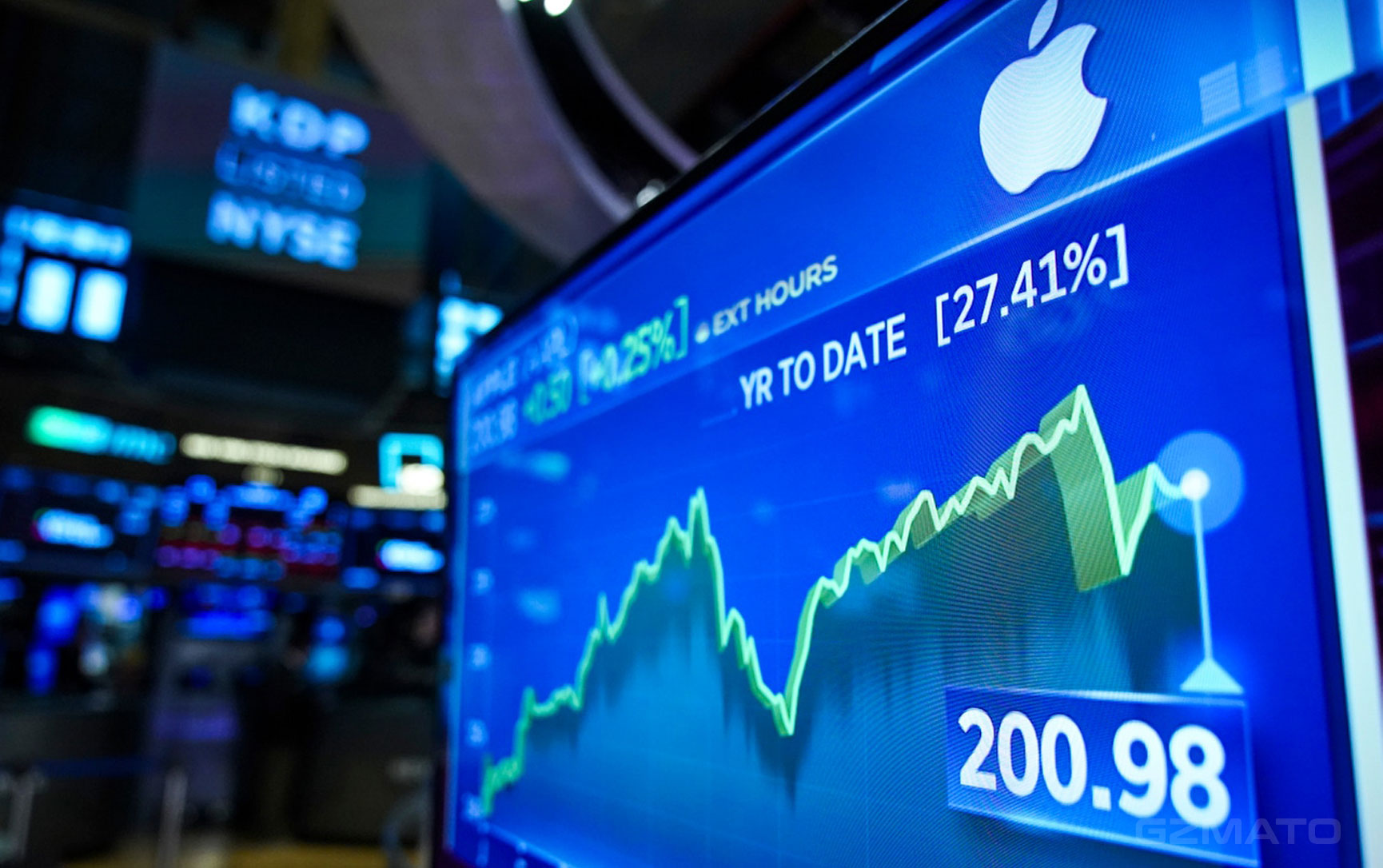
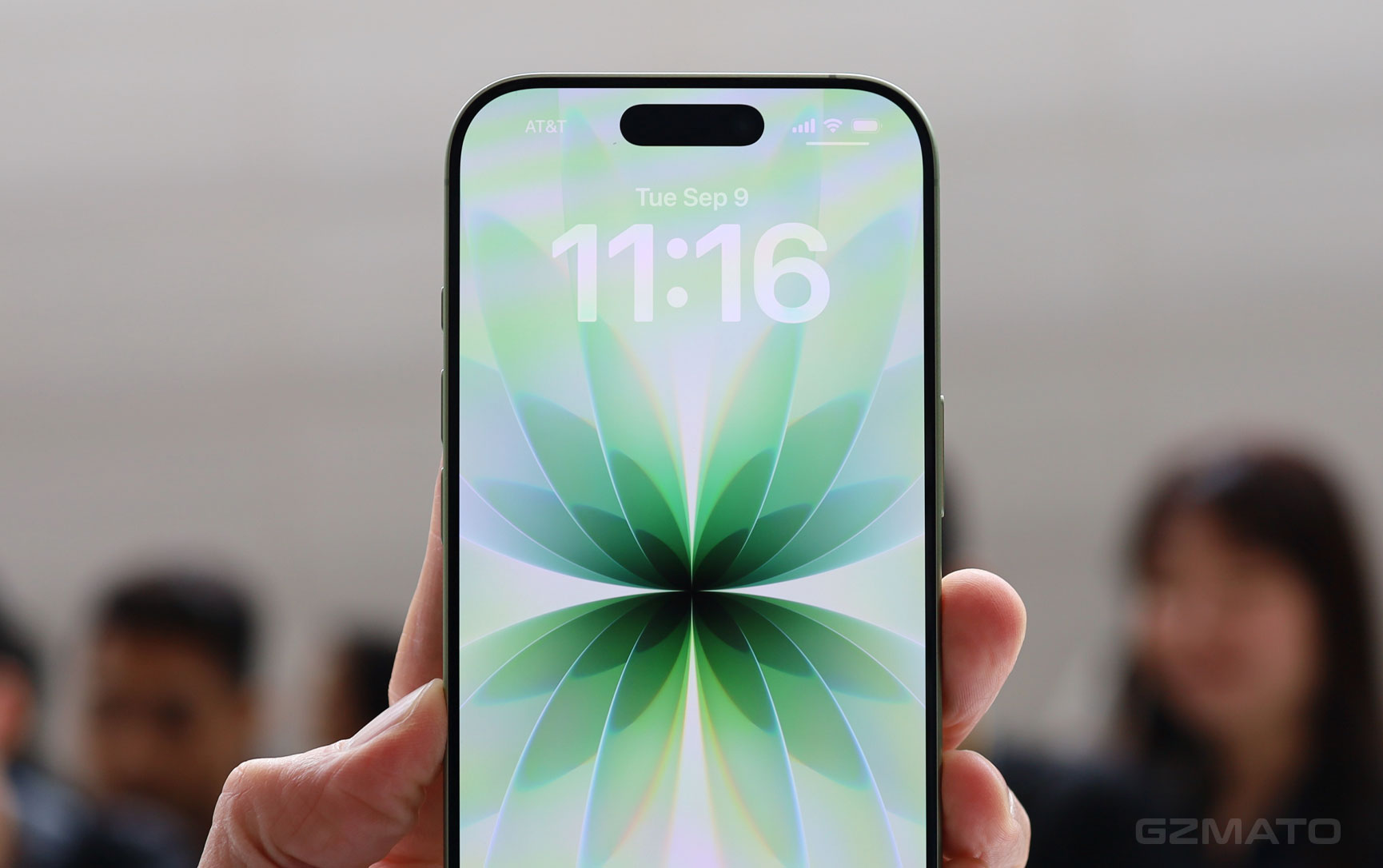
Every September, it's the same paradox: Apple unveils its latest iPhones and other products to global fanfare, yet its stock value often dips, sometimes losing billions in a single day. This seemingly counterintuitive reaction isn't a sign of flawed products, but rather a predictable reflection of market psychology and investor strategy.
The "Buy the Rumor, Sell the News" Effect
The primary driver behind the post-launch stock dip is a classic market principle: "buy the rumor, sell the news." For weeks or even months leading up to the event, Apple's stock is driven upward by a surge of speculation. Investors pour capital into the stock in anticipation of a big reveal, fueling a rally based on hype rather than fundamentals.
Once the new products are finally announced, the news is out, and the anticipation evaporates. Traders who bought during the rumor phase cash out their gains, leading to a concentrated sell-off that puts immediate downward pressure on the share price.
The Iterative Reality vs. Unmet Expectations
The financial market holds Apple to an incredibly high standard. Investors are conditioned to expect a "one more thing" moment—a revolutionary product or feature that fundamentally changes the company's trajectory. When a product launch is perceived as "iterative," focusing on predictable upgrades like a new chip or a better camera, some investors see it as a disappointment. The short-term stock drop reflects a collective sigh of unmet expectations, regardless of the quality of the products themselves.
Strategic Profit-Taking
For large institutional investors and hedge funds, the post-event period is a strategic window for profit-taking. Having held shares through the pre-launch rally, they use the event as a liquidity event to offload a portion of their holdings. This planned action by major players contributes significantly to the short-term decline. The sell-off is not an indictment of the product but a calculated financial move.
Final Analysis
The short-term dip in Apple's stock following its September events is a normal part of the hype cycle. It’s a reaction to the fulfillment of pre-event speculation and a period of strategic profit-taking by investors. It doesn’t signal a fundamental problem with the company's long-term health. The true value of Apple lies in its robust ecosystem, immense brand loyalty, and recurring service revenue, all of which continue to grow regardless of the market's initial, post-keynote reaction.

- Apple stock
- AAPL
- stock market
- iPhone launch
- market analysis
- stock trading
- investment