The Unseen Hurdles: Why Non-Invasive Glucose Monitoring Didn't Come to the Apple Watch
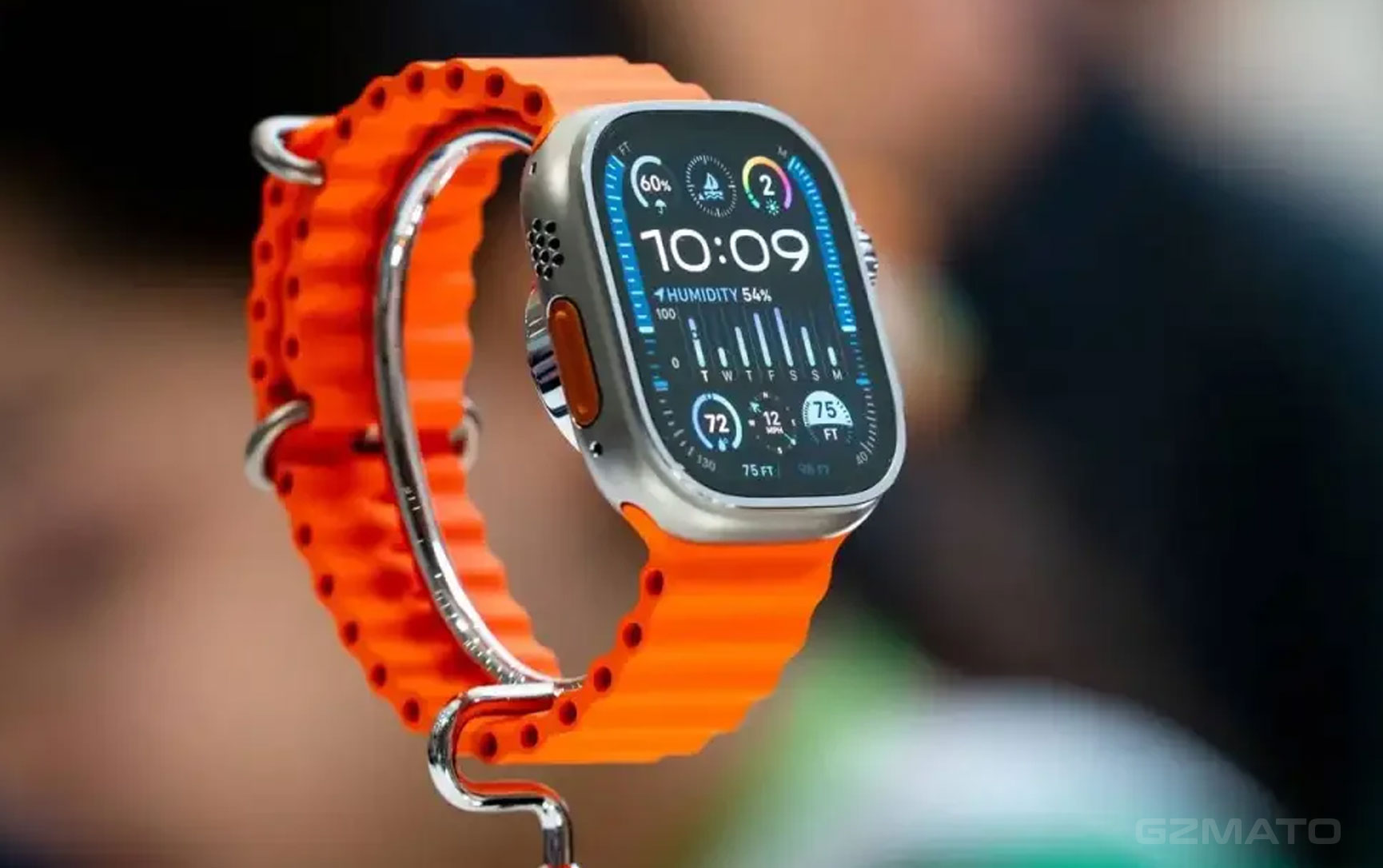
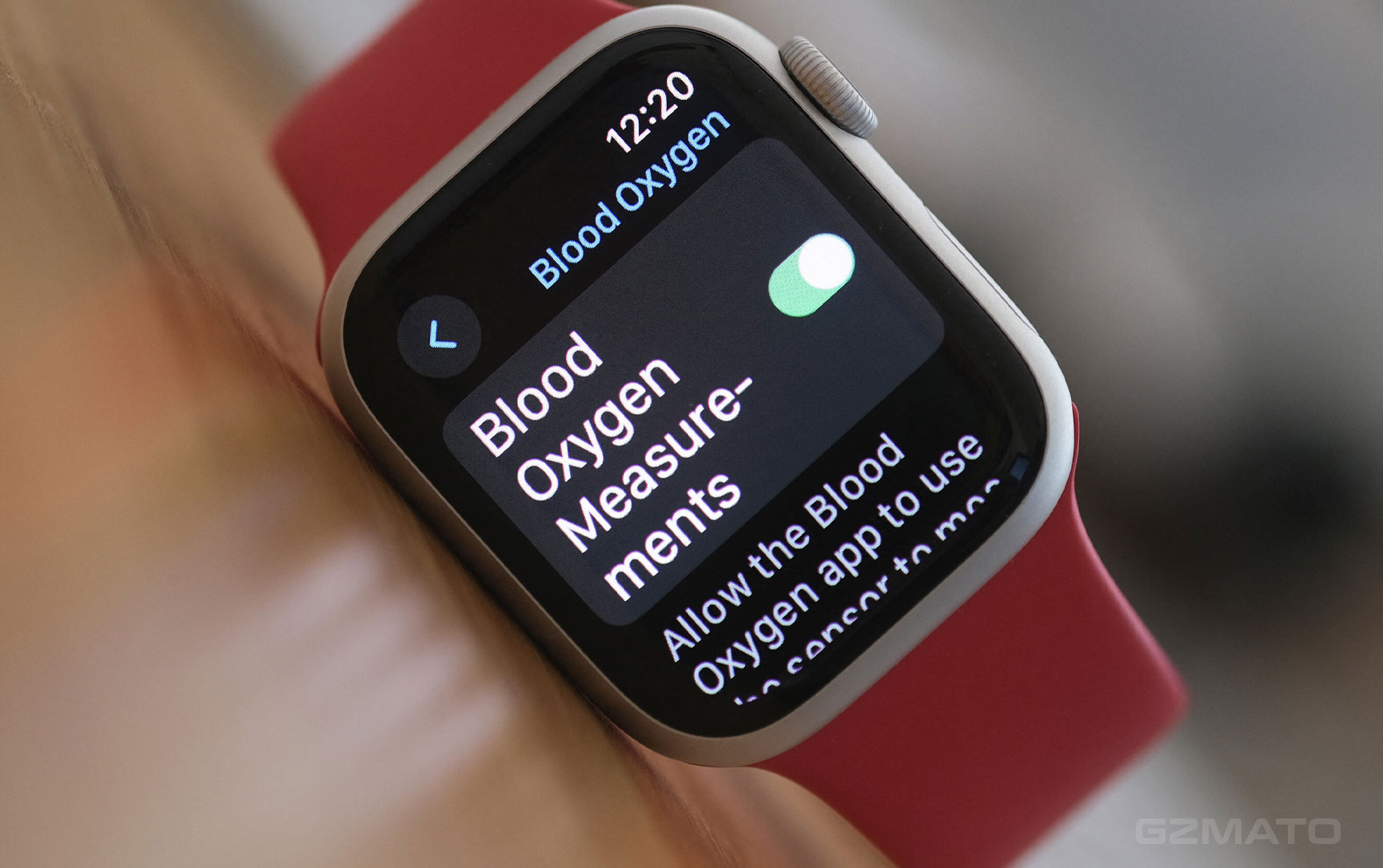
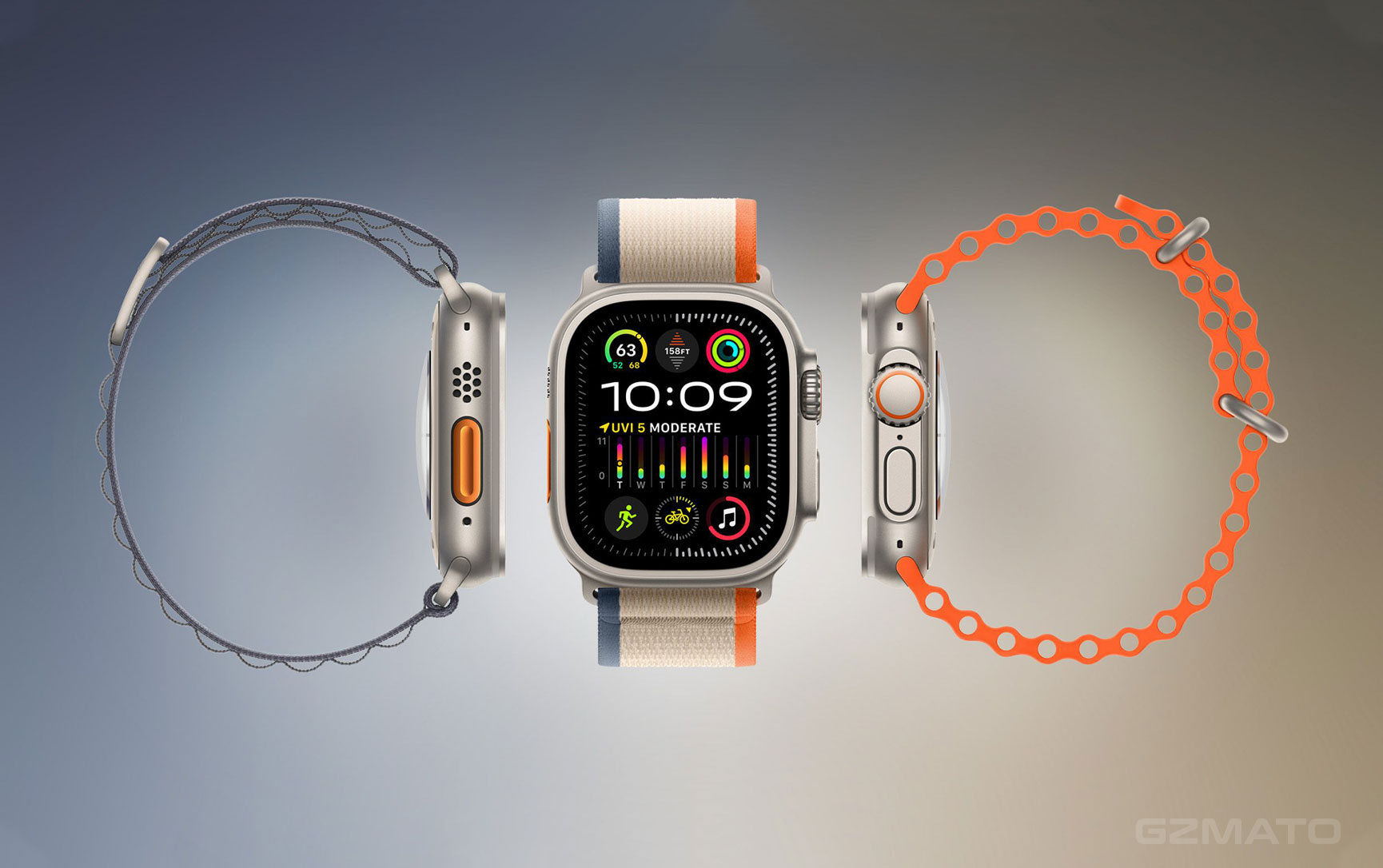
When the Apple Watch Ultra 3 launched without a non-invasive blood glucose sensor, market analysts focused on the disappointment. But the real story isn't about what Apple failed to deliver; it's about the immense technological and regulatory challenges that no company has yet to fully overcome.
The Current Standard: Minimally Invasive CGM
The technology you're likely familiar with is a Continuous Glucose Monitor (CGM). Products like Abbott's FreeStyle Libre and Dexcom's G7 use a small, wearable sensor with a tiny probe that sits just under the skin. This probe measures glucose levels in the interstitial fluid and transmits data to a smartphone. While they are a massive leap forward from frequent finger pricks, they are still considered a form of minimally invasive monitoring (a widely accepted view within the medical community).
The Hurdles of True Non-Invasive Technology
A truly non-invasive solution—one that measures blood glucose without piercing the skin at all—remains the "holy grail" of medical technology. It’s also one of the most difficult to perfect due to a few key hurdles:
- The Accuracy Problem: Measuring glucose through the skin using technologies like optical sensors (light), radio waves, or sweat analysis is incredibly difficult. (According to medical analysts), readings can be easily skewed by external factors like skin temperature, hydration levels, and even pressure on the skin. A small margin of error is a major liability when monitoring a life-critical metric.
- Regulatory Scrutiny: Any device making medical claims, especially a glucose monitor, must pass rigorous and lengthy trials by regulatory bodies like the FDA. Regulators like the FDA have an extremely high bar to ensure the device is safe and effective for patient care. The high-stakes nature of a life-critical metric means no company can afford to release a product that is not absolutely reliable.
Our Take: Apple's Calculated Caution
Apple's decision to hold back a non-invasive glucose sensor isn't a failure to innovate; it's a testament to the company's commitment to reliability. Industry consensus suggests that Apple won't release a feature until it meets their and, more importantly, the FDA's stringent standards. The technology simply isn't there yet to be both truly non-invasive and consistently accurate. The real story here is not about what's missing, but about the long game Apple is playing to ensure that when this technology finally arrives, it works flawlessly and safely.
- Apple Watch
- glucose monitoring
- non-invasive
- Apple Watch Ultra
- CGM
- medical tech
- FDA
- health tech