Apple Gives Up on Vision Pro After M5 Flop: Pivots to AI Smart Glasses
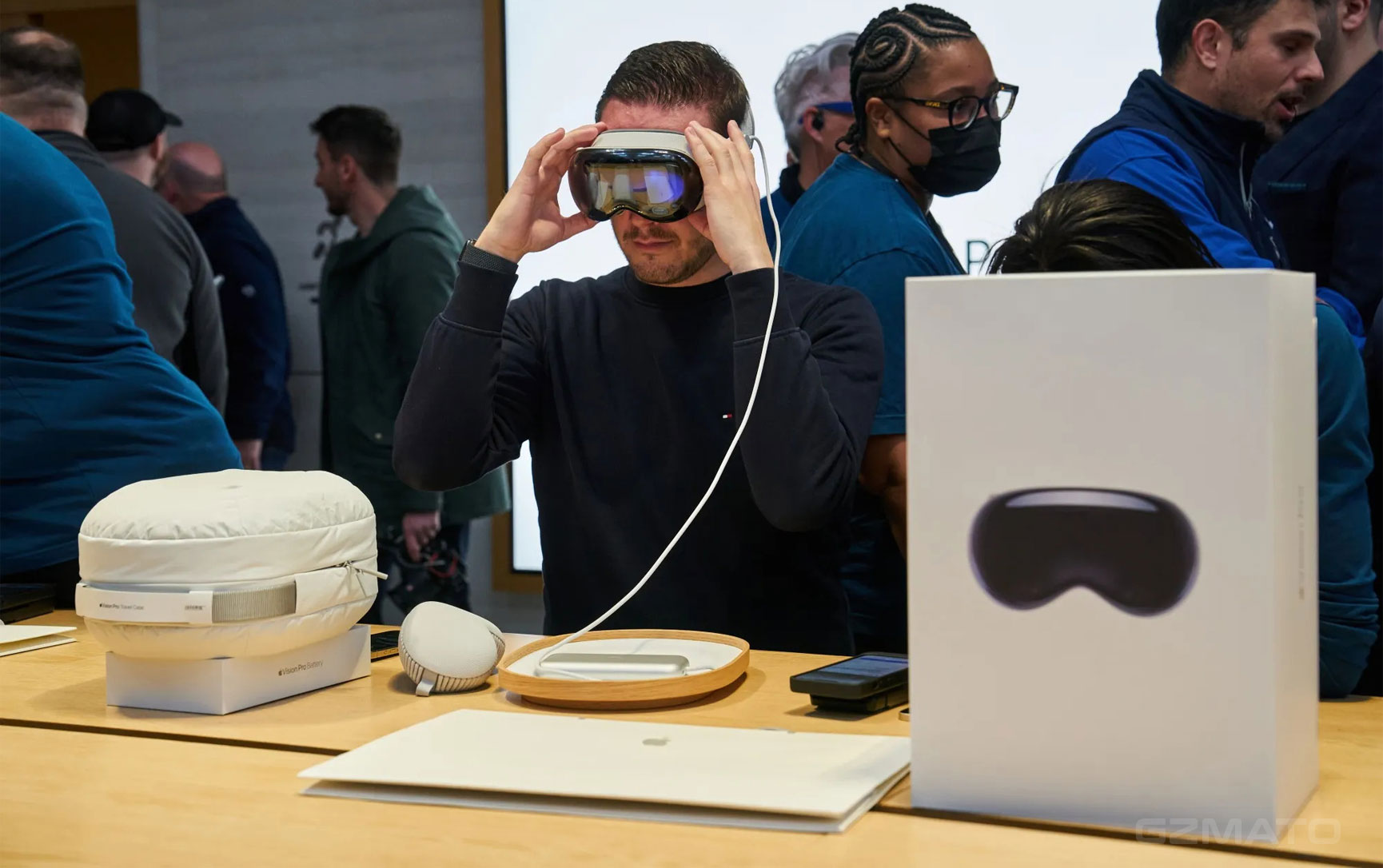
April 30, 2026 – Apple has quietly given up on the Vision Pro. According to a bombshell report from MacRumors, the company has effectively abandoned the mixed reality headset line after the M5 refresh failed to generate any meaningful interest [citation:1]. The team has been disbanded, resources have been redirected, and Apple is pivoting hard to a completely different product category: AI-powered smart glasses [citation:1][citation:6].
Apple Gives Up on Vision Pro
It's the end of a brief, expensive era. Apple has "all but given up" on the Vision Pro after the M5 model failed to revitalize interest in the device [citation:1]. The company has stopped work on future versions, the Vision Pro team has been redistributed to other teams within Apple, and some former team members are now working on Siri [citation:1].
While Apple hasn't officially discontinued the M5 model – it remains available for purchase – there are "no plans" to launch a new generation [citation:1]. The cheaper "Vision Air" project has been tabled indefinitely [citation:1]. Apple may revisit the category if technology enables a much cheaper, lighter headset in the future, but for now, the Vision Pro is effectively dead [citation:1].
By the Numbers: A Historic Failure
Since its launch in February 2024, Apple has sold approximately 600,000 Vision Pro units worldwide [citation:1][citation:4]. To put that in context:
- The original iPhone sold 1.4 million units in its first quarter alone
- The Apple Watch sold 4.2 million in its first quarter
- The iPad sold 3 million in its first 80 days
Insider sources told MacRumors that Apple has received an "unusually high percentage of returns" for the Vision Pro, "far exceeding any other modern Apple product" [citation:1]. Even customers willing to pay $3,500 were returning the device after experiencing its limitations.
Why the Vision Pro Failed
| Issue | Impact | Details |
|---|---|---|
| Price | Entry barrier | $3,499 – more than MacBook Pro, iPhone, and iPad combined |
| Weight | Wearability | 750-800g (1.3+ lbs) – heavy on face and nose bridge |
| Content | Ecosystem | Struggled to attract developers; few "must-have" apps |
| Isolation | Experience | Cut you off from surroundings; best for solo use |
Price was the biggest barrier. At $3,499, the Vision Pro was priced out of reach for all but the wealthiest early adopters – and even they returned it [citation:1][citation:4]. The value proposition never matched the cost.
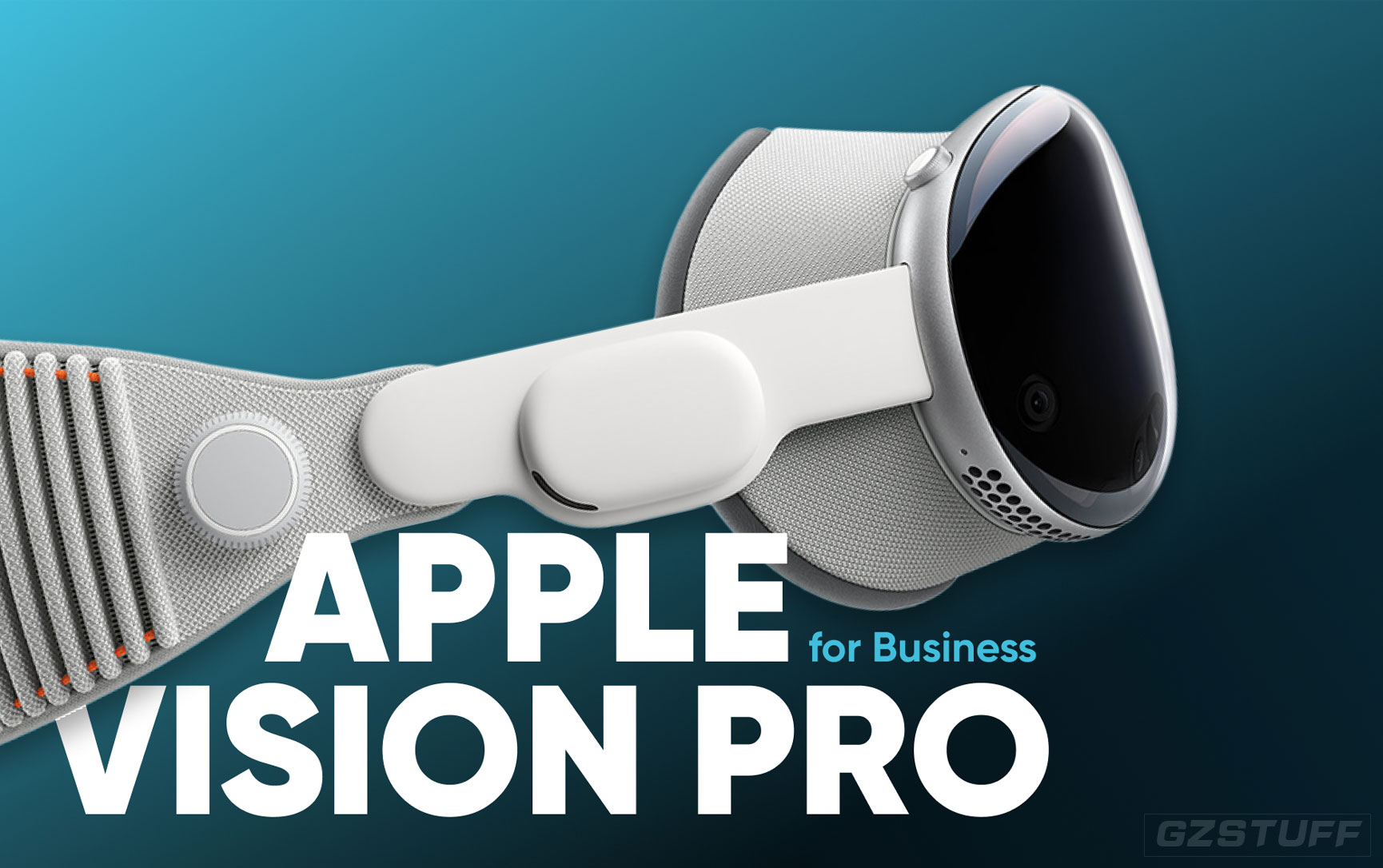
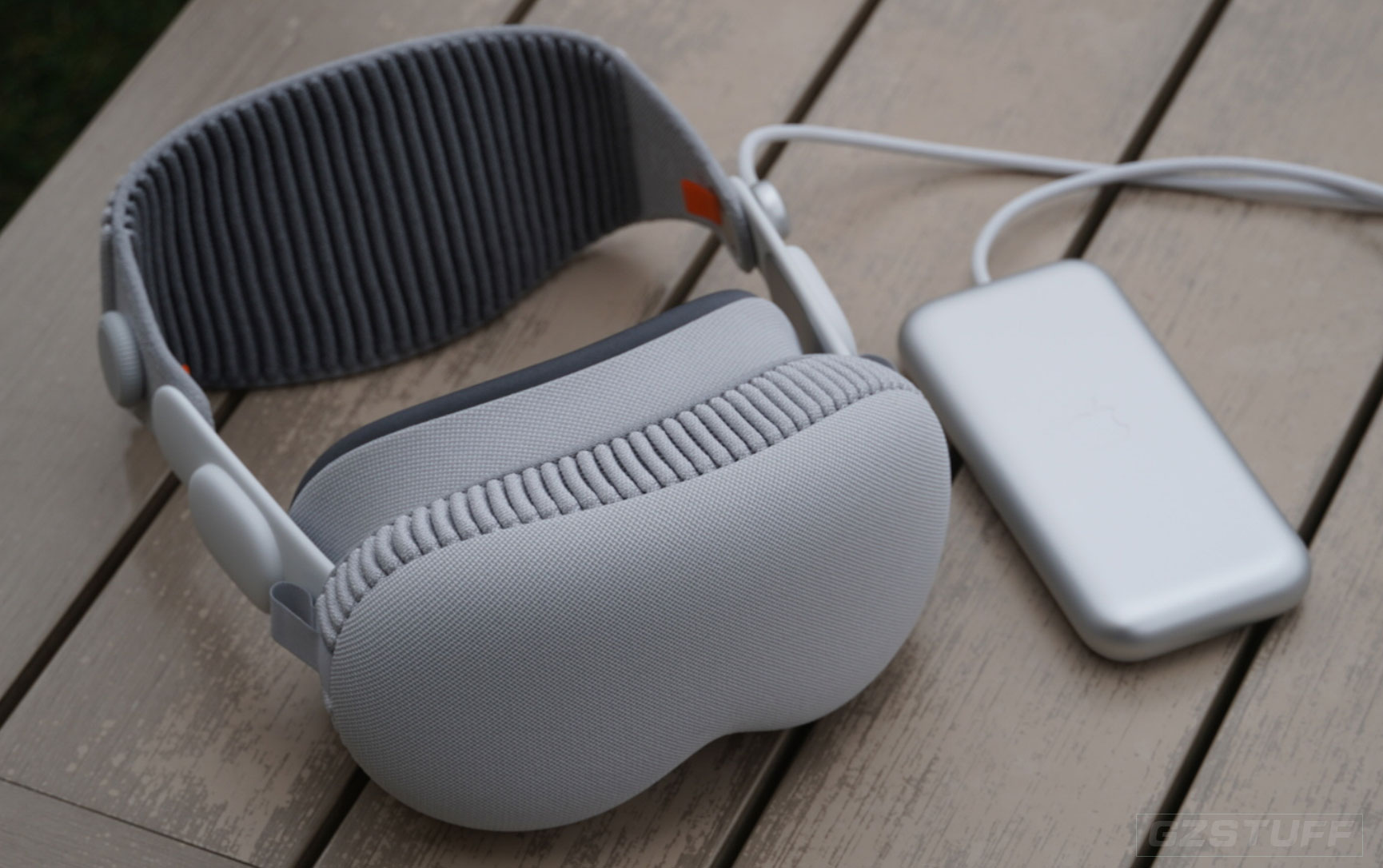
Weight made extended use painful. The device weighs between 750 and 800 grams (over 1.3 pounds) depending on headband choice [citation:4]. Users consistently complained about pressure on the nose area. Even Apple's redesigned "Dual Knit Band" couldn't fix the fundamental comfort problem [citation:1].
Content never materialized. Developers were hesitant to build for a $3,500 niche device. Without a robust app ecosystem, the Vision Pro lacked "killer apps" beyond impressive but shallow tech demos [citation:6].
Why the M5 Refresh Didn't Help
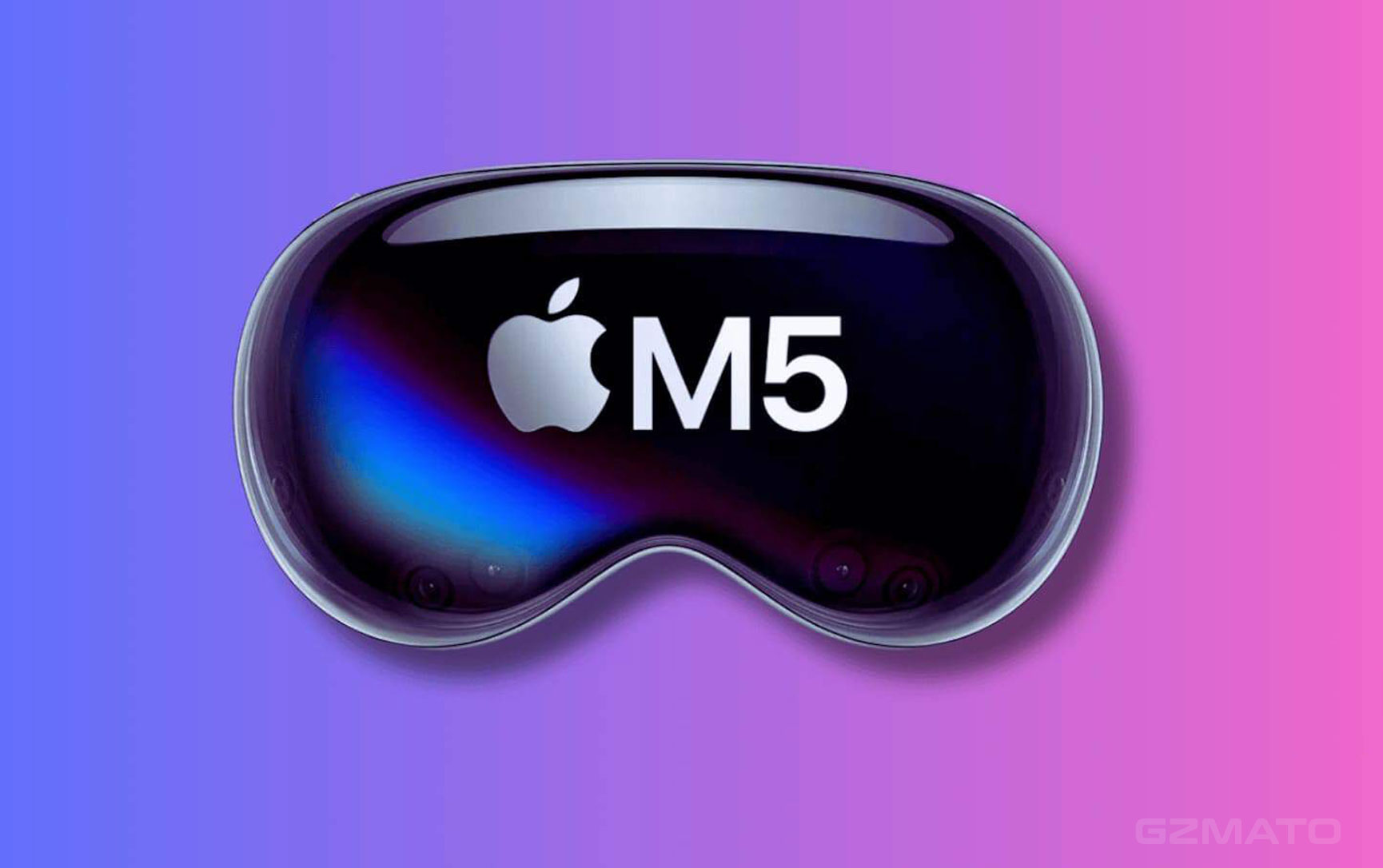
In October 2025, Apple updated the Vision Pro with its latest 3nm M5 chip, hoping to spark renewed interest [citation:1]. The refresh brought modest improvements:
- 120Hz refresh rate (up from 90Hz)
- 10% more rendered pixels
- Approximately 30 minutes of additional battery life
But the core issues remained: the $3,499 price didn't drop, the weight didn't decrease, and the content library didn't grow [citation:1]. Consumers still weren't interested, and the M5 model flopped just as badly as the original.
What's Next: Apple Glasses
Instead of continuing down the expensive, heavy headset path, Apple is pivoting to a completely different product category: AI-powered smart glasses with no built-in display [citation:1][citation:5].
Product philosophy: Rather than an immersive computing platform, Apple Glasses will be an iPhone-connected AI accessory – essentially an "AirPods with eyes" [citation:2]. Core functionality includes AI assistance, camera-based visual intelligence, and audio output through built-in speakers, all while looking like regular glasses [citation:2][citation:5].
Key hardware details:
- Two cameras: A high-resolution camera for photos/videos, plus a lower-resolution wide-angle lens for hand gesture recognition [citation:7]
- No display, no LiDAR, no 3D cameras: These features consume too much power for a lightweight form factor [citation:7]
- Custom S-series chip: Based on Apple Watch processors, optimized for extreme power efficiency [citation:4][citation:6]
- Acetate frames: Lightweight plant-based material, multiple styles (large rectangular, slim rectangular, oval/circular designs) [citation:5]
Gesture controls: Apple is bringing hand gesture-based input from the Vision Pro to the glasses – using the wide-angle camera to detect finger movements [citation:7]. This is part of a broader Apple push into gesture control, with similar features expected in future AirPods [citation:7].
Timeline: Rumors suggest Apple could preview the glasses at WWDC 2026, with a launch following in 2027 [citation:2][citation:5]. The company is testing multiple frame styles and color options, with designs including black, ocean blue, and light brown finishes [citation:5].
Apple Glasses vs. Meta Ray-Ban: The Battle Ahead
| Feature | Meta Ray-Ban (Current) | Apple Glasses (Rumored) |
|---|---|---|
| Display | No (Base model) / Yes (Display edition) | No (First version) |
| Camera | 12MP main + additional sensors | Two – main + wide-angle for gestures |
| AI Assistant | Meta AI (Llama-powered) | Gemini + Siri |
| Gestures | Touch-sensitive temple | Camera-based hand gesture recognition |
| Ecosystem | Meta/WhatsApp/Instagram | Apple ecosystem (iPhone, Mac, AirPods) |
| Launch Window | Available now (Gen 3) | Late 2026 – 2027 |
The Bigger Picture: Apple's Strategic Pivot
Apple's pivot away from the Vision Pro and toward AI glasses reveals a significant strategic shift. The company spent years and billions developing high-end mixed reality technology, only to discover that consumers don't want a heavy, expensive headset – even one with Apple's legendary engineering.
Why this matters for Apple: The smart glasses market is still nascent, but growing rapidly – up 139% year-over-year [citation:5]. Meta has established a clear lead with its Ray-Ban collaboration, but the market is far from saturated. Apple's traditional strategy has been to enter categories late with a more polished product and take over (iPod, iPhone, iPad, Apple Watch). That playbook is now being applied to smart glasses.
The challenge: Unlike earlier categories where Apple faced fragmented competition, Meta has a substantial head start, strong partner relationships (EssilorLuxottica owns Ray-Ban), and a proven product-market fit [citation:10]. Apple's strengths – ecosystem integration, privacy branding, and Siri's evolution – could still give it an edge, but the company is playing catch-up [citation:2].
Final Verdict: A Rare Apple Failure, A New Beginning
The Vision Pro will be remembered as one of Apple's rare product failures. Despite breathtaking technology, the company misjudged the market's appetite for a $3,500, 1.3-pound headset with limited content. The unusually high return rate suggests even early adopters weren't satisfied [citation:1].
But the pivot to AI glasses is the right move. The market for lightweight, camera-equipped, AI-powered glasses is proven and growing – Meta sold millions of Ray-Bans in 2025 [citation:5]. Apple's version will benefit from ecosystem integration, privacy branding, and a smarter version of Siri expected in iOS 27 [citation:7].
What to watch: If Apple can deliver a stylish, comfortable pair of glasses that seamlessly integrates with iPhone and offers genuinely useful AI features, it could finally succeed where the Vision Pro failed. But with Meta already dominating the category, Apple has ground to make up.
Get Ready for Smart Wearables at Gzmato
Smart Glasses | AI-Powered Devices | Premium Audio Accessories | Charging Cases
Special Offer: Use code WEARABLE15 for 15% off your first purchase
Shop Smart Wearables Now →Data Sources & Methodology (as of April 30, 2026):
- MacRumors – Vision Pro abandonment report (April 29, 2026) [citation:1]
- Bloomberg / Mark Gurman – Apple Glasses details via The Indian Express (April 13, 2026) [citation:5]
- MacRumors – Apple Glasses gesture control details (April 29, 2026) [citation:7]
- 36kr / 镁客网 – Apple Glasses feature roundup (April 2026) [citation:2]
- 中关村在线 – Vision Pro pivot analysis (January 2026) [citation:6]
- Stuff.tv – Apple-Meta smart glasses race (April 29, 2026) [citation:3]
- Apple Vision Pro discontinued
- Vision Pro failure
- Apple Glasses
- AI smart glasses
- Vision Pro sales
- Meta Ray-Ban competitor
- Apple pivot