Google I/O 2026: Gemini 4.0, Android XR Glasses, Aluminum OS & More
- Google I/O 2026: What to Expect
- Full Schedule & Key Dates
- Gemini AI: The Next Generation
- Android XR Glasses: The Come Kid
- Android 17: What's New
- Aluminum OS: Merging Android and ChromeOS
- Creative AI Tools: Veo, Lyria & Beam
- Developer Tools & Ecosystem
- Final Verdict: What to Watch
- Shop AI-Ready Devices at Gzmato
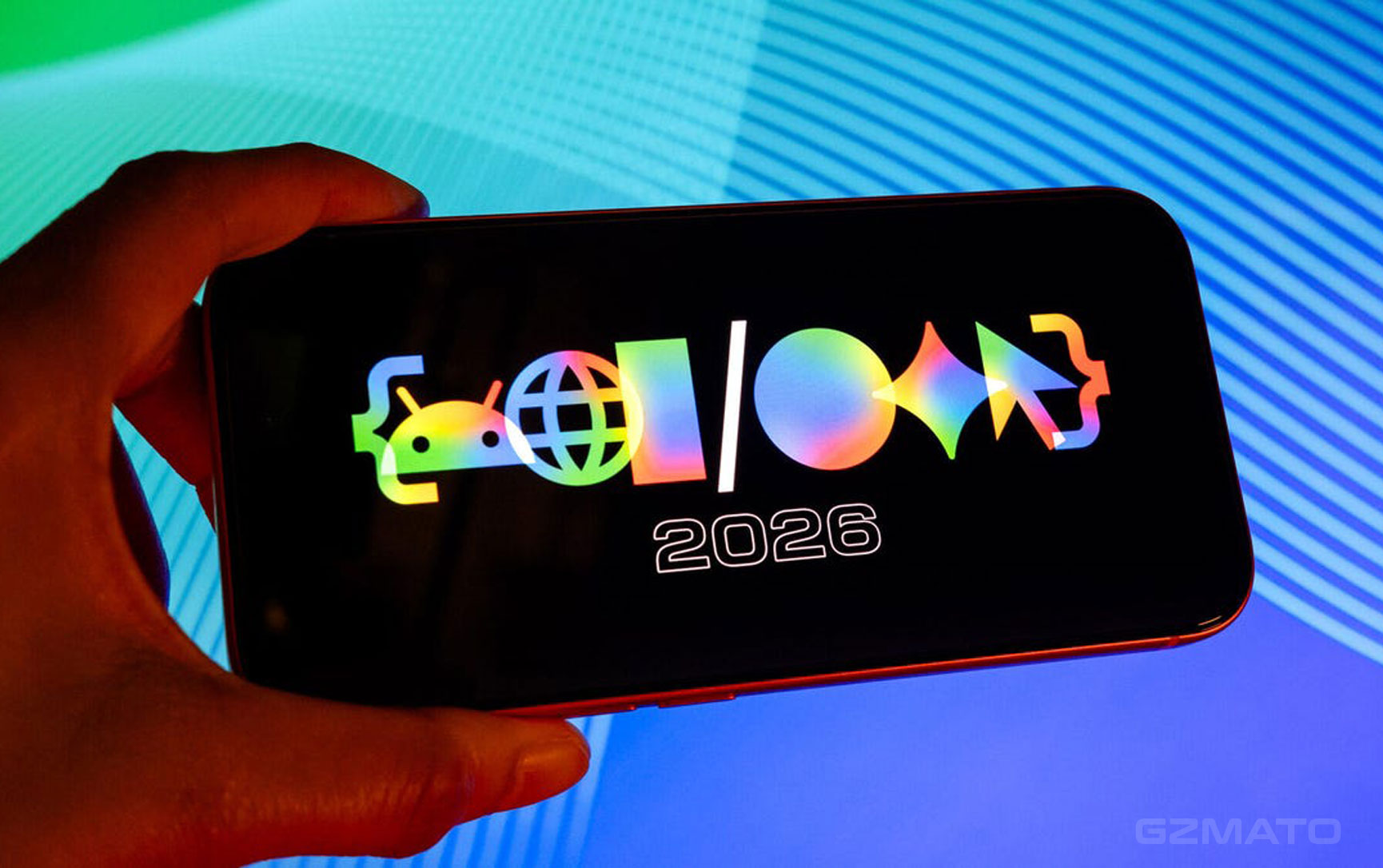
April 29, 2026 – Google I/O 2026 is just three weeks away. The annual developer conference, scheduled for May 19-20 in Mountain View, California, is shaping up to be one of Google's most consequential events in years – with AI at the center of virtually every announcement.
Google I/O 2026: What to Expect
Google I/O 2026 will take place on May 19-20 at the Shoreline Amphitheatre in Mountain View, California, with the main keynote starting at 10 AM PT on May 19.
With deep learning pioneer Demis Hassabis at the helm of Google DeepMind, the company has been quietly building what could be its most important hardware launch since the Pixel phone: Android XR smart glasses. Combined with a rumored Gemini 4.0 update, Android 17, and the mysterious "Aluminum OS," this I/O has the potential to be a defining moment for Google's ecosystem.
Full Schedule & Key Dates
| Event | Time (PT) | Focus |
|---|---|---|
| Google Keynote | May 19, 10:00 AM | Gemini AI, Android XR, major announcements |
| Developer Keynote | May 19, 1:30 PM | APIs, tools, platform updates |
| The Android Show | May 12 (pre-I/O) | Android 17 deep dive |
| Breakout Sessions | May 19 afternon | AI, Android, Chrome, Firebase |
| On-Demand Content | May 20-21 | Sessions and codelabs |
Gemini AI: The Next Generation
Google's flagship AI model will take center stage at I/O 2026. Whether named Gemini 4.0 or 3.8, the new version promises significant improvements in speed, intelligence, and integration across Google's product ecosystem.
Research variant "Deep Think" reportedly achieved an 84.6% score on the ARC-AGI2 benchmark and reached 3,455 ELO on Codeforces – placing it in the top 0.2% of programmers worldwide.
New Notebooks Feature: Users can now store sources on specific topics in dedicated "notebooks" – self-contained databases that serve as persistent context for Gemini conversations. Unlike NotebookLM (which only uses user-provided content), Gemini will use notebook context while also searching the internet for broader answers.
Dynamic Visualizations: When you ask Gemini to "show" or "visualize" something, it can now generate dynamic interactive simulations directly in the chat interface.
Agentic AI Direction: Gemini is evolving from a chat assistant to autonomous agents that can perform complex tasks with minimal human oversight – from booking flights to managing email workflows.
Android XR Glasses: The Comeback Kid
After years of patience following the Google Glass backlash, Google is returning to the smart glasses market – and this time, it looks very different.
Project Aura & XREAL Partnership: Google partnered with Chinese AR glasses maker XREAL on a wired XR glasses model. Google described the collaboration as "the most complete hardware sample closest to the Android XR ideal."
Key Specs:
- 70-degree optical see-through FOV (largest practical consumer AR field of view)
- XREAL's X1S spatial computing chip
- Multimodal Gemini fused with cameras, microphones, and environmental sensors
- Android XR open native AI OS
Multiple Partners, Multiple Models: Beyond XREAL, Google has also partnered with Warby Parker (wireless monocular XR glasses) and Gentle Monster (Korean fashion eyewear brand) – with iOS compatibility confirmed. Price points are expected to range from entry-level to premium luxury.
Key Features: Heads-up notifications, live translation, Gemini Live integration, hands-free interactions via Gemini voice commands, and the ability to ask Gemini questions about what you're seeing through the glasses.
Android 17: What's New
Android 17 has been in beta since February, with four beta releases so far – the latest in mid-April. The official release is expected in June or July 2026, timed with the next Pixel launch.
App Bubbles (Marquee Feature): Users can pop any app into a floating window and shrink it to a bubble on the screen edge – improving multitasking significantly.
Gemini Across More Devices: Google announced that Gemini will be integrated into Wear OS smartwatches, Android Auto, Google TV, and Android XR devices in the coming months.
Material 3 Expressive: A new design language with fluid animations, customizable quick settings, and optimized home screen grids – without excessive battery drain.
AI-Powered Scam Detection: Google is expanding Pixel-exclusive AI-based scam detection to all Android devices, protecting Google Messages users from SMS/phone scams.
Aluminum OS: Merging Android and ChromeOS
One of Google's most intriguing projects is Aluminum OS – a new operating system that merges Android and ChromeOS into a single unified platform. The goal is to bring the full Android app ecosystem to laptops while retaining Chrome's web browsing capabilities.
What to expect: Aluminum OS would enable seamless integration between Android phones and computers, run all Android apps natively, integrate Gemini at the system level, and could potentially signal the return of the Pixelbook.
Google has officially confirmed the Aluminum OS timeline, and I/O 2026 would be the perfect stage for the first public demonstration. The platform is a direct competitor to Windows and macOS in the desktop space.
Creative AI Tools: Veo, Lyria & Beam
Veo (AI Video Generation): Current VO3.1 generates up to 8 seconds of video. Veo 4 is expected to produce 10-30 second clips at 4K resolution, with built-in storyboarding and improved scene consistency. A Wikipedia entry listed an April 2026 release date for VO4.
Lyria 3 Pro (AI Music Generation): Generates three-minute songs with full vocals, instruments, and song structure – six times longer than the previous version.
Beam (3D Video Conferencing): A futuristic video conferencing solution that uses multiple cameras to render you as a 3D model, creating an immersive face-to-face experience.
Developer Tools & Ecosystem
Google AI Studio & Antigravity: New low-code AI app development platform and AI code generation tools.
Android Studio + AI: Gemini-assisted automated development workflows.
Firebase Upgrade: Transitioning to an agent-native platform.
Gemma Updates: Google's open-source model family.
Flutter Progress: Open-source UI framework updates.
Final Verdict: What to Watch
For AI enthusiasts: Gemini 4.0/3.8 is the obvious headline. But the more interesting story may be Google's "agentic AI" direction – autonomous agents that can control your browser, manage workflows, and book travel on your behalf.
For hardware fans: Android XR glasses are the most tangible new product. With multiple partners (XREAL, Warby Parker, Gentle Monster) and price tiers, 2026 could finally be the year smart glasses become mainstream – over a decade after Google Glass first failed.
For developers: Aluminum OS represents a potential shift in how Android apps will run on desktops. Android 17's "app bubbles" will also change how multitasking works on phones and tablets.
For Google ecosystem users: The integration of Gemini across Wear OS, Android Auto, Google TV, and Android XR means AI assistance will follow you everywhere – from your wrist to your car to your glasses.
Stay Ahead of AI at Gzmato
Android Phones | Chromebooks | Smart Glasses Accessories | Development Tools
Special Offer: Use code GOOGLEIO15 for 15% off your first purchase
Shop Google Devices Now →Data Sources & Methodology (as of April 29, 2026):
- 澎湃新闻 – Google I/O 2026 comprehensive preview (April 28, 2026)
- CNET – What to expect at Google I/O 2026 (April 26, 2026)
- VIVA Gadget – Gemini 4.0 and Android XR debut (April 27, 2026)
- Zhiding – I/O 2026 highlights and announcements (April 15, 2026)
- AINave – AI innovations and hardware surprises (April 27, 2026)
- Google I/O 2026
- Gemini 4.0
- Android XR glasses
- Aluminum OS
- Android 17
- Project Aura
- Veo 4
- Lyria 3 Pro
- Google AI assistant