DREAME AURORA Silicon Valley Launch 2026: AIOS, Modular Phones, and the $30K Luxury Gamble
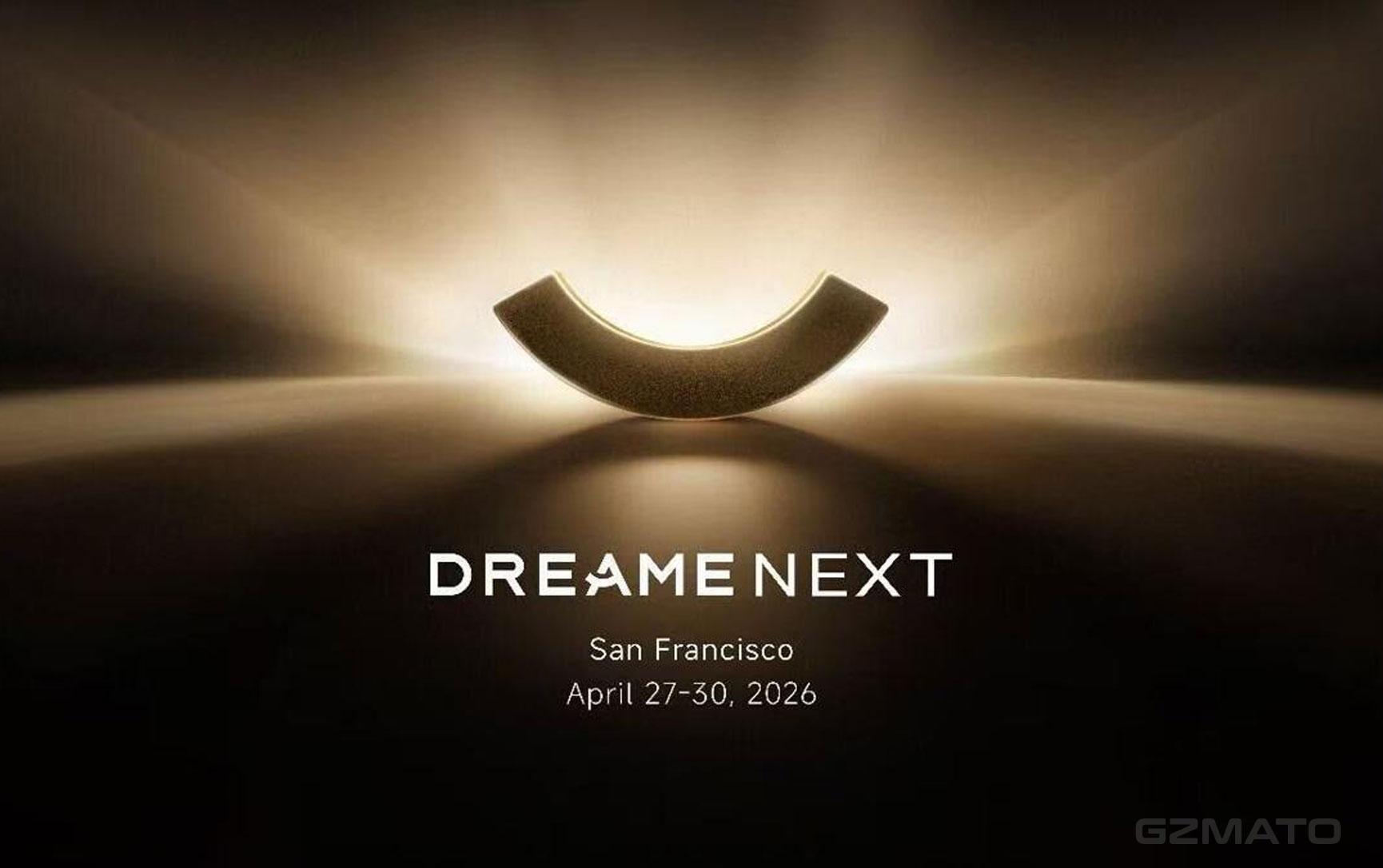
- DREAME AURORA Goes to Silicon Valley: What "Connect NEXT" Really Means
- Why the Palace of Fine Arts? A Venue Loaded with Meaning
- The Software Gambit: AIOS as Apple's Spatial Computing Moment
- Hardware That Evolves: Modular Phones and Beyond
- The Luxury Narrative: Why $30,000 Phones Exist
- The "Mystery Heavyweight": Who Is Showing Up?
- The Elephant in the Room: PR Overload and Skepticism
- Final Verdict: A Declaration of War or a Mirage?
- Shop Smart Devices at Gzmato
April 29, 2026 – A Chinese company best known for its robot vacuums and smart home appliances is about to make a bold statement in the heart of Silicon Valley. DREAME AURORA, the premium sub-brand of consumer robotics maker Dreame, is holding a launch event today at San Francisco's Palace of Fine Arts under the tagline "Connect NEXT" [citation:1][citation:5].
DREAME AURORA Goes to Silicon Valley: What "Connect NEXT" Really Means
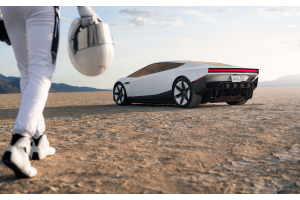
This isn't a routine product launch. DREAME AURORA is bringing its full portfolio to the global stage: phones, cars, and home appliances, unified under the banner of a "human-car-home" ecosystem [citation:3]. The slogan "Connect NEXT" hints at something larger than incremental hardware updates — a rethinking of how people, devices, and experiences connect.
Why the Palace of Fine Arts? A Venue Loaded with Meaning
The choice of San Francisco's Palace of Fine Arts is deliberate — and loaded with symbolism. Built for the 1915 Panama-Pacific Exposition, the venue is where Steve Jobs held his 2011 wedding, a place of inspiration and aspiration [citation:3].
But the location also carries a shadow. Ten years ago, another Chinese company — LeEco — stood on the same stage and unveiled an ambitious "ecosystem" spanning TVs, phones, bikes, VR, and concept cars. That story ended in collapse [citation:3]. DREAME AURORA is betting on a different ending.
By choosing Silicon Valley for its global debut, DREAME AURORA is signaling confidence — and perhaps, defiance. This is an "away game" appearance, facing the industry's most critical audience on its home turf [citation:1].
The Software Gambit: AIOS as Apple's Spatial Computing Moment
The centerpiece of DREAME AURORA's software strategy is AURORA AIOS 1.0, an in-house AI operating system that has already completed multiple rounds of internal testing [citation:2][citation:7]. The company plans to release it officially in the second half of 2026, starting with select AURORA devices [citation:4].
What makes AIOS different from existing mobile OS platforms? According to company materials, AIOS is built on four core pillars [citation:2][citation:7]:
- AI Imaging: Real-time parameter optimization based on scene, lighting, and even skin tone; post-capture automatic flaw correction
- AI Privacy & Security: Automatic disconnection from unsafe networks, satellite communication when needed, and AI-powered financial transaction protection
- AI Agent: Facial emotion recognition delivering personalized experiences — from recommending restaurants for happiness to playing soothing content for anxiety
- AI Aesthetics: Dynamic wallpapers that change based on mood and calendar events, creating an emotionally responsive interface
Hardware That Evolves: Modular Phones and Beyond
The Modular Phone Returns — With Better Timing
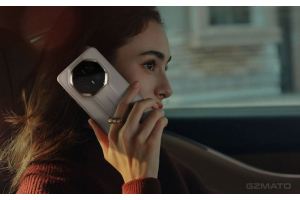
At AWE 2026 in March, DREAME AURORA previewed its first modular flagship: the AURORA NEX LS1 [citation:2][citation:9]. The concept is simple but technically challenging — separate the phone body from a detachable camera module that includes its own SoC, sensors, power, and connectivity.
The camera module, which attaches magnetically, features a triple-lens setup with a 1-inch sensor and 115mm native optical zoom — capabilities usually reserved for dedicated cameras [citation:2][citation:7].
Why now? Previous modular phone attempts failed because supply chains and computing power weren't ready. DREAME AURORA believes the time has finally come, with mature components and ample processing power to support modular designs [citation:7].
Future modules could include AI agents, satellite communication, a secondary display, audio recording, and wireless charging adapters [citation:2][citation:4].
The Luxury Narrative: Why $30,000 Phones Exist
DREAME AURORA is dividing its product strategy into two distinct tiers: the "LUX" high-end line and the "NEX" flagship imaging line [citation:2][citation:9]. The pricing tells the story:
- "Light Luxury" models: Under $10,000
- "High Luxury" models: $30,000 and above
One showcased model priced at approximately $40,000 featured 24-karat gold accents (20-30 grams), 80-90 diamonds totaling around 2 carats, and premium materials throughout [citation:9].
This positioning moves beyond the spec wars that define mainstream premium phones like the iPhone Pro Max or Galaxy Ultra. Instead, DREAME AURORA is courting ultra-high-net-worth individuals who value exclusivity, craftsmanship, and status as much as performance [citation:1].
The "Mystery Heavyweight": Who Is Showing Up?
In the days leading up to the launch, rumors circulated about a "mystery heavyweight" industry figure who would appear on stage [citation:1][citation:5]. Speculation has focused on names like Sebastian Thrun (co-founder of Google X and Waymo), who has already appeared in DREAME automotive presentations [citation:8]. Other possibilities include AI luminaries, automotive industry veterans, or luxury brand partners.
The Elephant in the Room: PR Overload and Skepticism
Not everyone is convinced. In the weeks leading up to the launch, DREAME AURORA faced criticism for an aggressive - and apparently uncoordinated - public relations campaign.
Yifan Yu, a tech journalist at Nikkei Asia, publicly called out DREAME for employing 12 different PR agencies to handle the same launch — with no coordination, leading to message overlap and confusion [citation:3].
Her point was sharp: "If you actually have a good story to tell, you don't need 12 PR firms to tell it." [citation:3]
Meanwhile, DREAME founder and CEO Yu Hao has been unusually active on social media, publicly criticizing platforms like Xiaohongshu, calling for users to report negative coverage, and offering cash rewards for "black PR" tips — raising questions about how the company handles criticism [citation:3].
Final Verdict: A Declaration of War or a Mirage?
What's real: DREAME AURORA has committed substantial resources — over $100 million in R&D over three years, a team growing to 5,000 by 2027 — and has built a genuinely different product strategy around AI-native OS, modular hardware, and ultra-premium luxury [citation:2][citation:7]. The technology, particularly the modular camera system and the AIOS agent concept, is ambitious and forward-looking.
What's uncertain: The modular phone market has failed multiple times (Motorola's Project Ara, LG's G5). Ultra-luxury phones are a niche within a niche. And the brand's aggressive — sometimes combative — public relations approach may alienate the journalists and influencers it needs to reach global audiences [citation:3].
The Silicon Valley symbolism: Launching at the Palace of Fine Arts, the company is clearly aiming for iconic status. But the venue's history as the site of LeEco's collapse — and Steve Jobs's wedding — cuts both ways. Some will see ambition; others will see hubris [citation:3].
Explore Next-Gen Tech at Gzmato
Premium Smartphones | Modular Accessories | AI-Powered Devices | Smart Home Gear
Special Offer: Use code DREAME15 for 15% off your first purchase
Shop Smart Devices Now →Data Sources & Methodology (as of April 29, 2026):
- DREAME AURORA official press materials and PR Newswire announcements [citation:5][citation:6]
- AWE 2026 product debuts and media interviews (March 2026) [citation:2][citation:4][citation:7]
- 36氪 / PaiX reporting on DREAME's global expansion and public positioning [citation:3]
- BitAuto coverage of DREAME's automotive technology announcements [citation:8]
- South China Morning Post / Southern Metropolis Daily luxury pricing details [citation:9]
- DREAME AURORA
- Connect NEXT
- AIOS
- modular phone
- luxury smartphone
- Dreame silicon valley launch
- human car home ecosystem