iPhone 18 Pro CAD Leak: Smaller Dynamic Island, Solid-State Buttons & 2027 All-Screen Roadmap
- iPhone 18 Pro CAD Leak: The First Display Redesign Since 2022
- Smaller Dynamic Island: A 35% Reduction
- Solid-State Buttons: The End of Mechanical Switches
- Camera Button Gets Simpler: Less is More
- Internal Upgrades: 2nm Chip and More
- The Ultimate Goal: iPhone 20 and the All-Screen Dream
- 2027 Roadmap: iPhone Ultra, MacBook Ultra, and the Anniversary Edition
- Final Verdict: A Transitional Step Toward Something Bigger
- Protect Your iPhone with Gzmato
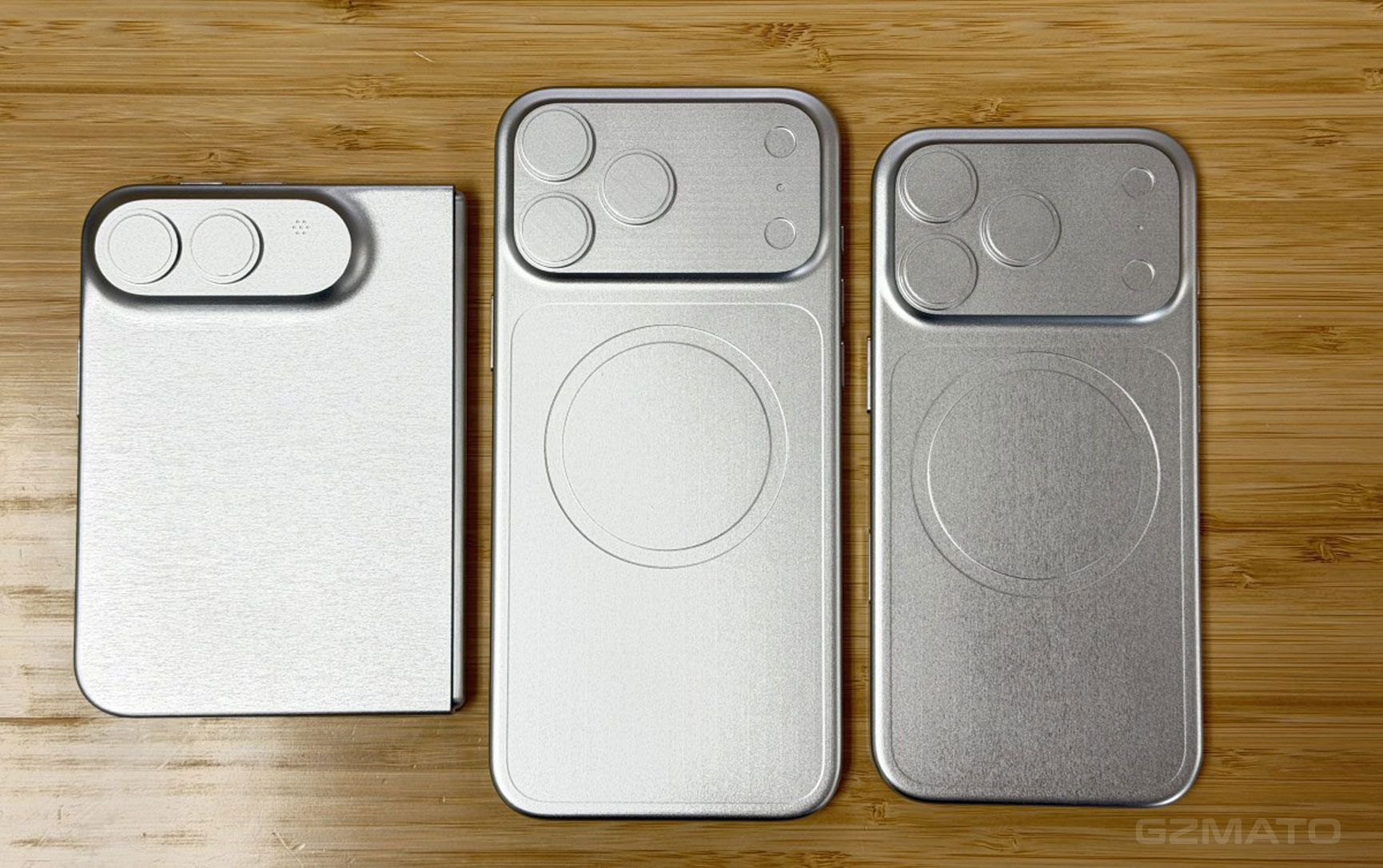
May 5, 2026 – With the iPhone 18 Pro series expected to debut in September, new CAD renders have surfaced showing Apple's first significant front-display redesign since the iPhone 14 Pro introduced the Dynamic Island in 2022 [citation:4]. The leaks, published by earlyappleleaks and corroborated by multiple sources, point to a noticeably smaller camera cutout and a comprehensive plan for solid-state buttons [citation:1][citation:5].
iPhone 18 Pro CAD Leak: The First Display Redesign Since 2022
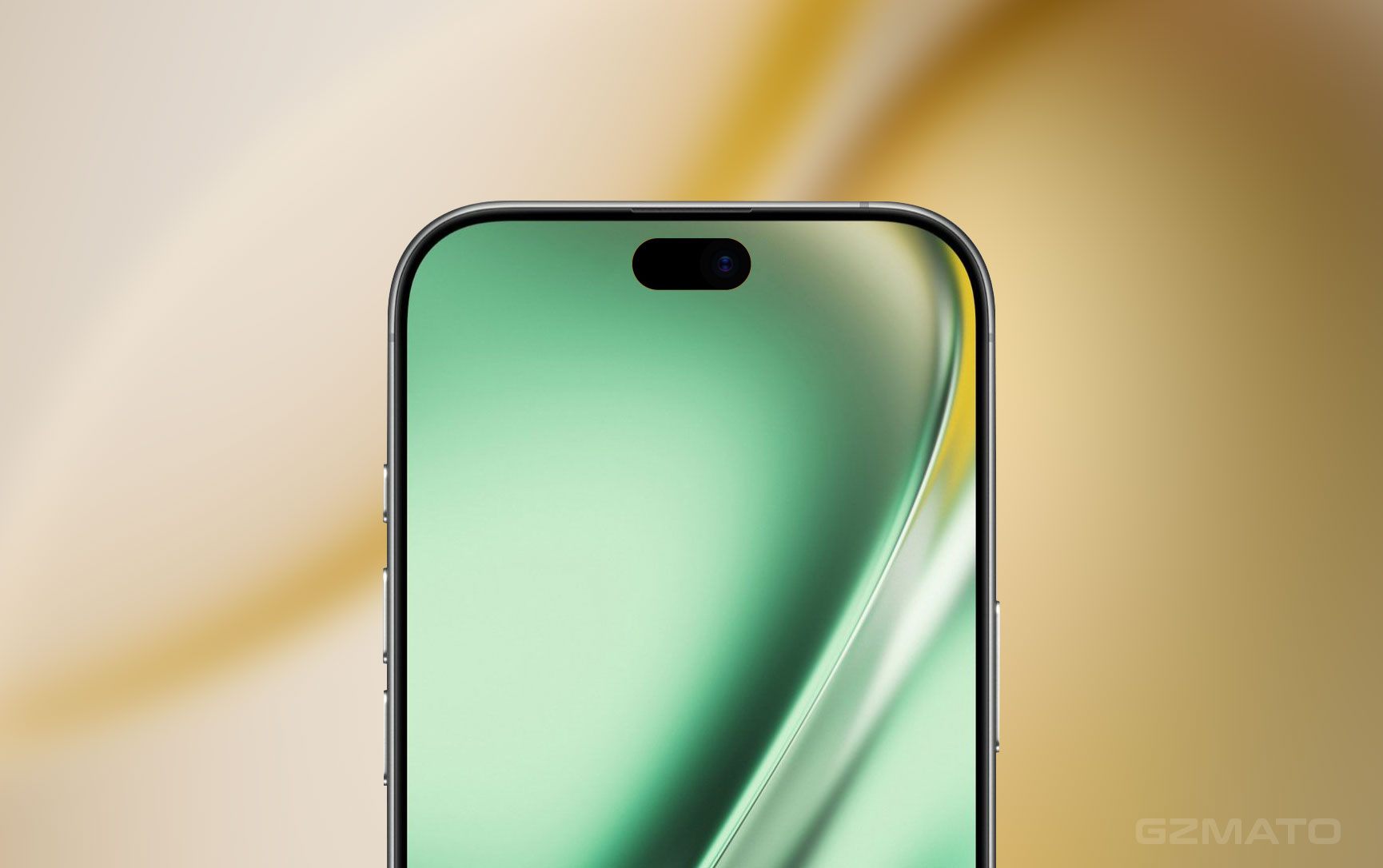
Based on CAD files circulating among third-party case manufacturers — who need early access to dimensions to prepare accessories for a September launch — the iPhone 18 Pro's Dynamic Island will shrink by an estimated 25 to 35 percent [citation:4]. While this cutout remains larger than many Android competitors' hole-punch designs, it marks Apple's first meaningful reduction in four generations [citation:9].
Data point: For context, the iPhone 14 Pro, 15 Pro, 16 Pro, and 17 Pro all maintained essentially the same Dynamic Island footprint. After four years of static design, any reduction represents a notable hardware shift [citation:4].
Smaller Dynamic Island: A 35% Reduction
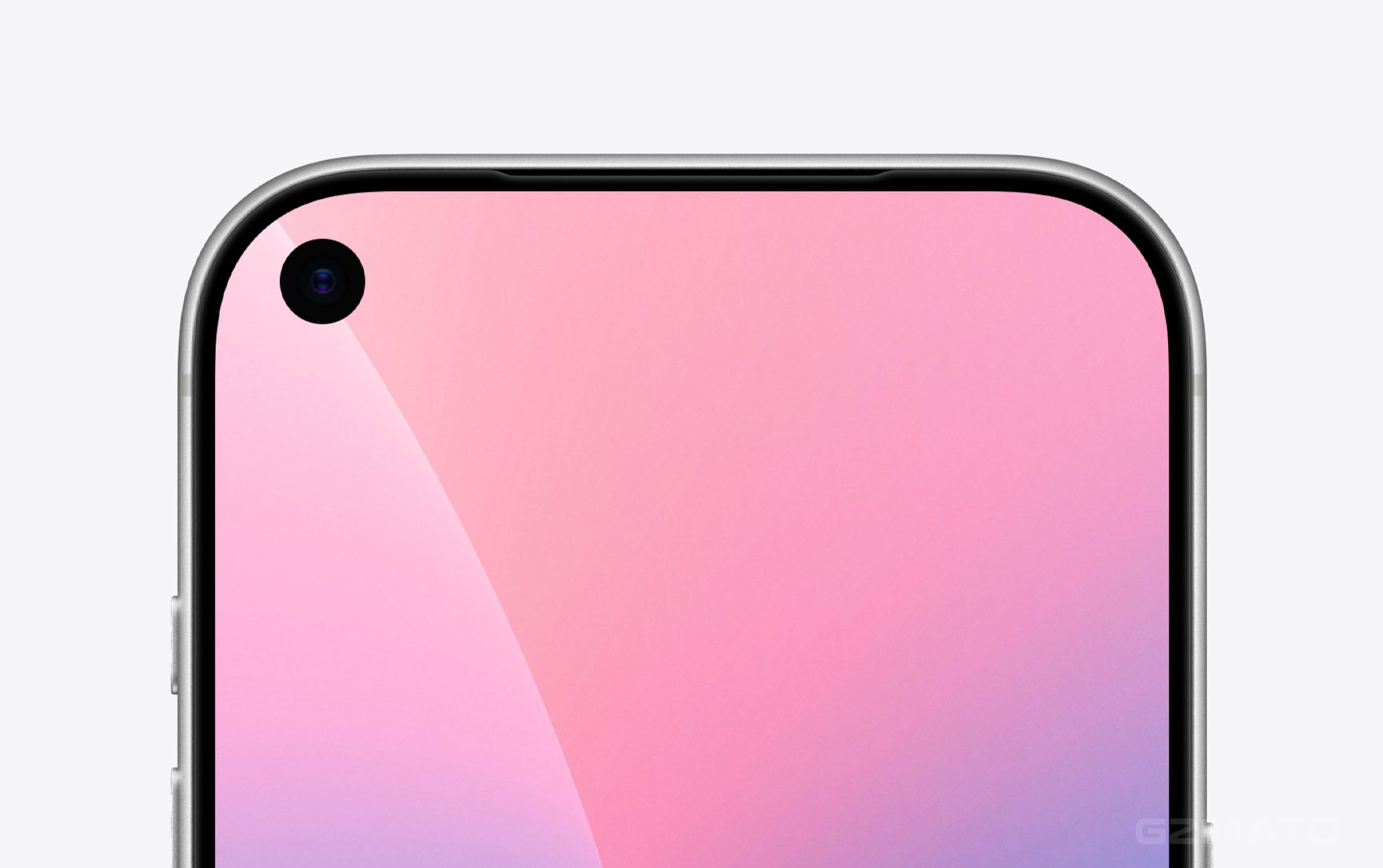
The reduction stems from moving Face ID's infrared sensor to the top-left corner of the screen, with the remaining sensors shifting underneath the display [citation:1]. Apple also improved optical transmittance of the cover glass, allowing light to pass through more efficiently [citation:5].
According to supply chain sources, this is Phase 1 of a multi-year plan. The ultimate goal — complete elimination of the cutout — is now targeted for the 2027 iPhone 20 (XX), which would mark the 20th anniversary of the original iPhone [citation:8][citation:9].
Why 2027 matters: Apple is reportedly treating 2027 as a "milestone" year comparable to 2017 (iPhone X). The company is aiming for a truly seamless, all-screen design with under-display Face ID, often described as a "slab of glass" with no visible ports or buttons [citation:8].
Solid-State Buttons: The End of Mechanical Switches
Apple's transition away from mechanical buttons is proceeding in stages. According to multiple supply chain reports, the company has been developing a haptic-based solid-state button system that replaces moving parts with pressure-sensitive surfaces and vibration feedback [citation:2].
Phased rollout:
- iPhone 16: First introduced the solid-state Camera Control button (retaining some touch sensitivity)
- iPhone 18 (2026): Upgrades the camera button while refining remaining mechanical switches
- 2027 iPhones: Targeted mass adoption across volume, power, mute, and action buttons [citation:2]
The system, which Instant Digital reports has completed validation and is scheduled for mass production in 2027, replaces physical switches with force sensors and haptic engines inside the frame [citation:2]. When pressed, the device simulates a click using the Taptic Engine — similar to how the iPhone 7's Home button worked. This design is more reliable, improves water resistance, and frees internal space [citation:7].
One rumor to watch: Some analysts suggest that by 2027, the iPhone could eliminate all physical ports and buttons entirely, achieving a completely sealed, wireless-only device [citation:7][citation:8].
Camera Button Gets Simpler: Less is More
One specific button change stands out: Apple is reportedly downgrading the Camera Control button. Introduced with the iPhone 16 as a capacitive, multi-touch surface for zooming and adjusting exposure, it proved overly complex and prone to accidental presses [citation:5].
With the iPhone 18 Pro, Apple will remove the capacitive touch sensor entirely, leaving only the pressure sensor. The button will revert to a straightforward two-stage shutter: light press to focus, deep press to capture. This makes it functionally identical to camera buttons on many Android flagships [citation:2][citation:5].
Internal Upgrades: 2nm Chip and More
Beyond the external changes, the iPhone 18 Pro is expected to receive significant internal upgrades:
- A20 Pro Chip: Built on TSMC's 2nm process, delivering approximately 15 percent better performance and 30 percent improved power efficiency over the A19 Pro [citation:10]
- 48MP Main Camera with Variable Aperture: For better depth-of-field control. The periscope telephoto and ultra-wide lenses will likely carry over similar to the 17 Pro [citation:4][citation:9]
- Apple Intelligence: New AI features reportedly powered in part by Google's Gemini model (while Apple continues developing its own on-device models) [citation:4]
Pricing: Despite component cost increases, reports suggest Apple will absorb some costs to maintain current starting prices — approximately $1,099 for the iPhone 18 Pro and $1,199 for the iPhone 18 Pro Max [citation:1][citation:6]. The reasoning: Keeping the iterative upgrade accessible while reserving higher prices for the more advanced 2027 redesign [citation:8].
The Ultimate Goal: iPhone 20 and the All-Screen Dream
If the iPhone 18 Pro is about refinement, the iPhone 20 (or iPhone XX) is about revolution. Apple's long-term goal is a completely seamless device — no ports, no buttons, no visible camera cutout — that Steve Jobs once envisioned as a "slab of glass" [citation:8].
Rumored specs for the anniversary model include:
- Four-sided curved display: Unlike the aggressive curves on some Android flagship models, Apple's version is expected to have a subtle, symmetrical radius that blends front glass into the frame
- Under-display Face ID: All sensors fully concealed
- Pol-less OLED: Removes polarizer layers for thinner, brighter displays with 15 percent lower power draw [citation:10]
- Samsung COE packaging: Enables tighter bezels and improved durability
- Expected starting price: ~$1,300+, reflecting the advanced manufacturing costs [citation:10]
Production challenges: Sources indicate manufacturing yields for the curved glass-and-display assembly remain below 50 percent, which could limit initial availability [citation:10].
2027 Roadmap: iPhone Ultra, MacBook Ultra, and the Anniversary Edition
2027 is shaping up as a comprehensive product overhaul, not just a single iPhone refresh. According to multiple sources, Apple plans to release three "Ultra" products that year alongside its standard lineup [citation:3][citation:10].
1. iPhone Ultra (Foldable)
A book-style foldable, similar in form to the Samsung Galaxy Z Fold. Expected specs include: ~7.7-inch inner display, ~5.5-inch outer screen, A20 Pro chip, and — resembling market realities — a side-mounted Touch ID power button rather than in-screen Face ID. For comparison: Oppo's Find N5 and Pixel's first foldable. Expected late 2026 / early 2027 release [citation:8][citation:10].
2. iPhone 20 (XX) Anniversary Edition
The "slab of glass" model described above. No ports, no buttons, no visible cutouts. Timed to mark 20 years since Steve Jobs introduced the original iPhone [citation:8][citation:10].
3. MacBook Ultra
A new high-end MacBook tier positioned above the MacBook Pro. Featuring OLED display, touchscreen capability, and a redesigned chassis with Dynamic Island replacing the notch. Delayed from late 2026 to early 2027 due to memory supply constraints [citation:3].
4. AirPods Ultra (Possible)
Reports suggest Apple may introduce an AirPods Ultra tier with advanced features (though release timing is uncertain) [citation:3].
Final Verdict: A Transitional Step Toward Something Bigger
The iPhone 18 Pro will be remembered as the model that prepared the runway. The smaller Dynamic Island, the first-generation solid-state buttons, and the camera button simplification all suggest Apple is staging technology for the 2027 redesign without alienating its existing user base. It is an iPhone that makes sense as both an upgrade for users on older devices and as a technology testbed.
The 2027 iPhone is the prize. The completely sealed, all-screen, curved-glass device appears to be the genuine "Apple vision" — one that both Steve Jobs and Jony Ive reportedly described as the ideal form factor [citation:8]. If production yields improve and component costs come down, 2027 may represent a design shift comparable to the original iPhone launch in 2007 or the iPhone X in 2017.
The "Ultra" expansion means more choice. With foldables, anniversary editions, and standard Pro models all coexisting, Apple is finally diversifying its iPhone lineup in ways the company resisted for years. For consumers, 2027 will offer more meaningful choice than any single launch year in the past decade [citation:3][citation:10].
Keep Your Current iPhone Protected with Gzmato
Premium Cases | Screen Protectors | MagSafe Chargers | Fast Charging Cables | Wireless Power Banks
IPHONE2026
Data Sources & Methodology (as of May 5, 2026):
- IT之家 – iPhone 18 Pro CAD leak reporting (May 4, 2026) [citation:1]
- Notebookcheck – Leaked CAD analysis and 20-year timeline (May 4, 2026) [citation:4]
- 网易 / Phone Arena – Solid-state button development and timeline (October 2025) [citation:2]
- 中关村在线 – Ultra product expansion and 2027 roadmap (April 2026) [citation:3]
- 经济一周 – Camera button simplification and design philosophy (April 2026) [citation:5]
- 太平洋科技 – 20th-anniversary all-screen iPhone and 3-year redesign plan (April 2026) [citation:8]
- 太平洋科技 – Apple strategy analysis and Ultra ecosystem (May 2026) [citation:10]
- iPhone 18 Pro
- Dynamic Island smaller
- solid-state buttons
- iPhone 20 anniversary
- iPhone Ultra foldable
- MacBook Ultra
- Apple 2027 roadmap
- CAD leak