NASA Roman Space Telescope Fully Assembled: Could Launch as Early as Fall 2026
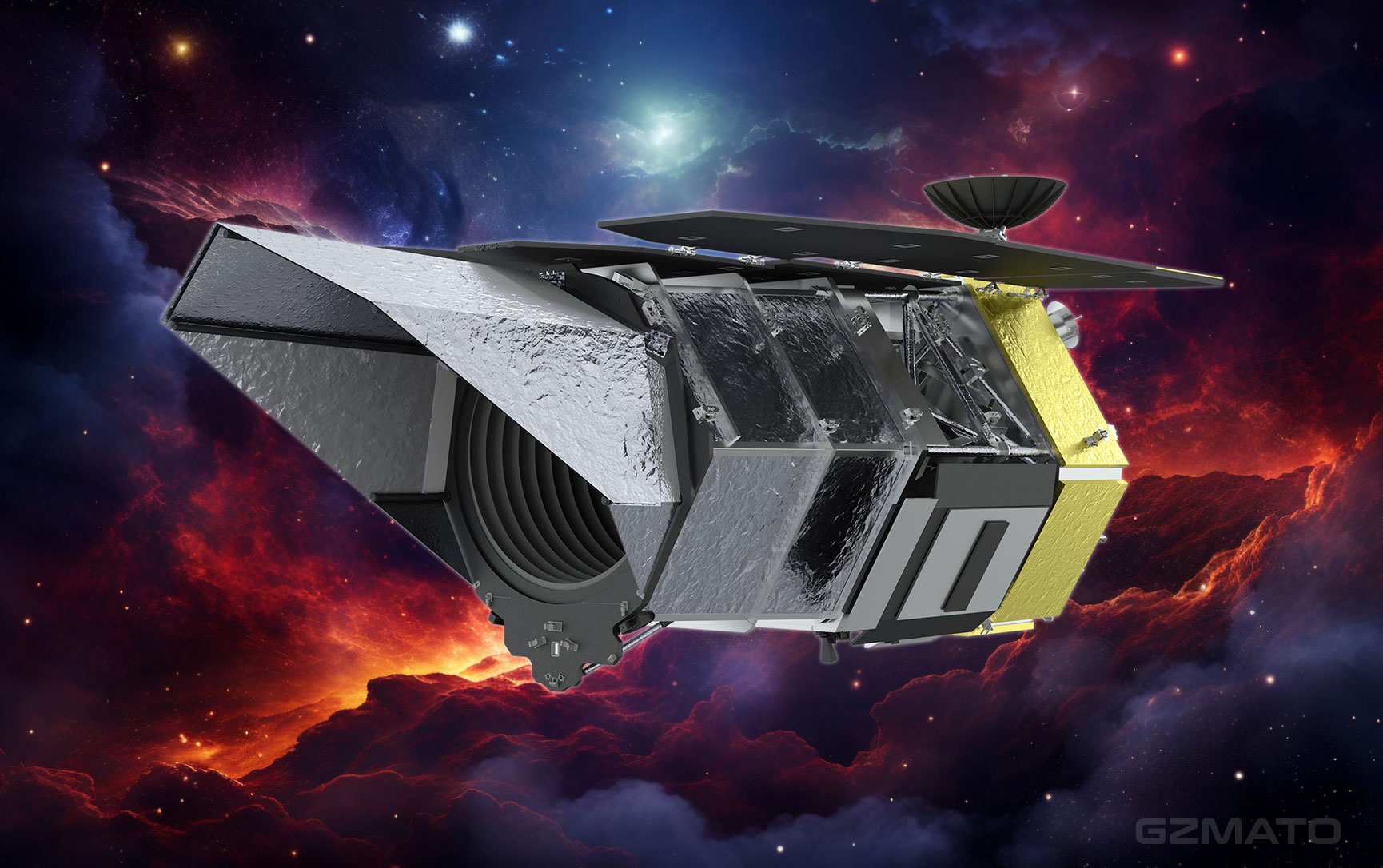
NASA just hit a huge milestone: the Nancy Grace Roman Space Telescope — the most powerful wide-field infrared observatory ever built — is now fully assembled. Originally slated for May 2027, officials now say it could launch as early as fall 2026 if testing goes smoothly.
Assembly Complete: From 2027 → Possibly Fall 2026
As of late November 2025, NASA Goddard announced that optical, mechanical, and electrical integration of the Roman Space Telescope is 100% finished. The spacecraft bus, sunshield, and both science instruments are now one complete unit.
Next steps:
- Environmental testing (vibration, thermal, acoustic) — through mid-2026
- Ship to Kennedy Space Center — summer 2026
- Integration with Falcon Heavy rocket — late 2026
- Launch — earliest fall 2026, baseline May 2027
| Milestone | Date | Status |
|---|---|---|
| Full Assembly | Nov 2025 | Complete |
| Environmental Testing | Dec 2025 – Jun 2026 | In Progress |
| Ship to KSC | Summer 2026 | Planned |
| Launch | Fall 2026 (possible) / May 2027 (baseline) | On Track |
Two Game-Changing Instruments
Roman carries two primary science payloads that make it unique:
- Wide Field Instrument (WFI) — 300-megapixel infrared camera with a field of view 100× larger than Hubble’s at the same resolution.
- Coronagraph Instrument — First space coronagraph capable of directly imaging exoplanets and dusty disks.
| Instrument | Field of View | Resolution | Main Task |
|---|---|---|---|
| Wide Field Instrument | 0.28 sq. degrees | 0.11 arcsec/pixel | Dark energy, galaxy evolution |
| Coronagraph | ~100 mas | 10⁻¹⁰ contrast | Exoplanet imaging |
Scientific Goals: Dark Energy, Exoplanets & More
Roman will tackle three flagship questions:
- Map cosmic structure to measure dark energy evolution
- Detect thousands of exoplanets via microlensing (including rogue planets)
- Directly image Jupiter-size exoplanets with the coronagraph
- Find isolated black holes through gravitational lensing
Expected yield: ~100,000 new exoplanets, millions of galaxies, and the most precise dark-energy constraints yet.
Final Thoughts
With assembly done and testing ahead of schedule, we might see first light as early as late 2026. When Roman joins Hubble and JWST in orbit, astronomy enters a golden age of wide-field infrared science.
Data Sources & Methodology (as of Dec 6, 2025):
- NASA Goddard Press Release – Nov 28, 2025
- Space.com – Dec 4, 2025
- JPL Roman Mission Update – Dec 2, 2025
- What Hi-Fi? & The Walkman Blog – latest certification reports

- nancy grace roman space telescope
- roman telescope launch 2026
- wide field instrument
- coronagraph technology demonstration
- dark energy mission
- nasa roman telescope update 2025