Porsche Mission S vs Tesla Roadster 2: Two Different Futures, Same Day
October 21, 2026 — On October 15, two of the world's most closely watched car companies revealed their visions for the future of the sports car. They could not have been more different.
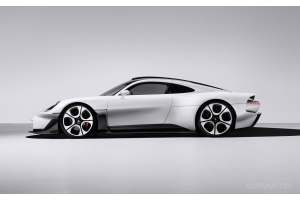
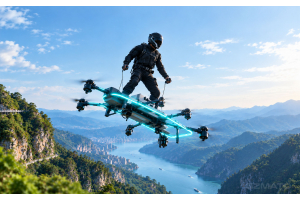
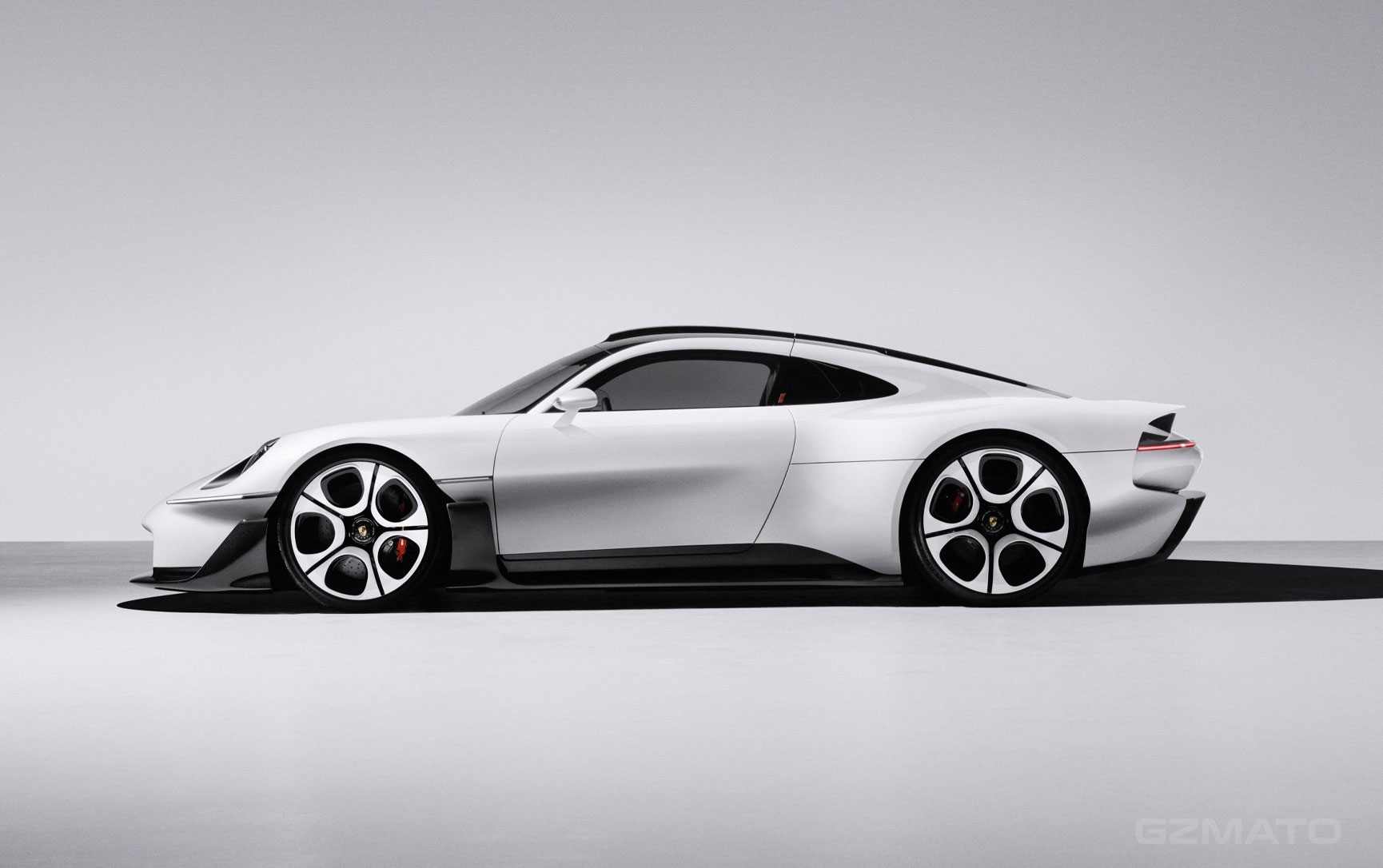
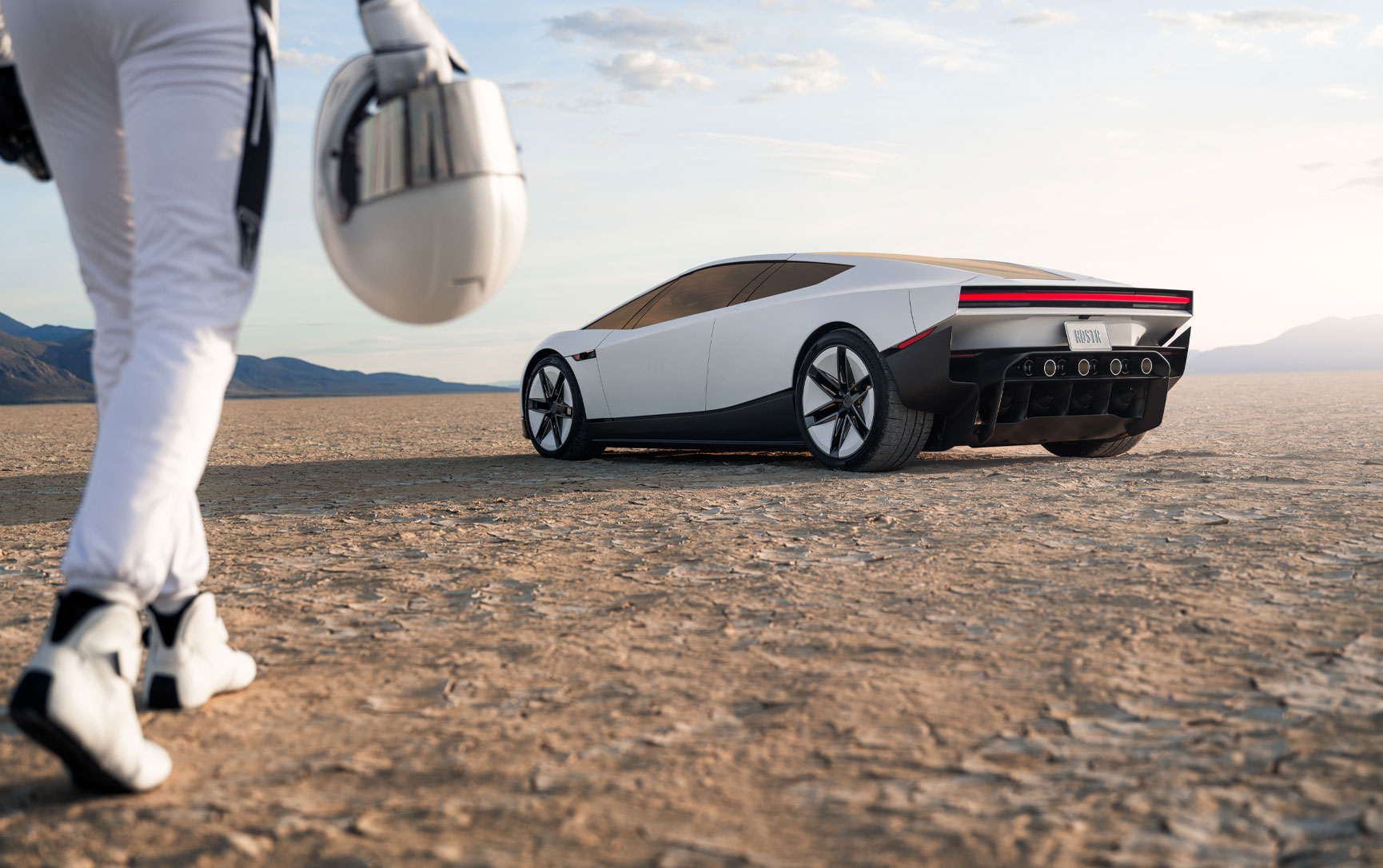
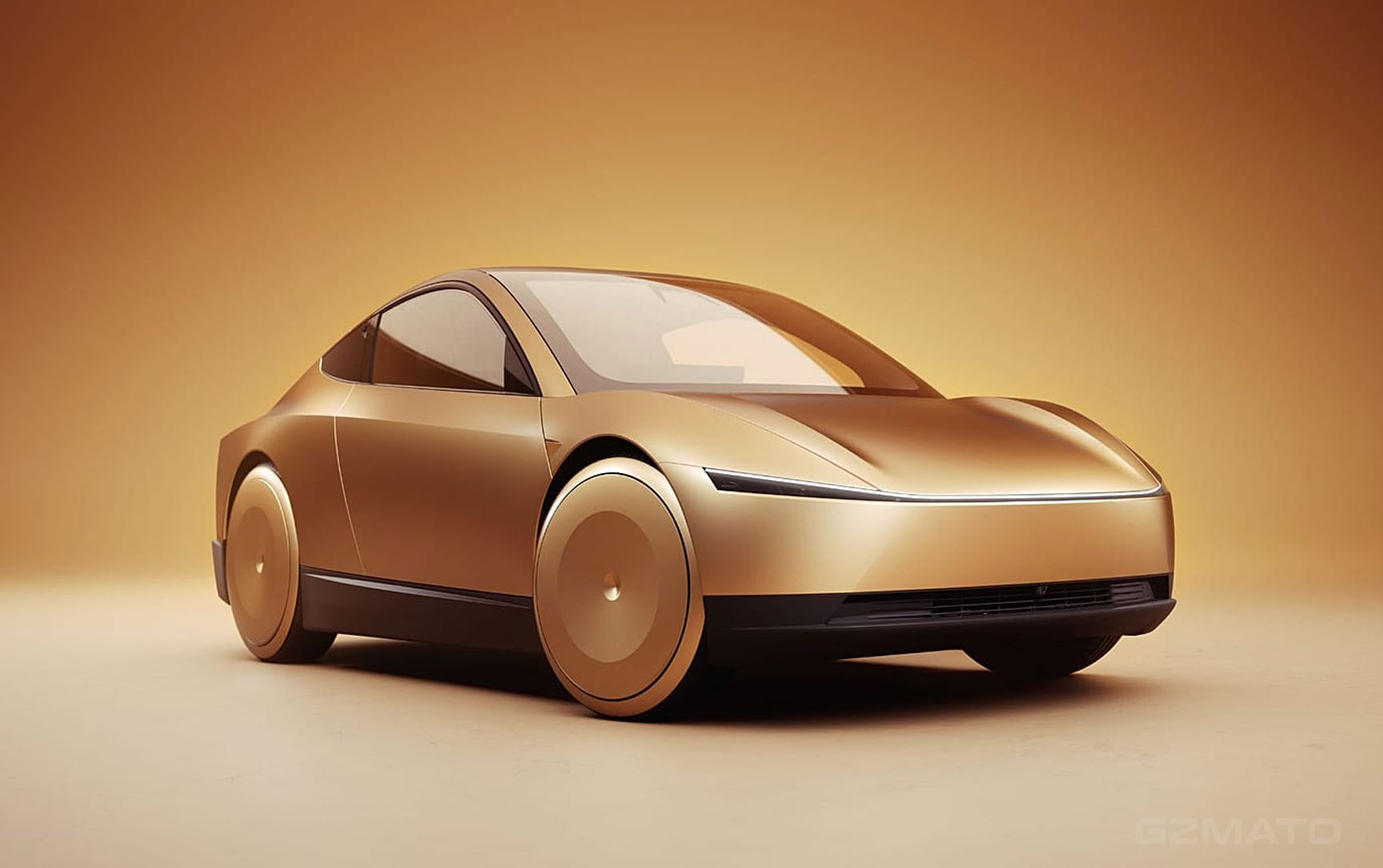
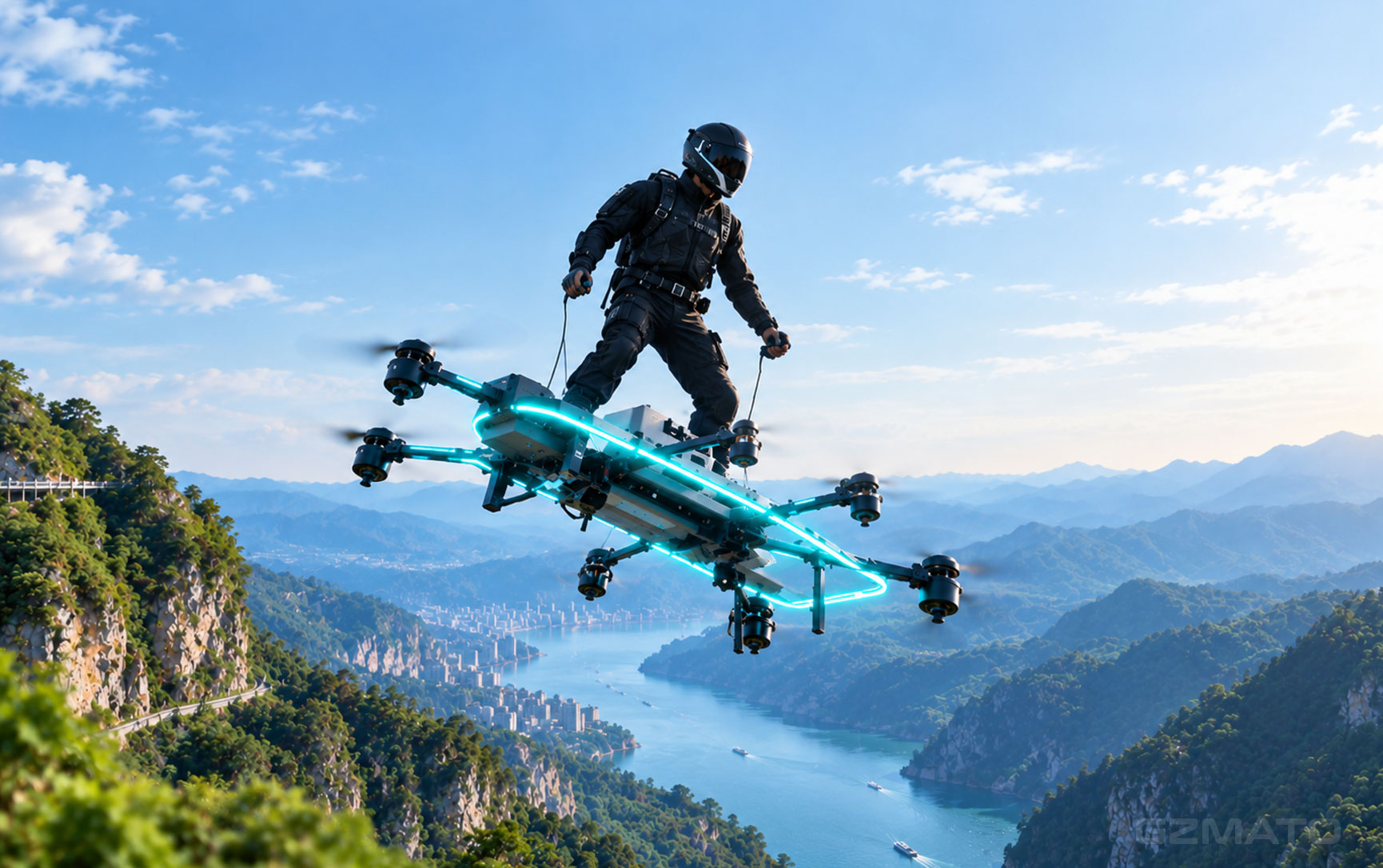
In New York, Porsche unveiled the Mission S — a concept that rejects pure electrification, removes the central touchscreen, and borrows design cues from 1970s race cars. Hours later in Texas, Tesla demonstrated the Roadster 2 hovering in mid-air, driving up a vertical wall, and accelerating to 60 mph in 0.81 seconds using cold-gas thrusters developed with SpaceX.
One is a love letter to mechanical driving. The other is a spectacle of physical extremes. Both are concepts, neither is available to buy today. But they represent two fundamentally different answers to the same question: what should the next generation of performance cars feel like?
Mission S: Porsche Looks Backward
The Mission S is not a limited-run hypercar like the Carrera GT or 918 Spyder. Porsche has confirmed it sits on a new mid-engine platform intended to become a permanent fixture in the lineup, positioned above the 911.
What is most striking is what Porsche chose not to do.
| Aspect | What Porsche Decided |
|---|---|
| Powertrain | Porsche's CEO explicitly stated that this platform is not designed for pure electric power. It will rely on combustion, hybrid, or plug-in hybrid systems. The rationale: the supercar market currently has no demand for pure EVs. |
| Interior | There is no central infotainment screen. Instead, there is a MagSafe phone mount. The instrument cluster features five analog dials, including a mechanical tachometer that physically moves depending on the driving mode. |
| Design | Every detail references history. The rear fan pays homage to the 917 race car. The wheels nod to the 928. The front fascia references the GT1, and the roofline echoes the 959. There are physical key slots and an exposed manual shifter. |
Porsche is making a clear statement: for this tier of car, emotion matters more than raw data. Engine sound, mechanical feedback, and historical lineage are considered features, not drawbacks.
Roadster 2: Tesla Looks Outward
Tesla's approach could not be further from this philosophy. As we covered in our analysis of the Roadster 2, the car uses a cold-gas thruster system (developed with SpaceX) and underbody fans to achieve things no conventional car can do.
- Hovering and flipping: The car can lift off the ground and rotate mid-air.
- Wall driving: Underbody fans create enough downforce to drive vertically along a curved surface.
- Extreme acceleration: Tesla measured 0–60 mph in 0.81 seconds using its own equipment.
Musk has described it as a car that prioritizes extreme fun over safety optimization. The flying capabilities are restricted to the single-seat "Rocket" version, which is not street-legal. But the message is clear: Tesla wants to show that electric vehicles can do things that defy conventional physics.
Why the Comparison Matters
Reviewers and social media users immediately drew the contrast. One widely shared comment summarized it: "Porsche showed us a glimpse of the future. Three hours later, Tesla showed us the future itself."
But that framing misses the deeper split.
| Dimension | Porsche Mission S | Tesla Roadster 2 |
|---|---|---|
| Core Philosophy | Driver engagement and historical continuity | Technological boundary-pushing and spectacle |
| Powertrain | Combustion / Hybrid | Pure Electric + Cold Gas Thrusters |
| Relation to Physics | Maximizing grip with the ground | Temporarily escaping the ground |
| Interior Focus | Analog feedback and minimal distraction | (Not publicly detailed, but expected to feature Tesla's central screen) |
| Message to Buyers | "The future is still analog." | "The future is unlimited." |
Porsche is betting that for a specific type of buyer, the sound and feel of a combustion engine cannot be replaced by a battery. Tesla is betting that the "wow" factor of defying physics will define the next generation of performance.
What This Means for Normal Cars
Neither the Mission S nor the flying version of the Roadster 2 will be available to most buyers anytime soon. But the concepts influence future production models.
- Interior design: Porsche's decision to replace the central screen with a phone mount and analog dials may be an early signal of how the next-generation 911 or 718 could be styled. It also pushes back against the "everything must be a touchscreen" trend.
- Powertrain strategy: Porsche's stance reinforces that internal combustion engines still have a future in high-end performance segments, even as the broader market moves toward electrification.
- Innovation limits: Tesla's thruster system is unlikely to appear in a Model 3 or Model Y. But it serves a purpose beyond engineering: it generates massive media attention and reinforces Tesla's brand image as the company that does what others consider impossible.
The Mission S was unveiled at a pier in New York where the 550 Spyder was photographed in 1953. The setting itself was a statement about heritage. The Roadster 2 was unveiled at a SpaceX facility with a demonstration designed to go viral. Both strategies work, but they appeal to entirely different audiences.
Key Takeaways
| # | What You Need to Know About the Mission S vs Roadster 2 |
|---|---|
| 1 | Porsche Mission S is a permanent addition to the lineup, positioned above the 911 on a new mid-engine platform. |
| 2 | Porsche explicitly rejected a pure-electric powertrain for this platform, betting that supercar buyers want combustion engines and sound. |
| 3 | The interior removes the central screen, relying on analog dials and a phone mount for navigation and media. |
| 4 | Tesla Roadster 2 prioritizes extreme physics with cold-gas thrusters, enabling hovering and 0.81s acceleration. |
| 5 | One focuses on staying grounded, the other on temporarily leaving the ground. |
| 6 | Both are concepts — the Mission S is expected around 2028–2029, and the Roadster 2 Rocket version is not street-legal. |
| 7 | The contrast reflects a broader industry split: emotional driving experience vs. technological spectacle. |
- Porsche Newsroom — Mission S official concept reveal, design and interior details
- Reuters / Bloomberg — Porsche CEO statements on powertrain and product positioning
- Car and Driver / Motor1 — Mission S design analysis (917 fan, 928 wheels, 959 roofline)
- The Verge / CNBC — Tesla Roadster 2 demonstration coverage and specifications
- Gzmato Blog — Previous coverage of the Tesla Roadster 2 and its cold-gas thruster system
Our team can help you explore related automotive and tech products, or just talk about where the industry is heading. Chat with us or open a request.
- Porsche Mission S
- Mission S concept
- Tesla Roadster 2
- Porsche vs Tesla
- future sports car
- Porsche no EV supercar
- cold gas thruster Roadster
- Gzmato