Red Sea Cable Outage Disrupts Internet for Millions
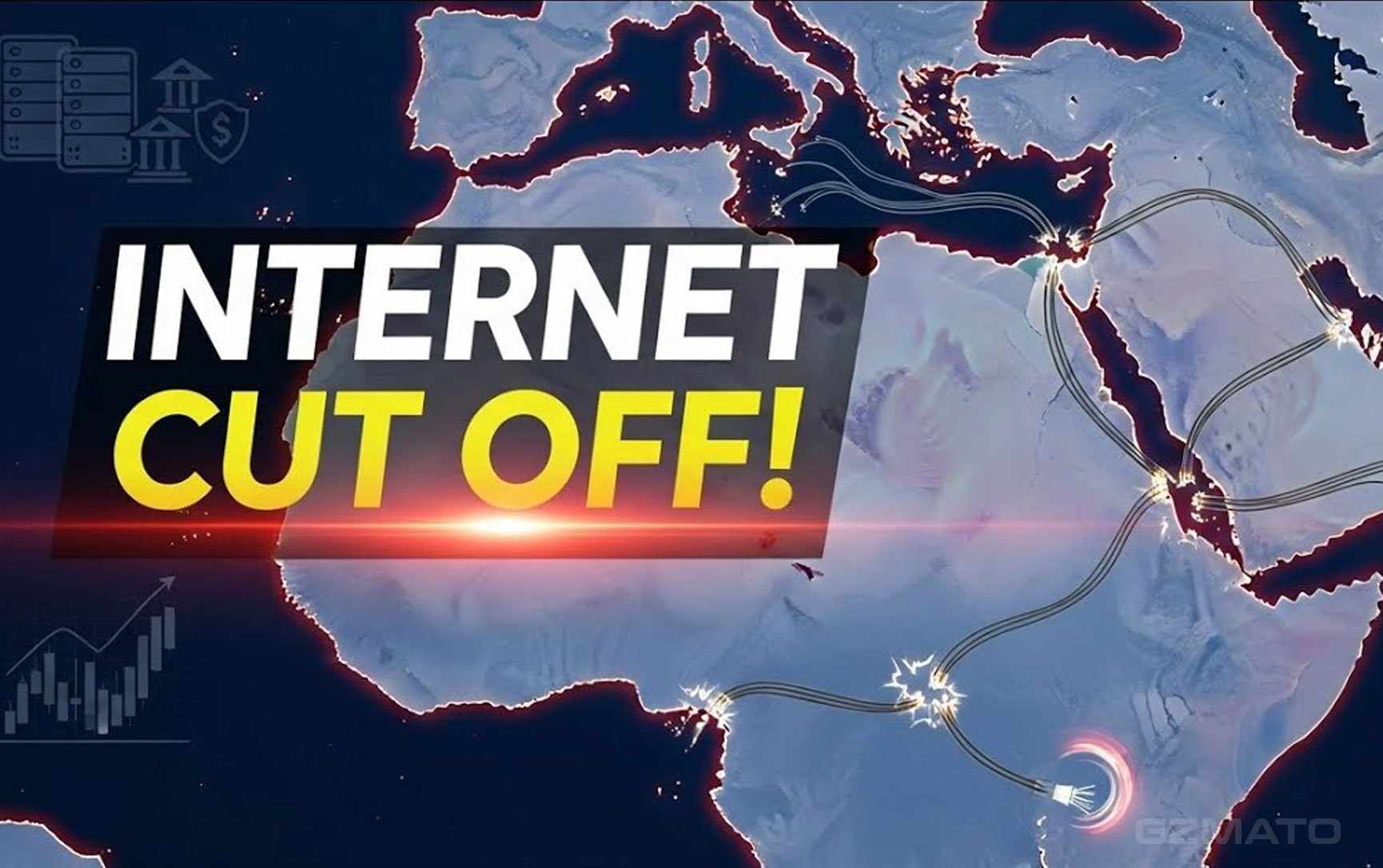
On September 8, two critical undersea internet cable systems in the Red Sea were severed, causing immediate network disruptions and significant performance issues for millions of users across South Asia and the Gulf region. The outage has forced major tech companies to reroute vast amounts of data, highlighting the vulnerability of global internet infrastructure.
The affected cables, identified as SEA-ME-WE-4 and IMEWE, are vital arteries connecting Asia with Europe.
What Users Are Experiencing
The direct impact of the cable cuts is widespread network latency and performance degradation. While engineers have already started rerouting traffic through alternative paths, users are likely to encounter:
- Increased Lag: Online activities that rely on real-time data, such as multiplayer gaming and video conferencing, are seeing a sharp increase in latency and packet loss.
- Slower Services: Everyday tasks like loading websites, streaming videos, and downloading large files may take noticeably longer.
- Cloud Service Disruptions: The outages have hit critical cloud infrastructure, with companies like Microsoft confirming their Azure services have been impacted. This could affect businesses and individuals who rely on cloud-based applications.
The Challenge of Restoration
Fixing a damaged undersea cable is a complex and time-consuming process. Specialized repair ships are required to locate the precise break point, retrieve the cable from the seabed, and splice it back together.
Given the limited number of repair vessels and the ongoing geopolitical complexity of the region, it is estimated that restoration will take several weeks. Engineers are actively working to mitigate the impact by rerouting traffic through less-congested alternative routes, but these backup paths can only handle a fraction of the usual data volume.
This incident serves as a stark reminder of the fragile physical network that underpins the global digital economy.



- Red Sea cable
- internet outage
- network latency
- undersea cables
- Microsoft Azure
- IMEWE
- SEA-ME-WE-4