The Future of Electronics: Key Trends and Insights for 2024 and Beyond

The electronics industry is one of the most dynamic sectors globally, constantly evolving to meet the demands of technological innovation, sustainability, and changing consumer preferences. As we move into 2025, the industry is navigating several key trends that are shaping its future. From the rise of artificial intelligence (AI) and the internet of things (IoT) to sustainability efforts and supply chain challenges, the landscape is both exciting and complex. In this blog, we will analyze the current state of the electronics industry and explore the future trends that are set to dominate the market.
1. Market Growth and Economic Pressures
The electronics industry, which encompasses everything from consumer gadgets and automotive electronics to industrial devices and communication infrastructure, has witnessed a strong growth trajectory over the past few decades. However, this growth is now being tempered by global economic pressures. Inflation, supply chain disruptions, and geopolitical instability have created a mixed environment for manufacturers and consumers alike.
Despite these challenges, the demand for electronics remains robust, driven by the increased adoption of digital technologies across sectors. The consumer electronics market, for instance, has seen a shift toward more premium, feature-packed products, such as high-end smartphones, smart home devices, and wearables.
At the same time, global electronics giants are grappling with the realities of inflationary costs, fluctuating raw material prices, and labor shortages. Semiconductor shortages, which began in 2020, have continued to affect the automotive, smartphone, and computer industries, although supply chains are slowly recovering.
2. The Rise of Artificial Intelligence and Machine Learning
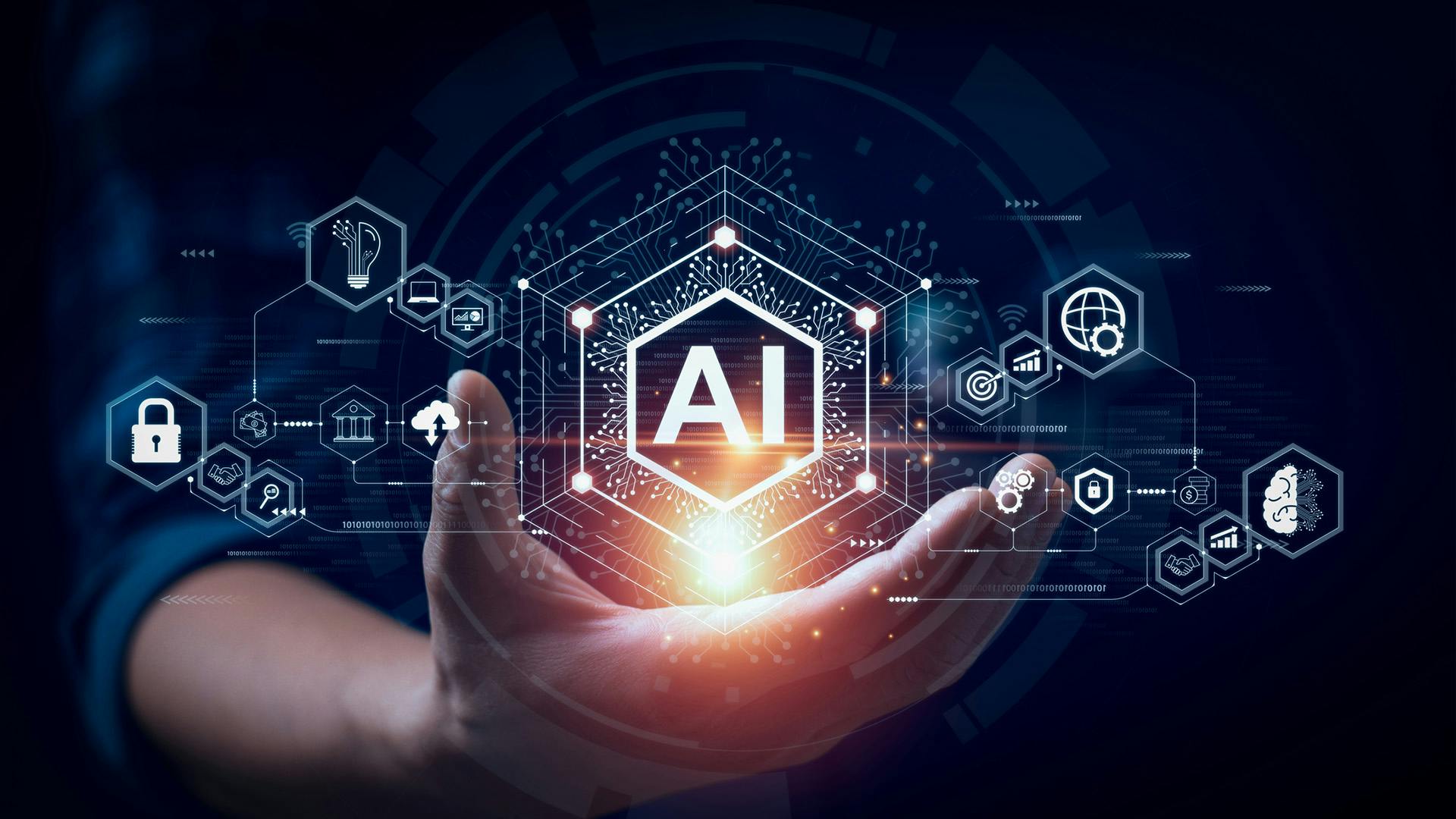
One of the most transformative developments in the electronics industry is the rapid integration of AI and machine learning (ML) into consumer devices and industrial systems. These technologies are driving product innovations, particularly in the areas of consumer electronics (such as smart speakers, smartphones, and wearables), autonomous vehicles, and industrial automation.
AI is no longer just a feature but a fundamental aspect of product functionality. For example, smartphones now use AI to improve camera quality, enhance battery life, and provide more personalized user experiences. In the automotive sector, AI is powering advanced driver-assistance systems (ADAS) and enabling the development of autonomous vehicles.
In the coming years, expect AI to expand into even more applications. Smart factories, powered by AI and IoT, will allow manufacturers to optimize production processes in real time. Consumer products will become more intuitive and responsive, adapting to user behavior and preferences in ways that were previously unimaginable.
3. The Expansion of the Internet of Things (IoT)
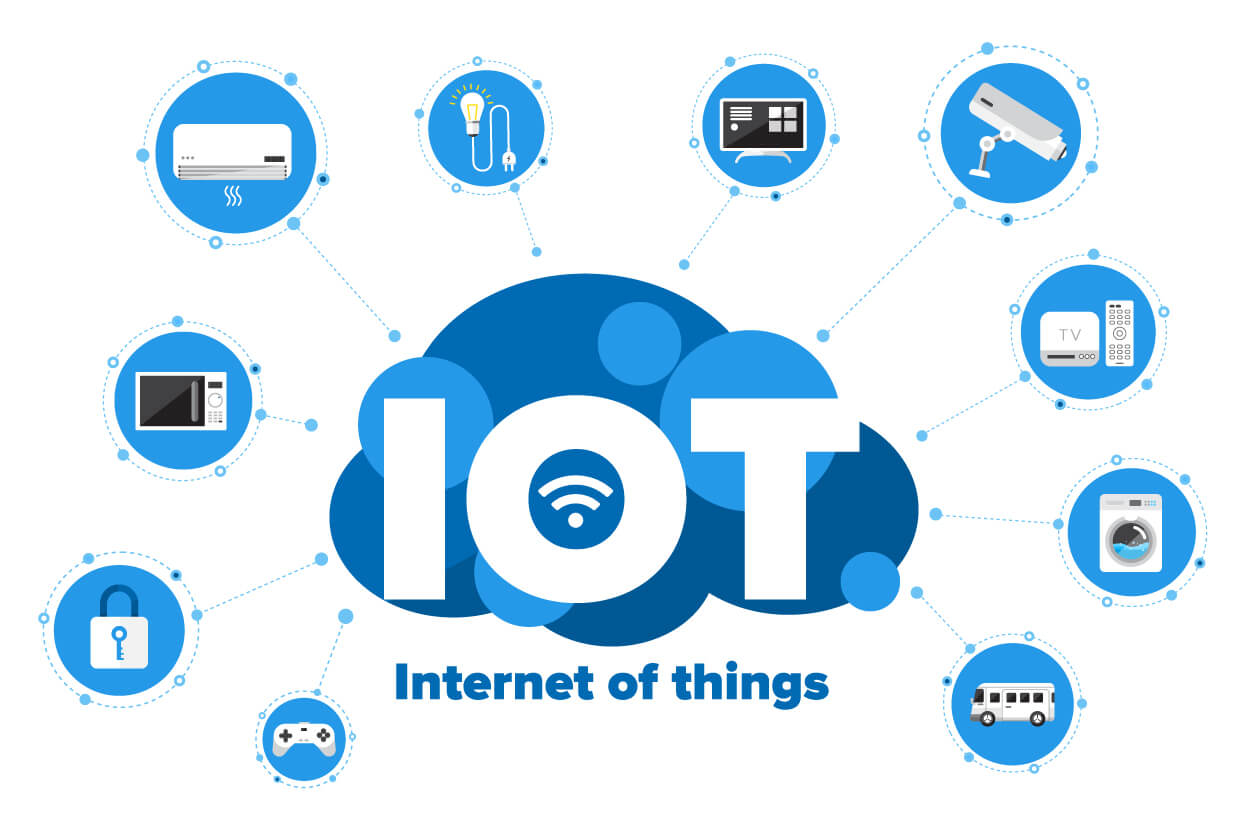
The IoT is another key trend reshaping the electronics industry. From smart homes and cities to connected healthcare devices and industrial applications, the IoT is integrating everyday objects with the internet to enable data collection and communication in real-time.
According to various reports, the number of connected devices worldwide is expected to surpass 30 billion by 2025. This includes everything from thermostats, refrigerators, and lighting systems in homes to sensors in factories and machines on farms.
IoT technology has the potential to revolutionize numerous industries by improving efficiency, safety, and decision-making. For instance, in agriculture, IoT sensors can monitor soil moisture and weather conditions, allowing farmers to make data-driven decisions on irrigation and fertilization. In healthcare, wearable devices track vital signs and send them to medical professionals for remote monitoring, reducing the need for in-person visits.

4. Sustainability and Green Electronics
Environmental concerns are becoming an increasingly important part of the electronics industry. As the world grapples with climate change, manufacturers are under growing pressure to adopt sustainable practices. Consumers are also becoming more conscious of the environmental impact of their purchases.
The "green electronics" trend is gaining momentum, with companies focusing on reducing the carbon footprint of their products, improving energy efficiency, and ensuring responsible disposal and recycling of electronic waste (e-waste). A significant area of focus is the development of more energy-efficient semiconductors, which can reduce the overall power consumption of electronic devices.
In addition to energy efficiency, there is a growing push for eco-friendly materials and designs. For example, some smartphone manufacturers are moving toward using recycled materials, such as ocean plastic, in their products. Others are introducing "modular" designs, which allow consumers to repair or upgrade their devices rather than replacing them entirely.
5. The Semiconductor Shortage and Supply Chain Innovation
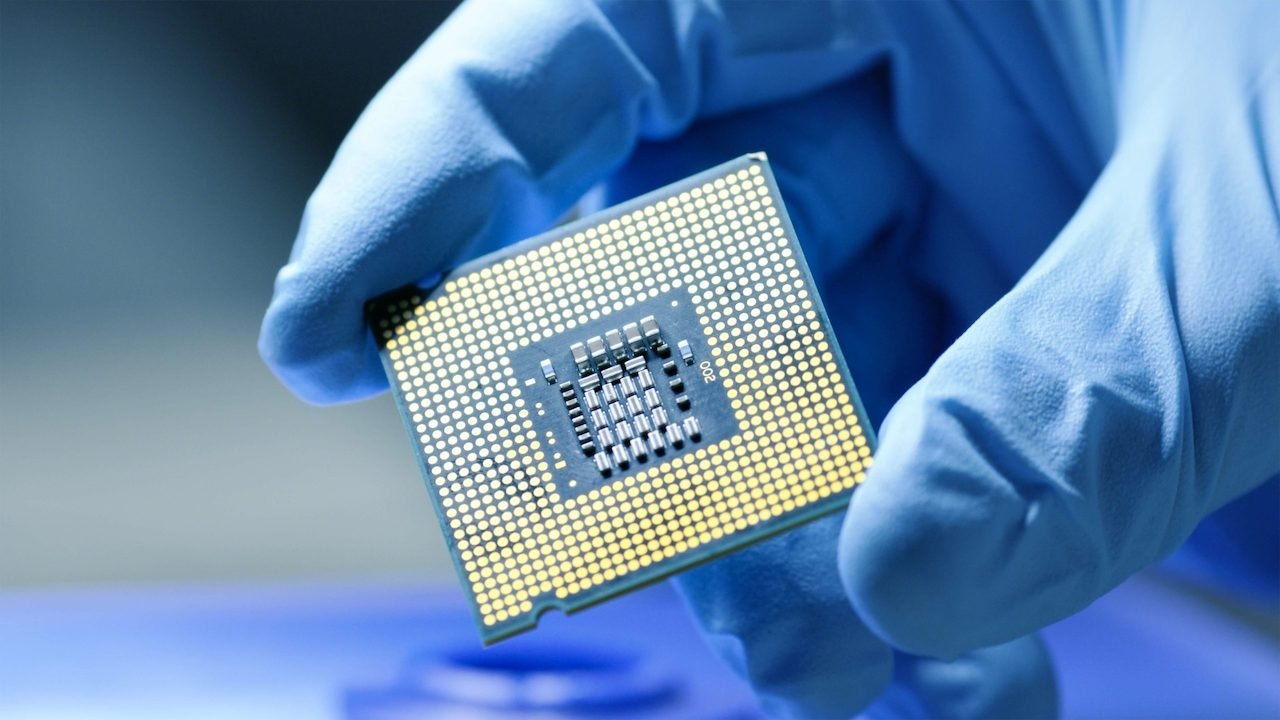
The semiconductor shortage, which began in 2020, continues to have a significant impact on the electronics industry. Chips are a critical component in nearly all modern electronics, from smartphones and laptops to electric vehicles (EVs) and home appliances. The shortage was initially triggered by the COVID-19 pandemic, which caused disruptions in global manufacturing and logistics. It was further exacerbated by increased demand for electronics as remote work and learning became the norm.
In response to the shortage, governments and businesses are making significant investments in semiconductor manufacturing. For example, the U.S. and European Union have both announced large-scale initiatives to boost domestic chip production, including incentives for companies to build new fabs (semiconductor fabrication plants) and research facilities.
At the same time, supply chain innovation is becoming a key area of focus. Companies are looking for ways to diversify their supply chains, and digital supply chain technologies such as blockchain and AI-driven analytics are being adopted to improve visibility and efficiency.
6. 5G and the Next Generation of Connectivity
5G technology is set to revolutionize the electronics industry by providing faster internet speeds, lower latency, and greater connectivity. The rollout of 5G networks around the world is opening up new possibilities for IoT, autonomous vehicles, augmented reality (AR), and virtual reality (VR), all of which rely on high-speed, low-latency connections.
For consumer electronics, 5G means faster downloads and improved performance for mobile devices, enabling features like 4K streaming, AR applications, and cloud gaming. In the industrial sector, 5G will enable real-time data exchange between machines and devices, making operations more efficient and reliable.
As the 5G ecosystem expands, the demand for 5G-compatible devices will continue to grow, and companies that produce 5G chips, antennas, and infrastructure equipment will see significant growth. This, in turn, will drive further innovation in electronics across industries.
Conclusion: Navigating the Future of Electronics
The electronics industry is in the midst of a period of rapid transformation. As emerging technologies like AI, IoT, and 5G reshape the landscape, manufacturers and consumers alike are benefiting from more powerful, efficient, and personalized devices. At the same time, challenges such as economic uncertainty, supply chain disruptions, and environmental concerns are forcing the industry to adapt.
Looking ahead, the future of electronics will likely be defined by greater connectivity, smarter devices, and a more sustainable approach to production. Companies that can navigate these trends and overcome the challenges will be well-positioned to thrive in the coming decades. For consumers, this means more innovative products that will continue to push the boundaries of what technology can achieve.
As we move forward into 2024 and beyond, the electronics industry promises to remain one of the most exciting and transformative sectors to watch. Please leave your comment down below if you have any questions to ask.


- electronics industry
- AI in electronics
- IoT trends
- future of electronics
- 5G technology
- sustainability in electronics
- semiconductor shortage
- smart devices
- consumer electronics
- green electronics
- supply chain innovation