The Future of Freight: Unmanned Trucks Complete First Cross-Border Journey
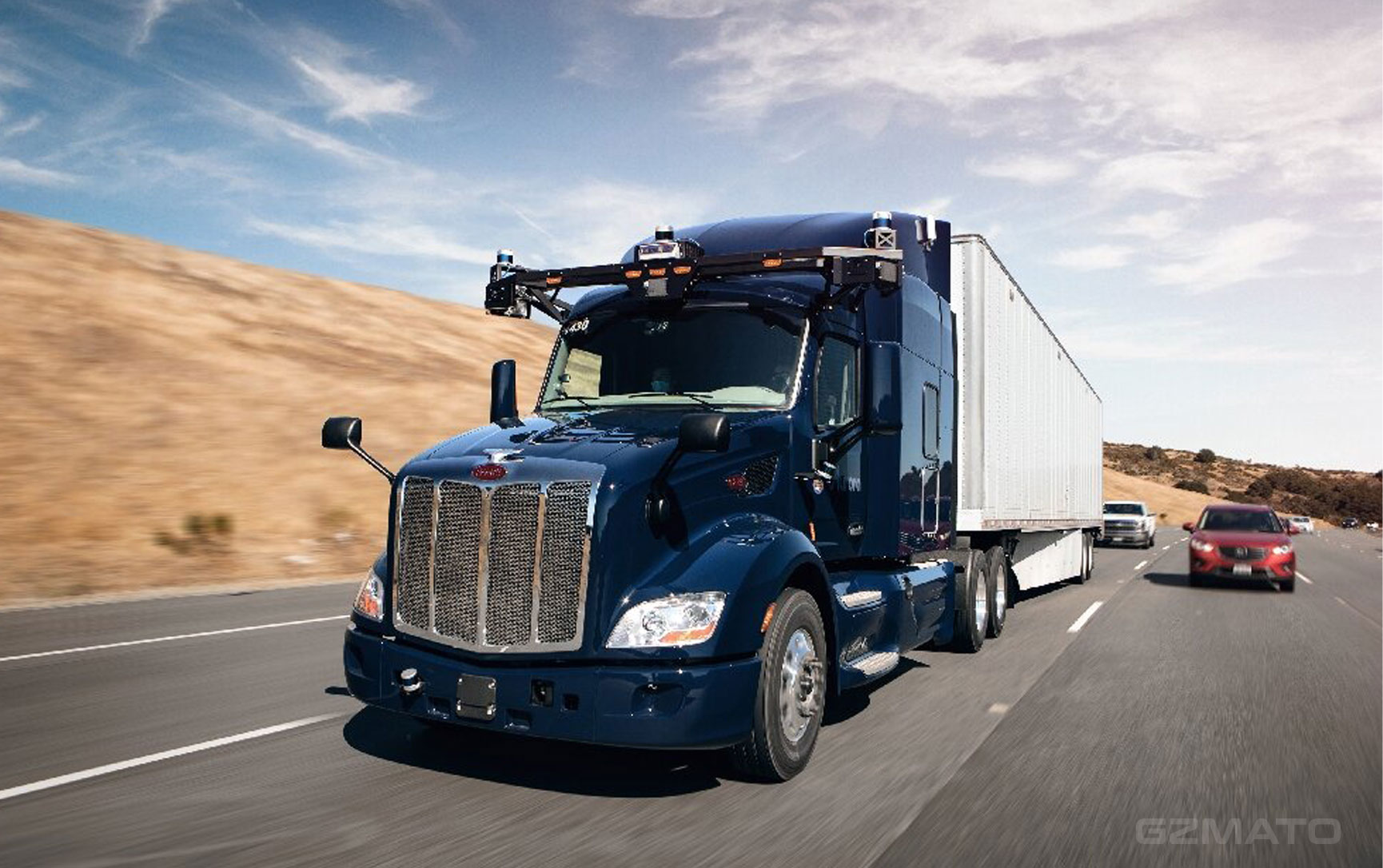
A groundbreaking achievement in the world of autonomous technology has just been announced. For the first time, a fleet of AI-driven, unmanned semi-trucks has successfully completed a cross-border, long-haul delivery. This milestone is not just a technological feat; it’s a powerful signal that the future of global logistics is on the verge of a radical transformation.
The Technology Behind the Milestone
The success of this journey was made possible by the seamless integration of cutting-edge technologies. The unmanned trucks navigated complex highways and border crossings without a human driver in the cab, relying on a sophisticated array of sensors and AI systems.
- Advanced Perception: The trucks used LiDAR (laser-based radar), traditional radar, and high-resolution cameras to create a real-time, 360-degree map of their surroundings. This system allowed them to "see" and react to everything from other vehicles and pedestrians to road signs and changing weather conditions.
- Intelligent Decision-Making: A powerful AI driving system processed this vast amount of data in milliseconds, making all the complex decisions that a human driver would, such as braking, accelerating, and changing lanes.
- V2X Communication: At the border, Vehicle-to-Everything (V2X) communication played a crucial role, allowing the trucks to securely exchange information with customs systems and border patrol. This is a key step towards a future where automated vehicles can navigate complex logistics chains seamlessly.
The Broader Impact on Global Logistics
This successful journey is much more than a headline. It validates a technology that promises to fundamentally reshape the global supply chain, leading to significant economic and societal shifts.
- Unprecedented Efficiency: Unmanned trucks can operate 24/7 without needing rest, which could drastically reduce delivery times and increase the efficiency of freight networks.
- Cost Reduction: Automation in logistics could lead to a substantial decrease in operational costs, from fuel efficiency to labor expenses.
- Improved Safety: The majority of trucking accidents are caused by human error. The introduction of highly precise AI-driven systems has the potential to make our roads significantly safer.
- Supply Chain Resilience: In a world facing increasing disruptions, automated freight can ensure that supply chains remain stable and reliable, even in the face of labor shortages or other unforeseen events.
While the technology is advancing rapidly, challenges remain. The legal and regulatory frameworks for cross-border autonomous transport are still in their infancy, and the social impact on human drivers needs to be carefully managed. However, this first journey is a clear sign that the era of automated logistics is no longer a distant dream but an imminent reality.



- autonomous logistics
- unmanned trucks
- AI freight
- cross-border transport
- supply chain
- automated vehicles
- self-driving trucks