The End of the Office as We Know It: How AI and Hybrid Work Are Reshaping Our Careers
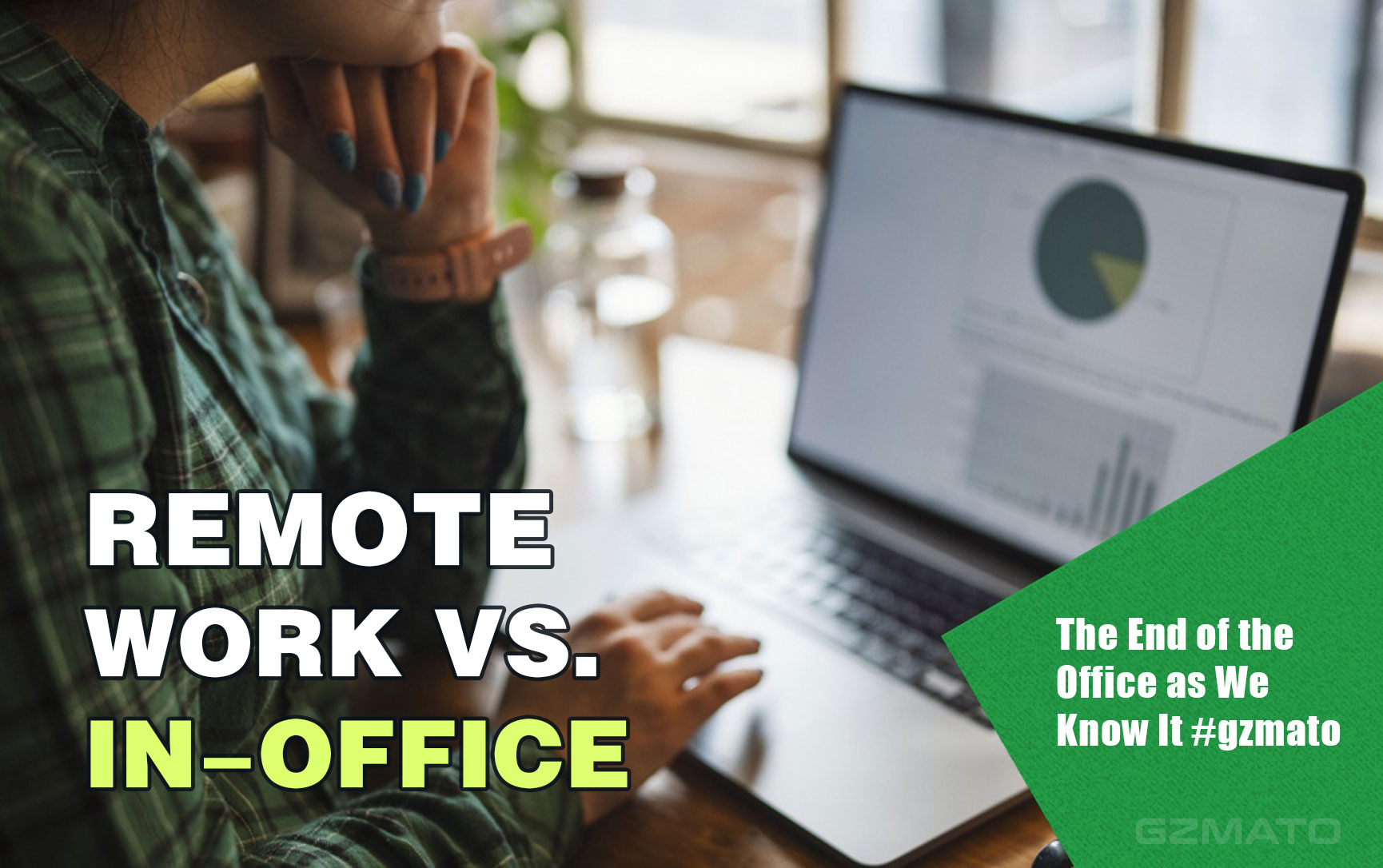
The COVID-19 pandemic forced a global experiment in remote work, proving that for many, a physical office wasn't a prerequisite for productivity. Now, as major companies mandate a return to the office, a new battle is emerging. This isn't just about a change of scenery; it's a fundamental shift in our relationship with work itself, driven by employee preference and, most importantly, the unstoppable rise of technology.
The New Reality: Why Employees Are Pushing Back
The desire for remote work is more than just a passing fad; it's a new reality shaped by tangible benefits. For many, working from home provides unparalleled flexibility, allowing for a better work-life balance. It eliminates the daily commute, saving hours of precious time and thousands in transportation costs. Furthermore, many studies show that for tasks requiring deep focus, home offices can be more productive environments than distracting open-plan workspaces. This newfound autonomy and efficiency have fundamentally changed what employees expect from their jobs, making a full-time return to a traditional office a hard sell.
The Driving Force: Technology and the Rise of AI
The shift to remote work wouldn’t be possible without a suite of powerful digital tools. Video conferencing, cloud-based collaboration platforms, and shared project management software have made it easier than ever for teams to work together seamlessly from anywhere.
However, the next wave of change is being powered by artificial intelligence. As AI automates routine tasks—from scheduling and data analysis to drafting reports and emails—the need for human proximity for these day-to-day duties diminishes. AI is transforming work from a physical location to a digital activity. The human role is shifting toward creativity, strategy, and problem-solving, all of which can be effectively executed from a remote location.
The Hybrid Model: The Best of Both Worlds
Given these factors, the most likely future is not a full-time return to the office, but a hybrid model. The office is not dying; it is simply being redefined. Its purpose is no longer to house daily work but to serve as a hub for high-value, in-person interactions.
This means that while routine tasks and independent work can be handled from home, physical office time will be reserved for activities that truly benefit from human connection:
- Strategic Planning and Brainstorming: The spontaneous synergy of a whiteboard session.
- Team Building and Mentorship: Fostering company culture and informal knowledge sharing.
- Presentations and Public Speaking: High-energy communication that benefits from an in-person audience.
The future of work is no longer about where you are, but about what you do. It's about using technology to achieve peak efficiency and reserving physical space for what matters most: the human connection.


- future of work
- remote work
- hybrid work
- AI and work
- office trends
- work-life balance
- remote teams
- digital transformation