AI Glasses: The Next Hardware Boom (and Where the Real Profit Is)
November 16, 2026 — The smartphone market is mature, heavily saturated, and locked in a brutal price war. Every accessory seller knows the feeling: margins are getting thinner, and customer acquisition costs are climbing. But while everyone is fighting over phone cases and charging cables, a new hardware category is quietly hitting its inflection point.
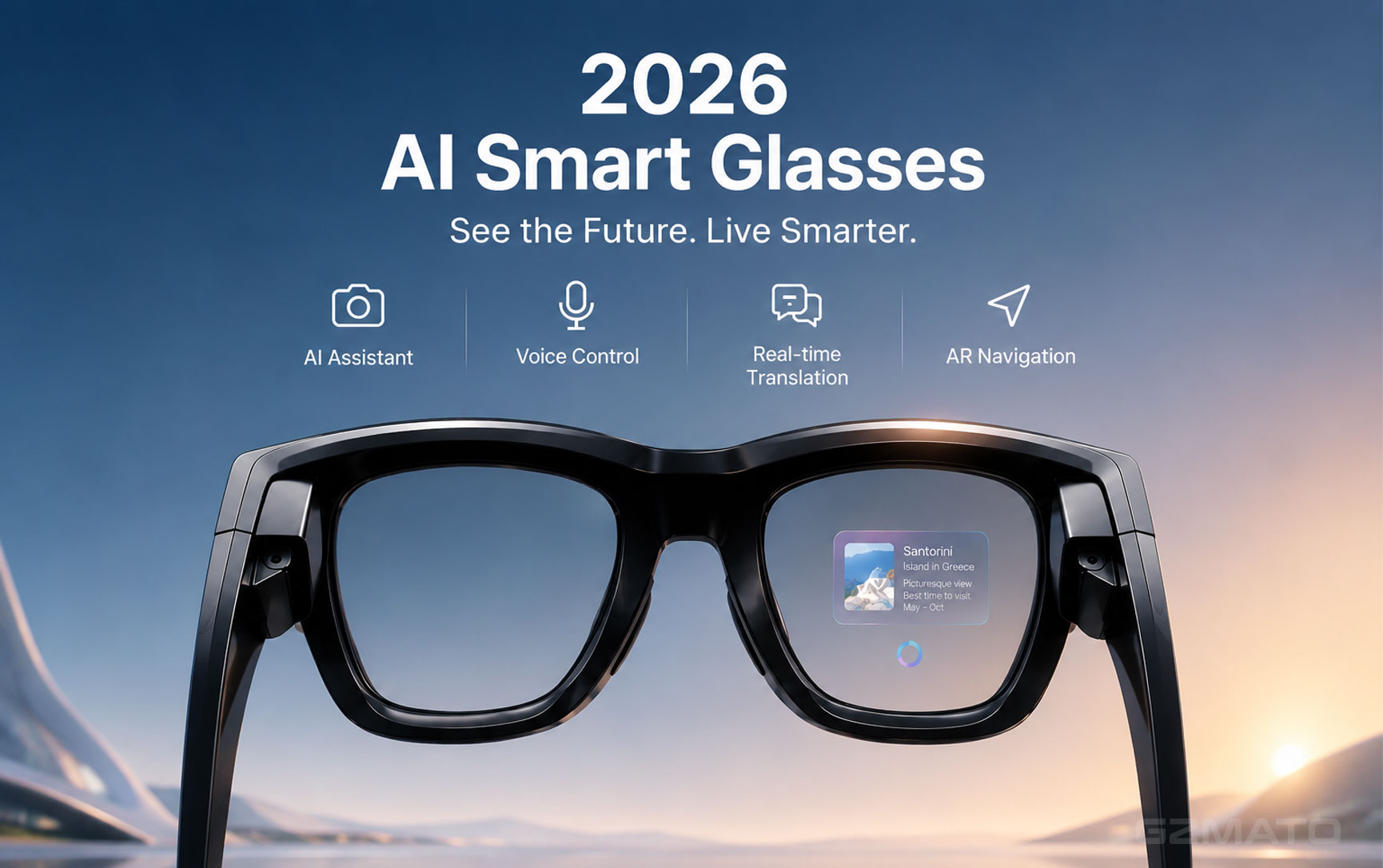
According to data from the Ministry of Commerce, sales of smart glasses on major platforms in the first three quarters of 2026 grew by 1.1 times year-over-year. Welsense Information predicts total AI glasses sales will reach 15 million units this year, with Q4 alone expected to exceed 5.5 million units . This is not a "metaverse" fantasy anymore. The AI models have landed, the hardware is ready, and consumers are buying.
15 Million Units: The Supply Chain Reality
Why are AI glasses suddenly exploding? It is not because of a sudden breakthrough in optics. It is because the supply chain is finally ready, and Chinese manufacturers are leading the charge.
Companies like Guoguang Electric are deeply involved in the ODM (Original Design Manufacturer) production for AI earbuds and glasses. Brands like RayNeo and Kangguan are rapidly iterating, integrating large language models (like Qwen) directly into the frame. The production cost of Micro-OLED displays and lightweight frames has dropped significantly, making $299–$499 AI glasses viable for mass-market consumers .
Just like the smartphone era, the entire production ecosystem for AI glasses is concentrated in Shenzhen and the Greater Bay Area. For Chinese cross-border sellers, this means you have direct, immediate access to the latest hardware. You do not need to wait for Western distributors to mark up the price. The challenge is figuring out how to differentiate yourself without getting crushed by the big brands.
The Hidden Goldmine: It's Not the Glasses, It's the Accessories
If you try to sell generic AI glasses on Amazon, you will be competing directly with Ray-Ban, Huawei, and Xiaomi. You will lose. But every pair of AI glasses sold creates immediate pain points that the big brands have not fully solved. That is where the opportunity lies.
| The Pain Point | The Problem | The Accessory Opportunity |
|---|---|---|
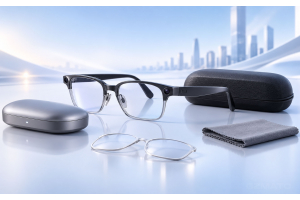
| Vision Correction | AI glasses are thick. Users with myopia (nearsightedness) cannot just wear their contact lenses all day. | Custom Prescription Lenses: High-margin, high-need. Offering a "lens replacement" service or selling compatible lens inserts is a massive market. |
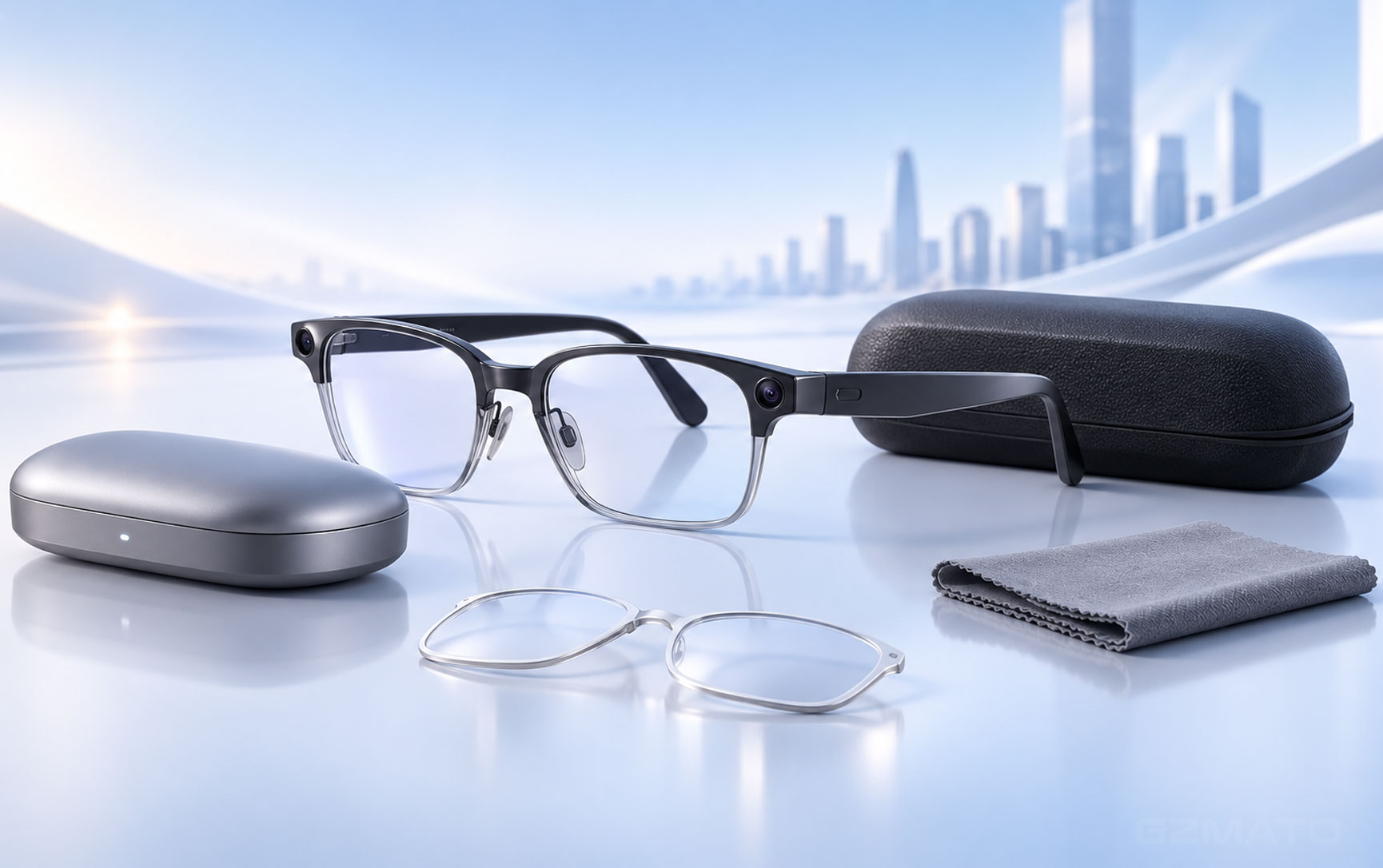
| Battery Anxiety | AI glasses with cameras and speakers typically last only 4-6 hours. Charging them requires a special magnetic pogo-pin cable. | Portable Magnetic Charging Cases: Think of AirPods cases, but for glasses. A sleek charging case that can be clipped to a bag is an instant bestseller. |
| Fragility & Scratch | The lenses and frames are expensive. Dropping them or scratching the camera lens ruins the device. | Hard-Shell Protective Cases & Anti-Scratch Films: Custom-fit EVA cases and specialized anti-blue-light/anti-scratch films for the front glass. |
| Privacy Paranoia | People are nervous about being recorded. There is a growing "anti-surveillance" trend. | Privacy Covers/Sliders: Simple, cheap physical covers that slide over the camera lens when not in use. A huge psychological selling point. |
The Red Line: Privacy and Compliance
This is where many sellers get burned. AI glasses have cameras and microphones. In Europe (GDPR) and the US (CCPA), privacy regulations are extremely strict.
Do not, under any circumstances, market your accessories as "helping to secretly record" or "hiding the recording light." If a seller is caught facilitating unauthorized surveillance, platforms like Amazon will ban the account instantly, and European customs may seize the goods.
The safe marketing angle is transparency and protection. Selling a "camera privacy cover" should be marketed as "protecting your own privacy when not taking photos," not "hiding the fact that you are filming." All electronic components (charging cables/cases) must carry CE and FCC certifications.
How Gzmato Sellers Can Capture This Market
If you want to enter this category, here is the pragmatic approach:
- Step 1: Validate with Accessories First. Do not try to build a brand or a new pair of AI glasses. Buy 100 units of the most popular base model (e.g., Ray-Ban Meta, or domestic models like RayNeo X2). Then, source or design the high-quality cases, lenses, or privacy sliders for them. Test the market with low inventory risk.
- Step 2: Focus on the "Prescription" Gap. If you have optical or lens supply chain resources, this is your golden ticket. Many Western consumers have myopia but are hesitant to buy AI glasses because they don't want to wear contacts. Offering "Prescription Inserts" or "Pre-installed Lenses" solves a massive friction point.
- Step 3: Bundle and Brand. Instead of selling just a charging cable, sell a "Travel Kit" (Charging case + Privacy sliders + cleaning cloth) in a premium box. This increases the average order value (AOV) and helps you escape the low-price spiral.
Key Takeaways
| # | What You Need to Know |
|---|---|
| 1 | AI glasses are a 1.5 billion RMB hardware boom. Sales grew 1.1x YoY in Q3, with 15 million units projected for 2026. |
| 2 | Don't compete on the hardware. Big brands control the R&D and chip supply. Small sellers cannot win a price war on the glasses themselves. |
| 3 | The money is in the friction points. Prescription lenses, magnetic charging cases, and privacy sliders are high-demand, low-competition accessories. |
| 4 | Privacy compliance is non-negotiable. Never market camera covers or cases as a way to secretly record. Focus on "protecting the user's privacy." |
| 5 | Premium materials matter. Since the glasses are expensive, cheap plastic accessories won't sell. Use quality materials and packaging. |
| 6 | Validate with low inventory first. Buy a batch of the most popular glasses and test selling the accessories before committing to large-scale manufacturing. |
Smart Wearables | Charging Cases | Protective Gear | Audio & Visual Accessories
Special Offer: Use code TECH2026 for a discount on your first order!
Shop Now at GzmatoTell us your target product category, and we can help you analyze supply chain trends and sourcing options—or connect you with the right ODM partners. Chat with us or open a request.
- AI glasses accessories
- smart glasses boom
- AI wearable accessories
- prescription lens inserts
- magnetic charging case
- privacy camera cover
- Gzmato