Apple's AI Dilemma: Ternus Wants Speed, Federighi Wants Caution

November 16, 2026 — Apple is at a crossroads. The company just hit a $5 trillion market cap, but the engine driving that valuation is showing signs of strain. According to recent reports, new CEO John Ternus is pushing hard for Apple to accelerate its AI roadmap, specifically urging the software team to move beyond "necessary patches" for Siri and toward a true AI Agent architecture.
But standing in the way is a structural friction at the very top of Apple's leadership. The man in charge of software, Craig Federighi, has long been known internally as an "AI skeptic." This creates a fascinating dynamic: a hardware-centric new CEO demanding speed, and a software veteran preaching caution.
The Friction at the Top: Ternus vs. Federighi
Why is this happening now? Ternus is a hardware guy. He spent his career building multi-year roadmaps for Macs and iPads. He knows that hardware development requires looking three to five years ahead. But as reports suggest, Federighi's software team operates on a much shorter cycle—often planning only 12 to 18 months out.
For a technology as disruptive as generative AI, a 12-month planning horizon is a severe handicap. By the time a feature is mapped, built, and tested, the industry standard has already moved. Ternus knows this. And he is reportedly frustrated that Siri is still fundamentally the same voice assistant it was five years ago, just with slightly better voice recognition.
It is worth noting that Federighi previously stated he had no desire to be CEO. This eliminates the most aggressive form of corporate infighting. However, a manager who doesn't want the top job can still be a massive bottleneck if they disagree with the CEO's direction. Federighi’s influence over Apple's software architecture is immense. If he truly believes Apple should move cautiously on AI, Ternus cannot simply snap his fingers and make it happen.
A History Lesson: The Ghost of Scott Forstall
For longtime Apple watchers, this scenario feels eerily familiar. It echoes the early 2010s, when Apple was navigating the transition from the Steve Jobs era to Tim Cook's leadership.
Back then, Scott Forstall—the brilliant but polarizing head of iOS—was in charge of Apple Maps and Siri. When Apple Maps launched to disastrous results in 2012, and Siri failed to meet expectations, Forstall was forced out. The hardware and design factions (led by Bob Mansfield and Jony Ive) won the power struggle.
What This Means for the Apple Ecosystem
Apple's primary moat is its ecosystem. Users stay because their iPhone, Mac, and AirPods work together seamlessly. This "lock-in" effect is what allowed Apple to charge premium prices even as hardware innovations became incremental.
However, AI has the potential to rewrite the rules of engagement. If competitors (like Android/Google) offer a fundamentally better, more intuitive AI assistant that genuinely saves time and works across devices, the friction of switching away from Apple will decrease. If the Apple ecosystem stops feeling like the most "magical" one, brand loyalty will eventually erode.
The Accessory Opportunity (Short vs. Long Term)
For Gzmato sellers, the strategic approach depends on the timeline.
| Timeline | What to Focus On |
|---|---|
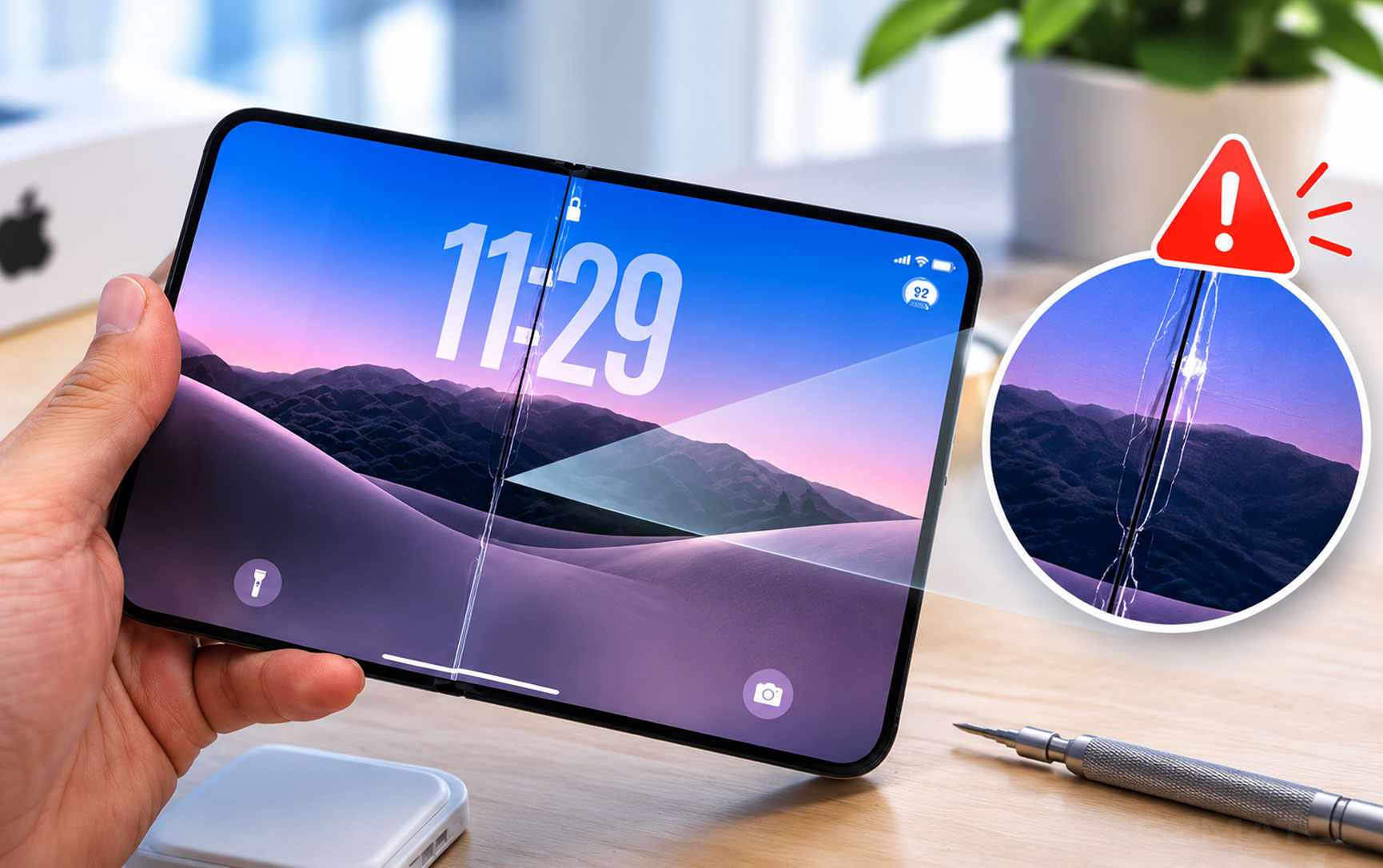
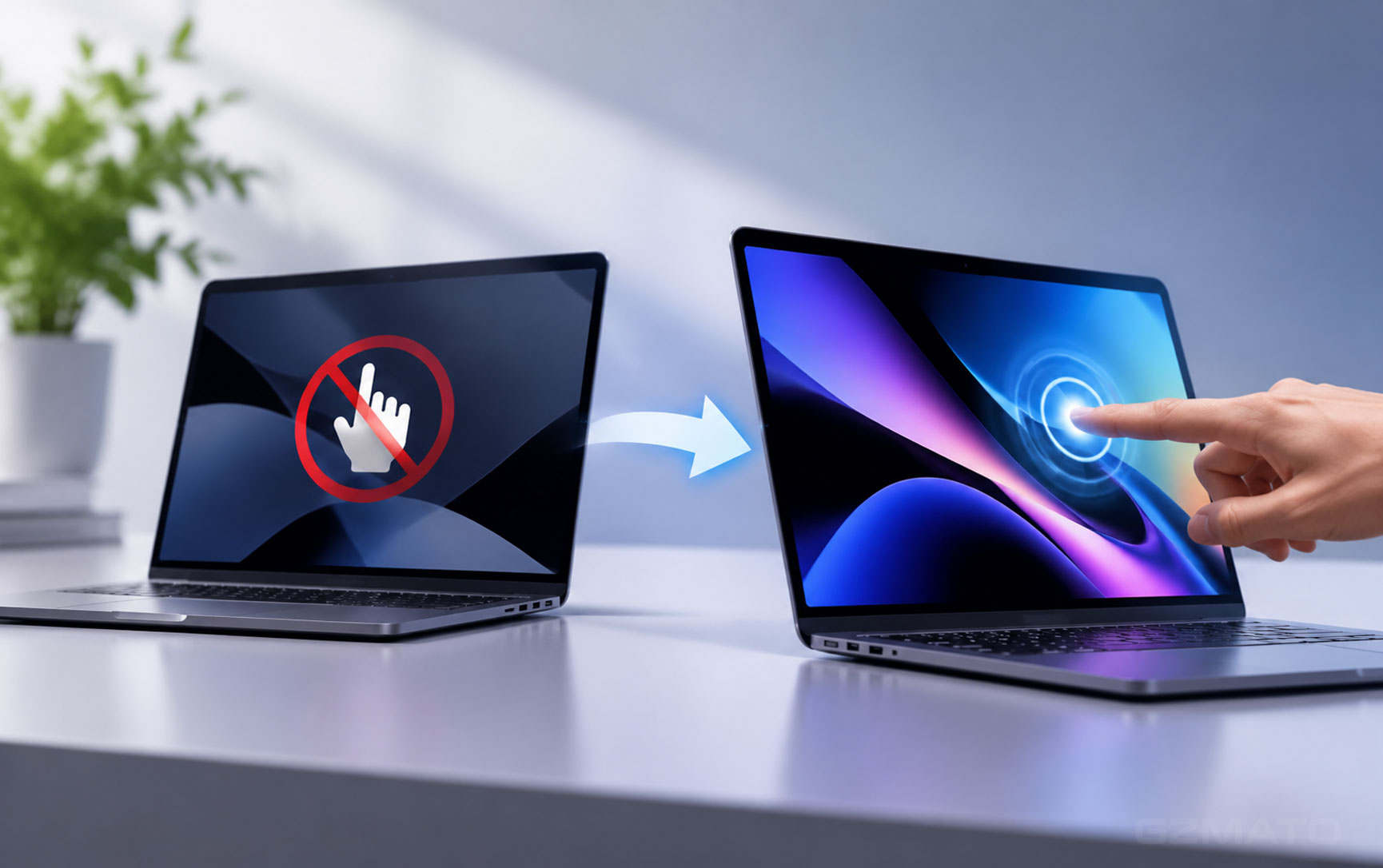
| Short Term (Now to 1 Year) | Hardware Form Factors. Apple is still selling millions of devices based on form factor updates. Focus on accessories for the new iPhone Duo, touchscreen Macs, and HomeView. The physical hardware dictates accessory demand. |
| Long Term (2+ Years) | AI-Driven Interactions. Watch for how Siri evolves. If Siri becomes a true AI Agent, devices may rely less on screens and more on voice and ambient sensors. This could open opportunities in smart home sensors, AI wearable accessories (like pins or specialized earbuds), and localized AI hardware. |
Key Takeaways
| # | What You Need to Know |
|---|---|
| 1 | Ternus is pushing for faster AI development. The new CEO wants Siri to evolve into an AI Agent, not just a patched voice assistant. |
| 2 | Federighi is resisting the pace. The software chief is a known AI skeptic, prioritizing privacy and stability over rapid iteration. |
| 3 | Planning cycles are mismatched. The hardware team plans for years, while the software team plans for 12-18 months, causing friction. |
| 4 | Historical parallels exist. The situation echoes the 2012 departure of Scott Forstall (iOS head) due to failures in Maps and Siri. |
| 5 | Ecosystem lock-in is at stake. Apple's valuation depends on users staying in its ecosystem. If AI lags, that lock-in weakens. |
| 6 | Short-term seller focus: Hardware. Accessories for new hardware form factors (Duo, touch Macs) remain highly profitable. |
| 7 | Long-term seller focus: AI Hardware. As AI agents evolve, accessory opportunities may shift toward ambient sensors and AI wearables. |
- DoNews — Apple's AI dilemma: Ternus pushes for speed, Federighi remains skeptical (Nov 16, 2026)
- Bloomberg — Ternus pushes software team to overhaul Siri AI (Nov 15, 2026)
- MacRumors — Apple executive tensions over AI strategy (Nov 15, 2026)
- The Information — The internal struggles behind Apple's AI delay (Nov 15, 2026)
iPhone | MacBook | Smart Home Devices | Premium Accessories
Special Offer: Use code TECH2026 for a discount on your first order!
Shop Now at GzmatoTell us what category you are focusing on, and we can help you analyze supply chain trends and sourcing options. Chat with us or open a request.

- Apple AI strategy
- John Ternus AI
- Craig Federighi AI skeptic
- Apple Siri AI Agent
- Apple ecosystem lock-in
- Gzmato