2026 AI Smart Glasses Buyer's Guide: Ray-Ban Meta vs Even G2 vs Rokid vs XREAL - Updated July 24, 2026
- 2026 Smart Glasses Buyer's Guide: The Market Has Never Been More Crowded
- Quick Picks at a Glance
- Pure AI Glasses (Audio + Camera)
- AI + HUD Glasses (Subtle Heads-Up Display)
- AI + Full AR Glasses (Immersive Display)
- Quick Spec Comparison
- How to Choose: Four Key Questions
- Buying Tips: What to Watch Out For
- Final Verdict
- Shop Smart Wearables at Gzmato
- Key Takeaways
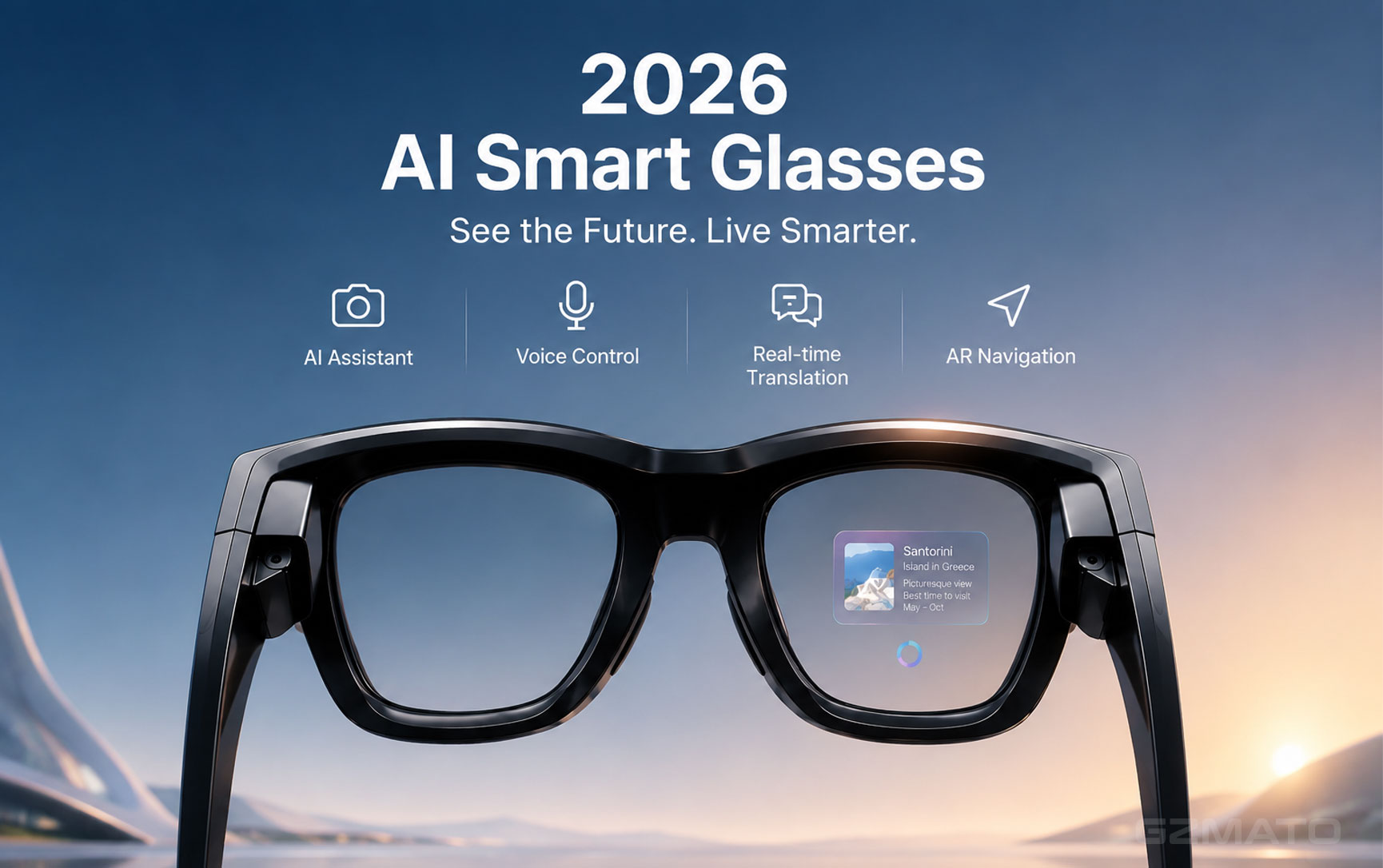
Updated August 23, 2026 — The smart glasses market has never been more crowded or more diverse. In the past few weeks alone: Snap opened pre-orders for its standalone AR glasses, Specs ($2,195); Meta launched its own lower-cost smart glasses ($299); Samsung unveiled its Galaxy Glasses; and XREAL debuted the Android XR-powered AURA. Most recently, on August 21, RayNeo released the iO series — an AI glasses line that deliberately removes the camera to prioritize everyday wearability. For buyers, this means more choice — but also more confusion.
Smart glasses in 2026 fall into three distinct categories. Understanding them is the first step to making the right choice.
- Pure AI Glasses (Audio + Camera): No display. Focus on voice AI, camera, and audio. Best for hands-free calls, content capture, and AI assistance. Examples: Ray-Ban Meta, Meta Glasses, Galaxy Glasses, Rokid AI Glasses, Huawei AI Glasses. Weight range: 35-50g | Battery: 6-12 hours | Price: $99-$499
- AI + HUD Glasses (Subtle Heads-Up Display): Subtle monochrome or low-color display for notifications, translation, and navigation. Best for professionals who need information overlay. Examples: RayNeo iO, Even Realities G2, Rokid Glasses, Xiaomi AI Glasses. Weight range: 25-49g | Battery: 5-12 hours | Price: $199-$599
- AI + Full AR Glasses (Immersive Display): Full-color immersive displays for media consumption, gaming, and spatial computing. Best for home entertainment and productivity. Examples: Snap Specs, XREAL AURA, XREAL One Pro, RayNeo Air 4 Pro. Weight range: 50-136g | Battery: 2-4 hours (tethered or standalone) | Price: $299-$2,195
Quick Picks at a Glance
Top Recommendations by Use Case
- Best Overall Camera-First: Ray-Ban Meta (Gen 2) — $379
- Best Budget AI Glasses: Meta Glasses — $299
- Best No-Camera HUD: RayNeo iO — ~$280
- Best Standalone AR: Snap Specs — $2,195
- Best Display Quality: Even Realities G2 — $599
- Best Value AR: RayNeo Air 4 Pro — $299
Pure AI Glasses (Audio + Camera)
This category includes glasses with a camera, microphone, and speaker system, but no display. They're designed for content capture, hands-free calling, and AI assistance.
Pros: Invisible tech, excellent camera, stylish designs, Meta AI integration, strengthened privacy safeguards
Cons: No display, ongoing privacy scrutiny, 4-hour battery without case, Western frame fit may be tight on Asian faces
Pros: Lower price than Ray-Ban Meta, same core AI and camera features, Muse Spark preinstalled, 26 color combos
Cons: Less fashion-forward design, newer line with less track record
Pros: Works with both Android and iPhone, fashion-forward design partners, deep Gemini integration, 9-hour battery
Cons: Pricing still unofficial, no confirmed ship date beyond "fall 2026," first-generation hardware
Pros: Lighter than Meta, comfortable nose pads, multi-AI support, competitive pricing
Cons: Proprietary pogo-pin charging (no case), speakers inferior to Meta, slower AI response times
Pros: Extremely lightweight (35.5g), excellent HarmonyOS integration, 42-language translation, neck posture monitoring
Cons: Best features locked to Huawei ecosystem, non-replaceable battery, limited third-party AI options
Pros: Extremely affordable, looks like regular glasses, no camera means no privacy debate
Cons: No camera or display, limited functionality
AI + HUD Glasses (Subtle Heads-Up Display)
These glasses offer a subtle display — usually monochrome or low-color — for notifications, translation, and navigation. They overlay information without full AR immersion. The newest entrant in this category is the RayNeo iO, which takes a distinct approach by removing the camera entirely.
Pros: Extremely lightweight (34g), two-day battery life, no camera for privacy, all-day memory recording, 0-1000 degree prescription support
Cons: No camera or speakers, limited app ecosystem at launch, 23.5° FOV is text-focused, relies heavily on AI for value
Pros: Best-in-class display, excellent translation, subtle design, comfortable (36g), smart ring control, no camera privacy concerns
Cons: Premium price ($599), no camera, limited third-party apps
Pros: Affordable for HUD glasses, multiple AI support, camera included, Google Maps integration
Cons: Heavier (49g), translation less polished than Even, camera brings privacy considerations
Pros: Extremely lightweight (25g), excellent battery life, comfortable fit, affordable
Cons: Best with Xiaomi ecosystem, monochrome display only, no camera
AI + Full AR Glasses (Immersive Display)
This category includes glasses that create a full-color immersive AR experience. The hardware demands are much higher — battery life, weight, and cost all scale up.
Pros: True standalone AR, no phone required, 51-degree FOV, hand tracking, electrochromic lenses, AI assistant
Cons: Extremely expensive ($2,195), heavy (132-136g), limited app ecosystem, unproven consumer appeal
Pros: 70-degree FOV, lightweight (95g), Android XR ecosystem, millions of existing Android apps
Cons: Tethered to external computing unit, less portable than Snap Specs
Pros: Unbeatable price for AR glasses, HDR10, 120Hz refresh, great audio
Cons: Modest field of view, requires tethered connection to phone/computer
Pros: Widest FOV, excellent picture quality, built-in 3DOF, low latency, dimmable lenses
Cons: Expensive, no focus dials, optional 6DOF camera costs extra
Quick Spec Comparison
| Model | Type | Weight | Price | Battery | Display | Best For |
|---|---|---|---|---|---|---|
| Ray-Ban Meta Gen 2 | Audio+Cam | ~50g | $379 | 4h | None | Social media, hands-free |
| Meta Glasses | Audio+Cam | ~50g | $299 | 8h | None | Budget Meta ecosystem |
| Samsung Galaxy Glasses | Audio+Cam | TBC | $379-499 | 9h | None | Gemini AI, Android + iPhone |
| RayNeo iO | HUD | 34g | ~$280 | 2 days | Green Micro-LED | Privacy, all-day wear, memory |
| Even G2 | HUD | 36g | $599 | ~10h | Mini micro-LED | Translation, privacy-conscious |
| Snap Specs | AR | 132-136g | $2,195 | 4h | LCoS, 51° FOV | Standalone AR |
| XREAL AURA | AR | ~95g | $1,099 | Tethered | 70° FOV | Android XR ecosystem |
| RayNeo Air 4 Pro | AR | 76g | $299 | Tethered | HDR10 | Budget AR |
How to Choose: Four Key Questions
1. Do you need a display?
No display: Choose Pure AI glasses. They're lighter, cheaper, and better for hands-free calls, music, and quick AI assistance.
Subtle display only (notifications, translation, navigation): Choose AI + HUD glasses.
Full immersive display: Choose AR glasses. Best for media consumption and spatial computing.
2. Do you want a camera on your face?
This is the central privacy question in 2026. If you're uncomfortable with the privacy implications, the newly launched RayNeo iO offers a display without a camera — a dedicated "no-camera" option that still provides AI assistance. Even Realities' cameraless approach is another alternative. If you want the camera functionality, Meta's July 2026 tamper-detection update is a meaningful step, but it doesn't eliminate every privacy concern.
3. What's your budget?
Under $200: Lucyd ($99) for audio only.
$200-$400: Meta Glasses ($299), Rokid Style ($299), RayNeo iO (~$280), or RayNeo Air 4 Pro ($299) for AR.
$400-$600: Even Realities G2 ($599) for best HUD.
$600+: XREAL AURA ($1,099) or Snap Specs ($2,195) for full AR.
4. What ecosystem do you use?
iPhone users: Ray-Ban Meta has the most polished iOS support. Samsung's Galaxy Glasses are also confirmed to pair with iPhone once available.
Android users: More options and better Google integration — Galaxy Glasses bring the deepest Gemini AI integration. XREAL AURA runs Android XR. RayNeo iO works with Android and is optimized for Chinese AI ecosystems.
Huawei users: Huawei AI Glasses for the deepest HarmonyOS integration.
Xiaomi users: Xiaomi AI Glasses for the best Xiao Ai and MIUI integration.
Buying Tips: What to Watch Out For
Weight is critical. Any pair over 50 grams will cause nose bridge pressure over extended wear. The lightest options (Xiaomi AI Glasses 25g, RayNeo iO 34g, Huawei 35.5g, Even G2 36g, Rokid Style 38.5g) are significantly more comfortable for all-day use.
Standalone vs. tethered matters. Snap Specs are the only truly standalone consumer AR device on the market. XREAL AURA requires a separate computing unit. Meta's glasses are phone-dependent. The difference affects portability, battery life, and convenience.
Don't pre-pay for unconfirmed products. With Samsung's Galaxy Glasses pricing and ship date still unofficial, treat any third-party "pre-order" offers with caution until Samsung opens official reservations.
Check the charging solution. Many smart glasses use proprietary chargers or cases. Meta's charging case is excellent; Rokid's pogo-pin cable is less so. RayNeo iO uses a compact charging case that provides 5 full charges.
Privacy matters more than ever. All camera-equipped glasses have an LED indicator when recording, but how effective that is remains debated. The RayNeo iO takes a different approach — it lacks a camera entirely and uses a hardware-linked LED that cannot be disabled by software.
Prescription lenses add cost and weight. Most smart glasses support prescription inserts, typically adding 3-8 grams and $100-200 to the total cost. RayNeo iO supports 0-1000 degree prescription lenses.
AI features vary by region. Meta AI isn't available everywhere. Galaxy Glasses' Gemini integration may also have regional restrictions. RayNeo iO's AI is optimized for the Chinese market with DeepSeek and Qwen models. Research which AI features work in your country before buying.
Final Verdict
| # | If you want this... | Buy this |
|---|---|---|
| 1 | The best all-around camera-focused pick | Ray-Ban Meta (Gen 2) — $379 |
| 2 | Nearly the same experience for less money | Meta Glasses — $299 |
| 3 | Deep Gemini AI integration, once available | Samsung Galaxy Glasses — $379–$499 (est., fall 2026) |
| 4 | A display without a camera, for all-day wear | RayNeo iO — ~$280 |
| 5 | The best display and no camera privacy debate | Even Realities G2 — $599 |
| 6 | Standalone full AR immersion — no phone, no tether | Snap Specs — $2,195 |
| 7 | Android XR ecosystem with wide FOV | XREAL AURA — $1,099 |
| 8 | The best-value full-color AR experience | RayNeo Air 4 Pro — $299 |
| 9 | An audio-only entry point on a tight budget | Lucyd Smart Glasses — from $99 |
Shop Smart Wearables at Gzmato
Whether you want the best camera-first glasses, a privacy-conscious HUD, or a full AR experience for gaming and media, Gzmato carries the full range of smart wearables.
Ray-Ban Meta | Meta Glasses | Rokid AI Glasses | Huawei AI Glasses | Even Realities G2 | XREAL One Pro
Special Offer: Use code TECH2026 for a discount on your first order!
Shop Smart Wearables at GzmatoWe're actively expanding our catalog and can often source specific models on request, even before they're listed online. Chat with our team or open a request to check availability.
Key Takeaways: What to Buy and Why
| # | What You Need to Know About 2026's Smart Glasses Market |
|---|---|
| 1 | Three categories, three different use cases — Pure AI (audio + camera), AI + HUD (subtle display), and AI + Full AR (immersive display). Match your choice to your primary use case. |
| 2 | Meta launched a new budget line — Meta Glasses at $299 offer nearly the same experience as Ray-Ban Meta without the designer branding markup. Best budget pick. |
| 3 | RayNeo iO introduces a new category — a camera-free display glasses at 34g and ~$280, focused on AI memory and all-day wear. Best no-camera HUD. |
| 4 | Snap Specs are the only standalone consumer AR device — $2,195, 132-136g, 51-degree FOV, shipping fall 2026. Best for AR enthusiasts and developers. |
| 5 | XREAL AURA offers a compelling middle ground — $1,099, 95g, 70-degree FOV, Android XR ecosystem, but requires a tether. Best for Android users who want wide FOV. |
| 6 | Samsung Galaxy Glasses officially unveiled — $379-$499 estimated, Gemini-powered, works with Android and iPhone. Wait for official pricing and availability. |
| 7 | Weight matters more than any spec — anything over 50 grams causes nose bridge pressure over extended wear. The lightest options are Xiaomi (25g), RayNeo iO (34g), and Huawei (35.5g). |
| 8 | The camera question is now central to buying decisions — privacy concerns are shaping the market as much as features are. RayNeo iO and Even Realities offer camera-free alternatives. |
- OFweek / 雷科技 — RayNeo iO launch, 34g weight, no camera design
- 新华网 — RayNeo iO official announcement and pricing, August 2026
- 凤凰网科技 — RayNeo iO hands-on review, display and design details
- 中国电子报 — RayNeo iO product specifications and AI features
- 品玩 — RayNeo iO product positioning and I/O concept
- 新京报 — RayNeo iO privacy design and no-camera approach
- 极客公园 — RayNeo iO strategic positioning, pricing analysis
- BBC News — Snap Specs pricing, analyst commentary, and standalone positioning
- Mashable — Samsung Galaxy Glasses official unveiling and specifications
- TechSpot — Meta Glasses detailed specifications and Muse Spark AI
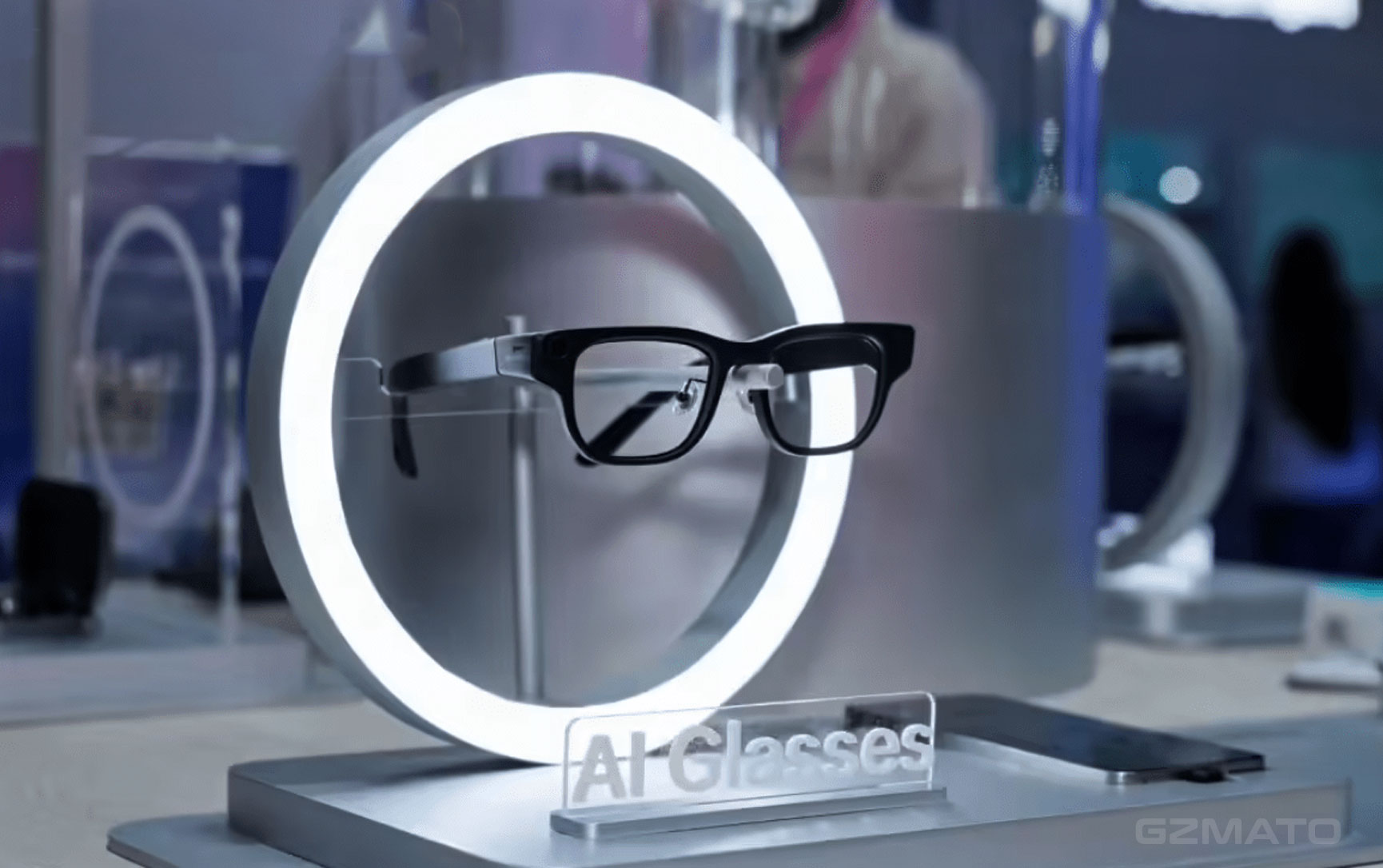
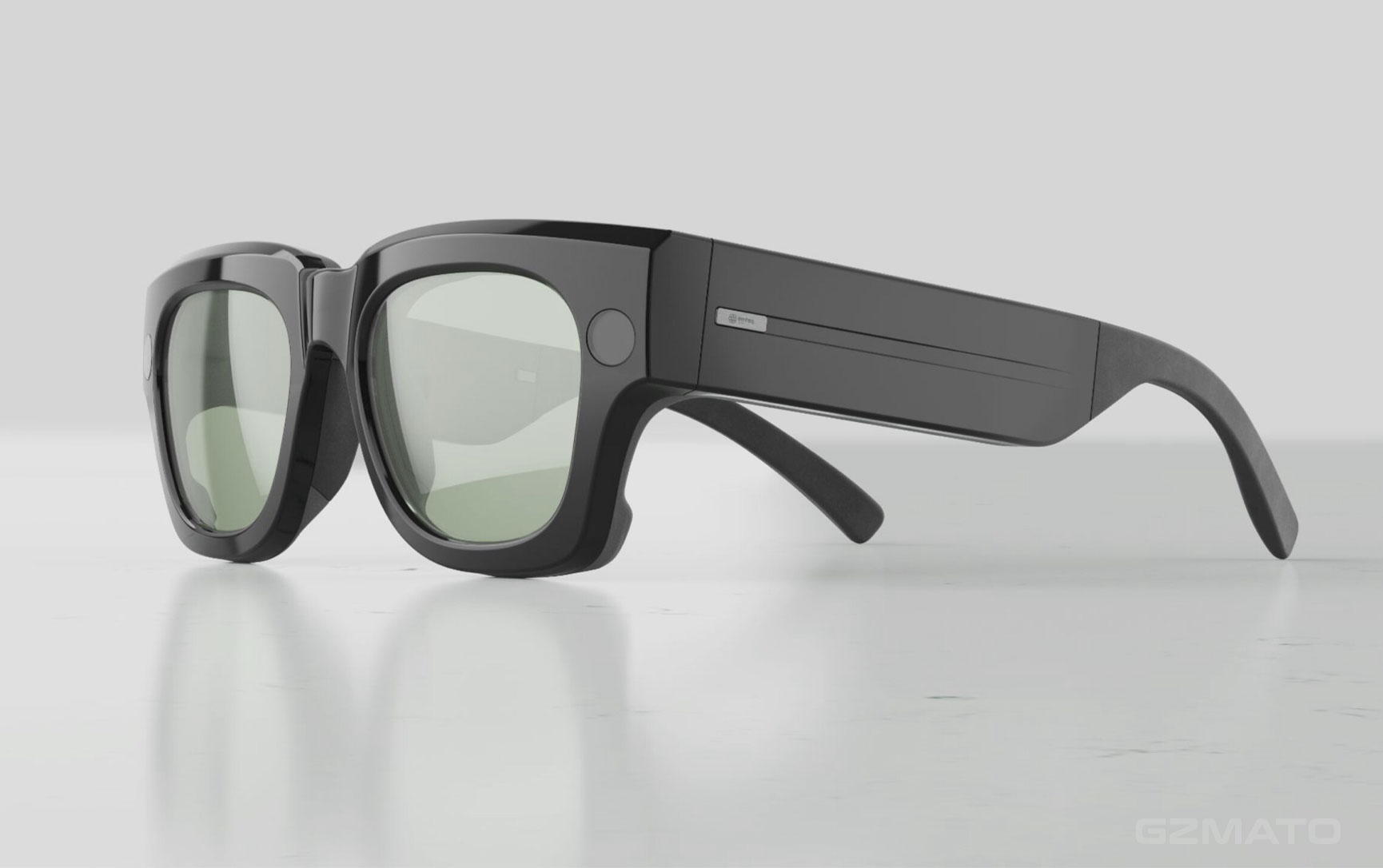
- AI smart glasses 2026
- Ray-Ban Meta Gen 2
- Even Realities G2
- Rokid AI Glasses
- smart glasses review
- AR glasses buyer's guide
- best smart glasses