"A Hundred-Year Flood": Tim Cook Warns of Memory Crisis as Apple, Microsoft Hike Prices
"A Hundred-Year Flood": Tim Cook's Warning
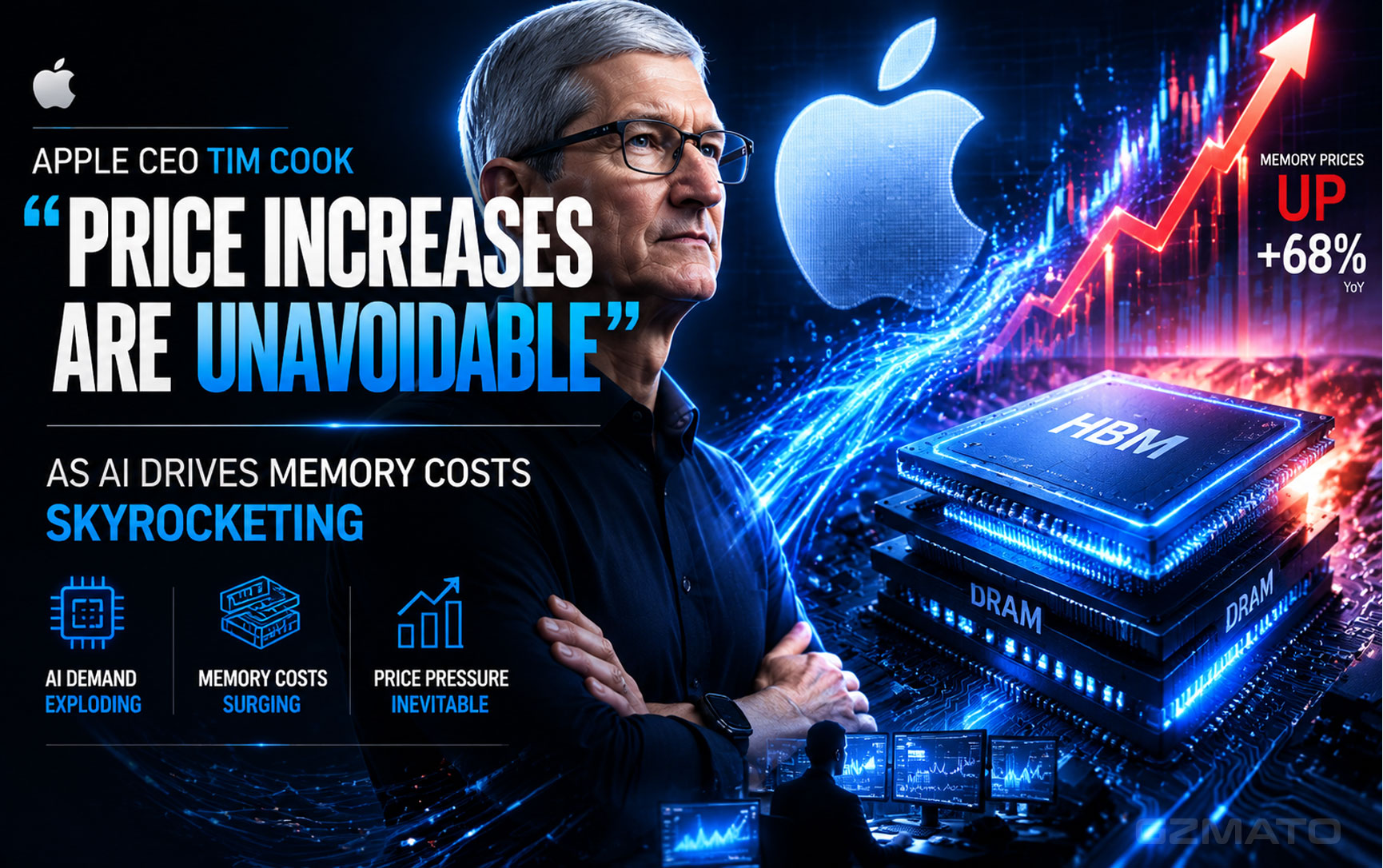
In an exclusive interview with the Wall Street Journal, Apple CEO Tim Cook delivered a stark warning about the state of the memory chip market. His words were striking: "This is a hundred-year flood. In my 40-plus years of experience, in any field, I have never seen anything like this before" [citation:2][citation:4].
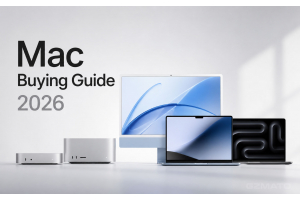
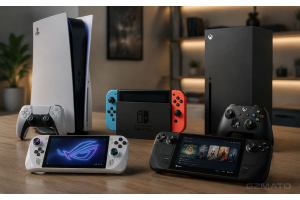
The unprecedented surge in memory and storage chip costs has finally reached consumers. On the same day, Apple raised prices across its Mac and iPad lines by up to 25%, and Microsoft announced global price increases for Xbox consoles [citation:1][citation:2].
This is not a temporary blip. Analysts expect the memory supply shortage to persist through 2028, meaning the price you see today may be the lowest you'll see for a while [citation:1][citation:3][citation:6].
The Price Hikes: Apple and Microsoft Pass the Pain to Consumers
Both Apple and Microsoft raised prices on the same day, citing identical reasons: memory and storage component costs have surged beyond what they can absorb [citation:2][citation:4].
Apple's Price Increases [citation:2]:
| Product | Old Price | New Price |
|---|---|---|
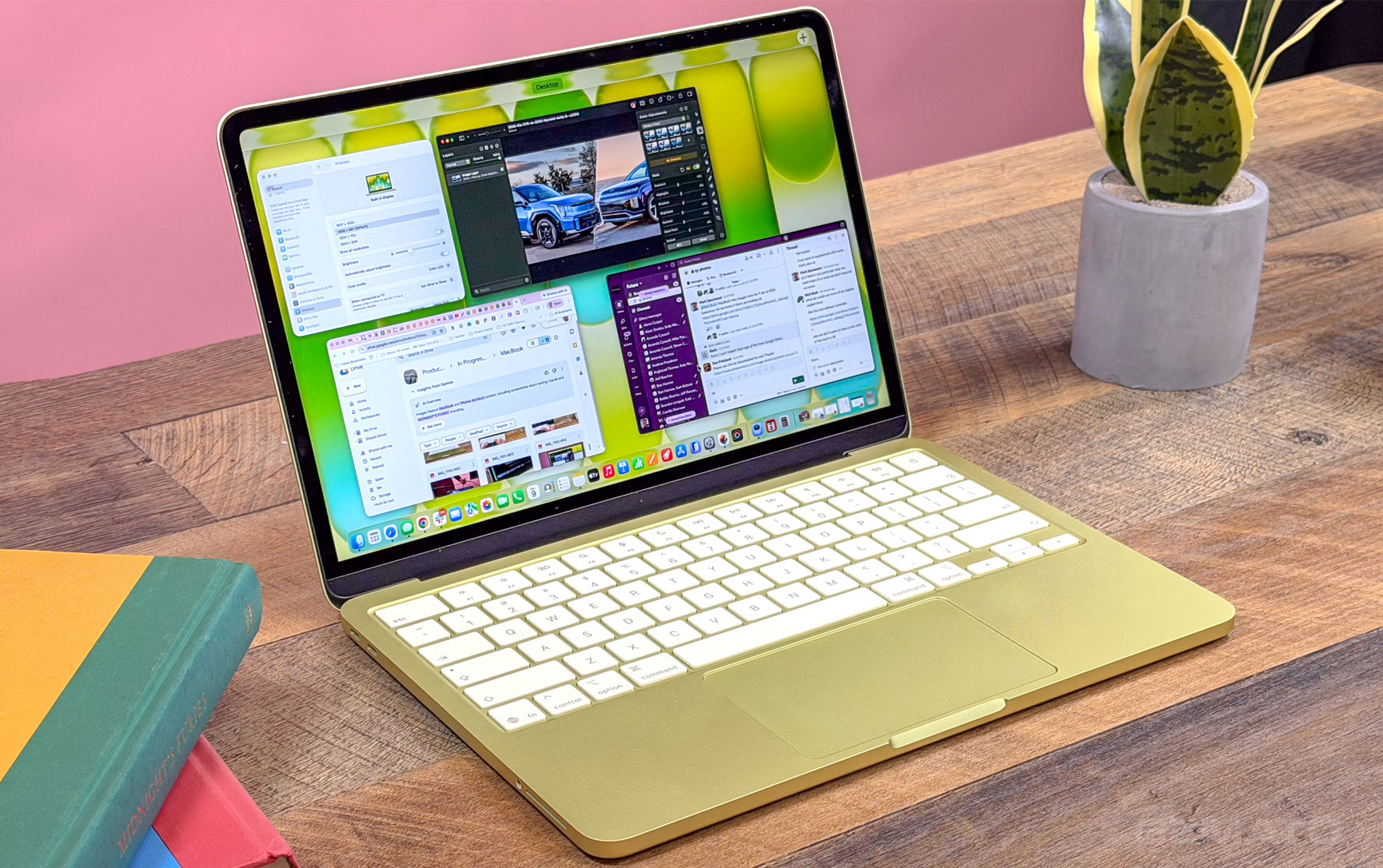
| MacBook Air | $1,099 | $1,299 (+$200) |
| MacBook Pro 16-inch | $2,499 | $2,999 (+$500) |
| iPad Air | $599 | $749 (+$150) |
| MacBook Neo | $599 | $699 (+$100) |
| Apple TV | $129 | $199 (+$70) |
Apple's statement was remarkably candid: "We have never seen a component price increase this much, this quickly" .
Apple excluded the iPhone from this round of price hikes, but analysts expect the iPhone 18 lineup this fall to be more expensive [citation:2]. Counterpoint Research estimates that higher component costs could add $200 to each iPhone, with overall product increases of $150–200 across the lineup [citation:2].
Microsoft's Xbox Price Hike [citation:1][citation:2][citation:5]:
- Xbox Series X: Rising to $800 — a cumulative $300 increase from launch
- Increase date: August 1, 2026
- Microsoft expects component costs to be five times higher by the 2027 holiday season compared to 2024 [citation:2]
Other hardware makers have followed suit. Sony, Nintendo, Dell, HP, and LG have all raised prices on consumer electronics, with memory costs cited as the primary reason [citation:1][citation:5].
The Root Cause: AI Data Centers Are Eating Consumer Memory
The crisis has a single, clear cause: AI data centers are consuming memory chips faster than manufacturers can produce them.
Since Google, Microsoft, Meta, and Amazon began dramatically expanding AI infrastructure spending, prices for DRAM and NAND memory have roughly quadrupled [citation:1][citation:4].
The "Big Five" hyperscalers — Alphabet, Amazon, Meta, Microsoft, and Oracle — are expected to spend $741 billion on capital expenditures this year alone, up nearly 75% year-over-year [citation:2][citation:4].
Most of this spending goes to:
- High-bandwidth memory (HBM) for AI accelerators
- Server DRAM and enterprise SSDs
- Data center construction and equipment [citation:2][citation:5][citation:10]
This has created a supply "trickle-up" effect. Memory manufacturers — led by Samsung, SK Hynix, and Micron — have shifted production capacity toward high-margin AI products, leaving less supply for consumer DRAM and NAND. As a result, smartphone, PC, and game console makers are scrambling for what's left [citation:5][citation:10].
The Numbers Behind the Crisis
The data paints a picture of an industry in upheaval:
| Metric | Value |
|---|---|
| DRAM & NAND price increase | 3-4x since late 2025 [citation:1][citation:4] |
| Micron Q3 2026 revenue | $414.6 billion (+346% YoY) [citation:1][citation:5] |
| Micron gross margin | ~85% [citation:2] |
| Consumer DRAM price increase (Q2 2026) | 49-89% quarter-over-quarter [citation:6] |
| NAND price increase (Q2 2026) | 54-107% quarter-over-quarter [citation:6] |
| Hyperscaler capex (2026) | $741B+ [citation:2][citation:4] |
| Global PC shipment forecast | -10.4% in 2026 [citation:5] |
| Global smartphone shipment forecast | -12.9% in 2026 [citation:5] |
Memory chipmaker stocks have exploded — Micron is up over 800% in 12 months, SK Hynix over 1,000% [citation:4]. As CNBC put it: "It is both Micron's gain and the industry's pain" [citation:1].
The Dark Side: Price-Fixing Lawsuit Emerges
On June 25, 2026, a class-action lawsuit was filed against Samsung, SK Hynix, and Micron in U.S. District Court [citation:9][citation:10][citation:11].
The Allegations:
- The three companies, which control virtually the entire global DRAM market, conspired to restrict conventional DRAM supply since 2022
- They used the AI boom as a "shield" — justifying price increases by citing HBM demand while simultaneously cutting production of consumer DRAM [citation:9][citation:10]
- DRAM prices have risen approximately 700% over four years
- The lawsuit notes that Micron shut down its consumer Crucial DRAM business, further squeezing supply for PCs and consumer devices [citation:11]
The plaintiffs include individual consumers and small computer retailers. If certified as a class action, the case could expand significantly [citation:9][citation:10][citation:11].
Micron has denied the allegations, stating: "Micron disagrees with the allegations contained in the complaint. We compete vigorously, fairly and in compliance with all applicable laws wherever we do business" [citation:11].
The case echoes earlier DRAM price-fixing scandals from the early 2000s, which resulted in hundreds of millions in fines [citation:9][citation:10].
What It Means for Consumers
For consumers, the takeaways are straightforward:
- Prices are going up across the board. Apple and Microsoft have started the wave, and others will follow [citation:1][citation:5].
- iPhone price hikes are coming. Apple hasn't raised iPhone prices yet — but analysts expect the iPhone 18 lineup this fall to be $150-200 more expensive [citation:2].
- Current prices may be the lowest you'll see for a while. With supply constraints expected through 2028, waiting for discounts may be futile [citation:1][citation:6].
- Low-end devices face existential pressure. IDC forecasts that smartphones under $100 may never recover commercial viability — even after prices stabilize [citation:5].
Key Takeaways
| # | Key Takeaway |
|---|---|
| 1 | Tim Cook calls it a "hundred-year flood" — the memory chip crisis is unprecedented in 40+ years [citation:2][citation:4] |
| 2 | Apple raised Mac and iPad prices — up to $500 on MacBook Pro, $150 on iPad Air [citation:2] |
| 3 | Microsoft raised Xbox prices — Series X now $800, effective August 1 [citation:1][citation:2] |
| 4 | Memory prices have quadrupled — since hyperscaler capex surged [citation:1][citation:4] |
| 5 | Micron's gross margin hit 85% — record profits for memory makers [citation:2] |
| 6 | Supply shortage expected through 2028 — new fabs take years to build [citation:1][citation:6] |
| 7 | Price-fixing lawsuit filed — Samsung, SK Hynix, Micron accused of collusion [citation:9][citation:11] |
| 8 | iPhone price hikes are coming — iPhone 18 expected $150-200 more expensive [citation:2] |
Data Sources & Methodology (as of June 30, 2026):
- Wall Street Journal — Tim Cook interview and Apple price hike coverage
- Financial Times / 华尔街见闻 — Apple-Microsoft same-day price hike analysis
- BBC / 环球时报 — Global memory crisis and supply outlook
- CNBC / 36氪 — Micron earnings, Xiaomi cost pressures, SME warnings
- Fox Business — Apple price hike details and product breakdown
- Barchart — Cook's "hundred-year flood" quote and stock implications
- Sigmaintell / TrendForce — DRAM and NAND price data [citation:6]
- Investor's Business Daily — Price-fixing lawsuit details [citation:11]
- Chosun / Aju Press — Class-action lawsuit coverage [citation:9][citation:10]
iPhones | MacBooks | iPads | Fast Chargers | USB-C Cables | Power Banks | Screen Protectors
Special Offer: Use code TECH2026 for a discount on your first order!
Shop Now at Gzmato →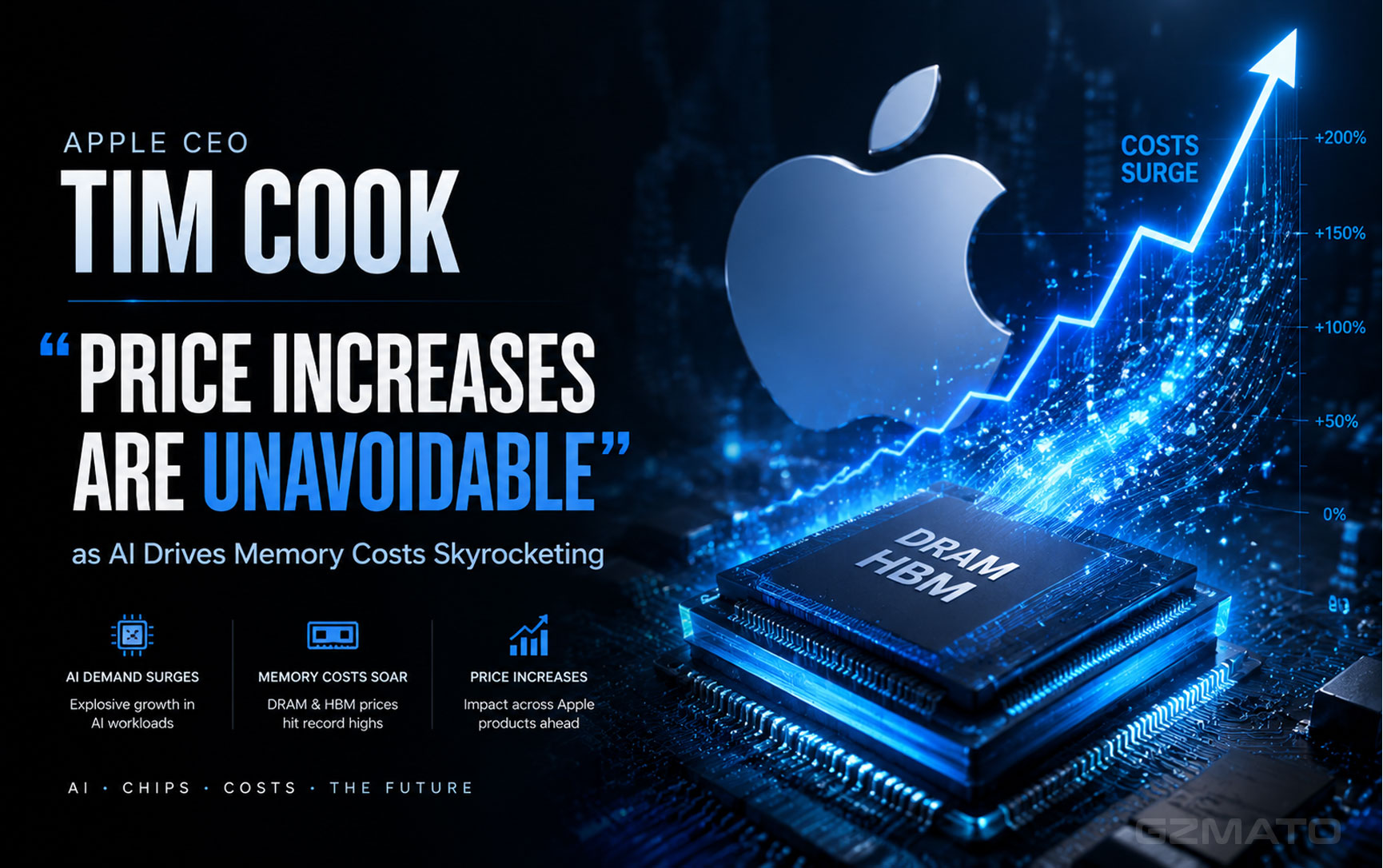

- Apple price hike
- Microsoft Xbox price
- memory chip shortage
- Tim Cook warning
- DRAM prices
- AI chipflation
- RAMageddon