Turbojet vs. Turbofan: Unpacking the Powerhouses of the Skies
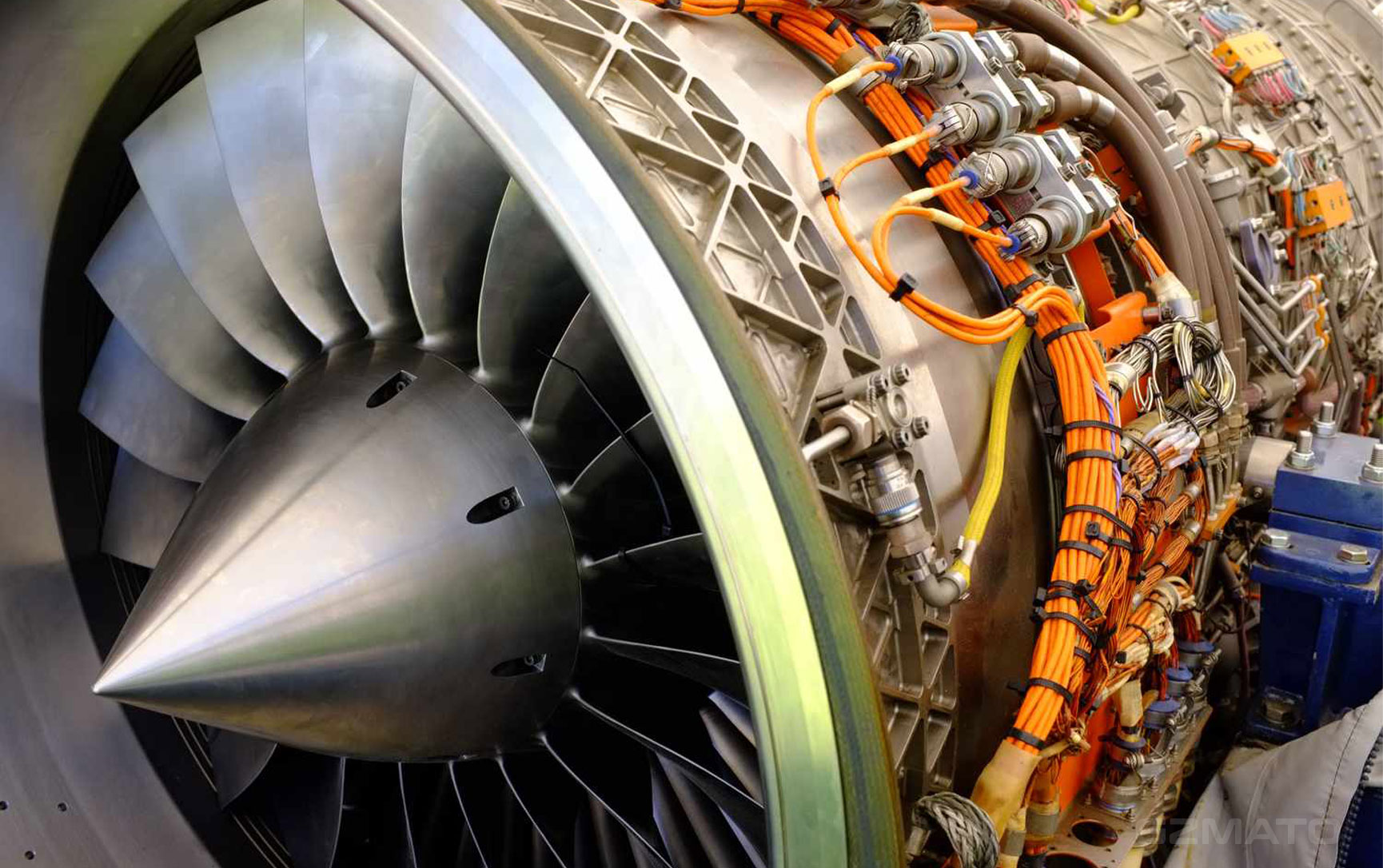
Ever wondered what powers those magnificent machines that soar through our skies? While many might simply say "jet engine," there's a fascinating distinction between two primary types: the turbojet and the turbofan. Though both rely on the same fundamental principles of thrust generation, their design differences have profound impacts on their performance, efficiency, and the types of aircraft they power.
Let's dive in and demystify these incredible feats of engineering.
The Classic: The Turbojet Engine
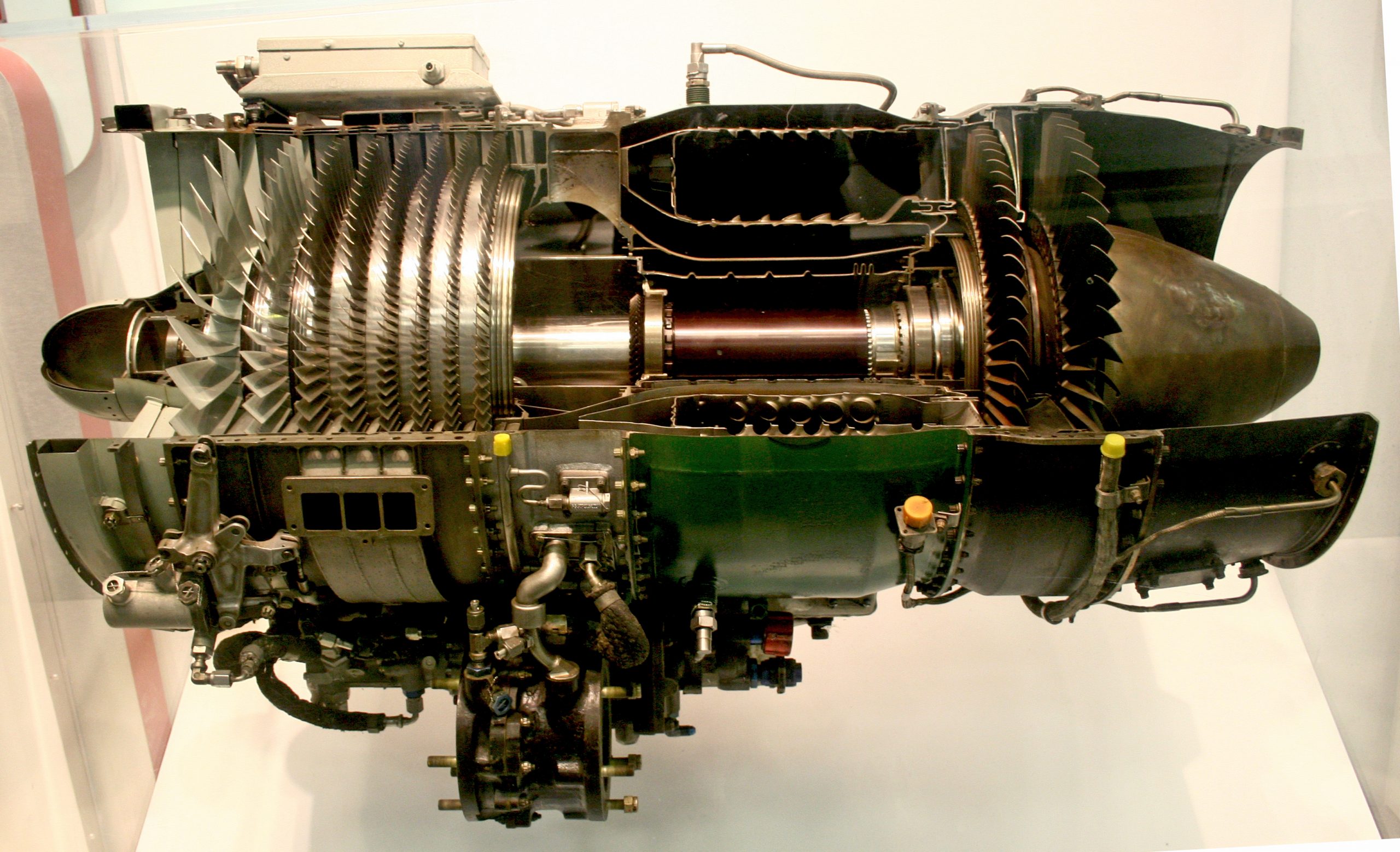
Imagine a powerful air pump connected to a giant flamethrower, and you're pretty close to understanding a turbojet. It's the purest form of a jet engine and was the pioneer of the jet age.
How it Works:
- Inlet: Air is sucked into the engine.
- Compressor: This air is then squeezed to high pressure by a series of fan-like blades.
- Combustion Chamber: The compressed air is mixed with fuel and ignited, creating extremely hot, high-pressure gases.
- Turbine: These hot gases expand and blast through a turbine, which is connected to the compressor by a shaft. This spins the compressor, keeping the cycle going.
- Nozzle (Exhaust): The remaining super-hot, high-velocity gases are then shot out the back of the engine through a nozzle, generating thrust.
The Gist: All the air that enters a turbojet goes through the core engine, gets burned, and is expelled at incredibly high speed to produce thrust.
Pros:
- Simpler Design: Fewer components compared to turbofans.
- Excellent at High Altitudes & Speeds: Ideal for supersonic flight due where drag is a significant factor.
- High Thrust-to-Weight Ratio (for its size): Can generate significant power from a relatively compact engine.
Cons:
- Poor Fuel Efficiency: Especially at lower altitudes and speeds. Ejecting all the air at such high velocities wastes a lot of energy.
- Loud: The high-velocity exhaust produces a tremendous amount of noise.
- Less Efficient at Takeoff/Low Speeds: Doesn't accelerate large volumes of air effectively for initial lift.
Where You'd Find Them: Mostly on early jet aircraft, and very specialized military aircraft designed for extreme high-speed performance (e.g., some supersonic fighters, though even these often use small bypass turbofans today).
The Modern Workhorse: The Turbofan Engine
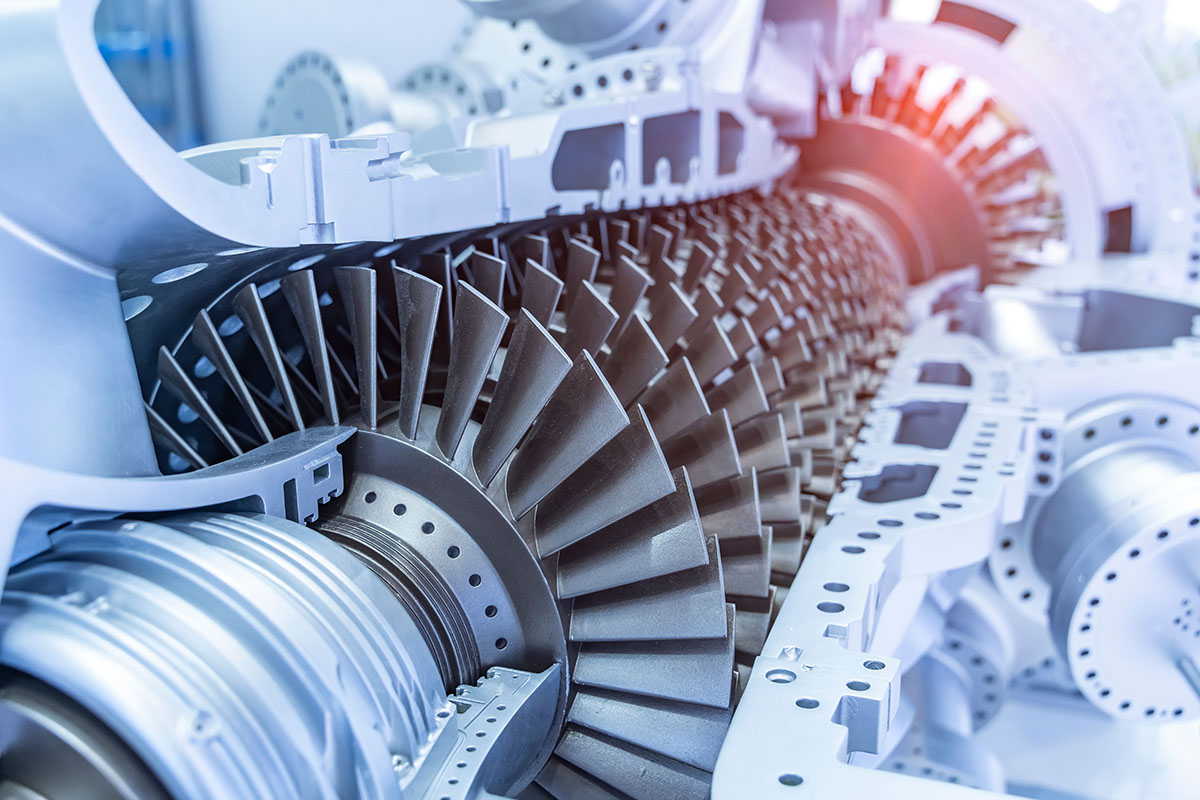
The turbofan is an evolution of the turbojet, addressing its key drawbacks, particularly fuel efficiency and noise. It's the engine that powers almost every commercial airliner you've ever flown on.
How it Works: The turbofan engine adds a crucial component: a large fan at the front. This fan is typically driven by the engine's turbine, just like the compressor.
- Inlet & Fan: Air is sucked in by a large fan.
- Bypass Duct: A significant portion of this air bypasses the core engine (the compressor, combustor, and turbine). This "cold air" flows through an outer duct.
- Core Engine: The remaining air enters the core engine, which operates much like a turbojet (compressor, combustor, turbine). This is the "hot air" stream.
- Mixed Exhaust/Separate Exhaust: The hot, high-velocity gases from the core engine mix with the cooler, slower air from the bypass duct before exiting, or they exit through separate nozzles.
The Gist: Thrust is generated by two sources: the high-velocity exhaust from the core engine (like a turbojet) AND the accelerated air from the large fan in the bypass duct.
The Magic Word: Bypass Ratio
This is the ratio of the air that bypasses the core engine to the air that flows through the core.
- High-Bypass Turbofans (Bypass Ratio > ~4:1): These have very large fans and are designed to accelerate a huge volume of air relatively slowly. This makes them incredibly fuel-efficient and quiet. Perfect for airliners.
- Low-Bypass Turbofans (Bypass Ratio < ~1:1): These have smaller fans and generate more thrust from the hot core exhaust. They offer more raw power and are better for higher speeds, making them ideal for military fighter jets.
Pros:
- Significantly Improved Fuel Efficiency: By accelerating a larger mass of air to a lower speed, turbofans extract more work from the fuel.
- Much Quieter: The lower exhaust velocity and the "cushion" of the bypass air reduce noise.
- Greater Takeoff Thrust: The large fan generates substantial thrust at lower speeds.
- Versatile: Adaptable for both high-efficiency commercial applications and high-performance military uses (with different bypass ratios).
Cons:
- More Complex Design: Adding the fan and bypass duct increases complexity and weight.
- Less Efficient at Very High Supersonic Speeds: The large frontal area of the fan creates more drag at extreme speeds.
Where You'd Find Them:
- High-Bypass: Almost all modern commercial airliners (Boeing 747s, Airbus A380s, etc.), cargo planes.
- Low-Bypass: Modern military fighter jets (F-16, F-35, Eurofighter Typhoon, etc.).
The Key Differences at a Glance
| Feature | Turbojet Engine | Turbofan Engine |
| Thrust Source | Purely from high-velocity exhaust gases. | Primarily from bypass air (high-bypass) + core exhaust. |
| Air Utilization | All air passes through the core engine. | A portion bypasses the core (outer duct). |
| Complexity | Relatively simple. | More complex, with large fan and bypass duct. |
| Fuel Efficiency | Low, especially at low speeds. | High, especially high-bypass. |
| Noise Output | Very high. | Much lower. |
| Speed Capability | Best for high-speed, high-altitude (supersonic). | Excellent for subsonic; low-bypass for supersonic. |
| Primary Usage | Early jets, some specialized supersonic military. | Modern commercial airliners, all types of military aircraft. |
| Bypass Ratio | Effectively zero. | Significant (high or low, depending on type). |
Why Does It Matter?
The evolution from turbojets to turbofans has been a game-changer for aviation. Turbofans have made air travel:
- More Affordable: By drastically improving fuel efficiency, operating costs for airlines are lower, making tickets more accessible.
- Quieter: Reducing noise pollution around airports and flight paths.
- Safer & More Reliable: Modern engines are incredibly robust and trustworthy.
So, the next time you're looking out the window of an aircraft, remember that beneath that impressive wing, a marvel of engineering – most likely a powerful and efficient turbofan engine – is quietly but powerfully propelling you across the sky. It's a testament to how continuous innovation can transform an entire industry.
Now Playing: Jet Engine Evolution - From Turbojets to Turbofans



- turbojet engine
- turbofan engine
- jet engine
- aircraft engine
- aviation
- engine types
- bypass ratio
- how jet engines work
- aircraft propulsion
- engine comparison