Guangzhou's 2026 AI Hardware Push: AI Glasses, Smartwatches, BCI & $100M+ Fund
- Guangzhou's Bold AI Hardware Push
- The AI Industry Investment Fund
- Six Key Hardware Categories Targeted
- The 1,000 Smart Product Incubation Plan
- Supporting One-Person Companies
- Industry Application Scenarios
- Financial Support Mechanisms
- Guangzhou vs Guangdong Provincial Policy
- Final Verdict
- Shop AI Hardware at Gzmato
May 12, 2026 – Guangzhou has officially launched an aggressive AI hardware strategy. On May 11, the Guangzhou Artificial Intelligence Industry Development Office released its "2026 Work Priorities for the AI Industry," outlining a comprehensive plan to cultivate smart hardware products, establish an industry investment fund, and support everything from AI glasses to brain-computer interfaces.
Guangzhou's Bold AI Hardware Push
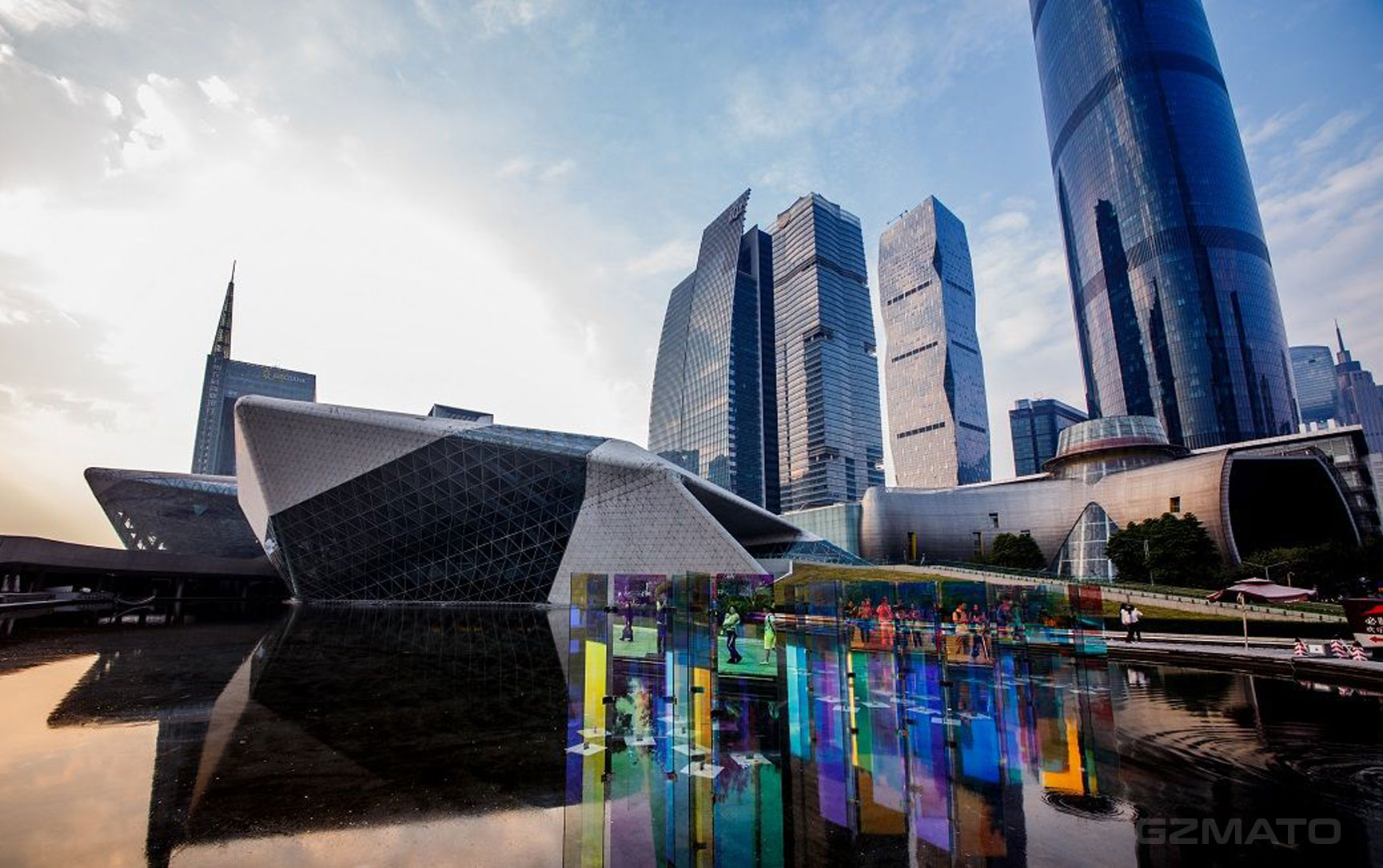
The 2026 Work Priorities document represents Guangzhou's most comprehensive AI hardware strategy to date. The city aims to shift from a manufacturing and trading hub to a center of AI hardware innovation and production.
Key goals outlined in the document include:
- Cultivating 1,000 smart product models through a dedicated incubation program
- Developing 40 vertical-specific AI models with market and industry potential
- Creating a dedicated AI Industry Investment Fund by mid-2026
- Establishing 450 AI application scenarios across various industries
The AI Industry Investment Fund
Targeted Capital for Strategic Growth
One of the centerpiece initiatives is the formation of an AI Industry Investment Fund by the first half of 2026. The fund will focus on precise industrial chain recruitment through a "weak link list + targeted investment plan" dynamic management mechanism. According to official sources, this ensures capital flows to areas of greatest need rather than being distributed broadly and inefficiently.
The fund is designed to support companies at every stage — from early-stage startups developing novel AI hardware to mature enterprises scaling production. The city plans to create an "invest early, invest continuously, invest sustainably" investment ecosystem, ensuring that promising AI hardware companies receive ongoing financial support throughout their development lifecycle.
Six Key Hardware Categories Targeted
The Work Priorities explicitly identifies six smart hardware categories for focused development support:
| Hardware Category | Key Focus Areas |
|---|---|
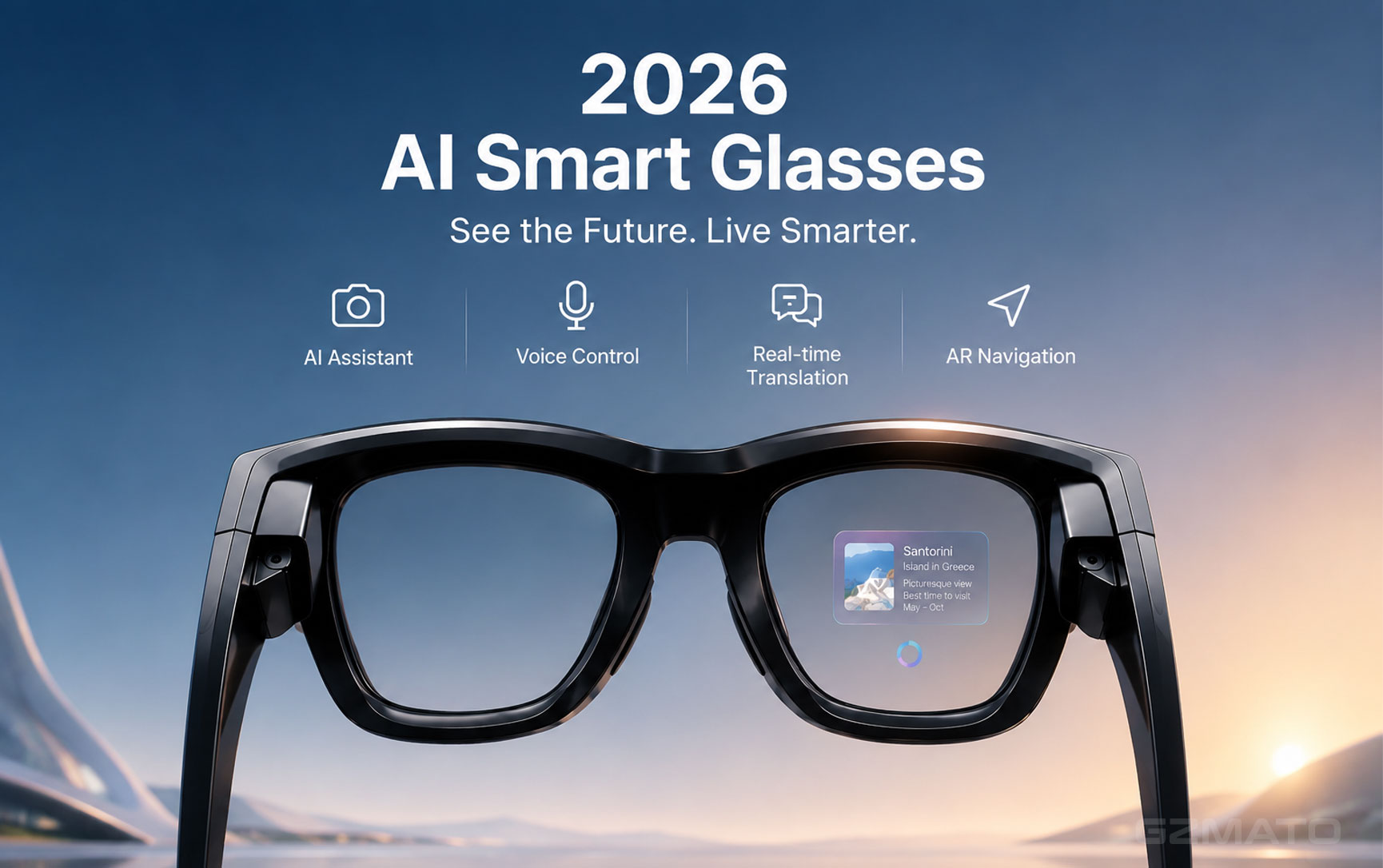
| AI Smart Glasses | Wearable displays, voice AI integration, lightweight design |
| AI Smartwatches and Wearables | Health monitoring, fitness tracking, on-device AI |
| Brain-Computer Interfaces | Medical rehabilitation, consumer applications, peripheral devices |
| Smart Unmanned Systems | Drones, autonomous vehicles, robotics |
| In-Vehicle AI Terminals | AI cockpit assistants, end-side large models |
| Industrial Smart Terminals | AIoT sensors, manufacturing automation, smart home controllers |
The 1,000 Smart Product Incubation Plan
Supporting R&D and Commercialization
The "Thousand Smart Products Incubation Program" is designed to accelerate the development of AI hardware through a structured pipeline.
Key elements of the program:
- Product identification: The program will identify and support 1,000 smart product models with market potential
- Priority categories: AI glasses and smartwatches are specifically named as "potential breakout products" for priority support
- Vertical-specific development: The plan calls for 40 niche AI models targeting specific industries
- Government incentives: Companies, research institutions, and individual developers can apply for support through "open competition" mechanisms
For hardware founders, this means direct access to government-backed resources, including potential funding, testing facilities, and connections to manufacturing partners in the Pearl River Delta region.
Supporting One-Person Companies
Empowering Individual Innovators
A distinctive feature of Guangzhou's policy is explicit support for OPC (One-Person Company) structures in AI — what the policy calls "super-individuals." This is a notable departure from conventional industrial policies that focus primarily on established enterprises.
The policy will establish measures to support AI OPC development, recognizing that individual developers, small teams, and freelancers can produce commercially viable AI hardware — particularly in software-defined categories like AI glasses and wearables. For solo developers or small teams, this creates a path to formal business registration and government support that did not previously exist.
Industry Application Scenarios
450 Real-World Use Cases
The Work Priorities document commits to identifying and publishing 450 AI application scenarios across multiple industries. These include:
- AI + Elderly Care: At least 20 scenarios focusing on health monitoring, safety, daily living support, and social connection for seniors
- AI + Commerce and Exhibition: At least 30 scenarios for smart retail, virtual fitting, and immersive shopping experiences
- AI + Finance: At least 20 scenarios for automated workflows, risk management, marketing, and customer service
- Healthcare, autonomous driving, smart grid, and industrial robotics
The scenario-based approach ensures that hardware development remains tied to actual market needs. Companies developing AI glasses and wearables will have direct visibility into government-published use cases where their products could be deployed.
Financial Support Mechanisms
Comprehensive Funding Ecosystem
Guangzhou is building a multi-layered financial support system for AI hardware companies:
- Venture capital: The AI Industry Investment Fund will provide early-stage equity financing
- Tech lending: Bank loans with government support for qualified AI companies
- Grants and subsidies: Direct financial support for R&D and commercialization
- Coordinated funding mechanism: A "venture capital + tech lending + fiscal subsidy" approach ensures companies receive appropriate financing at different growth stages
The goal is to create what officials describe as a "invest early, invest continuously, invest sustainably" system — ensuring that companies are not stranded at any stage of their development due to lack of capital.
Guangzhou vs Guangdong Provincial Policy
Guangzhou's municipal policy complements — and in some ways exceeds — the Guangdong provincial government's April 2026 "AI+" action plan.
| Aspect | Provincial Policy | Guangzhou Municipal Policy |
|---|---|---|
| Smart Hardware Focus | AI glasses, watches, headphones, AR/VR | Adds brain-computer interfaces, industrial terminals, unmanned systems |
| Funding Mechanism | Broader direction | Concrete fund by H1 2026 plus multi-layer financing |
| Entrepreneur Support | General guidance | Explicit OPC / super-individual policy |
| Measurable Targets | General aspirational | 1,000 products, 40 models, 450 scenarios |
Final Verdict
Guangzhou's 2026 AI Work Priorities document is notable for its specificity. Unlike many industrial policies that remain at the level of strategic direction, this document includes concrete, measurable targets: a dedicated investment fund with a firm timeline, numbered product and scenario goals, and explicit support categories for individual entrepreneurs.
For AI hardware manufacturers and developers, the implications are clear: Guangzhou is actively recruiting. The city has identified AI glasses, smartwatches, and brain-computer interfaces as priority categories — meaning companies developing these products can expect government support ranging from capital to testing resources to manufacturing partnerships.
The "one-person company" provision is particularly significant. By formally recognizing and supporting solo developers, Guangzhou is signaling that it values software-defined hardware innovation — where much of the value lies in the AI models and user experience rather than physical production scale.
The measurable targets provide accountability. By committing to 1,000 incubated products, 40 vertical models, and 450 application scenarios, the city has created benchmarks against which progress can be assessed.
Bring Cutting-Edge AI Hardware to Market with Gzmato
AI Glasses | Smartwatches | Wearable Tech | Brain-Computer Interfaces | Smart Home Devices
GUANGZHOUAI
Data Sources and Methodology (as of May 12, 2026):
- 广州市人工智能产业发展办公室 – 2026 Work Priorities for the AI Industry (May 11, 2026)
- 大河财立方 / 东方财富 – Policy summary and key initiatives (May 11, 2026)
- 凤凰网 – AI Industry Investment Fund and OPC details (May 11, 2026)
- 广东省人民政府 – "AI+" Action Plan for Guangdong Province (April 2026)
- 财联社 – Six hardware categories and brain-computer interface focus (May 11, 2026)
- AASTOCKS – Hardware priorities and AIoT system development (May 11, 2026)
- Guangzhou AI policy
- AI glasses policy
- smartwatch policy
- brain-computer interface policy
- AI hardware fund
- OPC one-person company
- Guangzhou artificial intelligence 2026