M5 MacBook Pro 14-inch: Why the 3.5x AI Jump is the Real Story
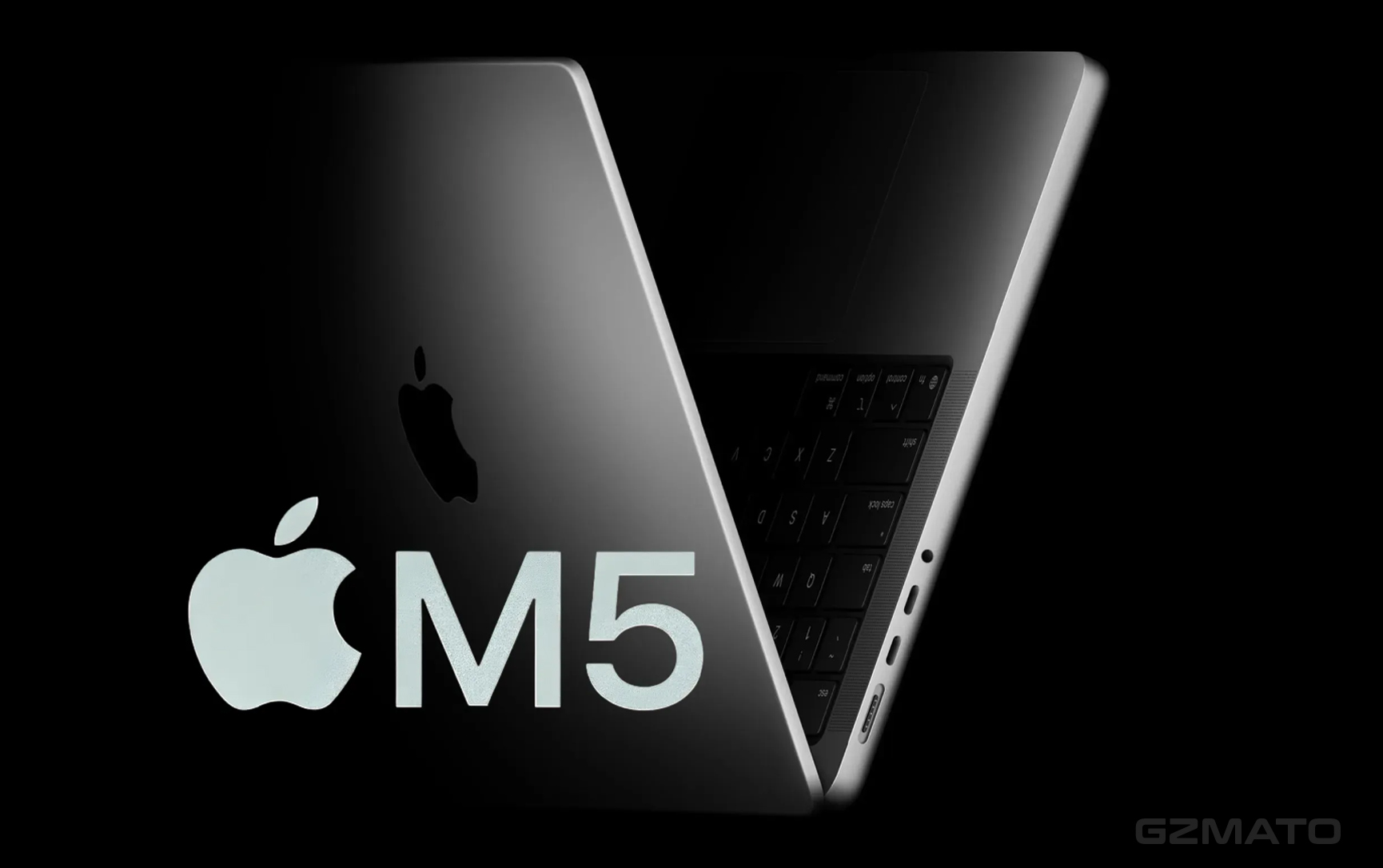
Apple’s latest hardware drop introduced the new 14-inch MacBook Pro, powered by the next-generation M5 chip. While the external chassis and Liquid Retina XDR display remain unchanged from the M4 model, the true story is what's happening under the hood: a massive, privacy-centric leap in on-device AI and unified memory performance.
This is not a modest iteration; it’s a targeted strike designed to make the M5 MacBook Pro the definitive machine for running complex AI workflows, local large language models (LLMs), and high-demand developer tasks.
The Core Upgrade: M5 and the AI Acceleration Era

The M5 is built on an enhanced 3-nanometer architecture, but its biggest architectural change is the integration of a Neural Accelerator into every core of the 10-core GPU. This results in Apple’s most compelling performance claim:
- Up to 3.5x Faster AI Performance compared to the M4 chip.
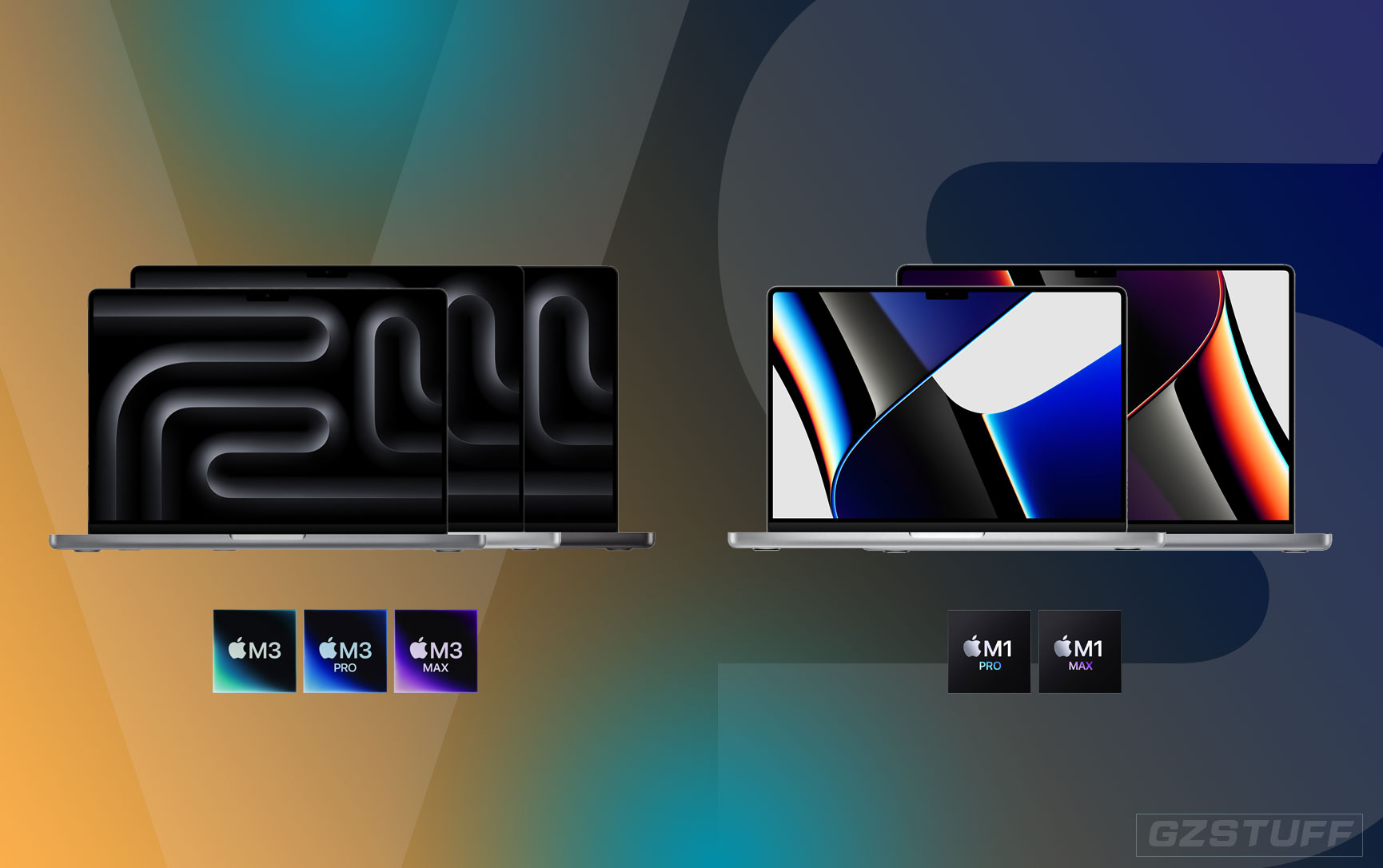
- Up to 6x Faster AI Performance compared to the M1 chip.
This horsepower is explicitly aimed at powering Apple Intelligence features in the new macOS Tahoe, ensuring that advanced on-device tools—such from generative AI image creation to real-time text summarization—run instantly and privately.
Key Technical Specs That Matter
For professionals, the M5 offers more than just raw AI speed. Two specific hardware bumps significantly boost efficiency:
- Increased Unified Memory Bandwidth: The M5 pushes unified memory bandwidth up to 153GB/s (a nearly 30% increase over M4), allowing large datasets and complex multi-threaded tasks to be handled with greater efficiency. The base model still starts at 16GB, with configurations going up to 32GB.
- Up to 2x Faster SSD Speeds: While easily overlooked, the doubling of SSD speeds is crucial for pro users. Tasks like importing massive RAW photo libraries, working with multi-gigabyte video files in Final Cut Pro, or, critically, loading local Large Language Models (LLMs) for AI development, will see immediate, tangible speed gains. The maximum configurable storage has also been bumped to 4TB.
Who Should Upgrade? A Performance Matrix

Given that the M5 Pro and M5 Max chips won't arrive until early 2026, the question for power users is simple: Is the base M5 model worth the immediate upgrade?
| User Profile | Recommended Action | Supporting Analysis |
|---|---|---|
| Intel or M1 Users (Pre-2023) | Strongly Recommended. | The M5 offers a generational leap (up to 6x AI, up to 5.5x CPU vs. Intel), plus a massive battery life increase (up to 24 hours). This is a no-brainer for stability and speed. |
| M2 Users (2022-2023) | Recommended if AI/LLM Focused. | The core M5 CPU/GPU gains are solid, but the 3.5x AI acceleration is the differentiator. If your workflow involves heavy machine learning or generative models, the jump is worthwhile. |
| M4 Base Model Users (2024) | Wait for M5 Pro/Max. | While the AI jump is huge, the core chassis, ports, and display are identical. The upgrade cost is not justified unless your work is immediately bottle-necked by AI performance or storage speed. |
Impact on Professional Workflows
The M5’s enhanced capabilities will touch nearly every professional domain:
- Developers & Data Scientists: Running LLMs locally (using tools like LM Studio) becomes significantly faster and more practical. The increased memory bandwidth accelerates compilation times and data modeling.
- Creative Professionals: Faster SSDs mean less waiting on file imports, while the Neural Engine speeds up AI-driven tasks in Topaz Labs and Blender, with Apple claiming up to 7.7x faster AI video enhancement compared to M1.
The 14-inch M5 MacBook Pro is not merely a specification bump. It is Apple’s clearest signal yet that on-device AI acceleration—executed with speed and, thanks to the chip architecture, inherent user privacy—is the new performance frontier.
-
 -4%
MacBook Pro 14-inch 1TB SSD - Apple M4 chip 10-Core CPU - 10-Core GPU - Built for Apple IntellegenceAs low as $1,950.08 Regular Price $2,035.63
-4%
MacBook Pro 14-inch 1TB SSD - Apple M4 chip 10-Core CPU - 10-Core GPU - Built for Apple IntellegenceAs low as $1,950.08 Regular Price $2,035.63 -
-4%
MacBook Pro 16-inch 512B SSD - Apple M4 Pro chip 14-Core CPU - 20-Core GPU - Built for Apple IntellegenceAs low as $2,700.17 Regular Price $2,808.00
-
-4%
MacBook Pro 16-inch 1TB SSD - Apple M4 Max chip 14-Core CPU - 32-Core GPU - 36GB Memory - Built for Apple IntellegenceAs low as $3,791.20 Regular Price $3,931.85
-
-4%
MacBook Pro 14-inch 512GB SSD - Apple M4 chip 10-Core CPU - 10-Core GPU - 16GB Memory - Built for Apple IntellegenceAs low as $1,759.00 Regular Price $1,826.95




















- M5 MacBook Pro
- Apple M5 Chip
- AI Performance
- 14-inch
- macOS Tahoe
- Developer Upgrade