Apple’s 2026-2027 Product Roadmap: 20 New Products, Foldable iPhone, AI Wearables, and More
- Apple's Most Ambitious Product Roadmap in History
- iPhone: Foldable, 20th Anniversary, and Everything in Between
- Mac: The Arrival of MacBook Ultra
- iPad: Entry-Level Gets Smarter, Mini Gets OLED
- AI Wearables: AirPods Ultra and Apple Glasses
- Smart Home: The Missing Piece of Apple's Ecosystem
- Key Takeaways
Apple's Most Ambitious Product Roadmap in History
Apple has spent much of the past two years playing catch-up in the AI conversation. But if a new report from Bloomberg's Mark Gurman is accurate, the company is preparing to remind everyone that it still knows how to ship hardware[reference:0].
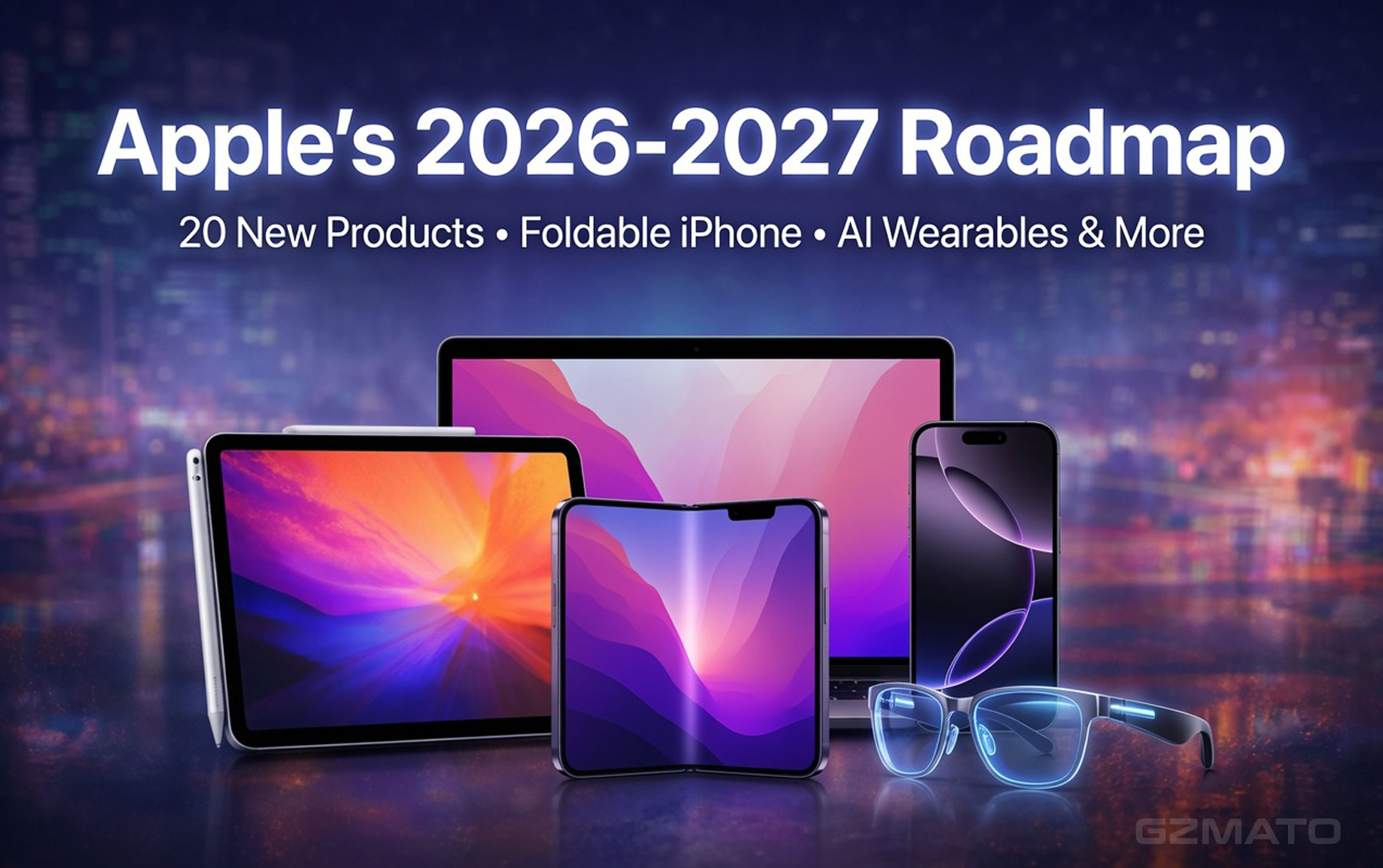
In his latest Power On newsletter, Gurman outlined around 20 products that Apple is expected to release across the remainder of 2026 and 2027[reference:1]. The list includes a foldable iPhone, AI-powered AirPods with cameras, the company's first smart glasses, a touchscreen MacBook, and several entirely new product categories[reference:2].
Gurman frames this as a tailwind for incoming CEO John Ternus, who takes over from Tim Cook on September 1, 2026[reference:3][reference:4]. The message is clear: Apple is not slowing down — it is accelerating into a new era of product diversity, with 2027 shaping up to be what Gurman calls the company's "biggest product year" ever[reference:5].
iPhone: Foldable, 20th Anniversary, and Everything in Between
Apple's iPhone lineup is about to undergo its most dramatic expansion ever. Gurman's roadmap reveals nine new iPhones in the pipeline through 2027[reference:6], spanning multiple form factors and price tiers.
September 2026: The Foldable Era Begins
This September, Apple will do something it has never done before: launch a foldable iPhone alongside its regular Pro models[reference:7].
iPhone 18 Pro and Pro Max will deliver the usual annual upgrades: an A20 Pro chip built on TSMC's 2nm process[reference:8], a smaller Dynamic Island[reference:9], variable aperture on at least one rear camera[reference:10], and Apple's self-designed C2 modem with support for 5G satellite internet[reference:11]. A new "Dark Cherry" color option is also expected[reference:12].
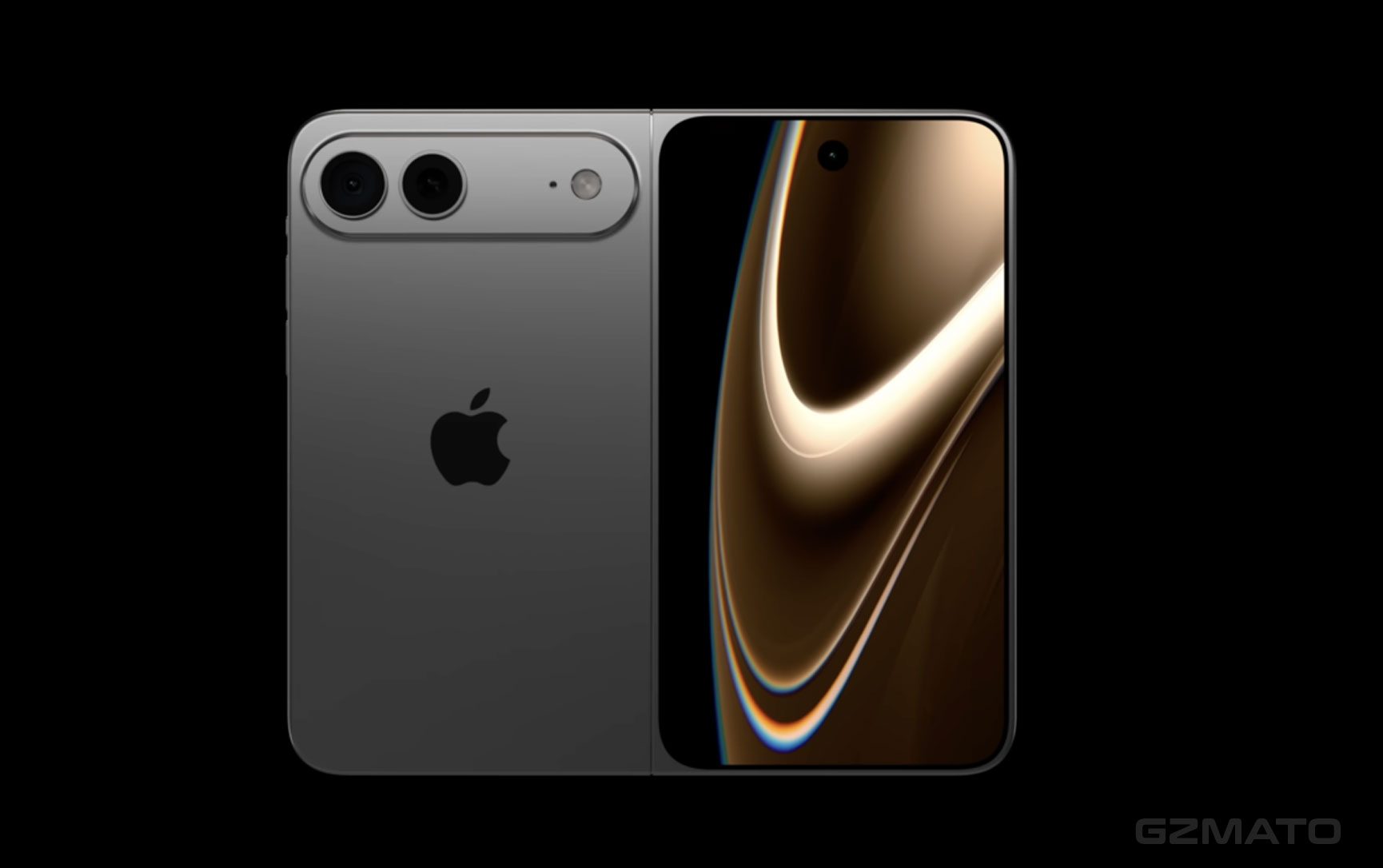
But the real headline is the iPhone Ultra — Apple's first foldable device[reference:13]. According to Gurman, it will feature a 7.7-inch inner display and a 5.3-inch outer display, with a horizontal book-style fold[reference:14]. It will reportedly use Touch ID integrated into the power button instead of Face ID, due to space constraints[reference:15]. iOS 27 is expected to be tailored specifically for this device, supporting side-by-side apps and other iPad-like multitasking features[reference:16].
Rivals like Samsung have been selling foldables for years. Apple's late entry is deliberate — not a sign of weakness, but of patience. By waiting until the technology matured, Apple can deliver a foldable that actually works as a daily driver, not a compromise. The iPhone Ultra will test whether Apple can do for foldables what it did for smartwatches: turn a niche category into a mainstream product.
Early 2027: iPhone Air 2 and More
In early 2027, Apple is expected to launch the iPhone Air 2 with an ultra-wide camera, A20 chip, and improved battery life[reference:17]. Standard iPhone 18 and iPhone 18e models are also expected in the first quarter of 2027[reference:18].
September 2027: The 20th Anniversary Celebration
September 2027 marks the iPhone's 20th anniversary, and Apple is planning something special. The iPhone 20 Pro and Pro Max will reportedly feature a "nearly bezel-less" design with curved glass wrapping around the sides[reference:19][reference:20]. Internal codenames are V73 and V74[reference:21]. A second-generation foldable iPhone (codenamed V78) is also expected to launch alongside them[reference:22].
Gurman suggests that Apple may skip the iPhone 19 Pro naming altogether and jump straight to iPhone 20 Pro[reference:23]. All three 2027 iPhones will reportedly use a 2nm A21 Pro chip (codenamed "Naxos")[reference:24], with 1.4nm A22 Pro chips expected for the 2028 models[reference:25].
Mac: The Arrival of MacBook Ultra
Apple's Mac lineup is also getting a major overhaul, with a new premium tier that could reshape the company's laptop strategy.
MacBook Ultra is expected to launch in late 2026 or early 2027 as a redesigned flagship laptop, positioned above the MacBook Pro[reference:26]. Key features include an OLED display, touchscreen support, a Dynamic Island replacing the notch, a thinner chassis, and M6 Pro or M6 Max chips[reference:27][reference:28]. macOS 27 is expected to include touch-optimized interface elements[reference:29].
Other Mac updates in the pipeline:
- Mac Studio: Upgraded with M5 Max or M6 Ultra chips[reference:30]
- Mac mini: Refreshed with M5 or M5 Pro chips[reference:31]
- iMac: Updated with an M5 chip and potentially new colors[reference:32]
iPad: Entry-Level Gets Smarter, Mini Gets OLED
Apple's tablet lineup is seeing targeted upgrades rather than wholesale redesigns.
iPad 12 (entry-level) is expected to get a processor upgrade from A16 to A18 or A19, enabling Apple Intelligence support[reference:33].
iPad mini may finally get an OLED display — a long-requested upgrade — along with an A19 Pro or A20 Pro chip[reference:34].
AI Wearables: AirPods Ultra and Apple Glasses
This is where Apple's roadmap gets genuinely futuristic. The company is preparing to launch its first AI-native wearables[reference:35].
AirPods Ultra are expected in late 2027 with built-in infrared cameras in the stems[reference:36]. But these aren't for taking photos — they're designed to serve as visual sensors for Siri AI[reference:37]. Imagine pointing your ears at a refrigerator and asking Siri what you can cook with what's inside[reference:38]. The cameras would feed visual data into Apple's AI systems, enabling Siri to understand the wearer's surroundings[reference:39]. Codenamed B798[reference:40], these AirPods could represent Apple's clearest statement yet about what a wearable is actually for[reference:41].
Apple Glasses, codenamed N50[reference:42], are now expected in late 2027 after multiple delays[reference:43]. Originally targeted for a late 2026 announcement, the product has slipped internally[reference:44]. The first generation is expected to be display-less — similar to Meta's Ray-Ban smart glasses — with cameras for photos and video, speakers for calls and music, and hands-free interaction through an upgraded Siri[reference:45]. A more advanced version with optical waveguide displays isn't expected until 2029 at the earliest[reference:46].
A third AI wearable — a smart pendant — is also reportedly being considered[reference:47].
Smart Home: The Missing Piece of Apple's Ecosystem
Apple is finally making a serious push into the smart home.
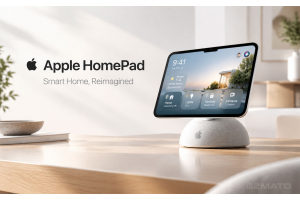
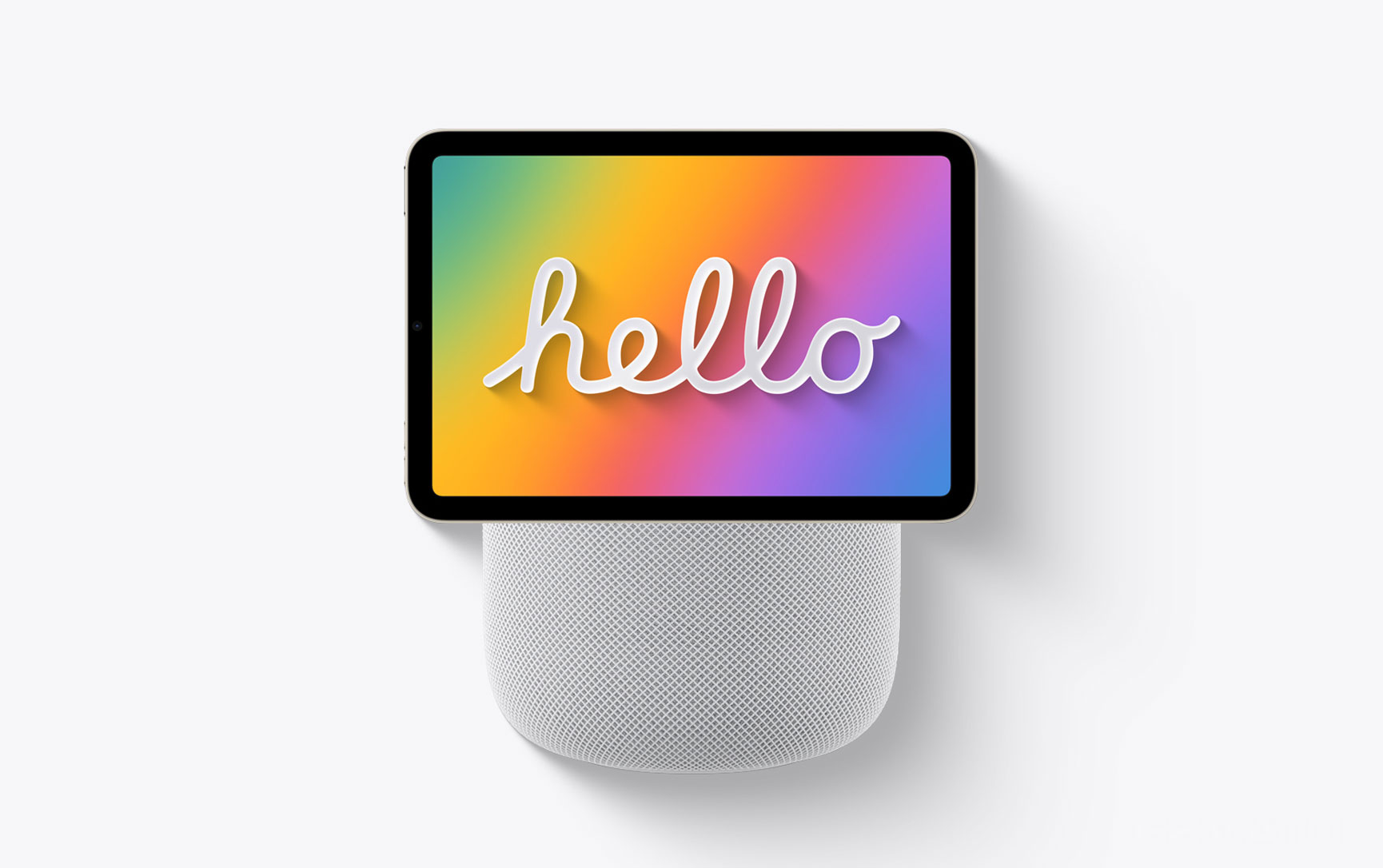
A new smart home hub — often described as a HomePod with a screen — is expected to feature a 6- to 7-inch square display and an A18 chip for Apple Intelligence support[reference:48]. It can be attached to a speaker base or mounted on a wall, and it will allow users to control smart home accessories, make FaceTime video calls, and more[reference:49].
Updated Apple TV and HomePod mini models are also in advanced testing, with support for Wi-Fi 7 and more personalized Siri features[reference:50][reference:51]. Neither is expected to bring major design changes[reference:52].
Looking further ahead, Gurman points to a tabletop robot expected around late 2027 or 2028 — an advanced evolution of the smart home display concept with a robotic arm[reference:53]. The device is reportedly being designed to behave conversationally, capable of interjecting into conversations with suggestions and engaging in extended back-and-forth dialogue[reference:54].
Key Takeaways
| # | Key Takeaway |
|---|---|
| 1 | 20+ products in 18 months — Apple's 2026-2027 roadmap is the most ambitious in company history, spanning iPhones, Macs, iPads, wearables, and smart home devices[reference:55]. |
| 2 | Foldable iPhone Ultra arrives September 2026 — 7.7-inch inner display, 5.3-inch outer display, Touch ID on power button, iOS 27 optimized for multitasking[reference:56]. |
| 3 | iPhone 20 Pro for the 20th anniversary — Nearly bezel-less design with curved glass sides, launching September 2027[reference:57]. |
| 4 | MacBook Ultra with OLED touchscreen — First touchscreen Mac, launching late 2026 or early 2027 with M6 Pro/Max chips and a thinner design[reference:58]. |
| 5 | AirPods Ultra with cameras — Infrared cameras in the stems power visual AI for Siri, launching late 2027[reference:59]. |
| 6 | Apple Glasses in late 2027 — Display-less smart glasses with cameras, speakers, and hands-free Siri interaction[reference:60]. |
| 7 | Smart home hub finally coming — 6-7 inch display with A18 chip, speaker base or wall mount, smart home and FaceTime control[reference:61]. |
Sources & Methodology (as of June 22, 2026):
- Bloomberg / Mark Gurman — Power On newsletter (June 21, 2026)[reference:62]
- Notebookcheck — Analysis of Gurman's Apple roadmap[reference:63]
- Digit — Product roadmap summary and analysis[reference:64]
- Digital Trends — Apple's stacked product lineup and context[reference:65]
- MacRumors — 20-product list and discussion[reference:66]
- CNMO — iPhone Ultra and 20th anniversary iPhone details[reference:67]
iPhone Accessories | MacBook Accessories | Fast Chargers | USB-C Cables | Power Banks | Screen Protectors
Special Offer: Use code TECH2026 for a discount on your first order!
Shop Now at Gzmato →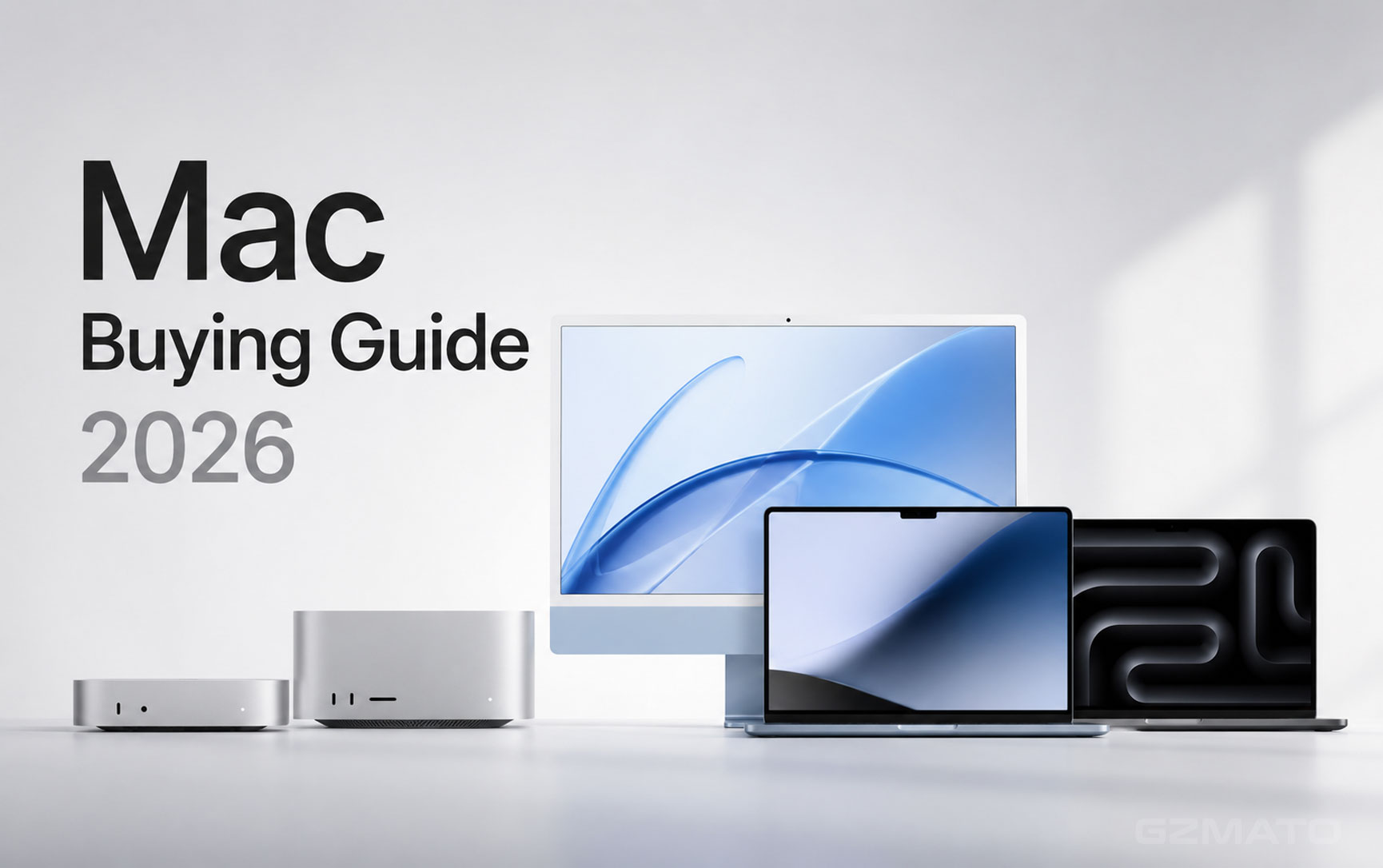
- Apple roadmap 2026
- iPhone Ultra foldable
- MacBook Ultra
- AirPods Ultra cameras
- Apple smart glasses
- iPhone 20 Pro