Qualcomm CEO: Smart Glasses Could Match Smartphones as AI Agents Replace Apps
- Qualcomm CEO: Smart Glasses Could Match Smartphones
- The AI Agent Revolution: Replacing Apps, Not Phones
- Why Glasses? The "Always-On, Always-Seeing" Form Factor
- Market Growth: From Millions to Billions
- Qualcomm's Strategy: START Plan and Reality Elite
- The Challenges: Return Rates and Privacy
- Key Takeaways
Qualcomm CEO: Smart Glasses Could Match Smartphones
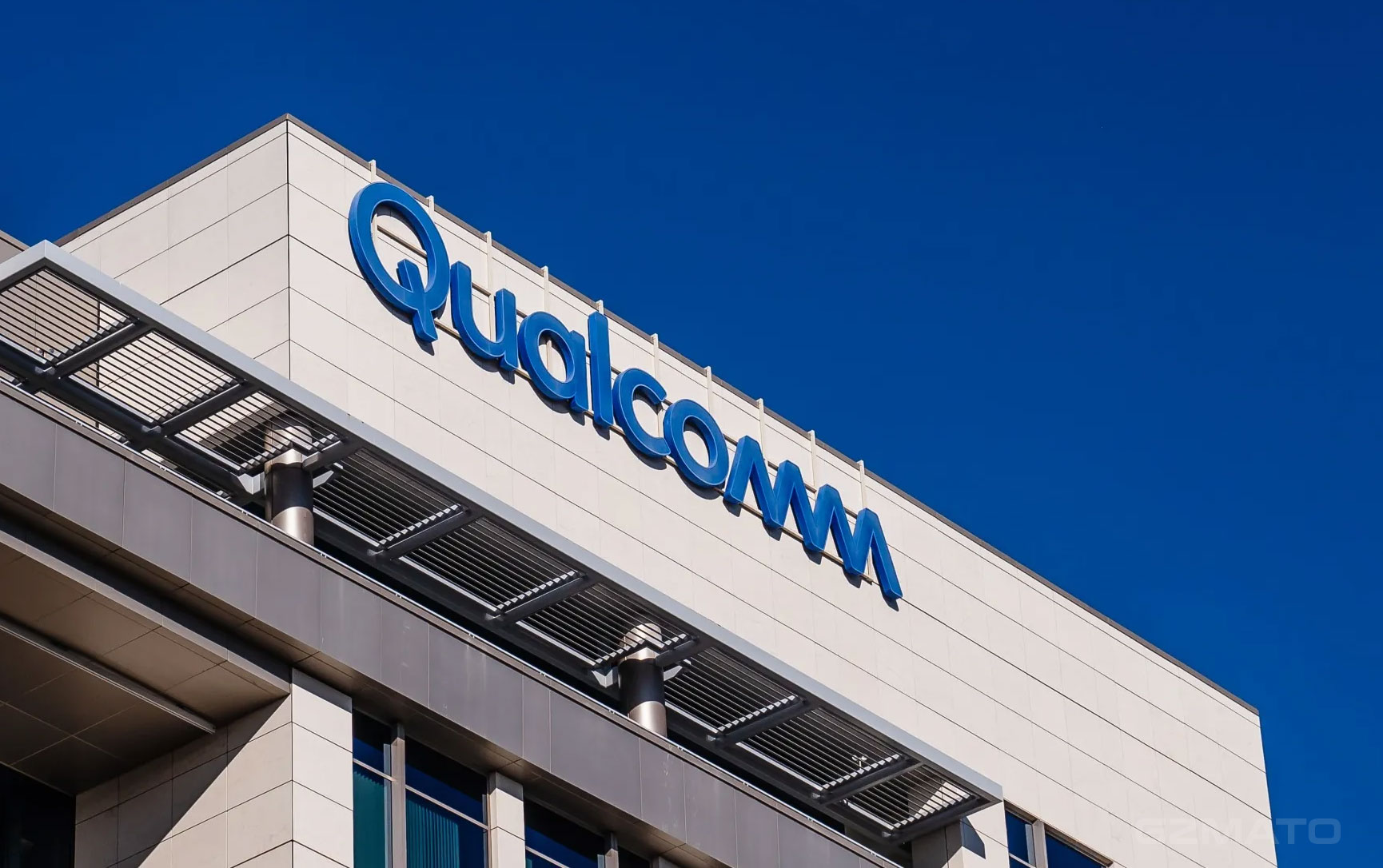
In a recent interview with CNBC, Qualcomm CEO Cristiano Amon made a bold prediction: smart glasses could eventually reach a market size comparable to smartphones [citation:5].
With annual smartphone shipments exceeding 1.2 billion units, this would represent one of the largest consumer electronics markets in history [citation:5]. Amon's forecast is not simply optimism — it reflects a fundamental belief that the way we interact with technology is about to change completely [citation:1].
"Applications are not dying, but they will change," Amon said. "These agents will become the new applications" [citation:7].
The AI Agent Revolution: Replacing Apps, Not Phones
Amon's vision for smart glasses is inseparable from his vision of AI agents. He believes that AI agents will become the new interface for digital services, effectively replacing the traditional app-based model [citation:1][citation:7].
In this future, instead of opening multiple apps to complete a task, users simply tell an AI agent what they want. The agent handles the rest — opening apps, retrieving data, and executing actions across multiple services [citation:5].
For example, a user might say: "I need to book a restaurant for tonight." The AI agent would search for recommendations, check availability, make a reservation, send a confirmation email, and add the event to the user's calendar — all without the user ever opening a single app [citation:5].
Amon has declared 2026 as "the year of the agent", predicting that major operating system vendors will integrate agent capabilities within months [citation:1].
- Old model: Open apps → Find what you need → Complete task
- New model: Speak your intent → Agent executes across apps → Task complete
- Smart glasses role: Always-on, always-seeing device that provides context to the agent
Why Glasses? The "Always-On, Always-Seeing" Form Factor
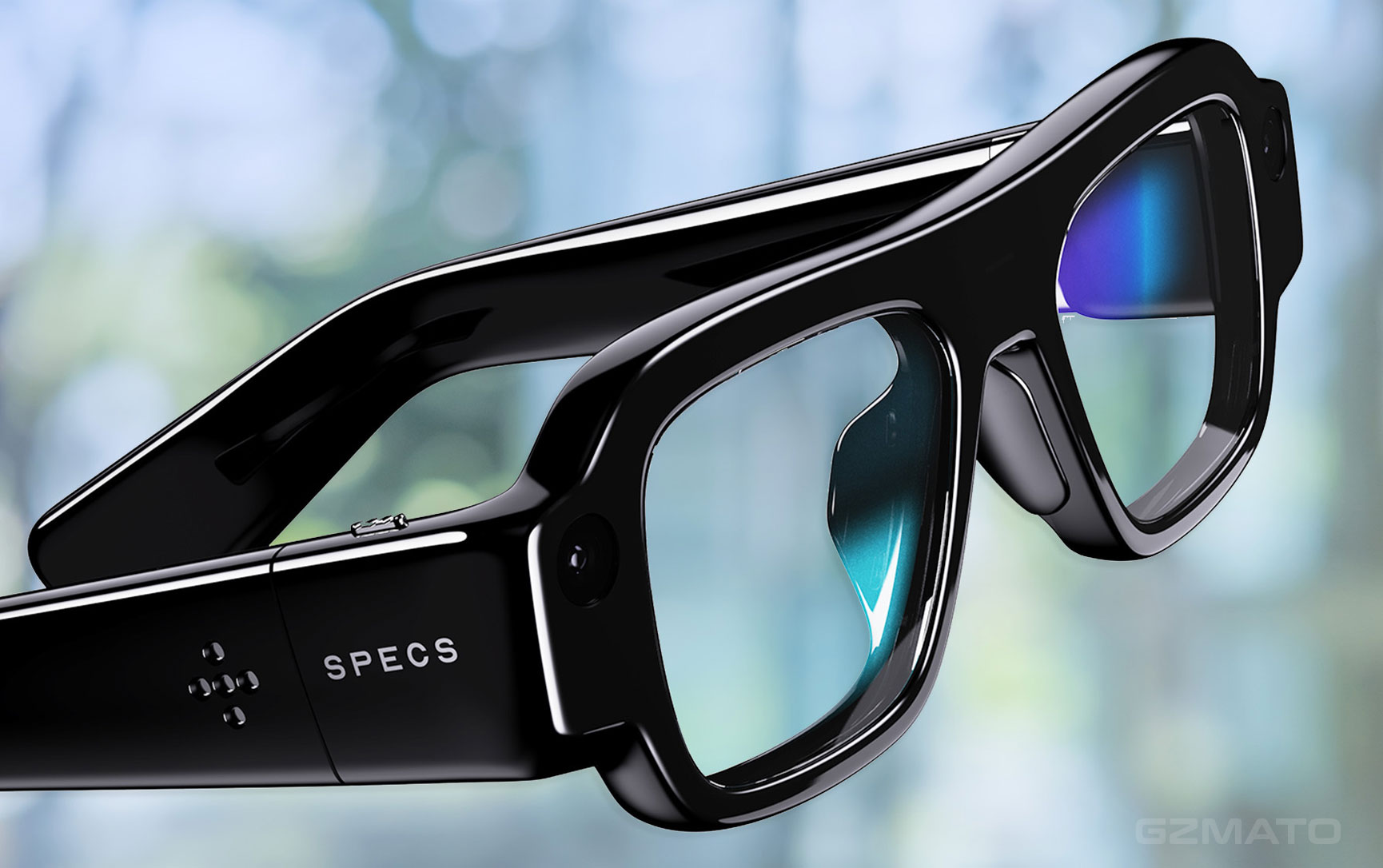
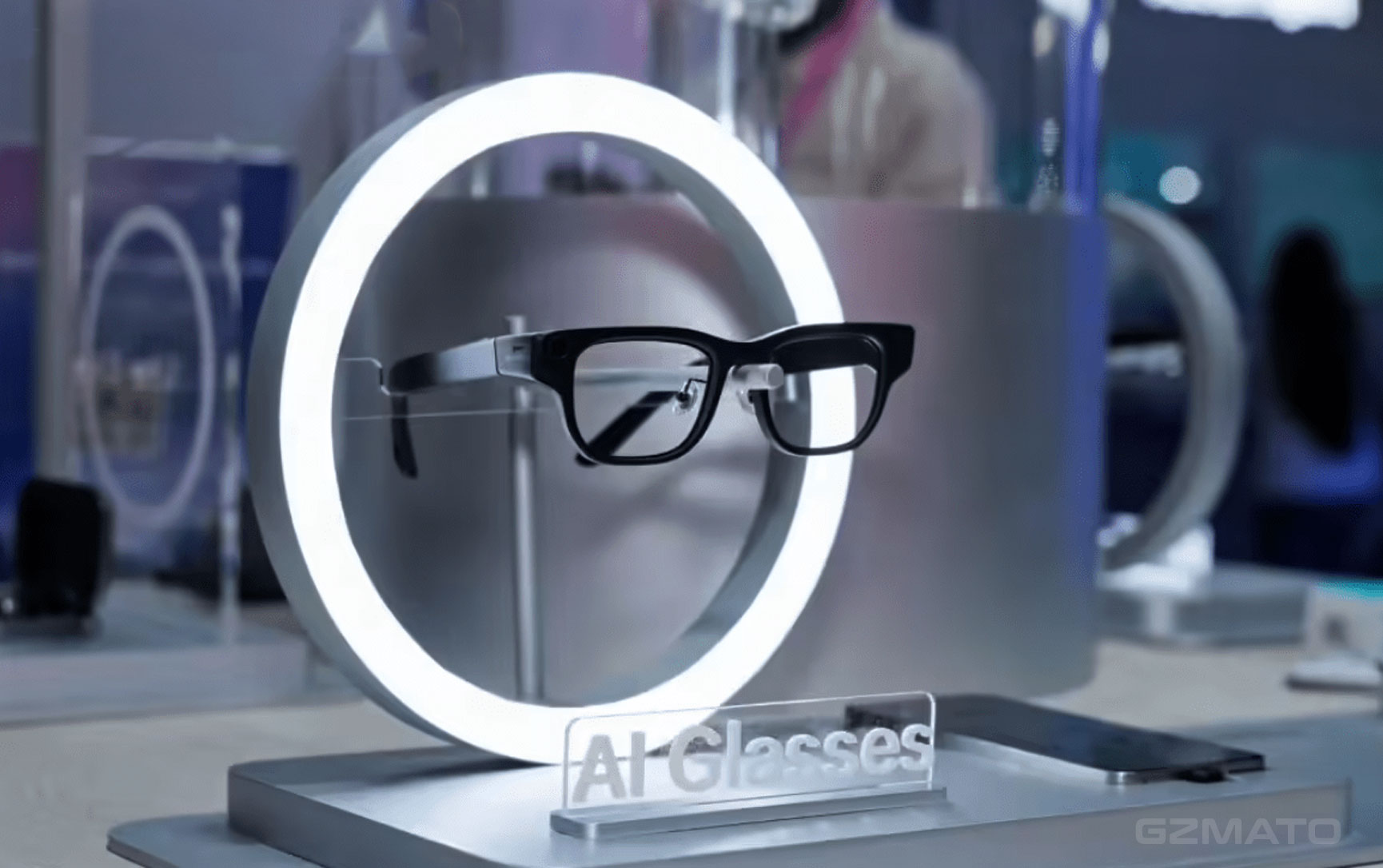
Among the many new AI device form factors, Amon is most bullish on smart glasses [citation:5][citation:7].
Key reasons include:
- First-person perspective: Glasses see what the user sees, providing rich contextual data for AI agents [citation:1]
- Always-on capability: Unlike smartphones, glasses are worn continuously and can capture visual and audio information passively
- Natural interaction: Users can speak to their AI agent without looking down at a screen
Qualcomm is currently designing over 40 new AI device form factors, including smart jewelry, camera-equipped headphones, brooches, and watches [citation:1][citation:7]. The common principle: devices that are worn on the body, always with the user, and capable of observing the world around them [citation:5].
In this vision, the smartphone becomes one of many devices orbiting the AI agent, rather than the central hub of the digital experience [citation:1].
Market Growth: From Millions to Billions
The numbers support Amon's optimism.
| # | Market Metric | Data |
|---|---|---|
| 1 | 2025 global smartphone shipments | ~1.2 billion units [citation:5] |
| 2 | 2025 global AI glasses shipments | ~8.7 million units (+322% year-on-year) [citation:9] |
| 3 | 2026 China smart glasses forecast | ~4.5 million units (+77%) [citation:2] |
| 4 | 2026 global smart glasses forecast | ~23.7 million units (+56.3%) [citation:9] |
Smart glasses are already seeing explosive growth. In 2025, global AI glasses shipments reached approximately 8.7 million units, up 322% year-on-year [citation:9]. IDC forecasts 2026 global smart glasses shipments to exceed 23.7 million units, a 56.3% increase [citation:9].
Amons forecast that smart glasses could reach "hundreds of millions" in a few years and eventually billions — rivaling the smartphone market [citation:1] — implies an additional 10x to 50x growth from current levels.
Qualcomm's Strategy: START Plan and Reality Elite
Qualcomm is not just making predictions — it is actively building the infrastructure to make smart glasses mainstream.
Snapdragon Reality Elite Platform
Launched at AWE 2026, the Reality Elite platform delivers up to 48 TOPS of AI processing power, enabling on-device large language and vision models [citation:10].
Key features include:
- Support for photorealistic avatars and real-time object generation
- Head and hand tracking
- 20% battery life improvement and 12°C temperature reduction under high-load operations [citation:10]
Snapdragon START Program
On June 16, 2026, Qualcomm launched the Snapdragon START (Scalable Turnkey AI-Ready Toolkit) program, initially focusing on smart glasses [citation:3].
The program provides manufacturers with:
- Hardware modules with computing, connectivity, and AI capabilities
- Complete software stack compatible with multiple AI frameworks
- Access to mainstream AI models and scheduling capabilities
- Connection to smartphone apps and cloud services for hybrid AI experiences [citation:3]
Inspecs, a global eyewear company, has become the first partner under the START program [citation:3].
40 New AI Device Designs
Qualcomm is actively designing over 40 new AI device form factors, with the goal of enabling "any device, anywhere" AI connectivity [citation:1][citation:7].
The Challenges: Return Rates and Privacy
Despite the optimism, smart glasses face significant hurdles.
High Return Rates
Mainstream e-commerce platforms report an average 30% return rate for AI glasses [citation:9]. This suggests many consumers are still not convinced of the devices' utility, treating them as tech novelties rather than essential tools.
Industry observers note that the challenge is "whether the product can create an irreplaceable scenario" that makes people willing to wear it for extended periods [citation:9].
Privacy Concerns
AI glasses equipped with cameras and microphones raise significant privacy questions. The device constantly captures visual and audio data, which could be used to build personalized services — but also creates risks of surveillance and data misuse [citation:1].
Key Takeaways
| # | Key Takeaway |
|---|---|
| 1 | Qualcomm CEO predicts smart glasses could match smartphone sales — Annual smartphone shipments exceed 1.2 billion units [citation:5]. |
| 2 | AI agents will replace apps — Users will speak intent to agents, which execute across multiple services [citation:1][citation:7]. |
| 3 | Qualcomm is designing 40+ new AI devices — Smart jewelry, camera headphones, brooches, and watches [citation:1]. |
| 4 | Global smart glasses shipments expected to exceed 23.7M units in 2026 — Up 56.3% year-on-year [citation:9]. |
| 5 | 30% return rate is a major challenge — Consumer education and utility improvement needed [citation:9]. |
| 6 | Snapdragon Reality Elite delivers 48 TOPS AI processing — Enables on-device models for smart glasses [citation:10]. |
- CNBC — Qualcomm CEO Cristiano Amon interview
- IT之家 / 芯智讯 — Amon interview details and quotes
- 經濟日報 / 工商時報 — Snapdragon Reality Elite platform specifications
- IDC / 证券时报 — Smart glasses market forecasts
- Omdia — XR headwear market projections
- Qualcomm official — START program announcement
Smart Devices | Fast Chargers | USB-C Cables | Power Banks | Headphones | Tech Accessories
Special Offer: Use code TECH2026 for discount on your first order!
Shop Now at Gzmato →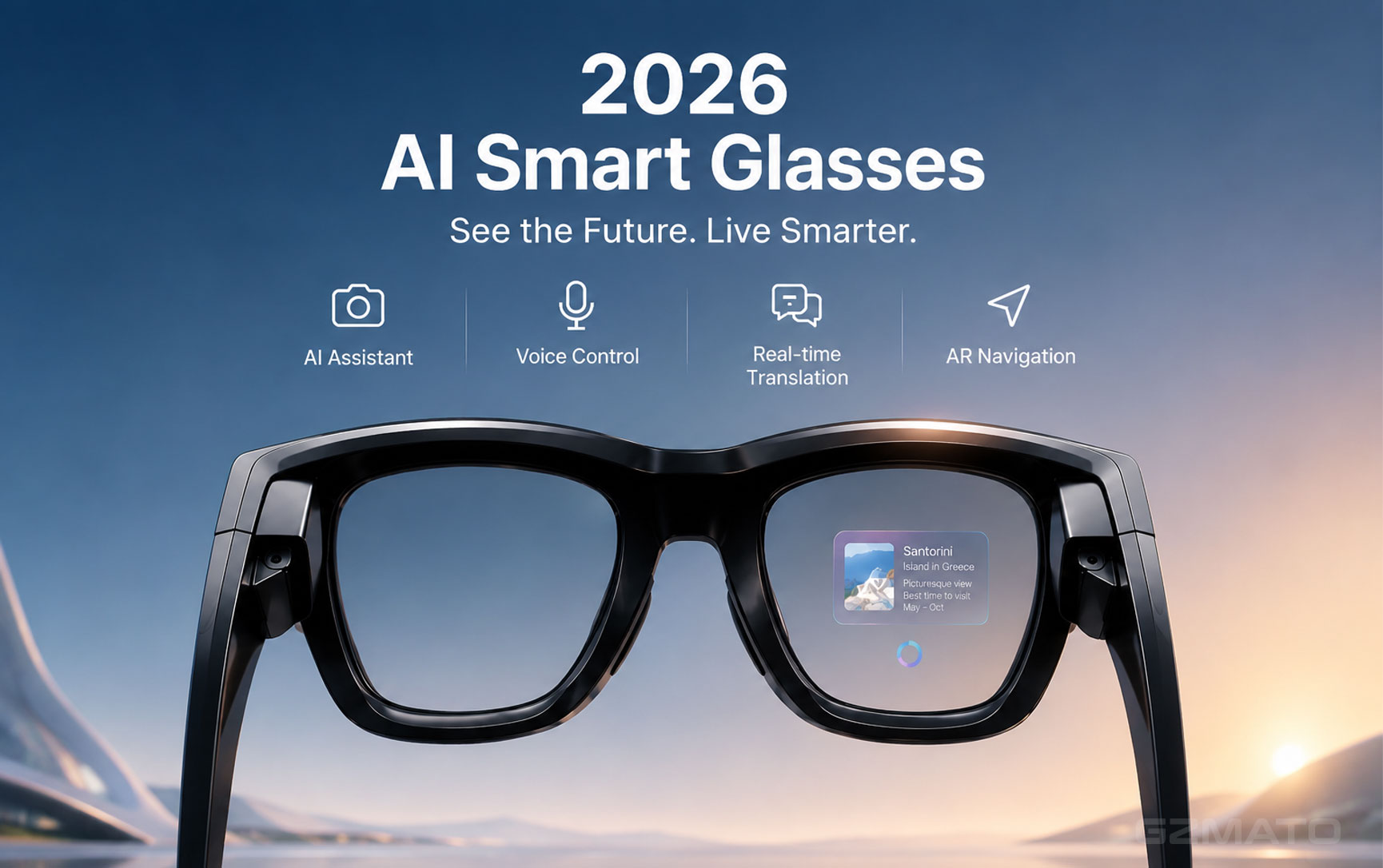
- Qualcomm CEO
- smart glasses
- AI agent
- Cristiano Amon
- Snapdragon Reality Elite
- XR market
- wearable AI