Apple's Camera AirPods Enter DVT Stage: AI Wearable with Siri's "Eyes" Coming September 2026
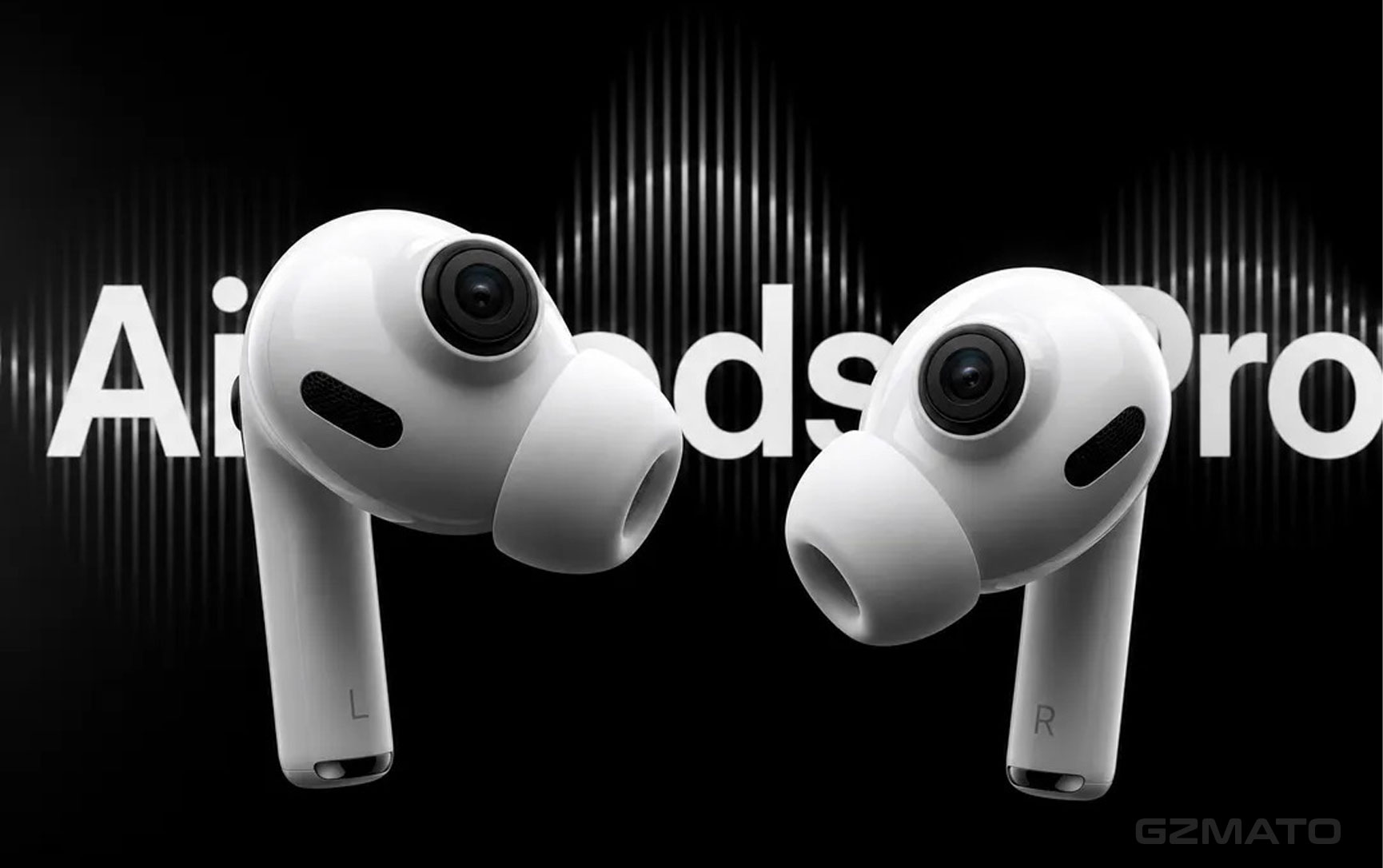
- Apple's First AI Wearable Takes Shape
- DVT Stage: The Final Development Milestone
- How It Works: Siri's "Eyes"
- Key Features and Use Cases
- Design: Familiar Look, Subtle Differences
- Timeline: Hardware Ready, Software Waiting
- Privacy Measures: The LED Indicator
- "We're Going to Change the World Again"
- Broader AI Hardware Roadmap
- Final Verdict
- Shop AirPods Accessories at Gzmato
May 9, 2026 – Apple's long-rumored camera-equipped AirPods have reached a critical milestone. According to Bloomberg's Mark Gurman, the project has entered Design Validation Testing (DVT) stage — the final development phase before early production begins. The device represents Apple's first dedicated AI wearable, positioning the iPhone maker for a new category of intelligent accessories.
Apple's First AI Wearable Takes Shape
For roughly four years, Apple has been quietly developing AirPods with built-in cameras. The project, codenamed H90, has now reached a pivotal phase: Design Validation Testing (DVT). This means the prototypes have near-final designs and functionality, and Apple's operations team is preparing for eventual mass production.
The significance extends beyond a single product. This is Apple's first dedicated AI wearable — not a phone with AI features, but a device built from the ground up to make AI the primary interaction method. It's a test case for how Apple competes in a market where Meta's Ray-Ban glasses and Amazon's AI wearables have already established beachheads.
DVT Stage: The Final Development Milestone
DVT is the last significant development phase before a product enters Production Validation Testing (PVT), which involves early mass production runs.
How It Works: Siri's "Eyes"
The cameras inside these AirPods are not for photography or video recording. They are low-resolution infrared sensors designed to capture sparse environmental visual data. Both left and right earbuds contain these sensors, giving the system spatial awareness similar to human binocular vision.
This data feeds directly into Apple's upgraded Siri, which reportedly leverages technology from Alphabet's Gemini to power visual intelligence. The workflow goes like this:
- Capture: AirPods capture low-res visual information about your surroundings
- Process (limited on-device): H3 chip does preliminary analysis for privacy and speed
- Cloud AI (when needed): More complex visual tasks routed to Siri/Gemini backend
- Response: Siri provides audio answer directly through the AirPods
Key Features and Use Cases
Practical AI in Action
Cooking Assistant: Look at ingredients on your counter — vegetables, meats, spices — and ask Siri, "What can I make with these?" The AI will identify the ingredients and suggest recipes.
Advanced Turn-by-Turn Navigation: Standard navigation tells you "turn left in 100 meters." Visual AI navigation can say: "Turn left at the Starbucks coming up on your right." The system recognizes landmarks and references them in directions.
Environmental Awareness: When walking, the system can detect stairs, curbs, or uneven terrain and provide audio alerts. For visually impaired users, this function could be genuinely transformative.
Real-time Translation (enhanced): The visual data could help provide context for translations — reading a menu, understanding signs, or identifying objects during conversations.
Shopping Assistance: Look at a product in a store and ask Siri for reviews, pricing comparisons, or product information.
Design: Familiar Look, Subtle Differences
Gurman reports that the camera AirPods will closely resemble the existing AirPods Pro 3 in overall form factor. However, there are noticeable differences:
- Longer stems: The earbud stems are slightly extended to house the infrared sensors
- Microscopic lens openings: The cameras are so small they may be nearly invisible to casual observation
- LED privacy indicator: A tiny LED light will illuminate when visual data is being transmitted to the cloud — a deliberate privacy measure in response to surveillance concerns
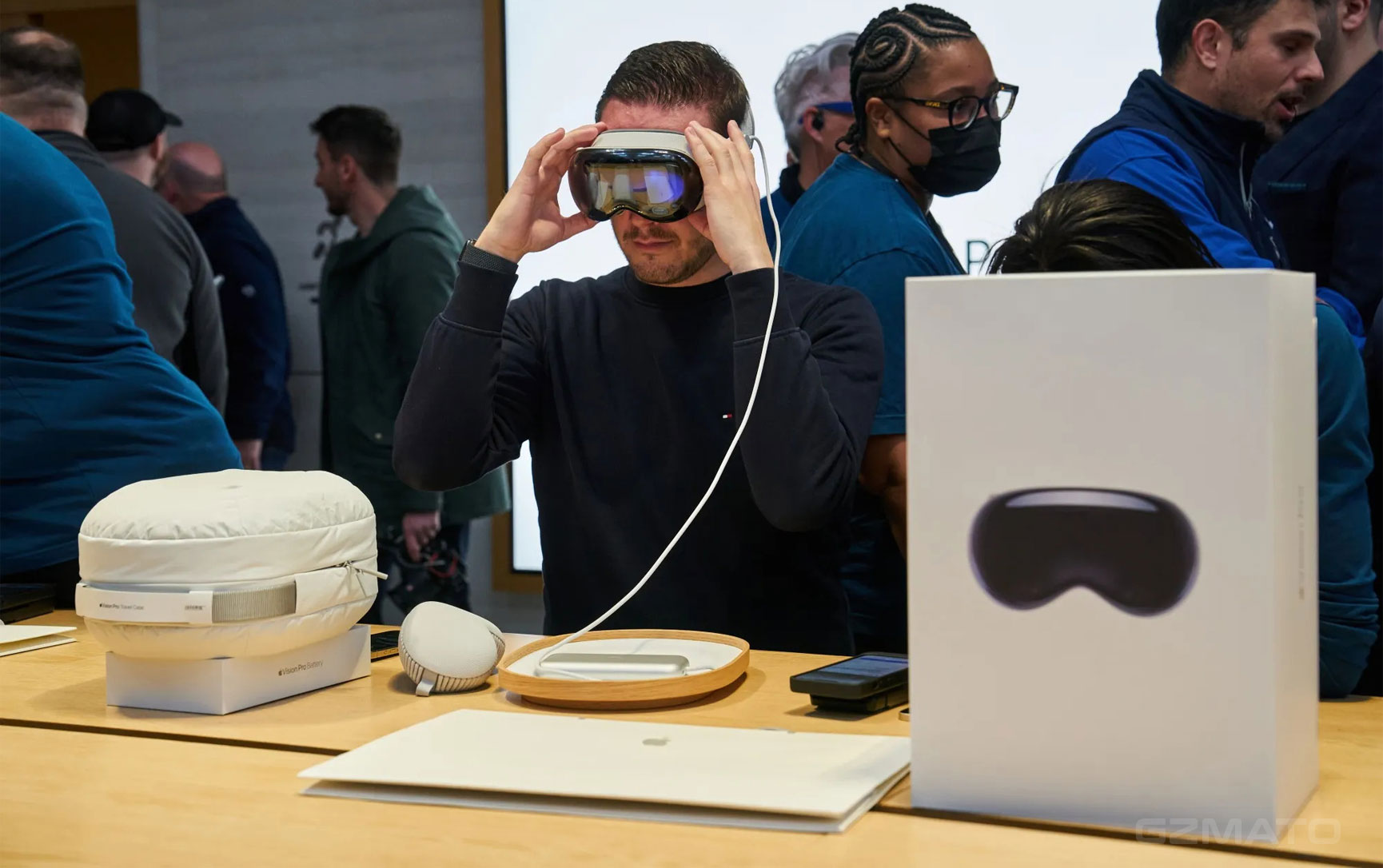
Unlike the bulky Vision Pro headset with its multiple external sensors, the AirPods' sensors are minimal and discreet — designed to be worn as everyday accessories, not statement hardware. The charging case is expected to be similar to the current AirPods Pro 3 case, with possible battery upgrades to support the additional processing demands.
Timeline: Hardware Ready, Software Waiting
Software Is the Bottleneck
The hardware has been in development for approximately four years. Apple originally aimed for an early 2026 launch. But the company has repeatedly pushed back the release — not because of hardware issues, but because the AI software isn't ready.
The core problem: The visual intelligence features described above can't function without an upgraded Siri capable of processing and acting on visual data. Apple's original in-house AI development fell behind schedule, leading the company to restructure its AI teams and partner with Google to license Gemini technology for foundational model capabilities.
Current launch window: Apple now targets a September 2026 release, aligning with iOS 27's expected launch (which will include the new Siri). However, sources caution that Apple could delay further if executives decide the visual AI functionality isn't polished enough.
Privacy Measures: The LED Indicator
Privacy by Design
Cameras on a device you wear in public raises immediate red flags. Apple has spent years addressing these concerns proactively.
Built-in LED light: The AirPods will include a tiny, high-efficiency LED that illuminates whenever the cameras are active and visual data is being transmitted to the cloud. This is similar to the green light on MacBook webcams — a visual signal that cannot be bypassed in software.
On-device processing priority: Wherever possible, visual intelligence will be processed locally on the H3 chip within the AirPods themselves (paired with the paired iPhone). Only complex queries requiring cloud-scale models will trigger data transmission.
The stakes here are high. Meta's Ray-Ban smart glasses have faced significant privacy criticism over their unobtrusive cameras and recording indicators. Apple is positioning its LED system as the privacy-forward alternative — but it remains to be seen whether consumers will trust any camera-equipped wearable.
"We're Going to Change the World Again"
In a recent internal meeting, incoming Apple CEO John Ternus addressed employees about the camera AirPods project. According to attendees, Ternus said:
Ternus, who will formally take over from Tim Cook in September 2026, is positioning the camera AirPods as a defining product of his tenure. The stakes are clear: Apple hasn't launched a genuinely new product category since the Vision Pro (2024), which struggled commercially. The success or failure of this AI wearable will help define the post-Cook era.
Broader AI Hardware Roadmap
According to supply chain sources, Apple is planning an entire family of AI wearables. The camera AirPods are the first and most imminent, but two additional categories are in earlier development stages.
- AI Smart Glasses: Similar in concept to Meta's Ray-Ban glasses but with Apple's design aesthetic, deeper Siri integration, and privacy-hardened features. Expected launch: 2027.
- AI Pendant/Camera Necklace: A clip-on or necklace-worn device with cameras and sensors for more intensive visual intelligence tasks that AirPods may be too small to support. Expected launch: 2027.
Unlike the camera AirPods — which rely primarily on audio output — both the glasses and pendant would require visual displays or other interaction methods, making them more complicated engineering projects.
Final Verdict
Apple is serious about AI wearables. The camera AirPods project has survived years of development, multiple delays, and a complete AI team restructuring. DVT stage indicates the hardware is essentially finished — a sign that Apple believes in the product's eventual release.
Software is now the whole story. The launch hinges entirely on whether upgraded Siri (now enhanced with Google Gemini technology) can deliver the visual intelligence features Apple has promised. If Siri impresses, the camera AirPods could launch to strong reviews. If it underwhelms, Apple may delay again — or launch with limited functionality.
The legacy bet. Incoming CEO John Ternus is staking his reputation on this product line. His "change the world" comment suggests he sees this not as an incremental AirPods update but as a foundational new platform on par with the original iPhone or iPad. That's a bold frame. Whether the product lives up to it will determine the early narrative of Ternus's tenure.
Gear Up for the AI Future with Gzmato
AirPods Cases | Charging Cables | Wireless Chargers | Protective Gear
AIRPODS2026
Data Sources & Methodology (as of May 9, 2026):
- Bloomberg / Mark Gurman – Apple AI camera AirPods development and DVT stage reporting
- 彭博社 / 星岛环球网 – Incoming CEO John Ternus quote and device details
- 36氪 / 财联社 – Gurman original reporting and supply chain analysis
- PChome / IT之家 – Product specifications and privacy implementation
- 凤凰网科技 / IT之家 – Broad AI hardware roadmap details
- 太平洋科技 – Privacy compliance and regulatory considerations
- 经济观察网 – Apple Q2 2026 earnings context and AI investment
- Apple camera AirPods
- AI AirPods
- visual intelligence AirPods
- Siri eyes
- Gemini Siri
- Apple AI wearable
- DVT stage AirPods
- John Ternus