Apple & Intel Reach Chipmaking Deal: Intel Surges 14%, Chip Stocks Add $100B in Market Cap
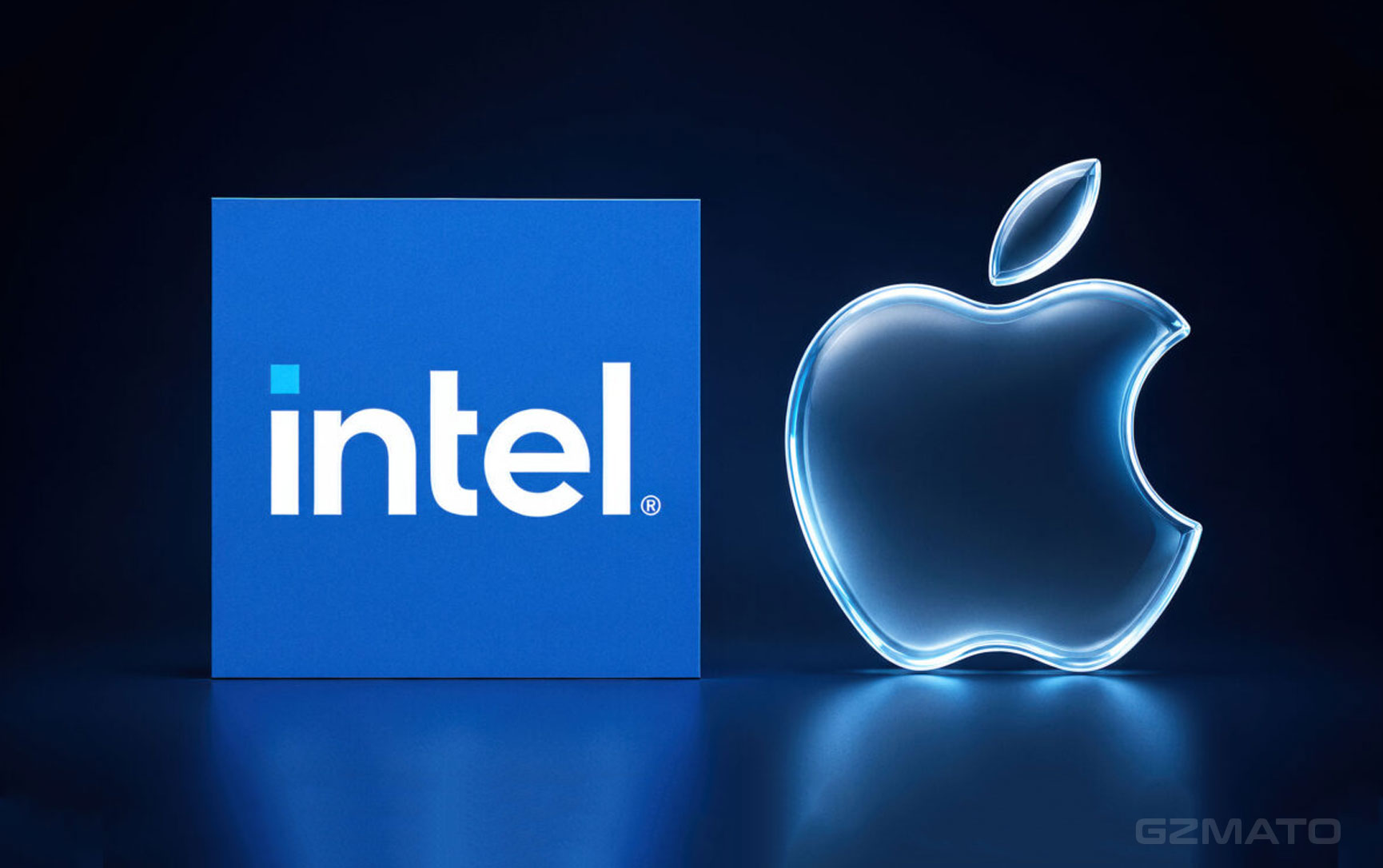
May 9, 2026 – A seismic shift just occurred in the semiconductor industry. Late Friday, The Wall Street Journal reported that Apple and Intel have reached a preliminary agreement for Intel to manufacture chips for some of Apple's devices . The news triggered an explosive rally in chip stocks, adding nearly $100 billion to the market capitalization of just three semiconductor companies in a single day .
The Deal That Shook Wall Street
For the first time since 2020 — when Apple abandoned Intel processors in its Macs for its own Arm-based silicon — the two tech giants are coming back together. But this time, the relationship is different: Intel will manufacture Apple-designed chips, not provide its own .
According to WSJ sources, the two companies engaged in intensive talks for more than a year and finalized a formal agreement in recent months . While it remains unclear which Apple products Intel would manufacture chips for, the sheer scale is enormous — Apple ships over 200 million iPhones annually, plus millions of iPads and Macs .
The Apple-Intel Agreement: What We Know
The deal marks Apple's first use of an external manufacturer for its custom chip designs beyond TSMC. According to details reported by WSJ and corroborated by multiple sources, here's what's known :
- Timeline: Talks lasted over a year, with a formal agreement reached in recent months
- Scope: Intel will manufacture some — but not all — Apple chips
- Products: Unclear which devices will use Intel-made chips; likely iPad and entry-level Mac M-series chips initially, with potential for iPhone A-series later
- Process node: Possibly Intel's 18A-P (improved 18A) or 14A processes, with mass production targeted for 2028
- Location: Manufacturing will take place at Intel's Chandler, Arizona facility — within the United States
The Stock Surge: A Historic Rally
The market reaction was immediate and dramatic. Chip stocks roared on Friday as investors processed the implications .
| Stock | Gain | Key Driver |
|---|---|---|
| Intel | +13.96% | Apple foundry deal |
| Micron Technology | +15.49% | Memory supercycle + AI demand |
| SanDisk | +16.60% | Memory supercycle |
| AMD | +11.44% | AI chip demand |
| Qualcomm | +8% | General AI uplift |
| ASML | +5% | Lithography equipment demand |
| Broadcom | +4% | AI networking chips |
The Philadelphia Semiconductor Index surged 5.51% to a record high . The combined market capitalization of Intel, Nvidia, and Micron jumped by nearly $100 billion in a single day .
The Long Road to Agreement
Behind the scenes, the deal required significant orchestration. The U.S. government played a major role .
- Government push: Commerce Secretary Howard Lutnick met repeatedly over the past year with Apple CEO Tim Cook to pave the way
- White House involvement: President Trump also personally recommended Intel to Cook during a White House meeting
- Government ownership: The U.S. government holds approximately 10% of Intel, converting nearly $9 billion in federal subsidies into equity last summer
- NVIDIA's role: NVIDIA invested $5 billion in Intel last September and reached a custom data center CPU deal
Why Now? The Perfect Storm
Multiple factors aligned to make this deal possible :
- TSMC capacity crunch: AI demand has consumed TSMC's advanced nodes. Apple has become TSMC's second-largest customer behind NVIDIA, but even Apple has faced supply constraints. Tim Cook explicitly stated in recent earnings calls that chip shortages are limiting iPhone sales
- Intel's turnaround: Under CEO Lip-Bu Tan (appointed in 2025), Intel has aggressively pursued foundry expansion, accelerating 18A and 14A process development. Intel's stock is up nearly 240% year-to-date — a historic recovery
- "America First" policy: The U.S. government has made domestic chip production a national priority, positioning Intel as the "national champion" of American semiconductor manufacturing
- Supply chain resilience: Apple seeks a viable second source to mitigate geopolitical and capacity risks associated with sole dependence on TSMC in Taiwan
What It Means: Analysts Weigh In
Dan Ives, Wedbush Securities called the agreement "a victory for the U.S. government" and noted that "Apple's move to reduce its dependence on TSMC by partnering with Intel was a strategic choice to manage geopolitical risk."
Patrick Moorhead, Moor Insights & Strategy founder told Yahoo Finance that the preliminary agreement "shows Intel's 18A and 14A processes are beginning to meet the needs of big tech."
Ben Bajarin, Creative Strategies told CNBC: "I 100 percent believe this will happen, just don't know exactly when." He noted that Apple is TSMC's second-largest customer (behind NVIDIA), but that AI demand has made advanced capacity "extremely scarce."
Amit Daryanani, Evercore ISI noted that even if the report requires confirmation, "it bodes well for Apple to have long-term supply chain resilience, more foundry options, and flexibility when leading-edge capacity is tight."
The Broader Rally: A Supercycle in Motion
The Apple-Intel news acted as a catalyst, but the broader chip rally reflects a fundamental supercycle. Memory stocks led the charge:
- Micron Technology +15.49% — AI memory demand continues to outstrip supply
- SanDisk +16.60% — Memory supercycle in full swing
- Western Digital similarly elevated
AI infrastructure spending from hyperscalers (Google, Microsoft, Amazon, Meta) has pushed advanced node capacity to its limits. Cloud service providers have committed over $700 billion in AI capital expenditures for 2026 — and every dollar of that spending eventually flows through semiconductor companies .
Final Verdict
For investors, the Apple-Intel deal is a validation of two investment theses: Intel's foundry turnaround and Apple's supply chain diversification. Whether it yet signals a long-term shift in semiconductor manufacturing geography depends on execution. Intel's 18A-P and 14A nodes need to deliver on performance and yield .
For consumers, the immediate impact will be invisible — you won't know which Apple device contains an Intel-made chip. But over time, supply diversification could reduce the risk of product shortages and lead to more stable pricing as Apple gains negotiating leverage with multiple suppliers .
For the industry, this is the most significant foundry deal in years. Intel, once written off as a has-been, is now a confirmed second source for the world's most valuable company. The U.S. government's bet on Intel appears to be paying off. And TSMC's stranglehold on Apple's advanced chip production has officially loosened .
Keep Your Apple Devices Running with Gzmato
Premium Cases | Fast Chargers | Cables and Adapters | Screen Protectors
APPLE2026
Data Sources & Methodology (as of May 9, 2026):
- The Wall Street Journal (WSJ) – Exclusive reporting on Apple-Intel preliminary agreement
- CNBC – Analyst commentary and market reaction
- Bloomberg – Preliminary reporting on Apple-Samsung discussions
- Reuters – Wire service coverage of the agreement
- Yahoo Finance – Analyst commentary and market cap calculations
- Wedbush Securities – Analyst Dan Ives commentary
- Evercore ISI – Analyst Amit Daryanani commentary
- Moor Insights & Strategy – Patrick Moorhead commentary
- Creative Strategies – Ben Bajarin commentary
- 金融界 (JRJ.com) – Chinese market reporting and TSMC impact analysis
- 证券时报 (STCN.com) – Stock performance data and index movements
- 国际电子商情 (ESM China) – Production timeline and process node details
- AASTOCKS.com – Hong Kong market reporting and analyst roundup
- Apple Intel chip deal
- Intel foundry
- Apple supply chain diversification
- US semiconductor policy
- TSMC competitor
- Intel stock rally
- Dan Ives Apple Intel
- Ben Bajarin