Google Gemini Spark vs iOS 27: AI Agent Wars Begin (May 2026)
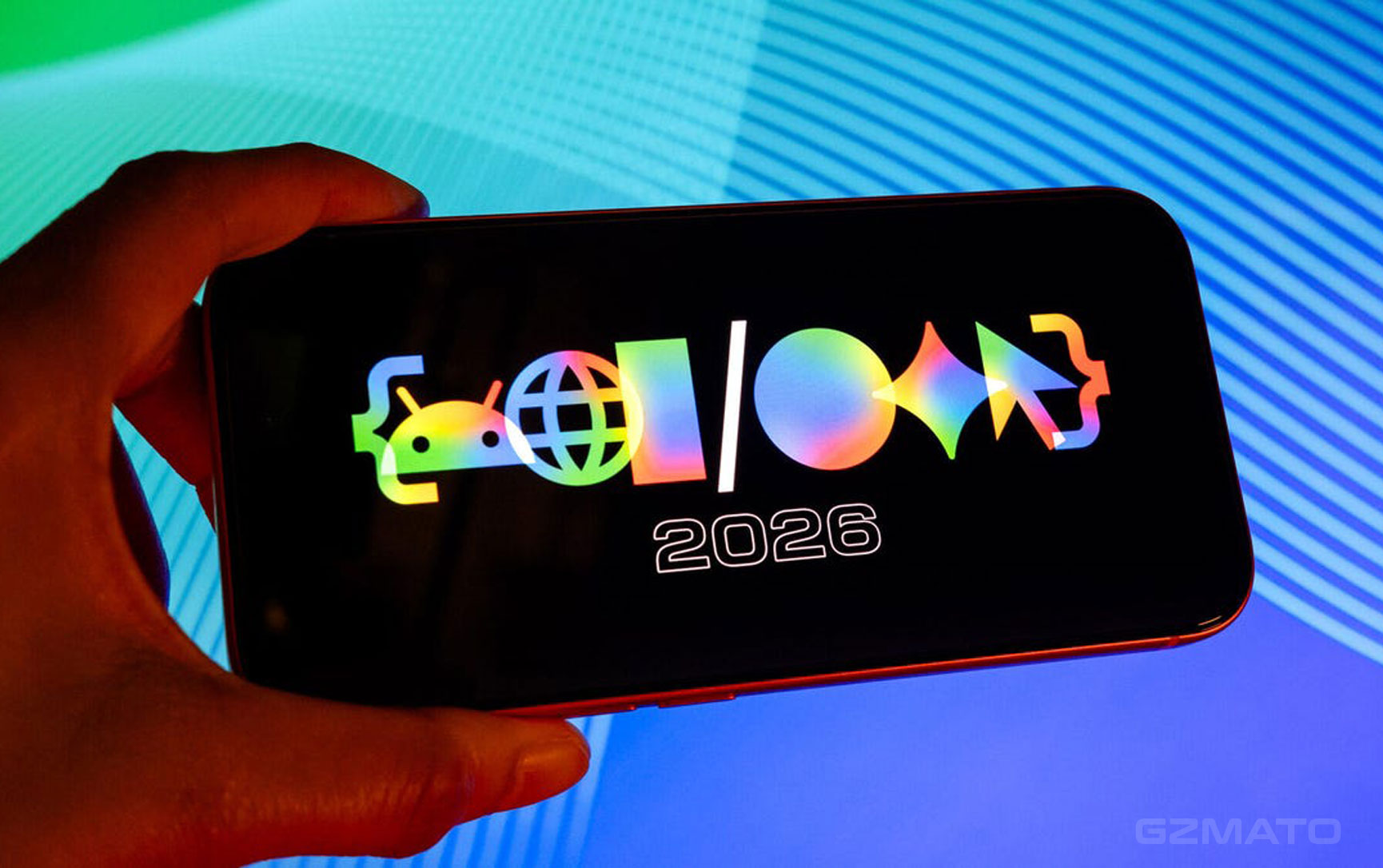
- Google I/O 2026 vs iOS 27: The Two Biggest AI Stories of May
- Google Gemini Spark: Your AI Agent That Never Sleeps
- Gemini 3.5 Flash, Search Agents & SynthID
- iOS 27: Apple Opens AI to Third-Party Models
- How Extensions Work & Why Apple Changed Course
- Side-by-Side: Google vs Apple AI Strategies
- Key Takeaways
- What's Next: WWDC, Chrome Integration & More
- Shop Tech Accessories at Gzmato
May 20, 2026 – On the same day, two of the world's largest tech companies unveiled radically different visions for the future of AI. At Google I/O 2026, Sundar Pichai introduced Gemini Spark — an AI agent that runs 24/7 in the cloud, even when your devices are offline. Meanwhile, Bloomberg's Mark Gurman reported that Apple will open iOS 27 to third-party AI models, letting users choose between Gemini, Claude, or ChatGPT for different tasks [citation:1][citation:4].
Google I/O 2026 vs iOS 27: The Two Biggest AI Stories of May
May 20, 2026, will be remembered as the day the AI landscape shifted. Within hours of each other, Google and Apple made announcements that reveal two fundamentally different paths forward.
Google introduced Gemini Spark — an AI agent that doesn't stop when you close your laptop. Apple, through developer code discovered by 9to5Mac and confirmed by Mark Gurman, is building "Extensions" — a system that lets third-party AI models power Siri and Writing Tools [citation:1][citation:2][citation:4].
Neither approach is obviously superior. But together, they show that the AI wars have entered a new phase: one defined by persistent agents on one side, and open ecosystems on the other.
Google Gemini Spark: Your AI Agent That Never Sleeps
What Is Gemini Spark?
At Google I/O 2026, CEO Sundar Pichai unveiled Gemini Spark — an AI agent that runs persistently on Google Cloud virtual machines. Unlike chatbots that only respond when you open an app, Spark executes tasks continuously, even when your devices are offline [citation:1][citation:6].
Pichai described it as "an AI that works for you, not just with you." The agent can monitor emails, track packages, scan bank statements for hidden subscriptions, and draft reports — all without requiring your laptop to be on.
Real-world example from the keynote:
- Spark automatically summarized replies from neighbors for a block party
- Tracked what each person was bringing
- Sent follow-up emails to those who hadn't responded
- Created a real-time tracker in Google Sheets
- Generated a Google Slides flyer with event details
Everyday use cases include:
- Scanning bank statements monthly to find hidden subscription fees
- Organizing inbox bills and sending payment reminders
- Drafting status emails by pulling data from emails, docs, and spreadsheets
Gemini 3.5 Flash, Search Agents & SynthID
Other Major Announcements from Google I/O
Gemini 3.5 Flash — Free for Everyone
Google's latest lightweight model is now available for free to all users worldwide. According to Google, it's four times faster than comparable models from competitors [citation:6].
Search Agents — Persistent Price Tracking
Google Search now supports agentic features. You can ask it to monitor prices for products you're considering, track rental listings, or watch for flight deals — and it will notify you when conditions change [citation:6].
SynthID Expands to Chrome and Search
Google's AI content watermarking system now integrates with Chrome and Google Search. When you encounter an image, you can check whether it was AI-generated. Google says SynthID has already been applied to over 100 billion images [citation:5].
iOS 27: Apple Opens AI to Third-Party Models
Apple's Biggest AI Pivot Yet
According to code discovered by 9to5Mac and confirmed by Bloomberg's Mark Gurman, Apple is building a system called "Extensions" that will allow third-party AI models to power Apple Intelligence features in iOS 27, iPadOS 27, and macOS 27 [citation:2][citation:4].
For the first time, users will be able to choose which AI model drives Siri, Writing Tools, and other Apple Intelligence features. The system works by installing companion apps from the App Store — for example, installing the Google app would enable Gemini as an option, while installing Claude would enable Anthropic's model [citation:2].
How model selection works:
- Users can assign different models for different tasks (e.g., Claude for writing, Gemini for image generation)
- Each model can have its own Siri voice preference
- Apple's own models remain available as the default option
Text in the developer beta reads: "Extensions allow you to access generative AI capabilities from installed apps on demand through Apple Intelligence features like Siri, Writing Tools, and Image Playground" [citation:2].
How Extensions Work & Why Apple Changed Course
Three Reasons for Apple's Sudden Pivot
1. ChatGPT Integration Underperformed
When Apple launched Apple Intelligence in 2024, it integrated ChatGPT as the sole third-party option. But internal data suggests usage has been far below expectations for both companies [citation:4].
2. Apple-OpenAI Relationship Has Soured
OpenAI has been actively recruiting Apple engineers to build its own AI hardware. Tensions have risen as the two companies move from partners to competitors [citation:4].
3. Apple's In-House AI Still Lags
Industry observers note that Apple's current AI models — for text summarization, rewriting, image generation, and conversation — still trail significantly behind ChatGPT, Gemini, and Claude. Opening the ecosystem allows Apple to offer best-in-class AI while continuing to develop its own models [citation:4].
iOS 27 also includes:
- A standalone Siri app
- A new Siri mode in the Camera app
- AI-powered photo editing tools
- Customizable credential creation in Wallet
iOS 27 Release Timeline
- June 8, 2026: WWDC 2026 — iOS 27 preview
- Fall 2026: iOS 27, iPadOS 27, and macOS 27 public release
Side-by-Side: Google vs Apple AI Strategies
| Dimension | Google Gemini Spark | Apple iOS 27 Extensions |
|---|---|---|
| Core Philosophy | Cloud-based persistent AI agent that works 24/7 | Open ecosystem letting users choose their preferred model |
| Where AI Runs | Google Cloud virtual machines | On-device + cloud (third-party models) |
| User Control | Delegate tasks; Spark executes autonomously | Manually select which model for which task |
| Business Model | $100/month Ultra subscription | Ecosystem play — third-party apps pay to integrate |
| Biggest Strength | True persistent task execution | Flexibility to use best model for each job |
| Biggest Challenge | Privacy — cloud agent accesses all your data | Model switching experience must be seamless |
Key Takeaways
- Google Gemini Spark is the first persistent AI agent designed for mainstream consumers — it runs 24/7 in the cloud, even when your devices are off
- Gemini 3.5 Flash is now free for all users, with performance claims of 4x speed over competitors
- iOS 27 will let users choose third-party AI models — assign Gemini, Claude, or ChatGPT to different tasks
- Apple's pivot is driven by three factors: disappointing ChatGPT integration, a cooling relationship with OpenAI, and recognition that its own AI still lags
- Two competing visions: Google bets on cloud-based persistent agents; Apple bets on open ecosystems and user choice
- Timeline: Gemini Spark reaches US Ultra subscribers next week; iOS 27 previews at WWDC on June 8, launches fall 2026
- Privacy remains the open question: Can cloud-based agents protect user data? Will Apple's model switching keep data on-device?
What's Next: WWDC, Chrome Integration & More
For Google users: The next few weeks will bring Gemini Spark to trust testers, followed by Ultra subscribers. This summer, Spark will also integrate directly into the Chrome browser, making persistent AI agents available on the desktop [citation:6].
For Apple users: All eyes are on WWDC on June 8. Developers expect a full demonstration of how Extensions will work, which third-party models will be supported at launch, and — crucially — how Apple will handle privacy when users opt for cloud-based models [citation:2].
The AI landscape has clearly split into two tracks: Google's cloud-first persistent agents and Apple's open ecosystem. Which one will win? The answer may depend on whether users trust the cloud with persistent access to their data — or prefer the flexibility of choosing the best tool for each job.
Stay Connected with Gzmato
Fast Chargers | USB-C Cables | Screen Protectors | Wireless Chargers | Power Banks | Phone Cases
TECH2026
Sources & Methodology (as of May 20, 2026):
- Google I/O 2026 keynote livestream
- Bloomberg / Mark Gurman – iOS 27 Extensions report [citation:1][citation:4]
- 9to5Mac – Developer code analysis [citation:2]
- MacRumors – iOS 27 feature roundup [citation:3]
- The Verge – SynthID expansion coverage [citation:5]
- CNET – Gemini Spark hands-on [citation:6]
Note: iOS 27 features are based on developer beta code and may change before final release.

- Google Gemini Spark
- iOS 27
- Apple Intelligence
- Gemini 3.5
- AI agent
- third-party AI models
- WWDC 2026
- Google I/O 2026
- Mark Gurman