Hangzhou's New Transit Route: 30% Cheaper Logistics to Pudong Airport
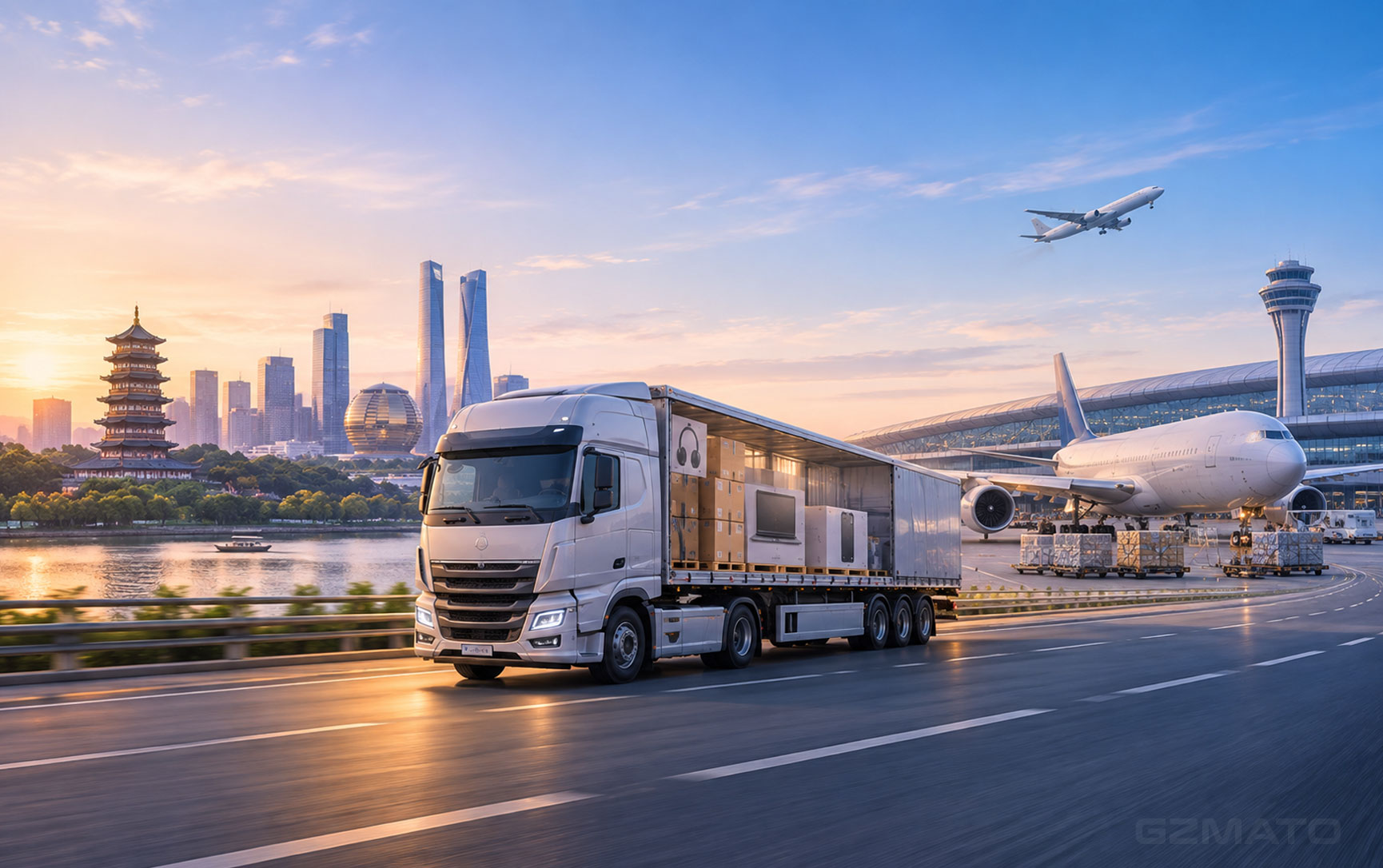
November 18, 2026 — For cross-border sellers in Hangzhou and the surrounding region, a quiet infrastructure upgrade just went live. The first batch of 9610 export goods successfully transited from Hangzhou to Shanghai Pudong Airport, completed customs clearance, and flew to the United States. The headline number for sellers: logistics comprehensive costs are down by approximately 30% under the same conditions .
The 9610 model—cross-border e-commerce retail export—has always been characterized by small batches and high frequency. For years, sellers in Hangzhou relied primarily on local airports. During peak season, capacity was tight, and sellers either waited in line or rerouted. Pudong Airport has dense international cargo routes, but the cross-customs transit process involved declaration, transport, and verification across multiple jurisdictions, which was never fully smoothed out—until now.
What Actually Changed: The 9610 Cross-Customs Route
The mechanics of the new route are straightforward but operationally significant.
- Local Declaration: Sellers complete customs declaration and inspection in Hangzhou, at their doorstep. No need to travel to Shanghai or handle paperwork at the port.
- Supervised Transit: Goods are loaded onto customs-supervised vehicles and transported directly to Pudong Airport. The transit is tracked and sealed.
- Verification and Departure: Upon arrival at Pudong, customs verifies the shipment, and the goods are loaded onto international flights. The entire process is designed to be seamless and compliant.
The 30% cost reduction comes from several factors: avoiding local airport capacity bottlenecks, accessing Pudong's denser flight network (which lowers per-kilo freight rates), and reducing the time and manpower spent on cross-region paperwork. For a seller shipping high-value electronics, these savings compound quickly.
Who Benefits Most (and Who Doesn't)
| Seller Profile | What This Route Means for You |
|---|---|
| Hangzhou/Zhejiang-based electronics sellers | Immediate benefit. You can now access Pudong's international flight network without leaving your home customs district. The 30% cost reduction applies directly to your logistics budget. |
| Sellers shipping high-value, time-sensitive goods | Strong fit. Electronics, smart devices, and premium accessories benefit most from faster transit and more reliable air cargo capacity. The cost savings are meaningful relative to product value. |
| Sellers shipping low-value, bulky goods | Limited benefit. If your products are heavy or low-margin, air freight is still expensive relative to the product value. Sea freight or overseas warehousing remains the better option. |
| Sellers based outside Zhejiang | Watch for replication. This model works because of Hangzhou's customs infrastructure and proximity to Pudong. Other regions may develop similar cross-customs transit routes. Ask your local commerce bureau whether a similar model is planned. |
What Sellers Should Do Now
Three practical steps:
- Calculate your current air freight costs to the US and Europe. If you are shipping from Hangzhou or nearby, compare your current per-kilo rate and transit time to the new route's offering. The 30% reduction may or may not apply to your specific product profile, but it is worth checking.
- Talk to your freight forwarder. Not all forwarders are immediately integrated into the new transit route. Ask whether they have access to the Hangzhou-Pudong 9610 channel. If they don't, ask when they plan to.
- Monitor for replication. If you are based in another region, this is a signal of where infrastructure investment is heading. Cross-customs transit models reduce friction and cost. Ask your local authorities whether similar routes are in the pipeline.
Key Takeaways
| # | What You Need to Know |
|---|---|
| 1 | Hangzhou has opened a 9610 cross-customs transit route to Pudong Airport. The first shipment has already flown to the US . |
| 2 | Logistics costs are down by approximately 30%. The savings come from avoiding local airport bottlenecks and accessing Pudong's denser flight network . |
| 3 | Sellers complete declaration locally in Hangzhou. No need to travel to Shanghai or handle port-side paperwork. Goods are transported by supervised vehicles. |
| 4 | High-value electronics benefit the most. The time and cost savings are most meaningful for products where air freight is already the default choice. |
| 5 | Low-value bulky goods still go by sea. Air freight remains too expensive relative to product value for heavy, low-margin items. |
| 6 | Sellers outside Zhejiang should watch for replication. This model works due to local infrastructure; similar routes may emerge in other regions. |
| 7 | Talk to your forwarder. Not all logistics providers are integrated into this new channel yet. Ask specifically about the Hangzhou-Pudong 9610 route. |
- Hangzhou Municipal Government — 9610 cross-customs transit route to Pudong Airport launched (Nov 18, 2026)
- General Administration of Customs — Cross-customs transit procedures for cross-border e-commerce (9610)
- Zhejiang Provincial Government — Logistics cost reduction initiatives for cross-border trade
Tell us your product category and current shipping route, and we can help you compare different transit and air freight options. Chat with us or open a request.



- Hangzhou 9610 cross-customs
- Pudong Airport air freight
- cross-border e-commerce logistics
- logistics cost reduction
- electronics shipping
- Gzmato