M5 MacBook Air vs. M6 MacBook Pro: Is the Future Worth the Wait?
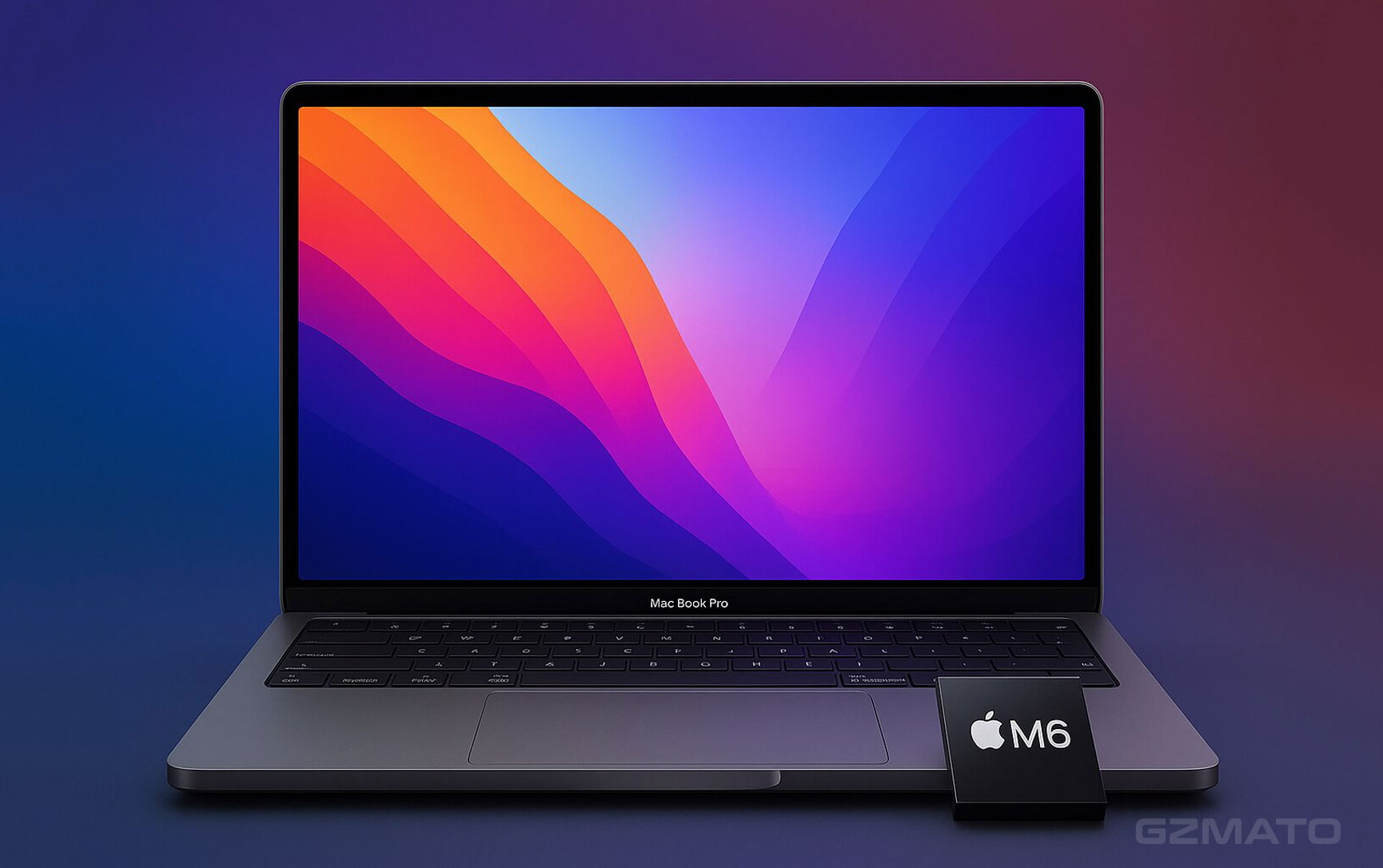
Following the quiet launch of the M5 14-inch MacBook Pro, Apple's future Mac roadmap for 2026 is becoming sharply defined. It paints a picture of two distinct product generations: one focusing on AI efficiency, and the other targeting a complete redesign.
The core dilemma for users—especially developers, data analysts, and content creators—is: Do you buy into the reliable, thin M5 MacBook Air in Spring 2026, or do you hold out for the rumored, game-changing M6 MacBook Pro later that year?
Here is a focused, comparative breakdown of what we know, using the most credible reporting from the industry.
1. The M5 MacBook Air: The Immediate AI Upgrade
The next MacBook Air, expected to launch in Spring 2026 (likely March/April), will be a predictable yet significant update.
What Readers Need to Know:
- Timeline and Intent: It maintains Apple’s standard 12-to-18-month cycle for the Air, which is designed to be the highly efficient, general-purpose powerhouse.
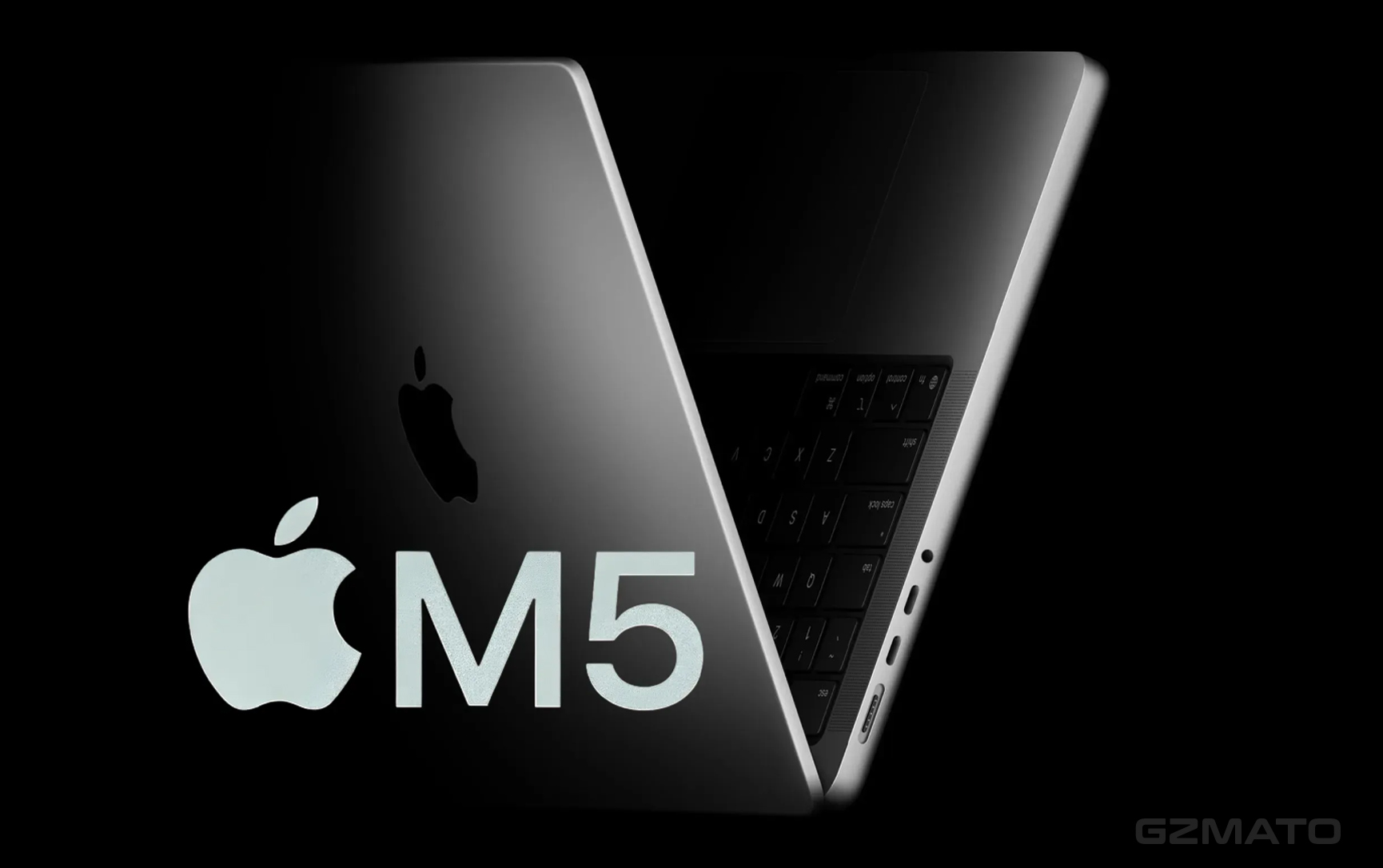
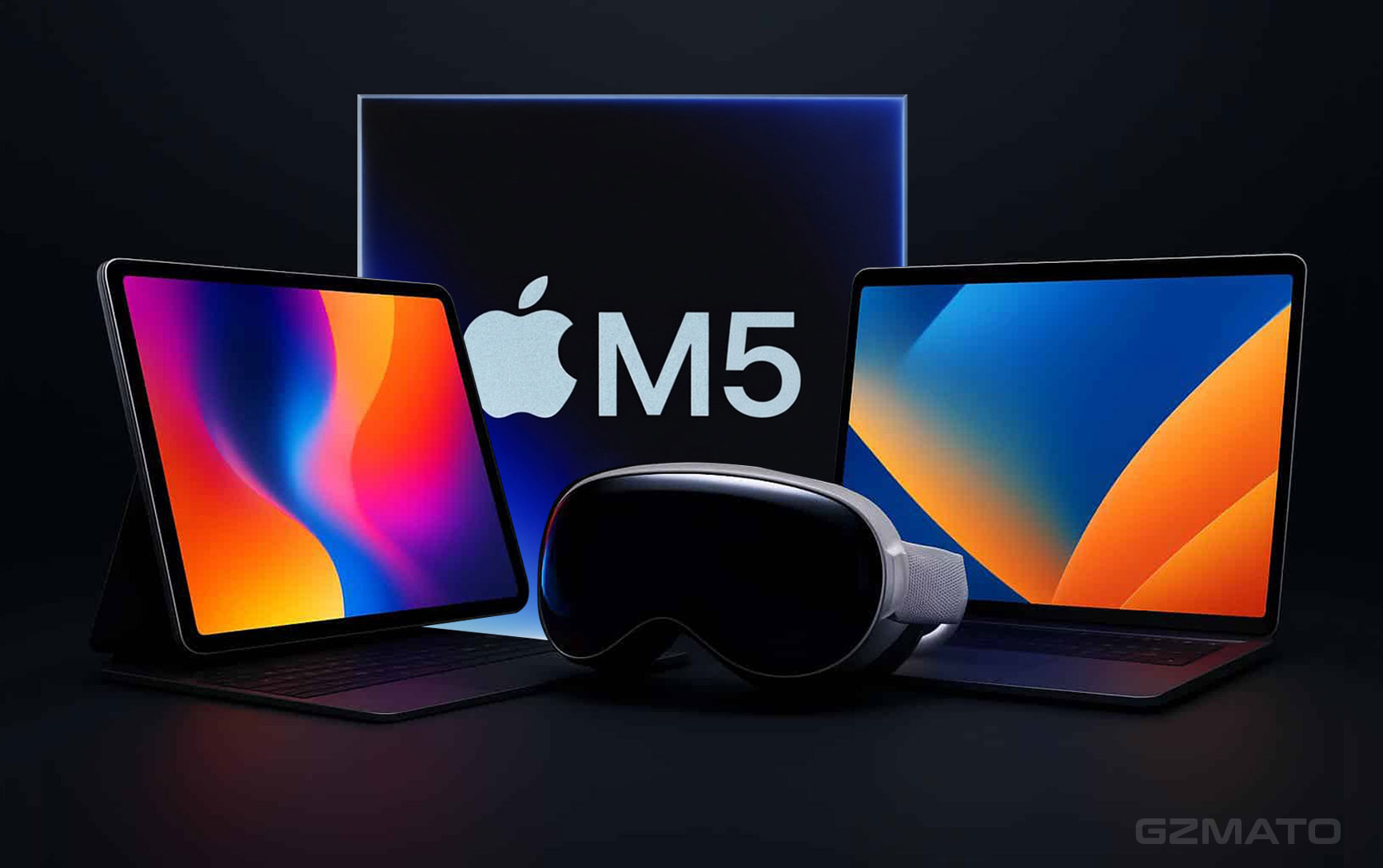
- The Chip Focus: It will feature the M5 chip, bringing the same on-device AI acceleration seen in the latest MacBook Pro. As MacRumors and other blogs have reported, the M5 offers up to 3.5x faster AI performance than the M4, which is crucial for running local LLMs and using advanced features in macOS Tahoe.
- The Compromise: It will feature the same aluminum chassis and Liquid Retina display as the M4 generation. You are buying a performance and efficiency leap, not a design overhaul.
-
Analyst Insight: The M5 Air will come in the established 13-inch and 15-inch sizes and represents a "spec refresh only," making it an easy, low-risk purchase for users upgrading from Intel or M1 models.
- 2. The M6 MacBook Pro: The Generation-Defining Overhaul
This is the machine power users are truly waiting for. All reliable indicators suggest the M6 MacBook Pro, slated for Late 2026 or Early 2027, will be the most significant redesign since the 2021 model.
What Readers Need to Know (The Game Changers):
| Key Feature | M6 Pro Reality Check | Impact on Pro Users (Key Takeaway) |
|---|---|---|
| OLED Display | Confirmed by multiple supply chain sources. Offers perfect blacks, higher contrast, and faster response times. | Drastically superior color accuracy and motion handling, essential for video editing and photography. |
| New Design | Expected to be thinner and lighter. The chassis will be refined, leveraging the efficiency of the 2nm M6 chip. | Improved portability without sacrificing performance, addressing current weight criticisms. |
| Touchscreen Support | Highly likely, as reported by Mark Gurman. Includes a reinforced hinge for stability. | Introduces a new input method for drawing and quick interaction, enhancing creative workflows. |
| M6 Chip Power | Expected to move to a 2-nanometer manufacturing process, offering a massive density and efficiency boost. | Definitive chip for future computational tasks, including advanced AI development and rendering. |
Analyst Insight: Mark Gurman notes that this M6 refresh, featuring the OLED screen and new chassis, is designed to "finally move the needle" and encourage users who have been holding onto M1 or M2 Macs to upgrade, justifying the likely higher price tag.
The Final Decision: M5 Air vs. M6 Pro
For users with high-demand professional workflows, such as backend maintenance or optimization (like those running Wordpress servers), the choice comes down to timing and budget:
| If You Are... | Your Best Decision | Why (The Rationale) |
|---|---|---|
| Running an Intel/Pre-M2 Mac | Buy the M5 MacBook Air in Spring 2026. | The M5 Air offers a massive, immediate leap in performance, battery life, and AI capability for a reasonable price. The M6 wait is too long. |
| Seeking the ultimate Pro Experience | Wait for the M6 MacBook Pro (Late 2026/Early 2027). | The M6 Pro is a generational leap. The OLED screen, new design, and 2nm chip justify the wait over an iterative M5 upgrade. |
| Working with M4 MacBooks | Wait for the M6 Pro. | The M5 is an iterative chip upgrade. The cost-benefit ratio is much higher when waiting for the comprehensive M6 Pro overhaul. |
-
 -3%
MacBook Pro 16-inch 1TB SSD - Apple M4 Max chip 16-Core CPU - 40-Core GPU - 48GB Memory - Built for Apple IntellegenceAs low as $4,336.71 Regular Price $4,493.87
-3%
MacBook Pro 16-inch 1TB SSD - Apple M4 Max chip 16-Core CPU - 40-Core GPU - 48GB Memory - Built for Apple IntellegenceAs low as $4,336.71 Regular Price $4,493.87 -
-3%
Apple - iMac 24-inch All-in-One 256GB SSD 16GB Memory - M4 chip - 8-Core CPU - 8-Core GPU Built for Apple Intelligence - (Latest Model)As low as $1,499.00 Regular Price $1,540.12
-
-3%
Apple - Mac mini Desktop - M4 chip - 512GB SSD - 10-Core-CPU - 10-Core-GPU - Built for Apple Intelligence - SilverAs low as $813.00 Regular Price $841.28
-
-4%
MacBook Pro 14-inch 512GB SSD - Apple M4 chip 10-Core CPU - 10-Core GPU - 16GB Memory - Built for Apple IntellegenceAs low as $1,759.00 Regular Price $1,826.95
-
-4%
MacBook Pro 16-inch 512B SSD - Apple M4 Pro chip 14-Core CPU - 20-Core GPU - Built for Apple IntellegenceAs low as $2,700.17 Regular Price $2,808.00




















- M5 MacBook Air
- M6 MacBook Pro
- OLED Mac
- Apple Roadmap 2026
- Mark Gurman
- Laptop Upgrade Guide