The M6 MacBook Pro: A Total Redesign with Touch
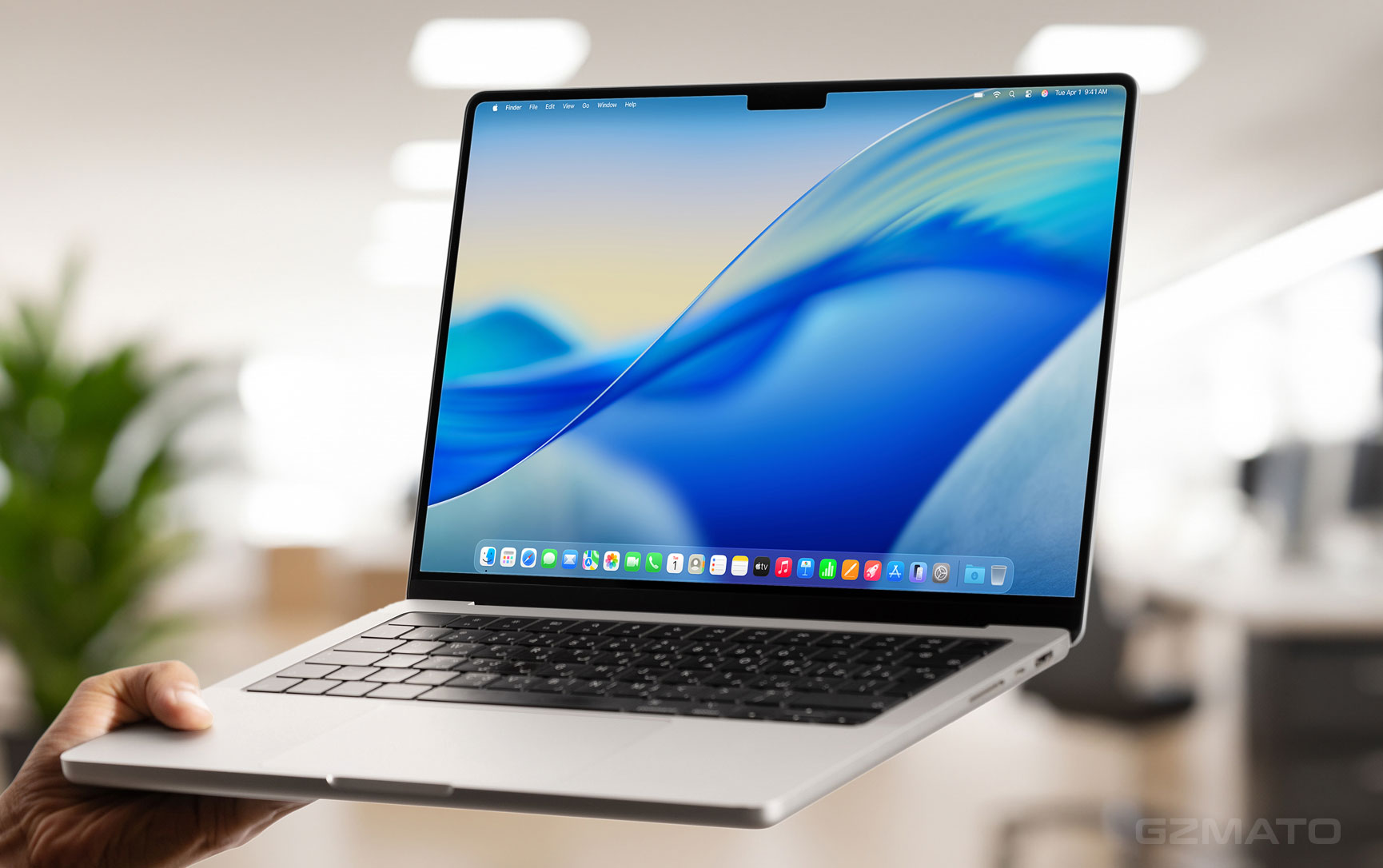
The upcoming M6 MacBook Pro generation, anticipated to launch between Q4 2026 and H1 2027, is shaping up to be far more than a simple chip upgrade. According to supply chain and industry reports, this lineup will mark a full redesign of the Mac experience, defined by three transformative features: a thinner profile, a superior display, and the long-awaited debut of touch functionality.
1. The Physical and Visual Overhaul
The physical changes alone are significant. The M6 MacBook Pro is expected to be thinner and lighter than its current counterparts, a feat made possible by the efficiency gains of the next-generation M6 chip architecture. This renewed focus on portability aims to make the Pro lineup more desirable for mobile professionals.
The visual experience will be completely redefined by the shift to an OLED display. Unlike current Liquid Retina XDR (mini-LED) screens, OLED technology offers perfect black levels, infinite contrast ratios, and significantly better color accuracy and response times. This is a crucial upgrade for video editors, photographers, and graphic designers who demand pixel-perfect visual fidelity.
2. The Dynamic Island and Touch Input
Perhaps the most revolutionary rumors center on the input and display interfaces.
The M6 Pro models are rumored to feature the debut of touch displays on Macs. This strategic shift signals a major philosophical change for Apple, bridging the gap between macOS and the intuitive, direct interaction style of the iPad. While macOS itself would need significant adaptations, the hardware foundation for multi-touch, gesture-based interactions would finally be established.
Furthermore, reports suggest the current display notch may be replaced by the Dynamic Island technology ported from the iPhone Pro line. This active notification and activity hub could dramatically enhance multitasking, allowing users to track background processes, media controls, and alerts without minimizing their main work window.
3. Faster Performance with the M6 Chip
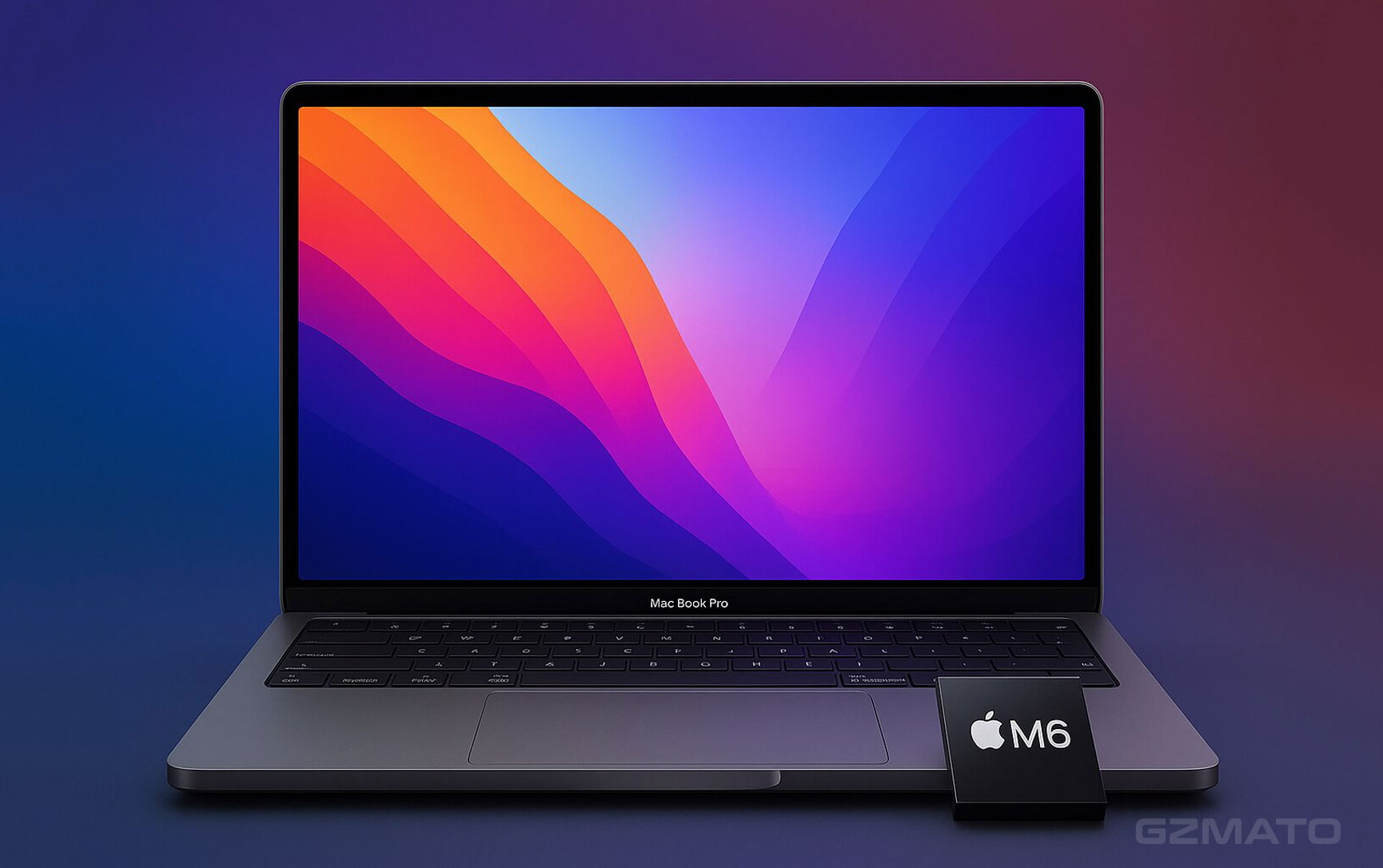
Powering this massive redesign will be the M6 chip, expected to leverage cutting-edge manufacturing processes (likely 2nm). This will lead to substantial gains in both performance and power efficiency, which directly contributes to the ability to make the chassis thinner and lighter while maintaining or even increasing battery life. The "faster" performance is essential for handling demanding workloads like 8K video rendering, complex 3D modeling, and the heavy demands of future on-device AI models.
The M6 MacBook Pro is shaping up to be an unmissable generational leap, justifying the anticipated late 2026 to early 2027 launch window for those seeking the ultimate combination of design, display technology, and processing power.
-
 -4%
MacBook Pro 14-inch 1TB SSD - Apple M4 Pro chip 14-Core CPU - 20-Core GPU - 24GB Memory - Built for Apple IntellegenceAs low as $2,700.17 Regular Price $2,808.64
-4%
MacBook Pro 14-inch 1TB SSD - Apple M4 Pro chip 14-Core CPU - 20-Core GPU - 24GB Memory - Built for Apple IntellegenceAs low as $2,700.17 Regular Price $2,808.64 -
-4%
MacBook Pro 16-inch 512B SSD - Apple M4 Pro chip 14-Core CPU - 20-Core GPU - Built for Apple IntellegenceAs low as $2,700.17 Regular Price $2,808.00




















- M6 MacBook Pro
- OLED Mac
- Touchscreen Mac
- Dynamic Island
- Apple Redesign
- M6 Chip
- 2027 MacBook