Starship Flight 14: First Orbit, 26 Starlink V3 Satellites Deployed

September 29, 2026 — SpaceX's Starship reached orbit for the first time on Monday, deploying 26 next-generation Starlink V3 satellites before returning to Earth early due to an engine anomaly during ascent[citation:1][citation:2].
The flight, Starship's 14th, lifted off from Starbase, Texas, at 7:48 a.m. CT. It marked the first time the 124-meter vehicle entered a stable Earth orbit, and the first time it delivered operational payload to orbit[citation:1][citation:9].
The Mission: A Tense Path to Orbit
The flight nearly ended before it began. During the Super Heavy booster's initial climb, one of its 33 Raptor engines shut down. A second engine failed to reignite during the boostback burn[citation:1][citation:2]. The booster still performed a controlled splashdown in the Gulf of Mexico as planned[citation:1].
The upper stage faced its own problem: one of its six Raptor engines shut down early, roughly seven minutes into flight at about 150 km altitude. The remaining five engines burned longer than planned to compensate, keeping Starship on a passively safe suborbital trajectory[citation:1][citation:12].
What happened next was the dramatic centerpiece of the webcast. SpaceX commentator Dan Huot initially announced that Starship would not attempt orbit. Minutes later, he reversed the call: "We are not giving up yet."[citation:19]
After assessing the vehicle's health, flight controllers confirmed the three sea-level Raptor engines needed for critical burns were healthy. They gave the "go for orbit." A single Raptor reignited for a 19-second insertion burn, adding just enough velocity to push Starship into a stable orbit at approximately 276 km[citation:1][citation:17].
A worst-case scenario for a first orbital flight would be a failure that stranded the 100-ton vehicle in orbit, leading to an uncontrolled reentry. SpaceX engineers were "extremely conservative" in their planning, only proceeding once they were confident in the core systems required to bring Starship back down[citation:17].
Starlink V3: The Satellite Falcon 9 Can't Carry
The 26 satellites deployed on this flight represent a generational leap in Starlink's capabilities. Each Starlink V3 weighs approximately 2 metric tons at launch — far too large for Falcon 9's payload fairing, which has carried over 12,000 older-generation Starlinks since 2019[citation:17].
| Specification | Starlink V3 | Starlink V2 (Comparison) |
|---|---|---|
| Downlink Capacity | 1 Tbps | ~100 Gbps |
| Uplink Capacity | 160 Gbps | ~7 Gbps |
| Launch Weight | ~2 metric tons | ~1.25 metric tons |
| Launch Vehicle | Starship (only option) | Falcon 9 |
| Max per Launch | Up to 60 (future) | ~23 |
The capacity increase is dramatic: 10x downlink and 22x uplink compared to the V2 satellites Falcon 9 has been launching. The 26 V3 satellites deployed on this flight add approximately 26 Tbps of total network capacity — roughly 10 times what a single Falcon 9 launch of older satellites delivers[citation:3][citation:14][citation:17].
Each V3 satellite carries six 400-gigabit laser terminals for inter-satellite communication, enabling high-bandwidth traffic to flow between any points on Earth. SpaceX confirmed contact with all 26 satellites after separation[citation:4][citation:10].
Why This Flight Matters
This was not just a test flight. It was the first time Starship performed a productive mission in orbit. For SpaceX, it signals the transition from experimental vehicle to operational launch system[citation:6][citation:15].
Three factors make this milestone significant:
- Orbital capability proven: Starship can now deliver payloads to low Earth orbit, a prerequisite for Starlink V3 deployment at scale, NASA's Artemis lunar missions, and eventually Mars[citation:6].
- Starlink V3 is operational: The next-generation satellite network can now begin expanding. SpaceX has reportedly already built additional V3 satellites that have been waiting for a launch vehicle capable of carrying them[citation:17].
- Revenue generation begins: Mashable described this as Starship's first "revenue-generating flight" — the vehicle is now doing work that directly supports SpaceX's commercial business[citation:15].
What Comes Next
SpaceX plans to increase Starship launch cadence, extend flight duration, and test in-space refueling — a critical capability for lunar and Mars missions[citation:10].
The company has more Starlink V3 satellites ready for launch. Caleb Henry, director of research at Quilty Space, noted that the satellites "were finished well ahead of the launch vehicle" and have been waiting in a Texas warehouse[citation:17]. Future Starship flights could carry up to 60 V3 satellites each[citation:3][citation:17].
SpaceX also started phasing out Starlink launches on Falcon 9 earlier this year. There are no more Falcon 9 Starlink launches scheduled at Cape Canaveral, though polar-orbit missions from Vandenberg will continue for a while[citation:17].
Key Takeaways
| # | What You Need to Know About Starship Flight 14 |
|---|---|
| 1 | First orbital flight — Starship entered a stable orbit at ~276 km for the first time in 14 flights[citation:1] |
| 2 | 26 Starlink V3 satellites deployed — all confirmed in contact after separation[citation:1][citation:10] |
| 3 | Engine anomaly during ascent — one Raptor shut down, briefly putting the orbital attempt in doubt; engineers proceeded successfully[citation:2][citation:19] |
| 4 | Mission cut short — from planned ~10 hours / 6 orbits to about 3 hours, due to the engine issue[citation:2][citation:13] |
| 5 | Starlink V3 adds 10x capacity — 1 Tbps downlink per satellite, too large for Falcon 9 to launch[citation:3][citation:17] |
| 6 | First revenue-generating flight — Starship is now performing operational work, not just testing[citation:15] |
| 7 | More V3 satellites are ready — they've been waiting for a vehicle capable of carrying them[citation:17] |
- SpaceX Official — Flight 14 mission page, timeline, engine anomaly details, Starlink V3 specs[citation:1]
- Ars Technica — Orbital insertion details, engine shutdown context, Starlink V3 deployment significance[citation:17]
- The Boston Globe — Mission timeline, engine failure, early return, splashdown details[citation:2]
- Digital Today (English) — Starlink V3 specifications, deployment confirmation, orbit altitude[citation:3][citation:10]
- Yahoo Tech — Fiery splashdown, Starlink V3 laser terminals, mission summary[citation:4]
- QQ News — Chinese-language context on Flight 14 as potential "revenue-generating flight"[citation:5]
- RTP (Portugal) — Detailed mission narrative, engine shutdown at 7:14, "Go to Orbit" moment[citation:12]
- Mashable India — Orbital insertion burn, satellite deployment timeline, first revenue flight framing[citation:15]
- Notebookcheck — Starlink V3 size (Boeing 737 comparison), capacity figures[citation:18]
- The Next Web — "We are not giving up yet" quote, mission summary[citation:19]
- RTVE (Spain) — Engine failure context, early return details[citation:7]
- AeroTime — Orbital flight context, suborbital history, splashdown location[citation:13]
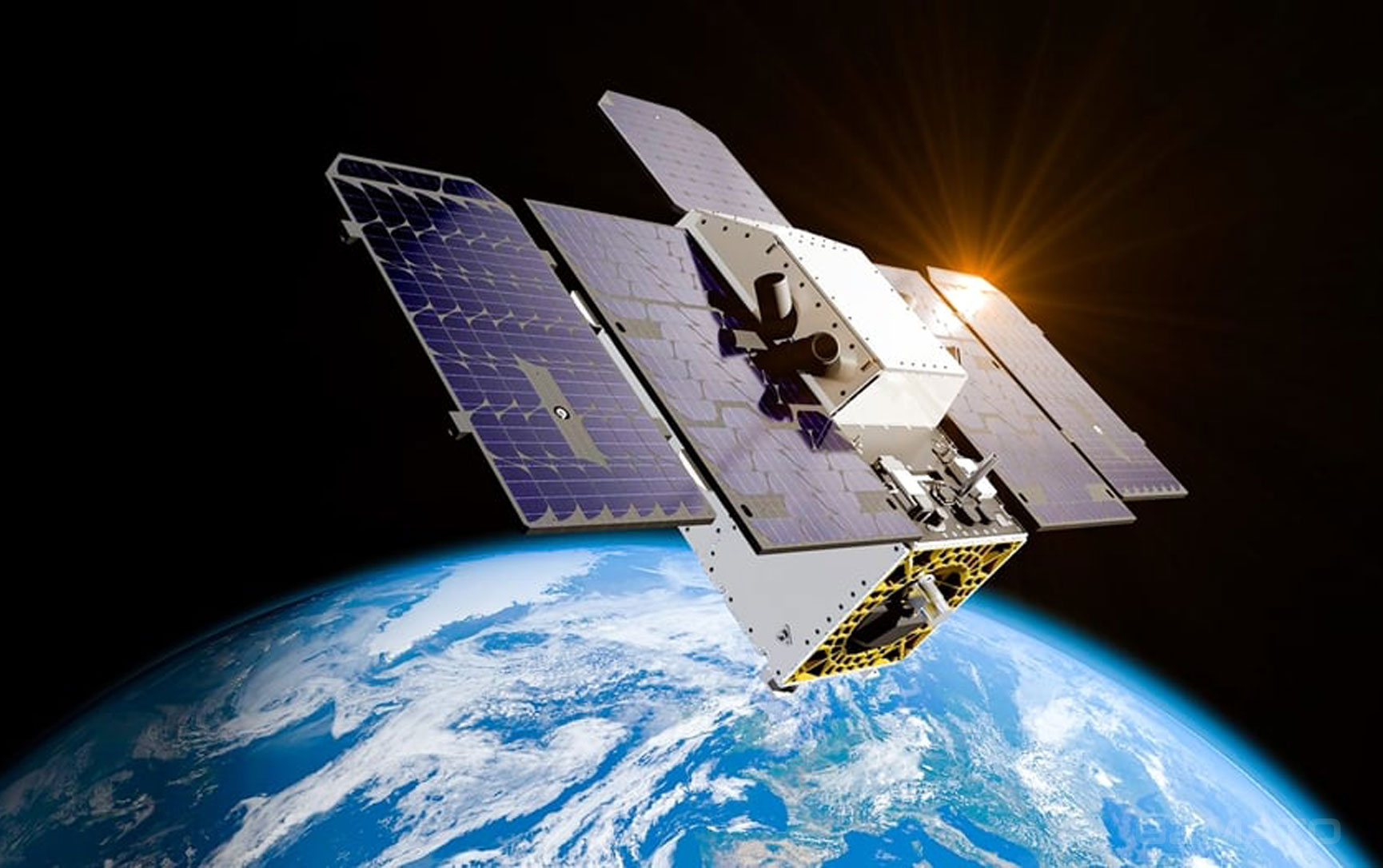


- Starship Flight 14
- SpaceX Starship orbit
- Starlink V3
- Starlink V3 deployment
- Starship engine failure
- SpaceX orbital flight
- Starlink V3 capacity
- Starship first orbit
- Gzmato