iPhone Fold OLED Panel Production Approved: Samsung Exclusive, 3M Units, 80% Yield
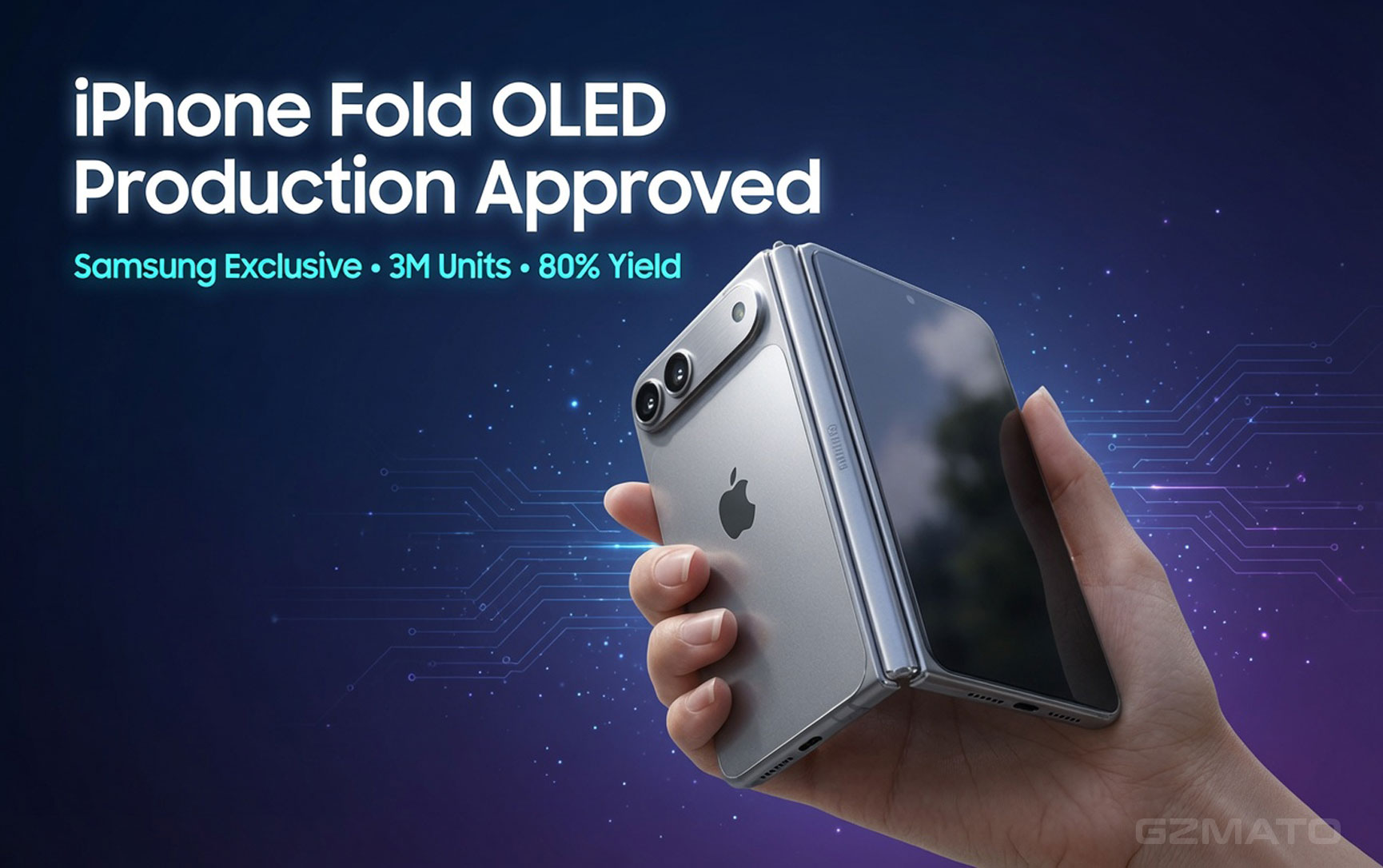
iPhone Fold OLED Production Gets Green Light
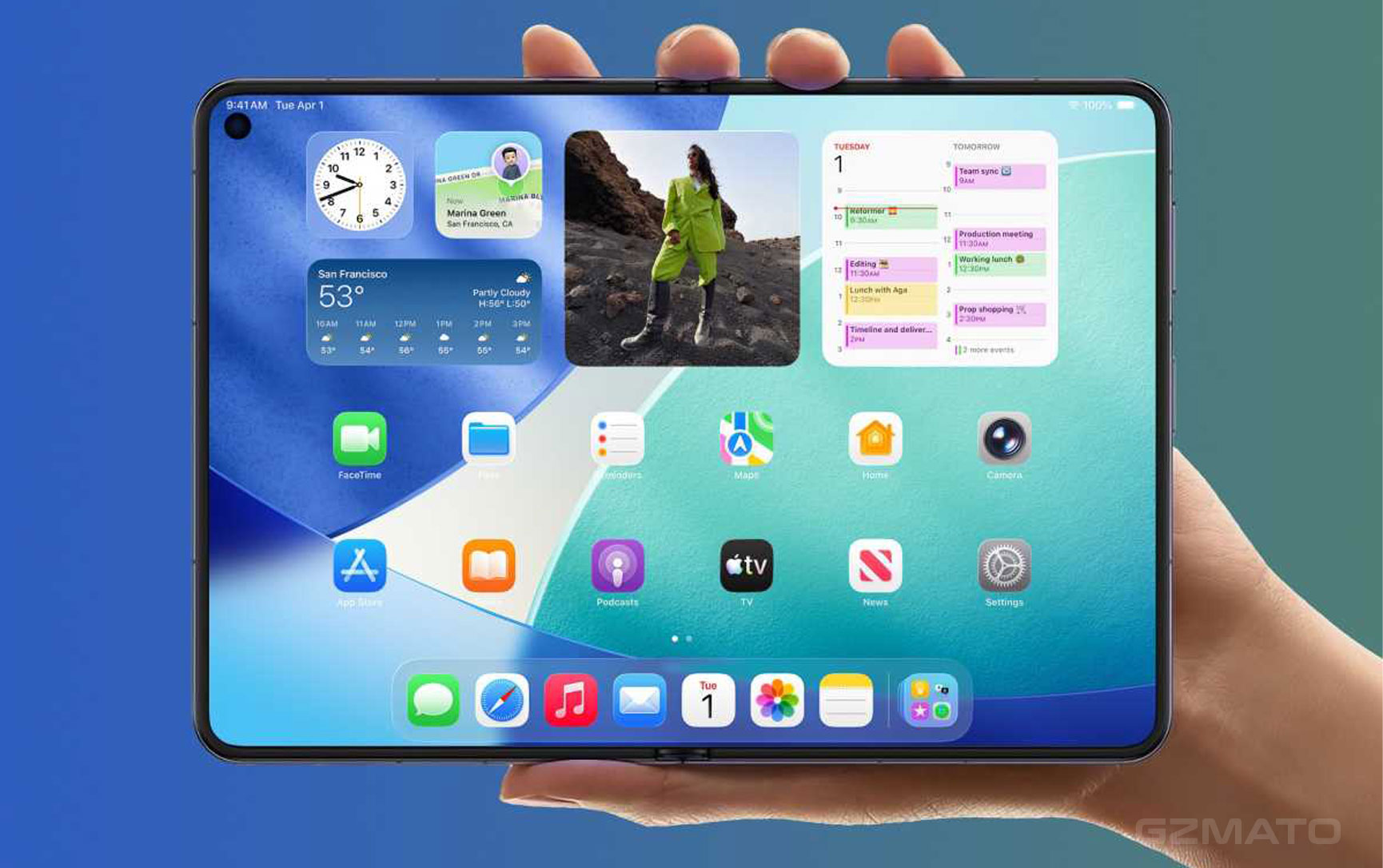
Apple's first foldable iPhone has crossed a major production milestone. According to a report from Korean electronics industry publication The Elec, Samsung Display has received Apple's official approval to begin mass production of OLED modules for the device [citation:2][citation:3].
The approval covers back-end module assembly, including the addition of driver circuits, flexible printed circuit boards, and protective components before final inspection and shipment. This is the final step before displays can be delivered to Apple's assembly partners [citation:2].
Samsung Display has already started operating part of its back-end production lines in Vietnam to fulfill an initial order of approximately 3 million panels scheduled for delivery this year [citation:1][citation:4].
Samsung's Exclusive 3-Year Deal
Under a three-year exclusive supply agreement, Samsung Display will be the sole provider of OLED panels for Apple's foldable iPhone [citation:2][citation:4]. During this period, Apple will not source foldable OLED panels from any other display maker [citation:3].
Apple's approval threshold for module production is reportedly a yield rate of at least 70% — a demanding requirement for foldable displays, which require significantly stricter specifications than conventional smartphones [citation:2][citation:3][citation:4]. Samsung Display is said to have passed that bar after achieving final yields above 80% [citation:1][citation:2].
Samsung Display has long been the dominant player in the smartphone OLED market, particularly in flexible foldable panels. The company's Vietnam facility, where back-end processing is being handled, has approximately 80 production lines in total, with about 50 currently active [citation:1][citation:2][citation:4]. Given the relatively modest 3-million-unit order, Samsung has ample capacity to fulfill Apple's requirements.
Industry analysts estimate the three-year exclusive deal could generate billions of dollars in revenue for Samsung Display, as foldable OLED panels carry significantly higher margins than conventional rigid OLED panels [citation:1][citation:9].
Display Tech: M16 and CoE
The foldable iPhone's display is expected to feature two advanced technologies:
| Technology | What It Does |
|---|---|
| M16 OLED Material Set | Samsung's newest organic material system for flagship OLED panels. Offers improvements in brightness, color performance, lifespan, and power efficiency over previous generations [citation:2][citation:3][citation:4]. |
| CoE (Color Filter on Encapsulation) | Removes the traditional polarizer layer and replaces it with a color filter applied directly to the encapsulation layer. Reduces thickness, increases brightness, and — crucially for a foldable — reduces crack risk in the fold area caused by repeated bending [citation:1][citation:2][citation:3]. |
The combination of M16 material and CoE technology is expected to deliver superior durability in the fold area, reduced crease visibility, and better overall thickness management compared to current foldable displays on the market [citation:1][citation:4].
The Hinge Challenge: A Two-Week Question Mark
While the display is production-ready, Apple is reportedly still working through a technical challenge with the hinge mechanism — the component that allows the phone to fold and unfold [citation:2][citation:4][citation:9].
According to industry sources, Apple's first foldable iPhone will use a hinge module manufactured with 3D-printing technology [citation:2][citation:4][citation:10]. However, the component has experienced issues with unwanted noise after assembly — a significant quality concern for a device positioned in the ultra-premium segment [citation:2][citation:4][citation:9].
Industry observers believe this hinge issue could push the launch schedule back by roughly two weeks to one month [citation:2][citation:4]. However, the September 2026 launch window still appears to be the target, with the timing ultimately depending on Apple's readiness for device components [citation:2].
iPhone Fold: What We Know So Far
Based on multiple reports and supply chain leaks, here's the current picture of Apple's first foldable iPhone:
| Feature | Rumored Specification |
|---|---|
| Inner Display | ~7.8 inches [citation:3] |
| Cover Display | ~5.5 inches [citation:3] |
| Design | Book-style fold, similar to Samsung Galaxy Z Fold [citation:9] |
| Chip | A20 Pro (2nm process, 15% faster, 30% more efficient) [citation:3][citation:9] |
| Biometrics | Touch ID integrated into power button (no Face ID) [citation:3][citation:9] |
| Modem | Apple C2 [citation:3] |
| Estimated Price | Starting around $2,000 [citation:3] |
Supply chain sources have also confirmed that components are already entering small-batch production, and iOS 27 is expected to include optimizations for foldable devices, including multi-tasking, split-screen, and floating window support [citation:9].
Key Takeaways
| # | Key Takeaway |
|---|---|
| 1 | Samsung Display approved for foldable iPhone OLED production — Apple has greenlit mass production of OLED modules for its first foldable phone [citation:2][citation:3]. |
| 2 | Samsung has a 3-year exclusive supply deal — Apple will not source foldable OLED panels from any other display maker during this period [citation:2][citation:4]. |
| 3 | Initial order: 3 million panels — Delivered through Samsung Display's Vietnam facility this year [citation:1][citation:4]. |
| 4 | 80%+ yield exceeds Apple's 70% threshold — Samsung Display demonstrated mass-production stability and final assembly quality [citation:1][citation:2]. |
| 5 | M16 OLED material + CoE technology — Advanced display tech improves brightness, color, durability, and reduces thickness [citation:2][citation:3][citation:4]. |
| 6 | Hinge is the remaining question mark — 3D-printed hinge with noise issues could delay launch by 2-4 weeks [citation:2][citation:4]. |
| 7 | September 2026 target remains — But production readiness of the hinge is the critical variable [citation:2][citation:9]. |
| 8 | ~7.8-inch inner display, ~5.5-inch cover — Similar to Galaxy Z Fold in form factor [citation:3][citation:9]. |
Sources & Methodology (as of June 23, 2026):
- The Elec — Samsung Display foldable OLED module production approval [citation:2]
- MacRumors — iPhone Fold production and hinge issue summary [citation:3]
- IT之家 / CNMO — Chinese-language coverage of The Elec report [citation:4][citation:11]
- Vietnam.vn — Hinge noise issue and launch window analysis [citation:10]
- East Money / 中国城市网 — Supply chain analysis and revenue projections [citation:1][citation:9]
Fast Chargers | USB-C Cables | Screen Protectors | MagSafe Accessories | Power Banks
Special Offer: Use code TECH2026 for a discount on your first order!
Shop Now at Gzmato →
- iPhone Fold
- foldable iPhone
- Samsung Display OLED
- Apple foldable display
- iPhone Fold production
- M16 OLED
- CoE technology